
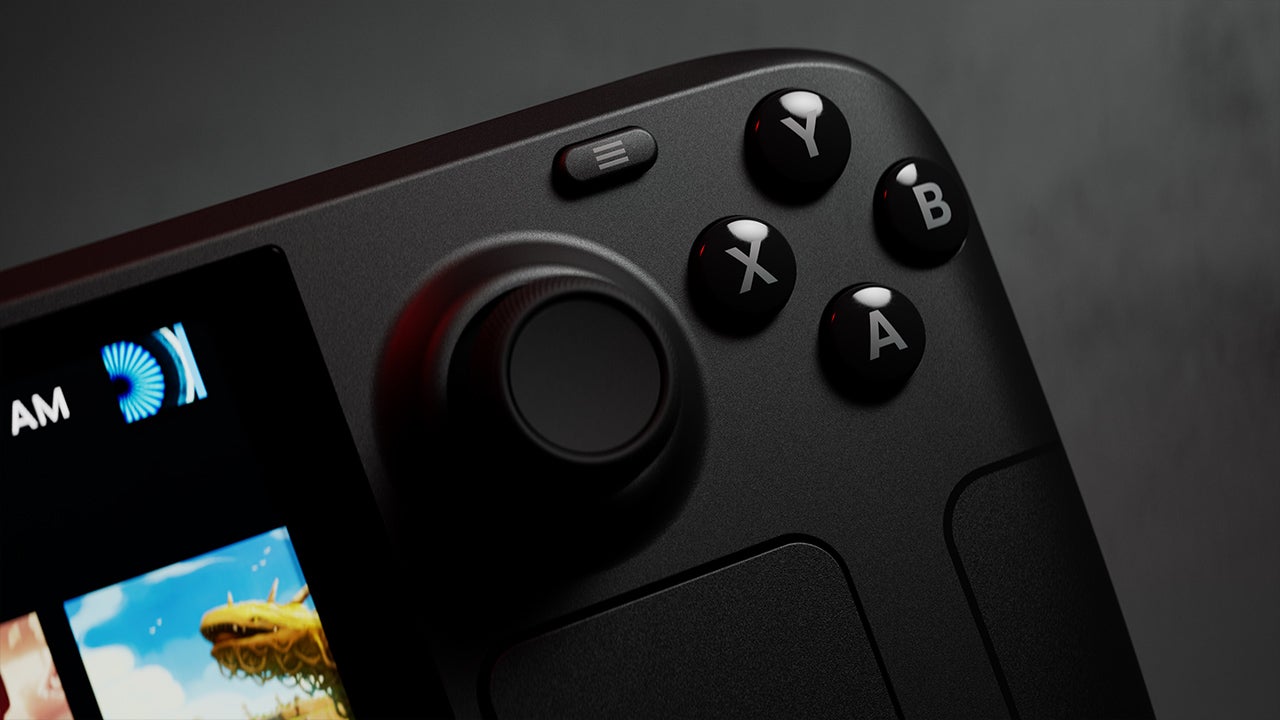
The Steam Deck 2 OLED is the rumored successor to Valve's Steam Deck, expected to deliver a major performance upgrade while retaining the portable PC gaming experience built around SteamOS.
Rumored features include an AMD Ryzen Z2 Extreme-class APU, a 90Hz OLED display, Hall-effect joysticks and improved cooling. A Q1 2027 launch window has been projected, although Valve has not officially confirmed the product, specifications or release date.
What Is the Steam Deck 2 OLED?
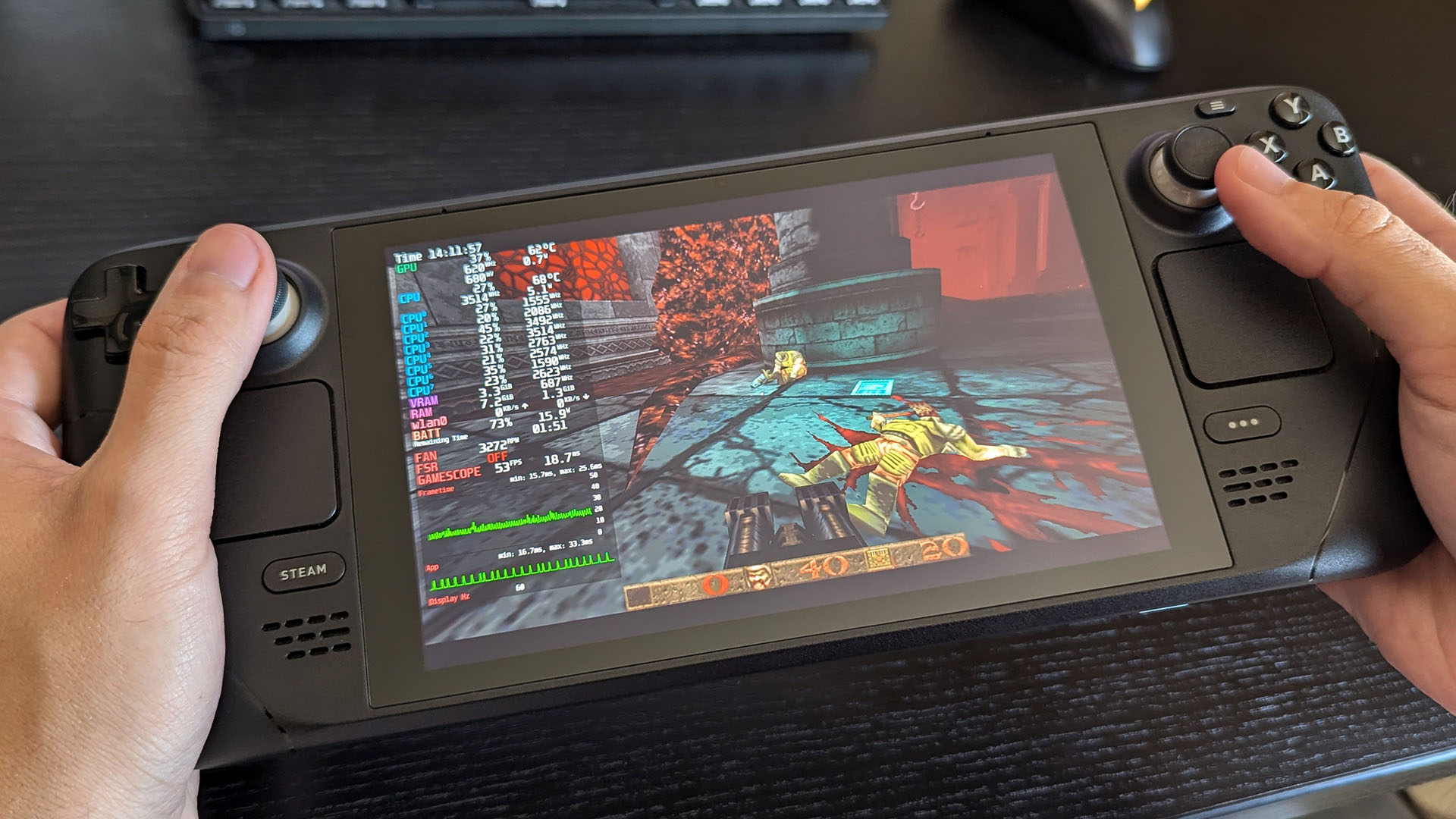
Steam Deck 2 OLED is expected to be Valve's next-generation handheld gaming PC.
The original Steam Deck combined PC hardware with a console-style interface, allowing players to access their Steam libraries on a portable device. The later Steam Deck OLED improved the display, battery and efficiency without delivering a major performance-generation leap.
Steam Deck 2 is expected to focus primarily on performance-per-watt, allowing more demanding games to run at higher frame rates without dramatically reducing battery life.
AMD Z2 Extreme APU
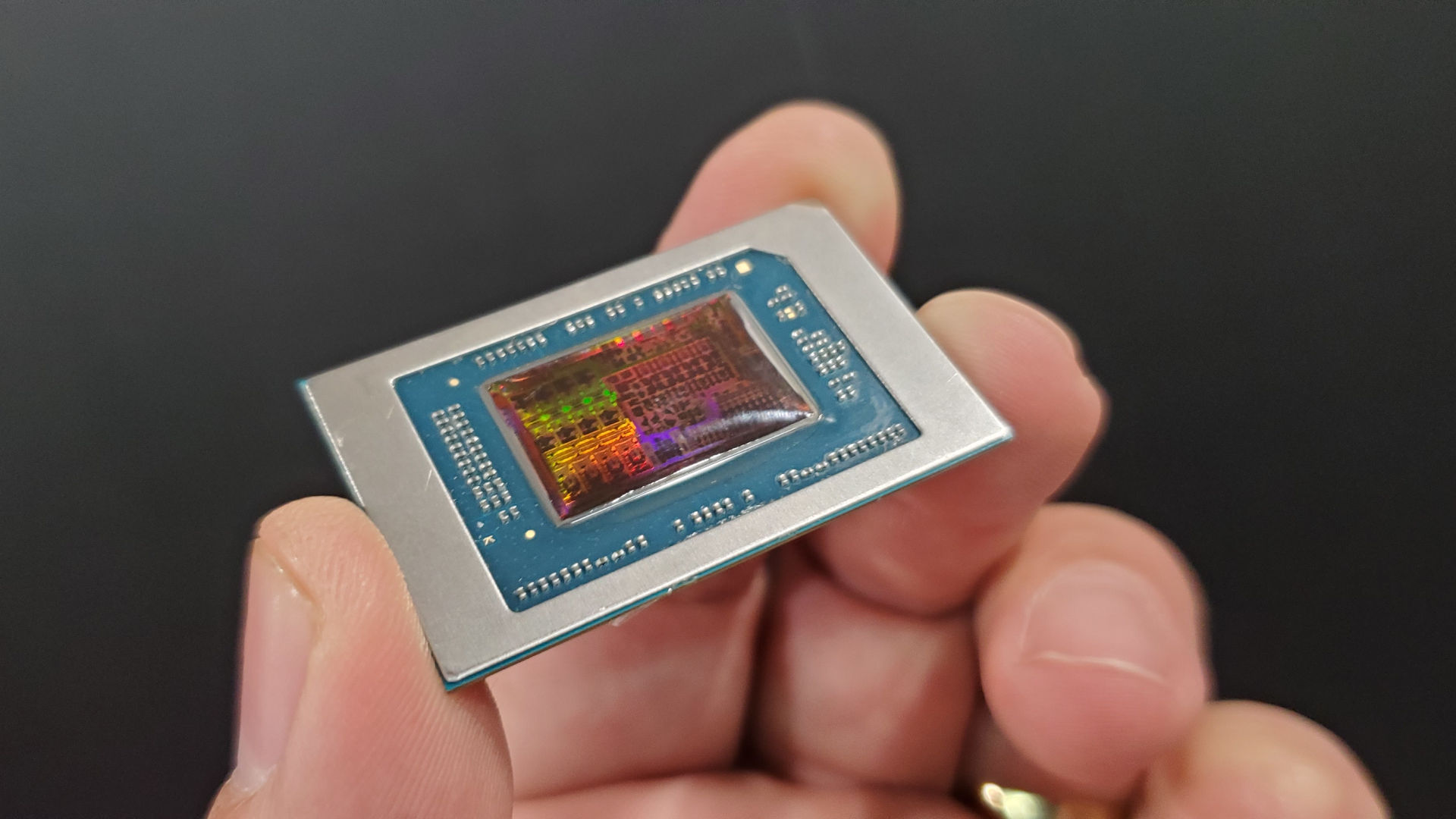
The most prominent hardware rumor involves AMD's Ryzen Z2 Extreme or a related custom APU.
The Z2 Extreme platform uses modern Zen CPU architecture alongside Radeon graphics and is designed specifically for high-performance handheld gaming.
A processor based on this technology could provide major improvements in:
- CPU performance
- GPU performance
- Frame rates
- Emulation
- Modern AAA gaming
- Graphics quality
- Power efficiency
However, the Z2 Extreme should not be considered confirmed Steam Deck 2 hardware. Valve has historically emphasized that its successor needs a substantial improvement in performance and efficiency rather than simply using a newer chip.
90Hz OLED Display
The display is expected to retain the OLED technology introduced with the current Steam Deck OLED.
A 90Hz OLED panel can provide smoother movement and greater responsiveness than a traditional 60Hz display.
OLED technology also offers:
- Deeper blacks
- Higher contrast
- Faster response times
- Vibrant colors
- Improved HDR presentation
Some rumors have suggested a 900p OLED display, although this remains unconfirmed.
A higher resolution would improve image sharpness but would also place greater demands on the GPU. Valve would therefore need to balance resolution against battery life and frame-rate performance.
Hall-Effect Joysticks
One of the most anticipated rumored upgrades is Hall-effect joysticks.
Traditional analog sticks can develop drift as mechanical components wear. Hall-effect sticks use magnetic sensing to determine position, reducing reliance on conventional potentiometer components.
Potential advantages include:
- Greater durability
- Better resistance to traditional stick drift
- More consistent sensing
- Improved long-term reliability
For a handheld expected to receive heavy use, Hall-effect controls could be an important quality-of-life improvement.
SteamOS and Gaming
Steam Deck 2 is expected to continue using SteamOS, Valve's Linux-based operating system.
SteamOS is a central part of the Steam Deck experience, providing a console-like interface while retaining the flexibility of a PC.
Expected features include:
- Steam library integration
- Controller customization
- Desktop mode
- Performance controls
- Cloud saves
- Proton compatibility
- Game-specific settings
A more powerful APU would allow existing Steam games to run at higher settings while potentially improving compatibility with future AAA releases.
Performance and Battery Life
The biggest challenge for Steam Deck 2 is balancing performance with power consumption.
Valve has indicated that it wants a successor to deliver a meaningful improvement without simply increasing power consumption. This makes performance-per-watt more important than raw benchmark scores.
A successful Steam Deck 2 could offer:
- Higher average frame rates
- Better frame-rate stability
- Improved graphics settings
- Stronger CPU performance
- Better emulation
- More capable ray tracing
- Similar or improved battery endurance
A more efficient AMD architecture could help achieve these goals while keeping the handheld portable.
Cooling
Greater performance would require an improved thermal system.
Steam Deck 2 could potentially use a redesigned cooling solution with improved airflow, heat dissipation and sustained performance.
Effective cooling would help prevent thermal throttling during long gaming sessions while controlling fan noise and surface temperatures.
This is especially important if Valve increases GPU performance significantly.
Projected Q1 2027 Launch
The Q1 2027 launch window is currently a projection rather than an official Valve announcement.
Valve has not confirmed a Steam Deck 2 release date, and the company has previously indicated that it would wait until technology could provide a substantial generational improvement.
The final launch could therefore depend on AMD's silicon availability, manufacturing costs, battery technology, cooling requirements and Valve's performance targets.
Why It Matters
Steam Deck 2 could be one of the most important upgrades in Valve's handheld strategy.
The original Steam Deck helped popularize handheld PC gaming by combining portable hardware with access to an established PC library. Steam Deck OLED refined that formula, but a true successor would need to address the performance limitations of the original architecture.
A newer AMD APU, OLED display and Hall-effect controls could collectively create a much more capable handheld while maintaining the SteamOS ecosystem.
The most important factor will be whether Valve can achieve significantly higher performance without sacrificing battery life, thermals, ergonomics or affordability.
What to Know at a Glance
| Detail | Information |
|---|---|
| Product | Steam Deck 2 OLED |
| Developer | Valve |
| Category | Handheld gaming PC |
| APU | Rumored AMD Z2 Extreme-class |
| Display | Rumored OLED |
| Refresh Rate | Rumored 90Hz |
| Resolution | Rumored 900p |
| Joysticks | Rumored Hall-effect |
| Operating System | SteamOS |
| Launch | Projected Q1 2027 |
| Status | Unannounced |
| Price | Unknown |
The Bottom Line
🎮 The Bottom Line
The Steam Deck 2 OLED is a rumored next-generation handheld that could combine a powerful AMD APU with a 90Hz OLED display and Hall-effect controls.
The projected Q1 2027 launch remains unconfirmed, but the concept is significant because Valve appears focused on achieving a genuine performance-per-watt breakthrough rather than releasing a minor hardware refresh.
If those goals are achieved, Steam Deck 2 could deliver substantially better PC gaming performance while preserving the portability, SteamOS experience and console-like simplicity that define the Steam Deck platform.