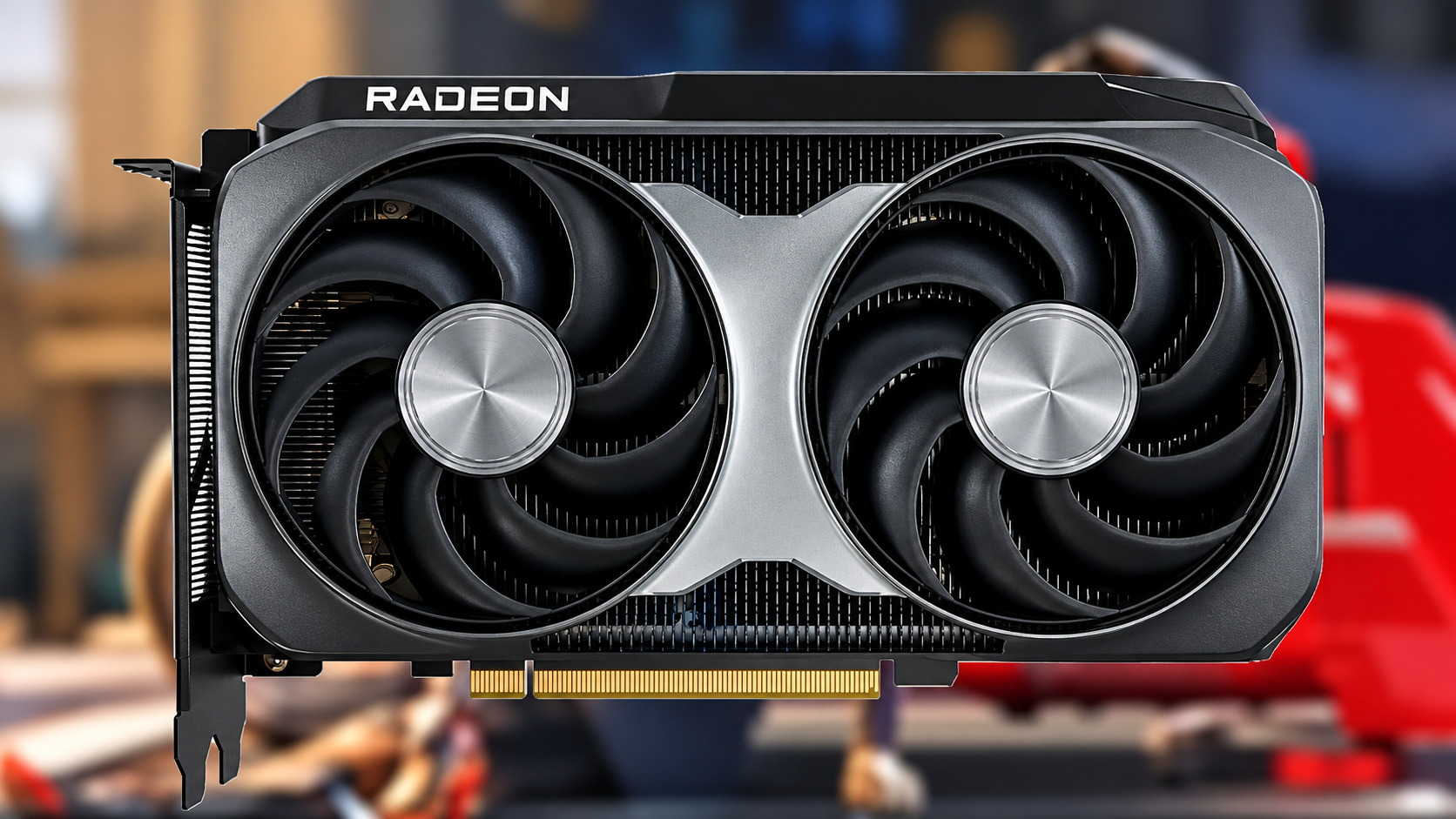

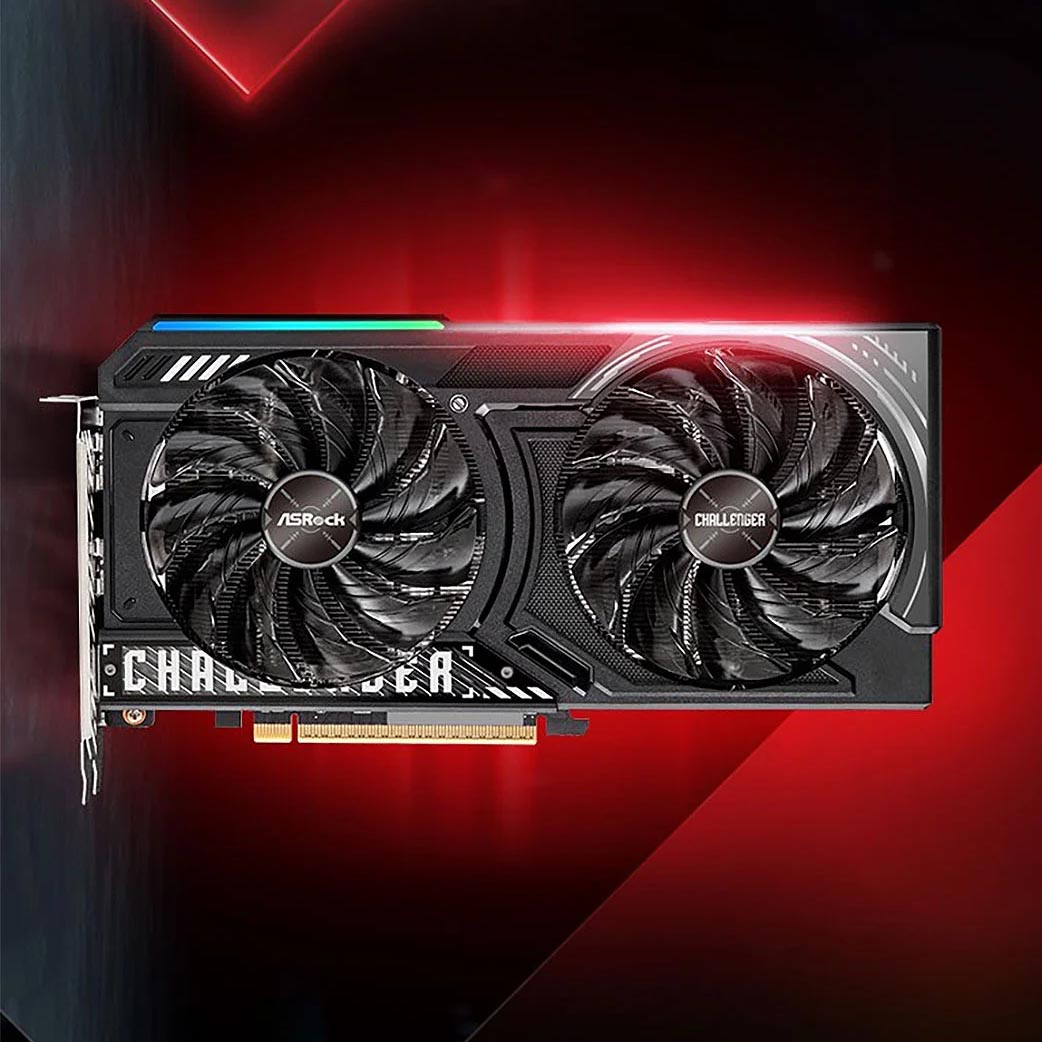
The RX 9050 4GB benchmarks have raised questions about how far a budget graphics card can go in modern games. While the card is positioned toward entry-level gaming, hardware testing shows that its limited 4GB memory can become a significant constraint.
The biggest concern is straightforward: in demanding titles, the RX 9050 4GB can struggle to break the 60 FPS mark at 1080p Low settings.
That makes its benchmark results particularly relevant for players who expect smooth Full HD gaming without having to reduce visual settings dramatically.
What Is the RX 9050 4GB?
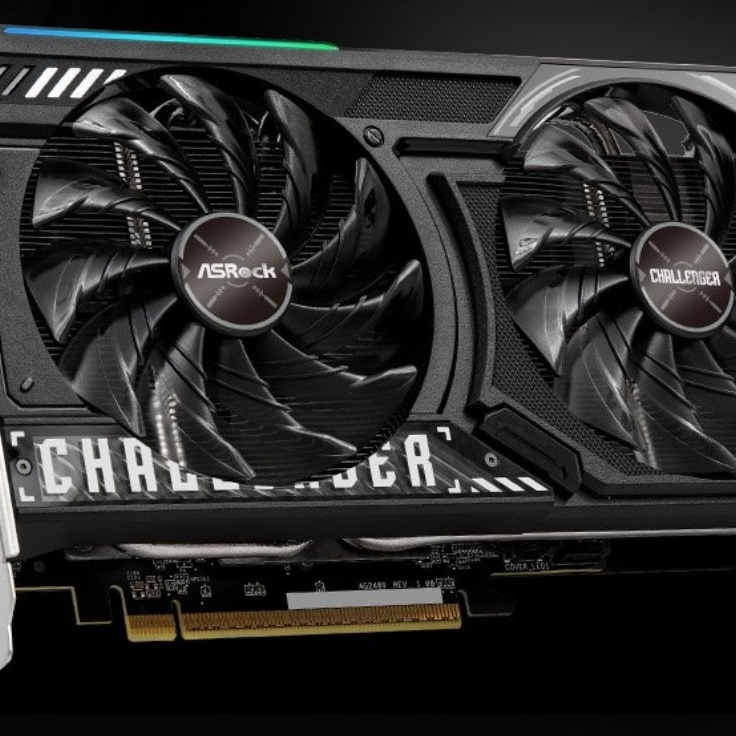
The RX 9050 4GB is positioned as a lower-end graphics card aimed at affordable PC gaming.
Its most important specification for this discussion is its 4GB VRAM capacity. While 4GB can still be sufficient for some older or less demanding games, modern titles increasingly place greater demands on graphics memory.
When VRAM becomes a limitation, reducing graphical settings does not always solve the problem completely.
This is where the RX 9050 4GB's benchmark performance becomes important.
RX 9050 4GB Gaming Performance
The hardware tests paint a disappointing picture for the card in demanding games.
At 1920×1080 resolution with Low settings, the RX 9050 4GB can struggle to reach or maintain 60 FPS.
For an entry-level graphics card, 1080p Low would normally be the environment where performance is expected to be most comfortable. When a GPU struggles even under these conditions, it highlights the increasing demands of modern game engines.
Performance can naturally vary depending on the game, graphics settings, drivers, CPU, and other components in the test system.
The 4GB VRAM Problem
The biggest limitation is the card's 4GB memory buffer.
VRAM stores assets such as textures, shaders, geometry, and other graphical data required during gameplay. As games become more visually complex, they can require substantially more memory.
When the available VRAM becomes insufficient, the GPU can experience performance drops and inconsistent frame delivery.
This means that simply lowering resolution or graphical quality may not always produce the expected performance improvement.
Why 1080p Low Still Matters
The fact that some tests show the RX 9050 4GB struggling at 1080p Low is significant because this setting already represents a major reduction in visual quality.
Players using Low settings are generally prioritizing frame rate over graphical fidelity.
If performance remains below or around the 60 FPS threshold under these conditions, there is less headroom available for increasing visual quality.
Benchmark Results and 60 FPS
The 60 FPS target remains an important reference point for PC gaming.
A game consistently operating around 60 FPS generally provides considerably smoother motion than one operating in the 30–40 FPS range.
The RX 9050 4GB's difficulty breaking 60 FPS in demanding workloads therefore becomes one of the most important findings from the hardware tests.
However, average FPS alone does not tell the complete story.
Frame-Time Consistency
Frame-time behavior is also important.
A benchmark showing an average near 60 FPS can still feel inconsistent if individual frames take significantly longer to render.
For an entry-level GPU with limited VRAM, sudden asset streaming or memory pressure can contribute to inconsistent performance in particularly demanding scenes.
Modern Games and Hardware Demands
The RX 9050 4GB highlights a broader change in PC gaming.
Modern games increasingly use higher-resolution textures, more detailed environments, complex lighting systems, and larger worlds. These features increase the workload placed on both the GPU's processing hardware and its VRAM.
As a result, a specification that once looked reasonable for 1080p gaming can become restrictive as software requirements increase.
The RX 9050 4GB demonstrates how the 4GB memory ceiling can become an important consideration when evaluating an entry-level GPU.
Who Is the RX 9050 4GB For?
The card's suitability depends heavily on the type of games being played.
It may be more comfortable with:
- Older PC games
- Competitive games
- Lightweight esports titles
- Indie games
- Less demanding graphical workloads
More demanding modern games can present a substantially greater challenge.
Players targeting consistently high frame rates in newer AAA releases may need to make significant compromises in graphical settings.
What the Benchmarks Reveal
The most important takeaway from the RX 9050 4GB benchmarks is not simply one particular FPS number.
Instead, the tests demonstrate the limitations of combining entry-level GPU hardware with only 4GB of VRAM in an increasingly demanding gaming environment.
The fact that the card can struggle to reach 60 FPS at 1080p Low illustrates how quickly modern games can push budget hardware toward its limits.
It also shows why VRAM capacity has become an increasingly important specification when comparing graphics cards.
Why It Matters
Budget graphics cards are often purchased specifically because they are expected to deliver playable performance without requiring expensive hardware.
The RX 9050 4GB's benchmark results challenge that expectation in demanding workloads.
For gamers building an affordable PC, looking only at the GPU's model number or theoretical performance is not enough. Memory capacity, game requirements, settings, and actual benchmark performance all matter.
The 4GB configuration therefore deserves particular attention when evaluating the card for modern 1080p gaming.
🎮 The Bottom Line
The RX 9050 4GB benchmarks reveal a graphics card facing serious limitations in demanding modern games.
Its biggest weakness is the combination of entry-level performance and a 4GB VRAM capacity, with hardware testing showing that even 1080p Low can be insufficient to consistently reach the 60 FPS target in some demanding workloads.
For lighter games, the card can still have a place in a budget-oriented system. But the benchmark results demonstrate how quickly modern games can expose the limitations of a 4GB graphics card.