

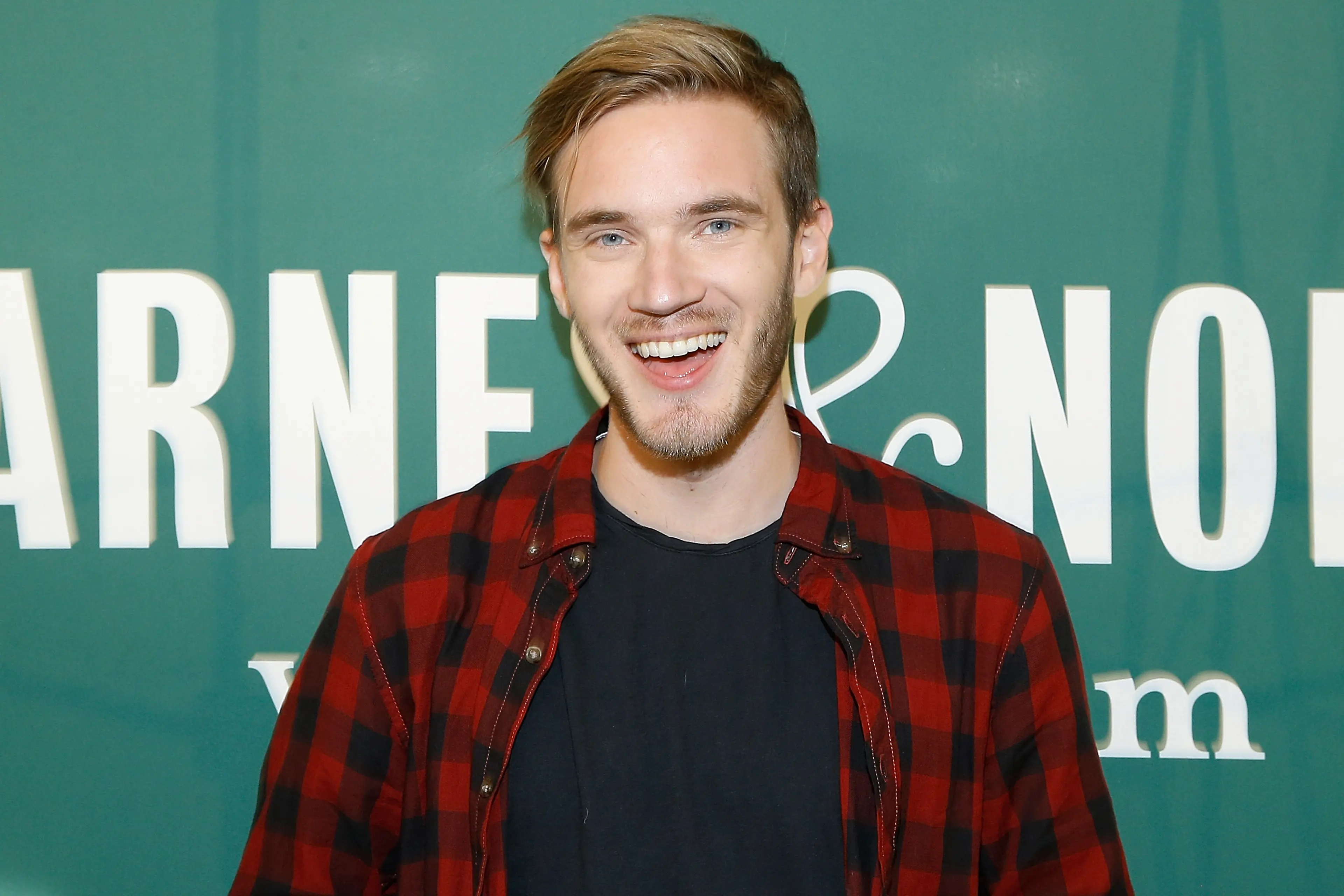
 The PewDiePie YouTube channel, created by Felix Kjellberg, became one of the defining channels of YouTube's first major creator era.
Kjellberg began uploading in the late 2000s, with the channel's rapid growth coming during the early 2010s through gaming videos and Let's Play commentary.
Over time, the channel changed dramatically.
Gaming remained part of its identity, but PewDiePie expanded into comedy, commentary, memes, challenges, vlogs and internet culture. The channel also moved away from the relentless daily-upload model that had once defined its schedule.
The archive is therefore more than a collection of old videos. It documents how one creator and YouTube itself changed over more than a decade.
Story / Overview: The Rise of PewDiePie
PewDiePie's early identity was closely tied to gaming.
His Let's Play videos combined gameplay footage with energetic commentary, jokes and exaggerated reactions. This format helped establish a direct relationship between creator and viewer that differed from traditional entertainment.
By the early 2010s, the channel was producing enormous viewing numbers, with PewDiePie's videos becoming some of the most watched creator-led content on the platform.
The format was relatively simple:
A game on screen.
Felix reacting in real time.
Fast-paced editing and humor.
A direct connection with the audience.
That formula became the foundation for a much larger creator career.
Setting / Background: The Early YouTube Era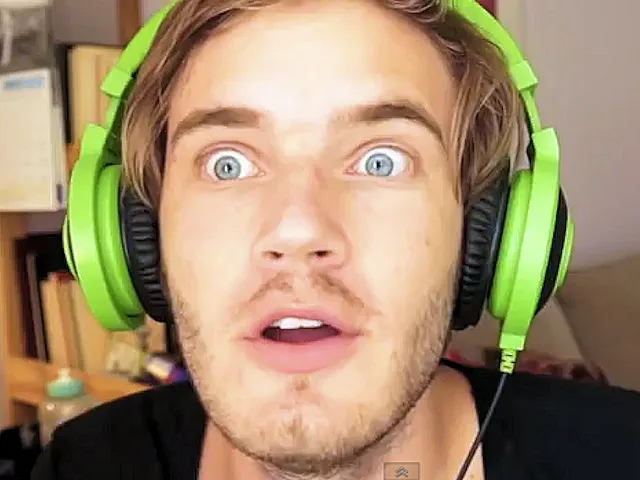
PewDiePie's rise happened during a period when YouTube was developing its own creator economy.
There was no established blueprint for becoming a full-time YouTuber at the scale that later generations would consider normal.
Creators were experimenting with formats while audiences were discovering personalities they could follow across thousands of videos.
PewDiePie became one of the most visible examples of this shift.
His success demonstrated that a creator could build a massive global audience without following the traditional television or film industry model.
His channel also helped normalize gaming entertainment as a mainstream form of online entertainment.
The Daily Upload Era
One of the defining characteristics of PewDiePie's classic era was frequency.
For years, viewers became accustomed to seeing new videos appear almost every day.
The schedule created a unique relationship between PewDiePie and his audience. The channel wasn't simply something viewers visited occasionally—it could become part of their daily routine.
The daily-upload model had obvious advantages.
Consistency: Viewers always had something new to watch.
Community: Recurring jokes and formats developed quickly.
Momentum: Frequent uploads kept the channel constantly present.
Personality: The audience experienced an ongoing relationship rather than isolated videos.
But there was another side.
Producing content continuously can be exhausting, particularly when an enormous audience expects another upload tomorrow.
That tension became an important part of PewDiePie's later evolution.
Major Content Eras
Let's Plays and Gaming
Gaming was the foundation of PewDiePie's early career.
Horror games and popular releases provided the backdrop for his commentary-heavy videos. His reactions became almost as important as the games themselves.
The format helped turn gaming footage into personality-driven entertainment.
Commentary and Internet Culture
As the channel grew, PewDiePie increasingly began commenting on internet trends, other creators, memes and online controversies.
This allowed the channel to remain relevant even when gaming wasn't the central subject.
The format also established a recurring theme throughout the archive: PewDiePie reacting to the internet while simultaneously being one of its biggest personalities.
Meme Culture
Segments such as Meme Review and LWIAY - Last Week I Asked You became recognizable parts of the channel.
These formats turned the audience into participants.
Viewers didn't simply watch.
They submitted memes, jokes and creations that could potentially become part of the next episode.
Vlogs and Lifestyle Content
PewDiePie gradually moved beyond gaming and commentary into more personal material.
Travel, relationships, marriage, Japan and everyday life increasingly appeared across different periods of the channel.
This eventually developed into a major family-vlogging era, documenting life with Marzia and their son.
The shift reflected a broader transformation in creator culture: audiences increasingly followed creators themselves rather than simply following a particular subject.
Characters / Key People
Felix Kjellberg — PewDiePie
Felix Kjellberg is the creator and central personality behind PewDiePie.
His on-camera persona evolved considerably over the years, moving from highly energetic gaming commentary toward broader commentary, comedy, lifestyle content and more personal videos.
Marzia Kjellberg
Marzia became an important part of PewDiePie's personal and creative history.
Their relationship, marriage and life together appeared periodically in PewDiePie's content, particularly during his later lifestyle and family-focused years.
Björn Kjellberg
Björn is Felix and Marzia's son.
His arrival marked another major transition in the channel's history, with the family's life becoming part of PewDiePie's later content.
His presence also contributed to the family's eventual move toward greater privacy around their personal lives.
The PewDiePie Community
The audience is arguably one of the most important "characters" in the archive.
Fans participated through comments, memes, fan art, challenges and recurring community jokes.
The relationship became particularly visible during major moments such as the PewDiePie vs. T-Series subscriber race, when fans organized campaigns supporting PewDiePie as he competed for YouTube's most-subscribed channel position.
Gameplay / Features / Major Details
Let's Play: Gameplay combined with Felix's live commentary and reactions.
Commentary: Videos examining internet trends, creators and online culture.
Meme Review: Community-submitted memes became the subject of recurring episodes.
LWIAY: A recurring format built around audience submissions and internet humor.
Vlogs: Personal experiences, travel and everyday life became increasingly important.
Community Participation: Fans contributed memes, artwork, jokes and challenges.
Recurring Humor: Running jokes and references rewarded longtime viewers.
Format Evolution: The channel repeatedly changed its content rather than remaining dedicated to one genre.
The T-Series Era
One of the most important chapters in the archive came during the subscriber competition between PewDiePie and T-Series.
By late 2018, T-Series was rapidly approaching PewDiePie's subscriber count, creating an unusually public competition over YouTube's top channel position.
Fans and other creators joined the campaign surrounding the race, turning a subscriber milestone into a major internet event.
PewDiePie eventually reached 100 million subscribers in August 2019, a major milestone in the channel's history.
The episode is important because it represented something larger than a subscriber count.
It demonstrated how creator communities could mobilize around a personality on a global scale.
Transition Away From Daily Uploads
The shift away from daily uploads was not a single event.
It was a gradual change.
PewDiePie had increasingly spoken about the exhaustion associated with maintaining a relentless upload schedule. Eventually, he took a break from YouTube, helping establish a new pattern for his channel.
That moment illustrated a broader transformation in creator culture.
The assumption that a successful YouTuber must constantly publish was becoming increasingly difficult to sustain.
For PewDiePie, the later years became less about maintaining an endless daily schedule and more about choosing when and what to upload.
That represented a major departure from the channel's classic identity.
The Community's Reaction to the End of an Era
PewDiePie's changing upload habits naturally affected the community.
For longtime viewers, the channel had been part of their daily routine for years.
A new PewDiePie video could once feel almost guaranteed.
As uploads became less frequent, that relationship changed.
Some viewers grew nostalgic for the older gaming and commentary eras, while others followed the channel into its newer formats.
This is one of the most interesting aspects of the archive: different generations of viewers can remember completely different versions of PewDiePie.
Someone who discovered the channel through horror-game Let's Plays experienced a very different PewDiePie from someone who arrived through Meme Review, Minecraft videos or later lifestyle content.
The archive therefore functions almost like a timeline of YouTube fandom itself.
Technology / Development
PewDiePie's content evolved alongside improvements in YouTube production.
Early videos were comparatively straightforward, often relying heavily on gameplay capture and commentary.
Later videos incorporated:
More sophisticated editing.
Green-screen effects.
Visual effects.
More elaborate sets.
Faster editing styles.
Structured recurring segments.
Higher-quality cameras and production equipment.
The technical evolution mirrors the wider professionalization of YouTube.
What began as relatively simple creator videos became a sophisticated production workflow.
Platforms and Availability
The primary archive is associated with YouTube, where PewDiePie built his main audience.
YouTube: Main video archive and primary platform.
Social media: Used to communicate with fans and promote content.
Community platforms: Fans have historically used Reddit, Discord and other online spaces to discuss videos, memes and channel history.
Archived internet discussions: Older community reactions can also be found across social platforms and fan communities.
Availability of individual videos can vary because creators may remove, privatize or otherwise change older uploads over time.
Quick Facts
| Detail | Information |
|---|---|
| Creator | Felix Kjellberg |
| Channel | PewDiePie |
| Platform | YouTube |
| Channel origin | 2009 |
| Major early format | Gaming / Let's Play |
| Major later formats | Commentary, memes, vlogs, lifestyle |
| Major milestone | 100 million subscribers in 2019 |
| Notable community event | PewDiePie vs. T-Series |
| Upload evolution | Daily-era uploads → more selective publishing |
The PewDiePie archive matters because it captures a crucial period in the development of YouTube.
His channel demonstrates how online creators evolved from people making relatively simple videos into global entertainment personalities.
It also shows how creator careers can change over time.
The PewDiePie of the early 2010s was not the same creator viewers saw in the late 2010s or 2020s.
That evolution reflects broader changes in YouTube:
Gaming became mainstream entertainment.
Creator communities became global.
Subscriber counts became major cultural milestones.
Memes became organized content formats.
YouTube production became increasingly professional.
Creators began confronting burnout and the limits of constant publishing.
Established creators gained more freedom to upload on their own schedules.
The channel's history also contains controversy and criticism. PewDiePie faced significant backlash over offensive jokes and imagery during the late 2010s. Those events are part of the archive's historical record and help explain why PewDiePie's legacy is more complicated than simply being one of YouTube's biggest creators.
Ultimately, the archive is significant because it documents both the rise of creator culture and the changing expectations placed on creators once they become global personalities.
🎮 The Bottom Line
The PewDiePie channel archive is a record of more than a decade of YouTube history.
It begins with gaming videos and Let's Plays, expands through commentary and meme culture, reaches a defining moment during the T-Series subscriber race, and eventually moves toward a slower and more selective style of publishing.
For longtime viewers, the end of the daily-upload era can feel like the closing of a familiar chapter.
For YouTube itself, it represents something broader: the first generation of internet-native superstars growing beyond the format that made them famous.
PewDiePie's channel remains a useful snapshot of how YouTube changed and how its creators changed with it.