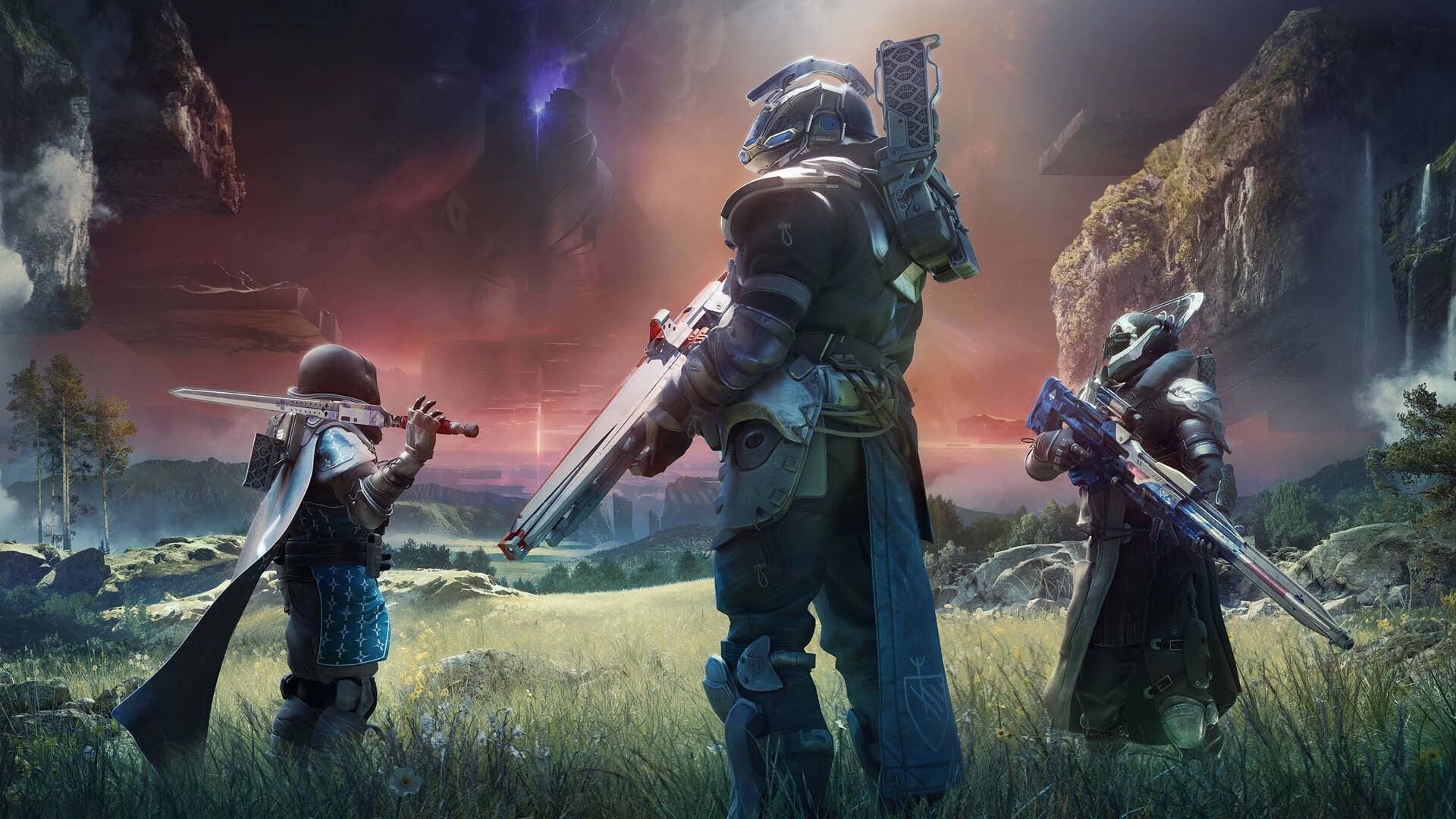

Destiny 2's unvaulted raids represent a major shift in how Bungie treats the game's history.
For years, the Destiny Content Vault allowed Bungie to remove older destinations, activities, campaigns, and other content to make the live game easier to maintain. Bungie has now announced that it is beginning work to bring previously vaulted campaigns, destinations, and raids back, with the restored content intended to become available to all Destiny 2 players.
The change is particularly important for raids because these activities are among the most recognizable pieces of Destiny's endgame.
This wiki covers the history of the vault, the return of classic raid environments, modern loot systems, and the technical work involved in restoring older content.
The Destiny Content Vault
The Destiny Content Vault, commonly called the DCV, was introduced during Destiny 2's fourth year.
Its purpose was to create a more sustainable game by cycling some destinations and activities out of Destiny 2 while making room for new experiences.
The system became one of the biggest structural changes in Destiny 2.
Entire destinations disappeared, while campaigns, strikes, quests and raids became inaccessible.
Bungie later changed its approach to expansions. Destiny 2 expansions were eventually removed from the regular vaulting cycle, while other types of seasonal and activity content continued to rotate out.
The latest restoration plan goes further by targeting previously vaulted campaigns, destinations and raids.
The Return of Classic Raid Environments
The return of vaulted raids isn't simply about making old missions playable again.
Bungie needs to update older experiences so they can work with the current version of Destiny 2.
That can involve changes to:
Lighting systems
Encounters
Combatants
Gameplay systems
Progression systems
Technical infrastructure
The goal is therefore closer to restoration and modernization than simply copying old content back into the game.
This distinction matters because Destiny 2 has changed dramatically since many of its earliest raids launched.
Enemy behavior, weapons, armor, abilities, progression and difficulty systems have all evolved.
A raid designed around an older version of the sandbox cannot necessarily return completely unchanged.
Classic Raids and Destiny's History
Raids occupy a unique position in Destiny's history.
They are built around coordinated fireteams, complicated mechanics and encounters that require players to communicate and divide responsibilities.
They also provide some of Destiny's most memorable weapons, armor and cosmetic rewards.
That makes their disappearance particularly significant.
A campaign can tell an important part of Destiny's story.
A raid can become a shared memory for an entire community.
Bringing these environments back therefore restores more than playable missions. It reconnects the current game with parts of Destiny 2's history that newer players previously could not experience.
Gameplay and Major Features
Restored Raid Environments: Previously vaulted raid locations are being prepared for a return to the modern Destiny 2 ecosystem.
Modernized Systems: Older content can require updates to lighting, encounters, enemies and underlying gameplay systems before returning.
Updated Loot: Returning raids can use modern weapon perks, armor systems and progression mechanics.
Featured Rotations: Destiny 2's modern raid structure includes featured activities that provide additional reasons to revisit older content.
Modern Difficulty: Classic content can be adapted to the current sandbox instead of remaining frozen in its original state.
Raid Loot Pools
Loot is one of the most important parts of the unvaulting discussion.
Destiny 2 has increasingly moved toward modernizing older rewards rather than allowing legacy gear to remain completely disconnected from the current sandbox.
Raid armor can use tiered rewards and set bonuses, while raid weapons can receive updated perk combinations and modern progression options.
This means a returning raid doesn't necessarily have to rely exclusively on its original reward structure.
A classic activity can retain its recognizable weapons and armor while gaining systems that make those rewards relevant to the current game.
Potential elements of the modern raid reward structure include:
Updated weapon perk pools
Tiered armor
Raid-specific armor bonuses
Enhanced weapons
Deepsight weapon opportunities
Adept rewards
Featured raid reward rotations
The result is a system where older raids can potentially serve both nostalgia and progression.
Technology and Storage Infrastructure
The technical side of unvaulting is arguably as important as the raids themselves.
The original Content Vault existed partly because Bungie wanted Destiny 2 to remain sustainable as its amount of content expanded.
Restoring vaulted material therefore requires Bungie to address the same fundamental problem from another direction:
How can Destiny 2 preserve more of its history without making the live game impossible to maintain?
Bungie has not provided a complete public technical breakdown of its storage infrastructure for the restoration effort.
What is clear is that older content requires technical work before returning to the modern game.
That can include bringing older environments and activities into compatibility with current lighting, encounter, combatant and gameplay systems.
The challenge isn't simply storage capacity.
It's also maintenance and compatibility.
A raid occupying space on a server is one thing.
A raid that must coexist with years of newer systems is another.
Destiny 2's Modern Raid Infrastructure
Destiny 2's current raid structure provides a framework for bringing older activities back into the endgame.
The game has dedicated navigation for raids and dungeons, while featured activities can receive additional reward opportunities.
Featured raids can encourage players to revisit specific activities rather than leaving them buried in a massive activity list.
This system could become increasingly important as more classic raids return.
Instead of existing as isolated legacy missions, restored raids can become part of the broader endgame ecosystem.
That gives Bungie more ways to keep the activities relevant.
Platforms and Availability
Destiny 2 is available on:
PlayStation 4
PlayStation 5
Xbox One
Xbox Series X|S
PC
The restored vaulted content is intended to become available to all Destiny 2 players.
However, Bungie has not yet announced the complete restoration schedule or a definitive list of every returning raid.
That means players should view the current unvaulting announcement as the beginning of the restoration process rather than the immediate return of every vaulted activity.
Why It Matters
The unvaulting effort matters because it changes the relationship between Destiny 2's present and its past.
For years, players had to accept that parts of Destiny's history could disappear when the live game changed.
Bungie's new direction moves toward a different model.
Rather than treating older content primarily as material that eventually needs to leave, the studio is now working toward preserving and restoring more of Destiny 2's historical experience.
It also gives newer players an opportunity to experience content that previously existed outside their reach.
The loot changes are equally important.
A raid returning with completely outdated rewards would have limited relevance to the current endgame. Updating weapons, armor and progression systems allows classic activities to participate in the modern reward economy.
That turns nostalgia into something functional.
What to Know at a Glance
| Detail | Information |
|---|---|
| Game | Destiny 2 |
| Developer | Bungie |
| Subject | Previously vaulted raids |
| Restoration | Announced September 2026 |
| Availability | Intended for all Destiny 2 players |
| Technical Work | Lighting, encounters, combatants and underlying systems |
| Loot | Updated perk pools, tiered rewards and modernized gear |
| Current Raid System | Dedicated raids and dungeons structure |
| Status | Restoration work beginning |
🎮 The Bottom Line
Destiny 2's unvaulted raids represent more than the return of old missions.
They are part of Bungie's attempt to preserve the game's history while adapting classic content to modern technical and reward systems.
The most important detail is that the restoration process has been announced, but the complete list and timetable for returning vaulted raids have not yet been revealed.
If the restoration succeeds, Destiny 2 could become a much more complete archive of its own history, one where old raids aren't simply memories of earlier years, but playable parts of the game's ongoing legacy.