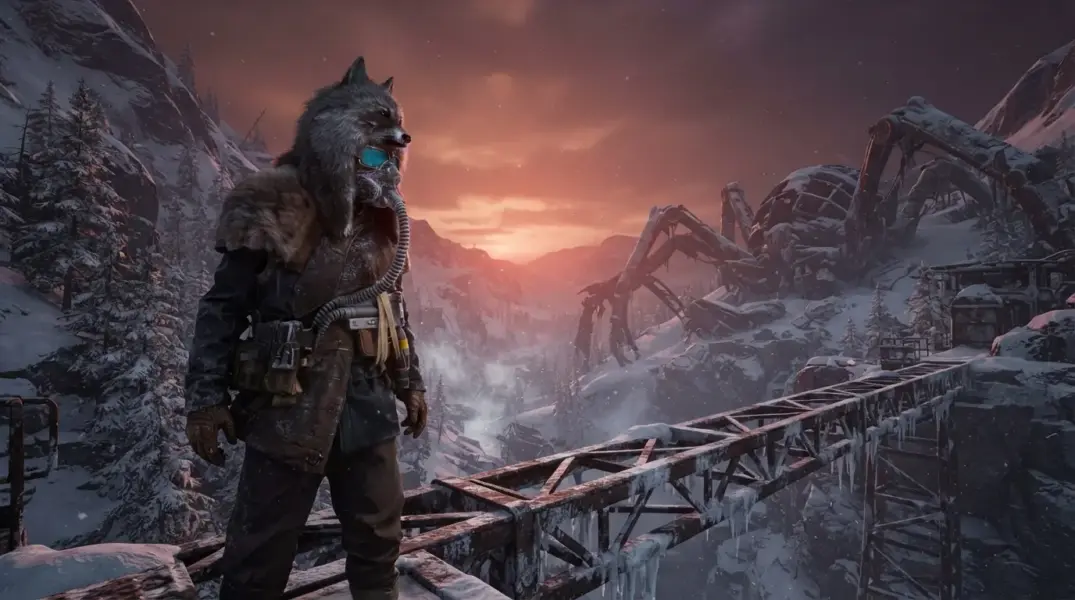

 ARC Raiders is built around extraction-shooter gameplay, but its upcoming Frozen Trail update is putting greater attention on cooperative play and the game's PvE side.
The October 8 update is expected to test how players work together against ARC machines and environmental threats while still dealing with the tension that comes from extraction-based gameplay.
That makes the update particularly interesting for players who enjoy the world and combat of ARC Raiders but want more opportunities to cooperate rather than constantly treating every other Raider as an enemy.
The key word is test.
Frozen Trail's cooperative extraction activities should be viewed as an experiment in how PvE-focused teamwork can fit inside ARC Raiders' existing extraction framework.
What Is ARC Raiders' PvE Mode?
ARC Raiders doesn't operate like a traditional standalone PvE campaign.
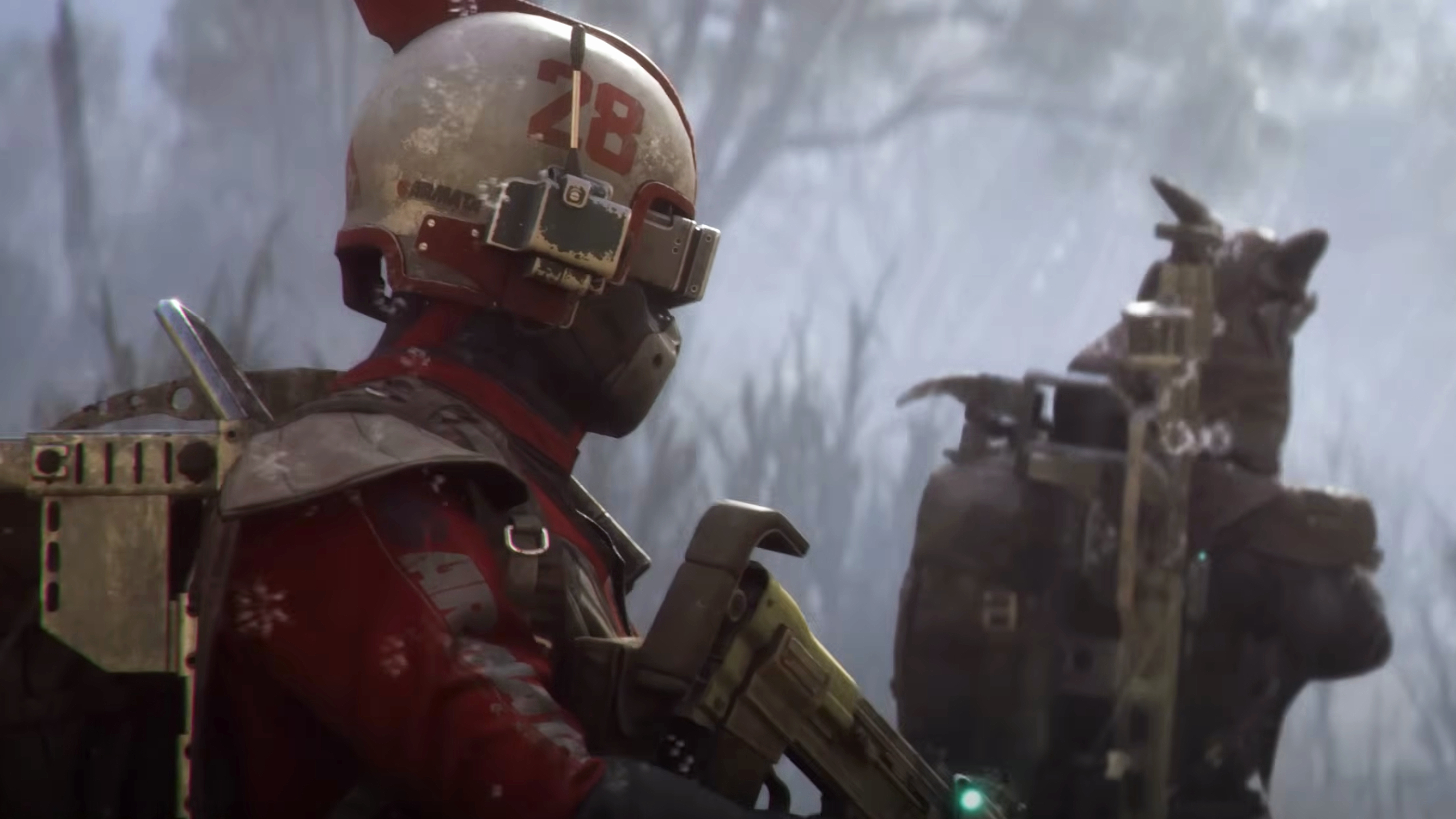
Its core experience revolves around entering dangerous surface zones, collecting valuable resources, fighting hostile ARC machines and other threats, and successfully extracting with whatever you manage to bring home.
That creates a natural PvE loop:
Deploy into the surface.
Search for valuable resources.
Fight or avoid ARC machines.
Manage your equipment and supplies.
Reach an extraction point.
Escape with your loot.
The danger comes from multiple directions.
ARC machines can attack.
The environment can create problems.
And other Raiders may have completely different plans for the same loot.
The Frozen Trail update focuses on testing what happens when cooperation becomes a more central part of that equation.
What Is the Frozen Trail Update?

Frozen Trail is the upcoming October 8 update focused on new gameplay opportunities surrounding cooperative extraction.
The update is particularly notable because it isn't simply another weapon or cosmetic addition.
Instead, the developers are testing a different way for players to experience ARC Raiders.
The idea is straightforward:
What happens when extraction gameplay is designed around cooperation rather than competition?
Players can expect the new tests to put greater emphasis on working together against the PvE threats found on the surface.
That could mean coordinating movement, sharing information, managing resources and deciding when to fight or avoid hostile machines.
Cooperative Extraction Tests
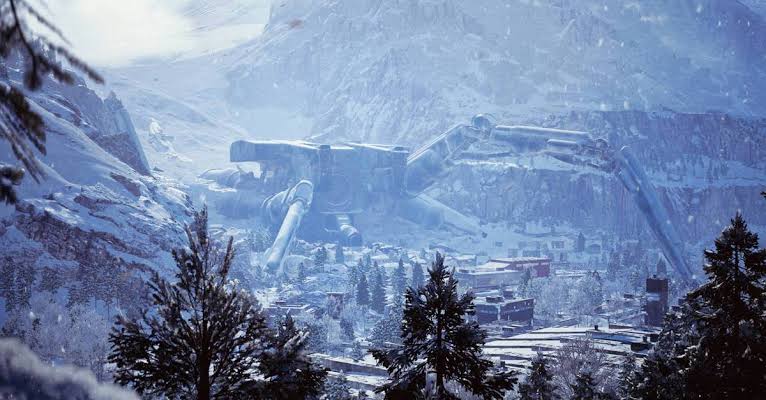
The centerpiece of the update is the introduction of cooperative extraction tests.
These tests are important because extraction shooters traditionally create tension around uncertainty.
You don't know what you'll encounter.
You don't know what other players are carrying.
And you don't necessarily know whether another Raider wants to cooperate or take your equipment.
A cooperative PvE test changes that relationship.
Instead of making other players the primary threat, the group can focus on surviving the environment and dealing with ARC machines.
That creates a very different type of extraction experience.
The basic idea
A cooperative run can revolve around:
Squad coordination
PvE combat
Resource collection
Strategic movement
Extraction planning
Survival
The objective remains more complicated than simply defeating every machine.
Sometimes the smartest decision is to avoid a fight entirely.
Why Cooperation Matters
ARC Raiders' world is designed around dangerous encounters.
ARC machines aren't just stationary targets waiting to be destroyed. They create pressure that can force players to move, hide, improvise and reconsider their route.
Cooperation can make those encounters more manageable.
One player can draw attention.
Another can search for resources.
A third can watch the surrounding area.
The important part is that everyone has a role.
That creates an experience very different from simply having three players independently playing the same match.
The strongest cooperative extraction teams should be the ones that communicate rather than simply shoot everything they see.
PvE Doesn't Mean Risk-Free
One of the biggest misconceptions about a PvE-focused extraction mode would be assuming that removing player-versus-player combat removes the tension.
It doesn't.
Extraction gameplay gets much of its tension from the possibility of losing what you've collected.
Even against AI enemies, players still have to decide:
Do we keep searching?
Do we head for extraction now?
Can we afford another fight?
Is that valuable item worth the risk?
These decisions are central to the genre.
A cooperative PvE environment can therefore preserve much of the psychological pressure of an extraction shooter without requiring players to constantly fight one another.
ARC Machines and the PvE Challenge
The ARC machines are the natural centerpiece of the PvE experience.
They provide different levels of danger and force players to adapt their tactics.
A small enemy can potentially be handled quickly.
A larger machine may require more preparation.
And attracting too much attention can create an entirely different problem.
This makes positioning important.
A coordinated team can decide when to engage, when to retreat and when to simply sneak through an area.
The best PvE strategy isn't necessarily kill everything.
It can be get what you came for and leave alive.
Extraction Is Still the Goal
The most important word in the genre remains extraction.
Finding valuable equipment is only half the job.
You have to get it out.
That creates a natural escalation throughout a match.
At the beginning, players may be willing to take bigger risks.
After finding something valuable, the calculation changes.
Suddenly, surviving becomes more important than exploring another building.
That tension becomes particularly interesting in cooperative play.
A team has to agree on when the run is over.
One player might want to keep searching.
Another might argue that the group already has enough.
A third might know that the extraction route is becoming dangerous.
The argument over when to leave can be just as important as the fight itself.
What Makes the Frozen Trail Tests Different?
The biggest difference is the emphasis.
Traditional ARC Raiders gameplay can involve PvPvE encounters, meaning players have to worry about both human opponents and ARC machines.
The cooperative tests shift more attention toward player-versus-environment teamwork.
That allows players to focus on different skills:
Communication
Team positioning
Resource management
Enemy awareness
Route planning
Extraction timing
It also gives Embark a chance to observe how players behave when cooperation becomes a more important part of the experience.
That feedback could influence future PvE-focused content.
Who Is the PvE Mode For?
The cooperative tests could appeal to several different types of ARC Raiders players.
Players Who Enjoy Co-op
If you prefer playing with friends rather than fighting other players, the new tests provide a more natural environment for coordinated squads.
Extraction-Shoter Beginners
Players unfamiliar with PvPvE games may find a cooperative environment easier to understand while learning movement, loot and extraction mechanics.
PvE Fans
Players who enjoy fighting AI enemies can focus more heavily on the ARC threat without making every encounter about another player's inventory.
Existing Raiders
Experienced players can use the tests to experiment with different weapons, strategies and squad compositions.
PvE vs. PvPvE
| Feature | PvE Cooperative Tests | Standard PvPvE |
|---|---|---|
| Human enemies | Reduced/limited focus | Major threat |
| ARC machines | Central threat | Central threat |
| Teamwork | Core focus | Important |
| Extraction | Central objective | Central objective |
| Resource management | Important | Important |
| Player conflict | Reduced | Possible throughout |
| Communication | Highly valuable | Highly valuable |
The important thing is that PvE doesn't necessarily replace the existing ARC Raiders formula.
Instead, the cooperative tests can provide another way to experience it.
Why the October 8 Update Matters
Frozen Trail is significant because it explores one of the biggest questions facing extraction games:
Can you maintain the tension of extraction without making other players the main source of danger?
If the answer is yes, cooperative PvE could become an important part of ARC Raiders' future.
It could give players another reason to return even when they aren't interested in competitive encounters.
It could also make the game more accessible to players who enjoy the world, combat and looting systems but aren't particularly interested in PvP.
Most importantly, the tests give Embark an opportunity to see what players actually enjoy.
What Happens Next?
The October 8 update should provide the first meaningful look at how cooperative extraction works in practice.
Players should pay attention to:
How the cooperative tests are structured
What ARC enemies appear
How extraction objectives work
Whether difficulty scales with squad size
How rewards are handled
Whether the tests become a permanent feature
What Embark learns from player feedback
The last point could be the most important.
A test doesn't necessarily guarantee a permanent mode.
The purpose is to gather information.
If players embrace cooperative extraction, Embark could have a foundation for expanding ARC Raiders' PvE experience in the future.
🎮 The Bottom Line
ARC Raiders has always been about risk.
You enter the surface.
You find valuable equipment.
You survive the machines.
Then you try to make it home.
The Frozen Trail update adds an intriguing variation to that formula by testing more cooperative extraction experiences.
Instead of asking players to constantly worry about the Raider next to them, the new tests put greater emphasis on teamwork, PvE combat, resource management and the decision of when to extract.
And that's what makes October 8 worth watching.
The biggest question isn't whether players can survive the ARC machines.
It's whether cooperative extraction can deliver the same tension without another player pulling the trigger.
Would you prefer ARC Raiders to expand its cooperative PvE options, or do you think the PvPvE format is what makes the game special?