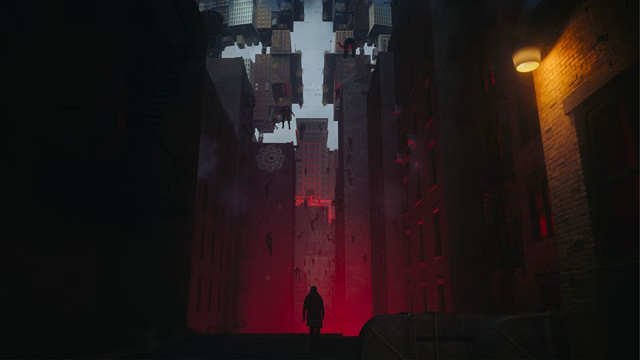

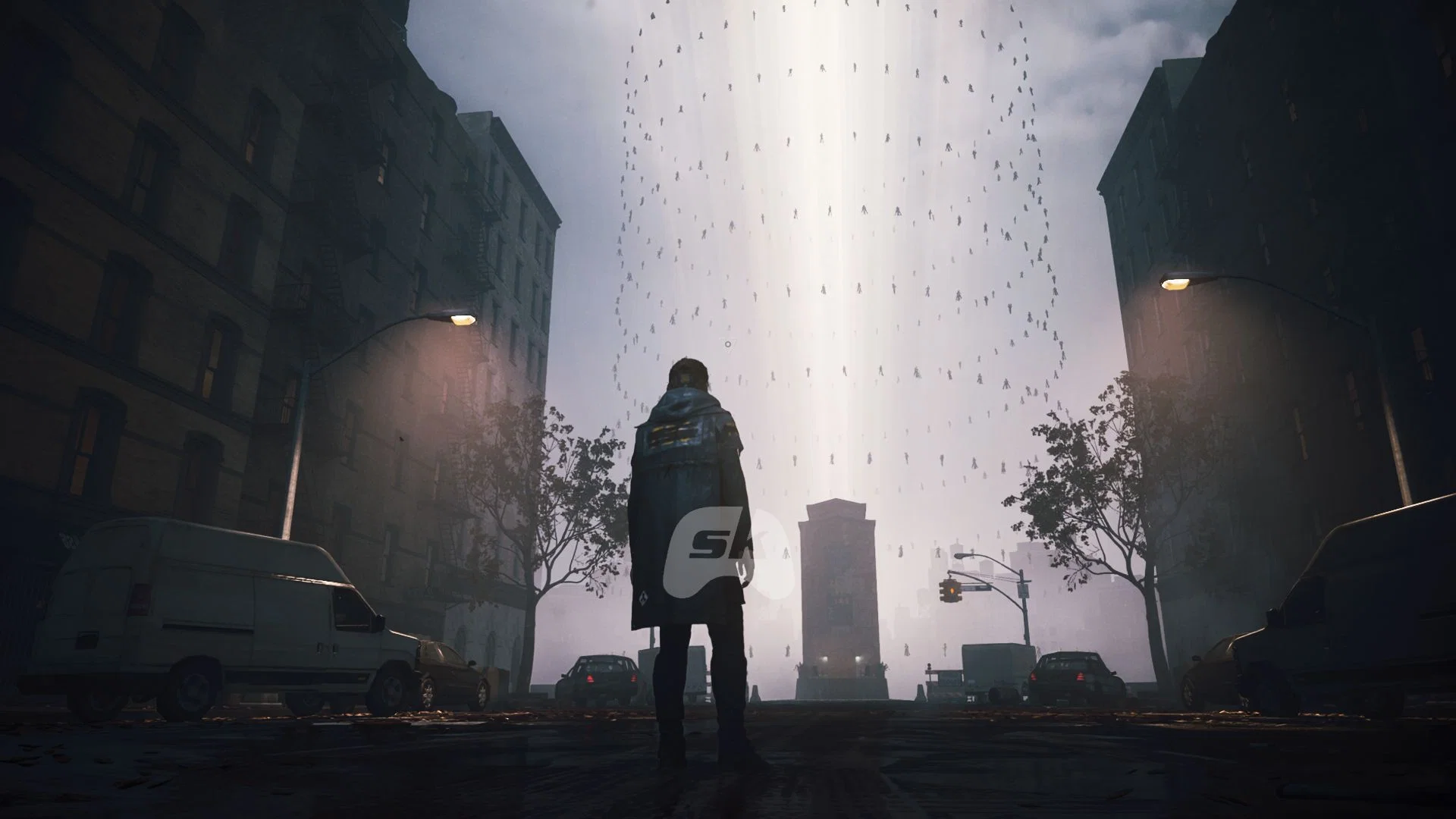
AMD's Control Resonant crash fix refers to a Radeon driver update designed to address serious performance and stability problems reported by players of Control Resonant.
The update focuses on issues including sudden FPS drops, stuttering, crashes, and other graphical problems that can affect Radeon GPU users while playing the new Remedy Entertainment title.
For affected players, the driver update is important because graphics drivers can directly influence game performance, rendering stability, shader behavior, and compatibility with newly released PC games.
This wiki covers the AMD update, the problems it addresses, affected Radeon hardware, installation, and the technology behind the fix.
Story / Overview / Main Topic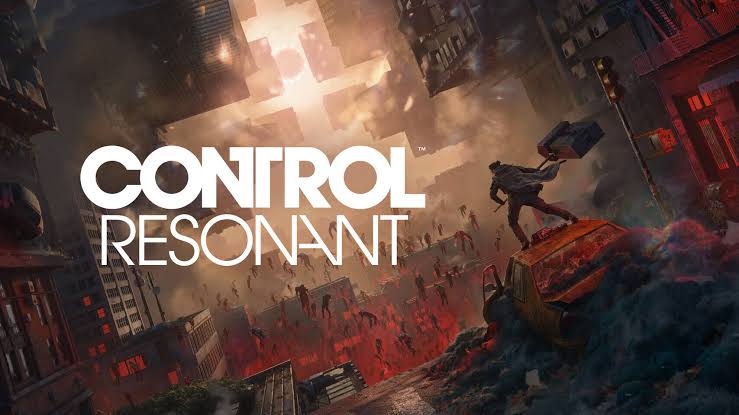
Control Resonant is a new action game from Remedy Entertainment and a follow-up to the studio's supernatural Control universe.
As with many major PC releases, launch-period driver compatibility can become an important part of the experience. New games can introduce rendering techniques, shader workloads, and graphics features that require specific optimizations from GPU manufacturers.
AMD's driver update is intended to address problems experienced by Radeon users rather than changing the game itself.
The reported issues include:
Severe FPS drops
Performance instability
Stuttering
Game crashes
Graphical or rendering problems
Reduced performance on some Radeon configurations
The driver update therefore serves as a compatibility and stability patch for AMD hardware.
Setting / Background
Control Resonant continues Remedy's emphasis on cinematic environments, supernatural abilities, destructible elements, and detailed visual effects.
These features can create demanding workloads for modern GPUs.
Graphics drivers sit between the operating system, GPU hardware, and game engine. When a newly released game exposes a driver-level compatibility issue, the GPU manufacturer can release a software update without requiring users to replace their hardware.
AMD's Radeon Software ecosystem provides these driver updates, allowing optimizations and fixes to be distributed across supported Radeon graphics cards.
Characters / Key People
AMD
AMD develops Radeon graphics hardware and its associated drivers.
For Control Resonant, AMD's role is focused on ensuring that compatible Radeon GPUs can properly render the game and maintain expected performance and stability.
Remedy Entertainment
Remedy Entertainment is the developer behind Control Resonant.
The studio's game technology creates the rendering workloads that AMD's Radeon driver must support. Game updates and graphics-driver updates can therefore work together when addressing launch-period PC problems.
Radeon Software Team
AMD's Radeon software and driver teams develop the Windows software stack responsible for communication between Radeon GPUs and games.
Driver updates can contain game-specific optimizations, compatibility improvements, bug fixes, and performance changes.
Gameplay / Features / Major Details
FPS Drop Fix: The update targets severe performance reductions that can occur during gameplay on affected Radeon systems.
Crash Fixes: Driver-level changes are intended to improve stability and reduce game crashes.
Improved Compatibility: The update provides Radeon-specific compatibility improvements for the new Remedy title.
Rendering Stability: Driver changes can address problems involving graphical workloads, shaders, memory management, or other rendering operations.
Game-Specific Optimization: AMD can include profiles and optimizations designed specifically for newly released games.
Radeon Support: The update is intended for compatible Radeon graphics hardware using supported AMD driver packages.
The Control Resonant Performance Problem
The most significant issue behind the update is the combination of performance degradation and instability.
Some players can experience large frame-rate reductions rather than simply minor launch-day stuttering. In severe cases, performance problems can be accompanied by crashes.
FPS drops can have several potential causes, including:
GPU driver compatibility
Shader compilation
GPU memory management
Rendering bugs
Game-engine issues
Graphics settings
Background software
Hardware-specific behavior
A driver update cannot necessarily eliminate every performance problem. However, when a problem originates in the interaction between a game and the graphics driver, updating the driver can provide a direct solution.
Technology / Development
AMD Radeon drivers provide the software layer that allows Windows games to communicate with Radeon GPUs.
Modern PC games can rely on graphics APIs and technologies such as DirectX 12, hardware-accelerated ray tracing, shader compilation, variable-rate rendering, upscaling, and advanced memory management.
A driver update can modify how these workloads are handled without changing the physical GPU.
Why Drivers Can Cause FPS Problems
A game may perform differently depending on the specific driver version installed.
A driver can influence:
Shader compilation
GPU scheduling
Memory allocation
Rendering commands
Frame pacing
Power management
Ray-tracing workloads
Game-specific optimizations
A new driver can therefore resolve a problem without requiring a new version of the game.
Crashes and Driver Stability
Game crashes can occur when an application encounters an unexpected condition in the rendering pipeline.
Driver updates can address known compatibility problems by changing how specific rendering operations are handled.
Players should distinguish between a game crash and a complete GPU driver timeout or system-level graphics failure, as these can involve different underlying problems.
How to Install the AMD Fix
Players experiencing Control Resonant problems should install the latest compatible Radeon driver through AMD's official driver distribution system.
A typical update process involves:
Close the game and other graphics-intensive applications.
Open AMD's Radeon software.
Check for available driver updates.
Download the latest supported driver.
Install the update.
Restart the PC if requested.
Launch Control Resonant again and check performance.
Players who already have the latest driver do not need to repeatedly reinstall it unless troubleshooting requires a clean installation.
Troubles experiences severe FPS drops or crashes on a particular GPU platform, players can face performance problems even when their hardware meetshooting After the Update
If FPS drops or crashes continue after installing the driver, players can check additional settings.
Potential troubleshooting steps include:
Restarting the PC after the driver installation
Verifying the game's installed files
Updating Control Resonant to its latest version
Resetting graphics settings
Testing with ray tracing disabled
Checking GPU temperatures
Closing unnecessary background applications
Monitoring GPU and VRAM usage
Removing unstable GPU overclocks or undervolts
A driver update should not be treated as a guarantee that every PC configuration will perform identically.
Platforms and Availability
The driver fix applies to PC players using supported AMD Radeon graphics hardware.
Game: Control Resonant
Developer: Remedy Entertainment
Hardware: Supported AMD Radeon GPUs
Operating system: Windows PC
Driver platform: AMD Radeon Software
Update type: Graphics driver
Purpose: Performance and stability improvements
Console players are not affected by a Radeon PC driver because console graphics drivers are distributed and managed as part of the console's system software.
Why It Matters
The update matters because graphics drivers can have a substantial effect on the launch experience of demanding PC games.
When a major new title experiences severe FPS drops or crashes on a particular GPU platform, players can face performance problems even when their hardware meets or exceeds the game's recommended specifications.
A targeted AMD driver update provides a software-level solution without requiring players to replace their graphics hardware.
The situation also highlights why keeping GPU drivers updated is particularly important around major game launches. GPU manufacturers frequently release drivers containing game-specific fixes and optimizations.
For Control Resonant players using Radeon hardware, the update can therefore be an important first troubleshooting step when encountering unexplained performance or stability problems.
🎮 The Bottom Line
AMD's Control Resonant crash fix is a Radeon driver update aimed at improving performance and stability for PC players experiencing serious problems with Remedy's new game.
The update focuses on issues such as FPS drops, stuttering, rendering problems, and crashes, giving affected Radeon users a software-based troubleshooting option.
Players should install the latest compatible AMD driver and restart their systems before testing the game again. If problems remain, additional game settings and system troubleshooting may be necessary.