
The Apple “iPhone Duo” Sticker Shock: Why the $2,000 Foldable Actually Makes Sense
Apple has finally entered the foldable smartphone market, and it has done so in the most Apple way possible: with a premium design, a carefully controlled software experience, and a price that immediately dominates the conversation.
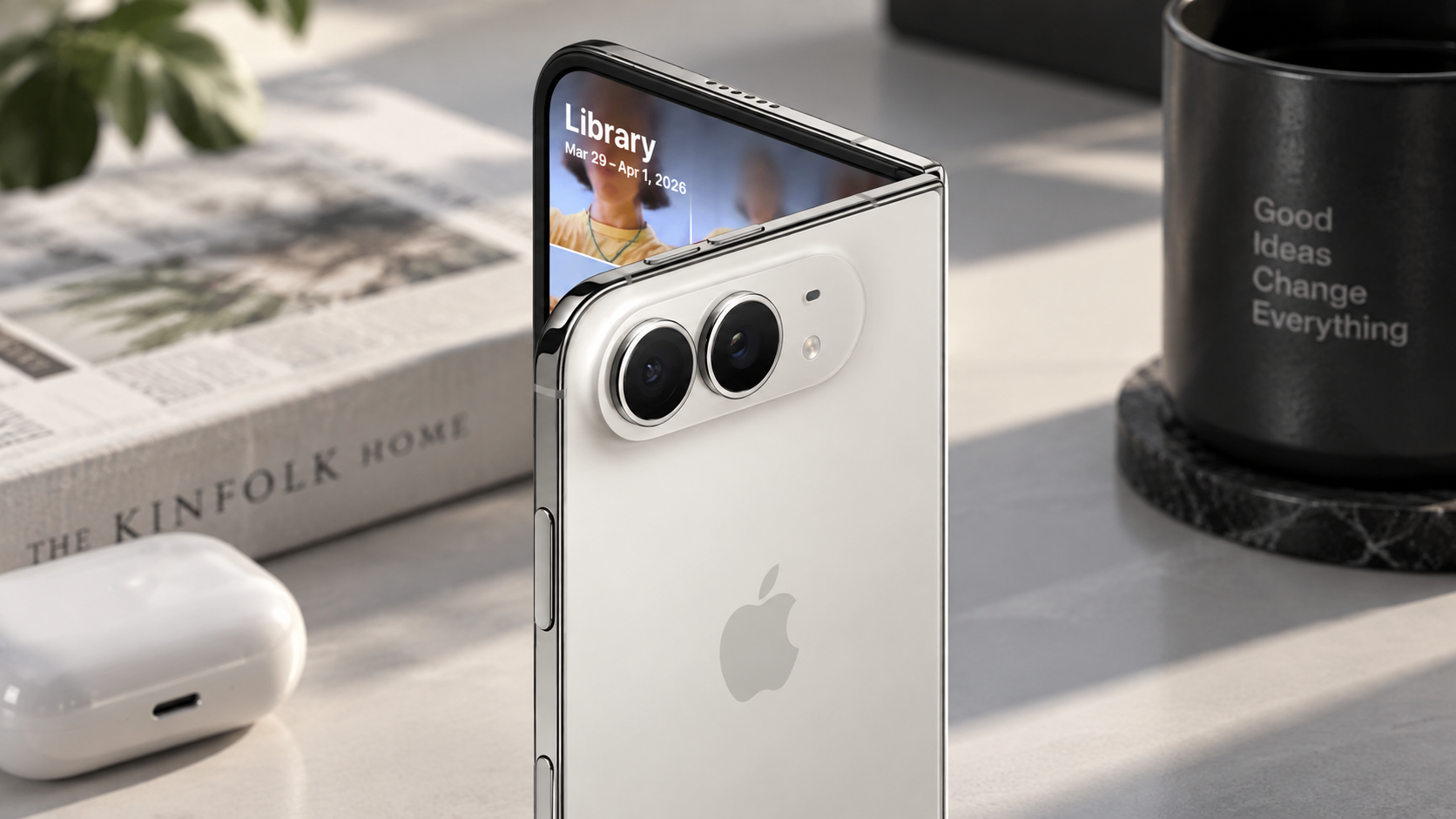
The new Apple iPhone Duo starts at $1,999 in the United States. The highest-storage version reaches $3,199, placing it firmly in luxury-tech territory rather than the mainstream smartphone market. Apple has confirmed that the device opens into a 7.6-inch display, uses the A20 Pro chip, and combines a compact outer screen with a larger inner screen for multitasking, gaming, and media consumption.
At first glance, the price looks difficult to defend.
A traditional flagship phone can cost hundreds of dollars less. Some competing foldables already offer large displays, powerful processors, and advanced cameras without reaching Apple’s most expensive pricing tier.
But the iPhone Duo is not simply a larger iPhone. It is Apple’s attempt to combine a smartphone, a mini tablet, a mobile productivity device, and a premium status product into one piece of hardware.
That does not automatically make it worth $2,000 for everyone. It does, however, make the pricing strategy easier to understand.
────────────────────────────────────────
────────────────────────────────────────
Apple iPhone Duo: What You Actually Get
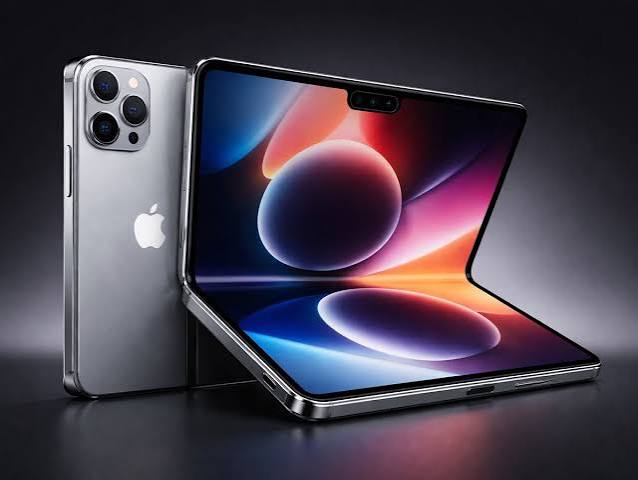
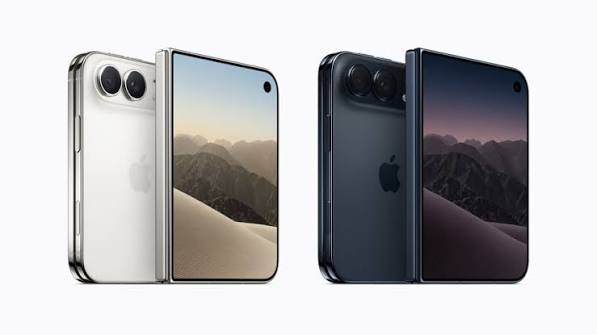
The iPhone Duo uses a book-style folding design. When closed, it has a 5.4-inch outer display designed for everyday phone tasks. When opened, the device reveals a 7.6-inch inner display that provides considerably more room for apps, video, games, documents, and multitasking.
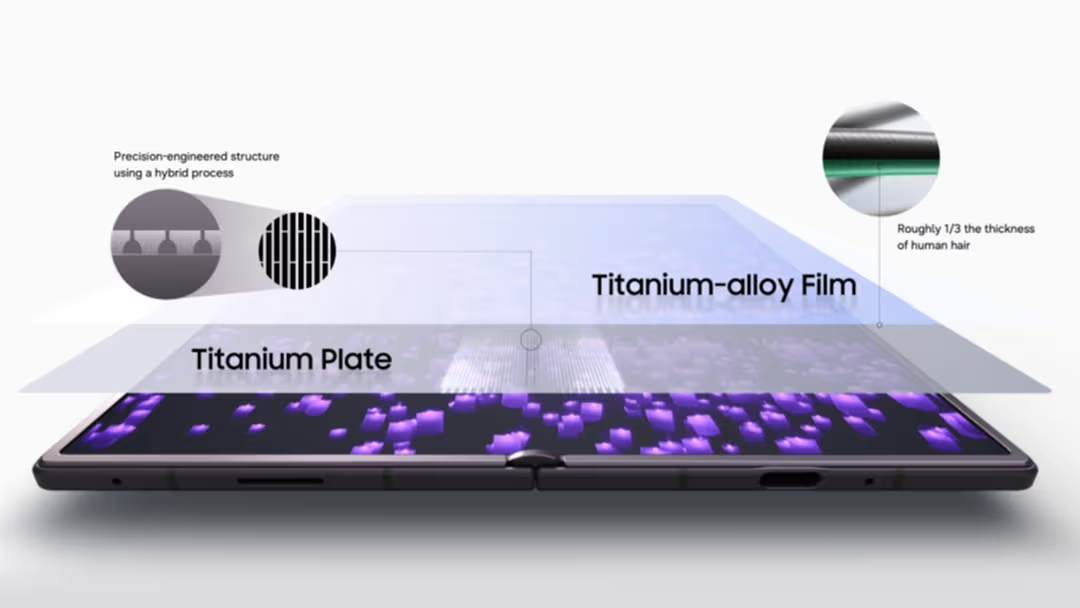
Apple is also positioning the device as its thinnest iPhone ever when unfolded. The body uses grade 5 titanium, while the inner display includes a nano-texture finish designed to reduce glare and make the crease less noticeable during normal use.
The main hardware highlights include:
Feature | Apple iPhone Duo |
|---|---|
Starting price | $1,999 in the United States |
Inner display | 7.6-inch foldable display |
Outer display | 5.4-inch display |
Processor | Apple A20 Pro |
Frame | Grade 5 titanium |
Storage options | From 256GB, up to 2TB |
Software | iOS 27 |
Stylus support | Apple Pencil Pro compatibility |
Launch availability | October 23, 2026 |
Colours | Star White and Night Sky |
The device is not trying to win through one specification alone. Its appeal comes from how these components work together.
A large display is useful. A powerful chip is useful. A premium hinge is useful. But the real question is whether the software makes the combination feel natural instead of simply expensive.
────────────────────────────────────────
Why the $1,999 Price Is Not Completely Random
Foldable phones are more expensive to manufacture than conventional smartphones because they require additional engineering.
The display must bend repeatedly without failing. The hinge must remain smooth while protecting the internal components. The chassis needs to be thin enough to fold comfortably but strong enough to survive daily use. The device also needs to manage heat and battery capacity inside a more complicated body.
Apple says the iPhone Duo uses a custom vapor chamber and a dual-battery architecture to support performance and battery life within its folding design.
That does not prove that every dollar of the price is justified. It does explain why a foldable phone cannot be priced like a standard slab-shaped iPhone.
There is also an Apple-specific cost factor: the company is selling a first-generation product in a category where it has no established volume advantage.
Samsung, Google, Huawei, Xiaomi, and other manufacturers have already spent years developing foldable hardware. Apple is entering later, which means its first device must compete on refinement, software integration, brand confidence, and perceived reliability.
The premium is partly the cost of the hardware. It is also the cost of entering a new product category while maintaining Apple’s margins and design standards.
────────────────────────────────────────
The Real Value Is the Larger Screen
The strongest argument for the iPhone Duo is not that it folds. It is that it gives users more usable screen space without requiring them to carry a separate tablet.
The 7.6-inch inner display is large enough to make certain tasks more comfortable:
Reading long documents
Editing photos and videos
Watching films and sports
Managing email and calendars
Comparing documents
Using two apps side by side
Playing games with a larger visual field
Reviewing spreadsheets and presentations
Using AI tools while keeping another app open
Apple demonstrated the Duo running apps such as Zoom, Slack, and Netflix on the expanded display. The company is also presenting the device as a more capable personal AI hub, with Apple Intelligence and Siri AI integrated into the iOS 27 experience.
This is where the phone starts to make more sense financially.
Someone who already carries an iPhone and an iPad may not need a foldable. But a user who wants one device for communication, entertainment, travel, and lightweight productivity may see the Duo differently.
The question is not simply, “Is this phone worth $2,000?”
The better question is, “Could this replace another device that I would otherwise carry?”
────────────────────────────────────────
────────────────────────────────────────
Why Apple’s Ecosystem Matters
A foldable phone from an unfamiliar manufacturer may offer excellent hardware, but Apple is selling something broader than hardware.
The iPhone Duo sits inside the same ecosystem as the iPhone, Mac, iPad, Apple Watch, AirPods, iCloud, Apple services, and the App Store. For existing Apple users, that familiarity reduces the friction of switching to a new form factor.
Messages, photos, passwords, files, notifications, and other services can remain connected across devices. The user does not have to learn an entirely new operating system or rebuild their digital life around a different platform.
That ecosystem advantage is difficult to measure on a specification sheet.
It is also one reason Apple can charge more than a competitor with similar hardware. The company is not only selling a display and hinge. It is selling continuity.
For someone already invested in Apple products, the Duo may feel less like buying a completely new device and more like upgrading the central screen through which they access everything else.
────────────────────────────────────────
The iPhone Duo Is Not Perfect
The high price makes every compromise more noticeable.
Reports and early reviews have highlighted questions around the Duo’s camera system, biometric hardware, and the features it does not include compared with the iPhone 18 Pro. The Duo reportedly uses Touch ID rather than Face ID and does not offer the same triple-camera configuration found on Apple’s top conventional flagship.
That creates a difficult comparison.
A buyer spending $1,999 may reasonably expect the foldable to outperform the cheaper iPhone 18 Pro in every category. But Apple appears to be making a different trade-off. The Duo prioritises its folding display, thin design, portability, and new form factor over simply including every camera and sensor available.
This is similar to the way early versions of other first-generation Apple products have been positioned. The product may introduce a new experience while making compromises that are less obvious on a traditional flagship.
The Duo’s biggest weakness is therefore not necessarily the price. It is the possibility that buyers will expect it to be both a revolutionary foldable and the absolute best iPhone in every conventional category.
It may not be designed to do both.
────────────────────────────────────────
Foldable Durability Is Still the Biggest Question
The most important long-term issue is durability.
A conventional smartphone has a fixed display. A foldable phone introduces a moving hinge and a flexible internal panel, creating more potential points of failure.
Apple says the Duo uses a precision hinge and a redesigned internal structure intended to provide a smooth and durable folding experience.
Still, durability cannot be judged entirely during a launch event.
The real test will involve months and years of use:
Repeated opening and closing
Dust and debris exposure
Pocket pressure
Accidental drops
Screen protector wear
Hinge movement
Battery ageing
Repairs and replacement costs
A $2,000 phone that remains reliable for four or five years may be easier to justify than a cheaper foldable that requires expensive repairs. But that conclusion cannot be proven until the device has been used extensively by ordinary customers.
For now, durability is the biggest unanswered part of the iPhone Duo’s value proposition.
────────────────────────────────────────
────────────────────────────────────────
Who Should Actually Buy the iPhone Duo?
The iPhone Duo is not a sensible purchase for every iPhone owner.
A standard iPhone 18 Pro will likely remain the better choice for users who prioritise traditional smartphone ergonomics, advanced camera flexibility, lower cost, and a simpler design.
The Duo makes more sense for a narrower audience.
The ideal buyer may be someone who:
Wants a large screen without carrying a tablet
Frequently multitasks on a phone
Watches a lot of video content
Travels regularly
Uses Apple devices across work and personal life
Values industrial design and premium materials
Wants to experiment with a new form factor
Is comfortable paying for first-generation technology
For these users, the Duo may offer something that a conventional iPhone cannot replicate.
For everyone else, the $1,999 price may be difficult to defend.
────────────────────────────────────────
The Financial Breakdown
The iPhone Duo’s cost becomes easier to understand when viewed as a combination of products rather than a single phone.
Purchase | Approximate Role |
|---|---|
Premium smartphone | Communication, photography, apps |
Compact tablet | Reading, video, multitasking |
Mobile productivity device | Email, documents, meetings |
Premium design product | Materials, thinness, engineering |
Apple ecosystem access | Continuity across devices and services |
This does not mean the Duo literally replaces a laptop or a full-sized iPad. Its software, screen size, battery capacity, and ergonomics will still impose limits.
However, it could reduce the need to carry a second screen for certain users.
That is the central financial argument. The Duo is expensive because it is trying to occupy more than one category at once.
The problem is that most consumers do not calculate value this way. They compare the Duo with the price of a normal phone, see a difference of several hundred dollars, and ask why the extra cost is necessary.
Apple’s challenge is to make the benefits feel useful every day rather than impressive only during a product demonstration.
────────────────────────────────────────
Is the iPhone Duo a Status Symbol?
There is no avoiding the luxury element.
A $1,999 starting price places the iPhone Duo beyond the budget of many mainstream buyers. The $3,199 top configuration moves it even further into premium territory.
Apple’s brand identity makes that positioning possible. The device is likely to attract early adopters, collectors, professionals, and customers who want the newest product regardless of price.
But the Duo cannot succeed only as a status symbol.
Foldables have been available from other manufacturers for years, and consumers now expect more than a dramatic launch presentation. They want better battery life, reliable hinges, strong cameras, useful software, and a reason to keep using the device after the novelty disappears.
Apple’s advantage is that it can make foldables more familiar to a much larger audience. Its challenge is proving that the Duo is a practical tool rather than an expensive conversation starter.
────────────────────────────────────────
The Bigger Impact on the Foldable Market
Apple’s entry could make foldable phones more mainstream, even if the Duo itself remains a niche product.
Many consumers who ignored foldables may now begin considering them because Apple has entered the category. Developers may also have more incentive to optimise apps for larger, folding displays. Accessory makers, carriers, and retailers could give the category greater visibility.
The foldable market remains small compared with conventional smartphones. Analysts cited by Reuters expect foldables to remain a niche category, with global penetration staying below 3% even after Apple’s entry.
That makes the Duo strategically important.
Apple does not need every iPhone owner to buy a foldable immediately. It may only need to establish the category, refine the experience, and build a customer base that grows over several generations.
The first iPhone Duo could be less about mass adoption and more about defining what Apple believes a foldable phone should be.
────────────────────────────────────────
Final Verdict
The Apple iPhone Duo’s $1,999 price is undeniably high. It is more expensive than a conventional flagship, and its premium does not guarantee that it will outperform the iPhone 18 Pro in every category.
But the price is not completely irrational.
Apple is combining a 7.6-inch folding display, a compact outer screen, A20 Pro performance, a titanium body, specialised thermal management, iOS 27, Apple Intelligence, and deep ecosystem integration in one device.
For buyers who want a phone and a small tablet in the same package, the Duo may offer genuine value. For users who mainly want excellent cameras, long battery life, and a familiar smartphone design, a conventional iPhone will probably remain the smarter purchase.
The iPhone Duo is not a product for everyone.
It is a premium bet on the idea that people will pay more for a device that changes how they use a phone. Whether that bet succeeds will depend less on the launch-day excitement and more on how useful, durable, and natural the folding experience becomes after the novelty wears off.

────────────────────────────────────────
Internal Links
The 2026 GPU Arms Race: Why Your Graphics Card Might Not Matter as Much Anymore
PCIe 5 and DirectStorage: Will They Finally Fix Open-World Stutter?
────────────────────────────────────────