
Apple’s “Beats” Game Controllers: The Tech Giant’s Next Big Gaming Push
Apple may be preparing to make its biggest move into physical gaming hardware in years.
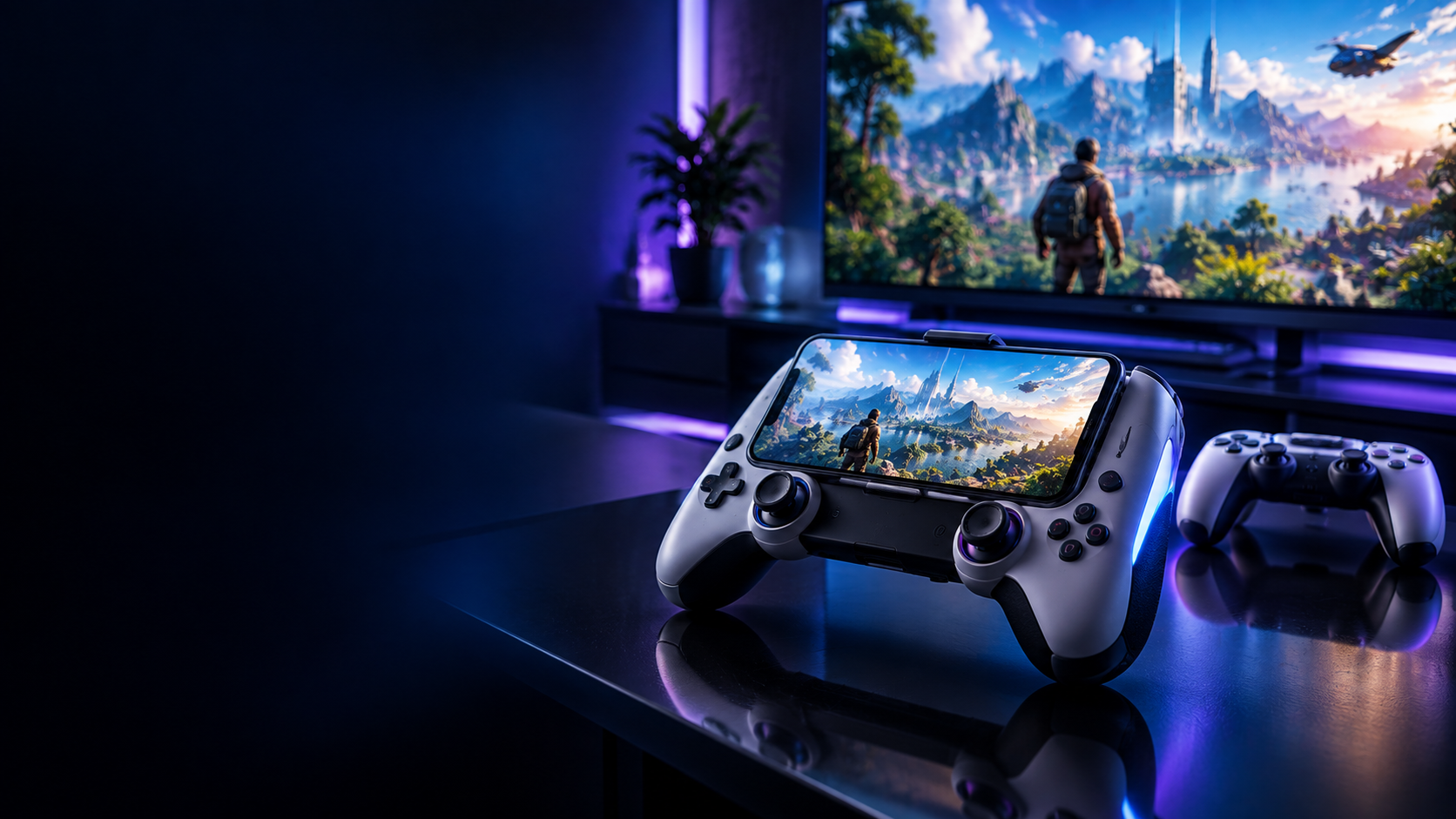
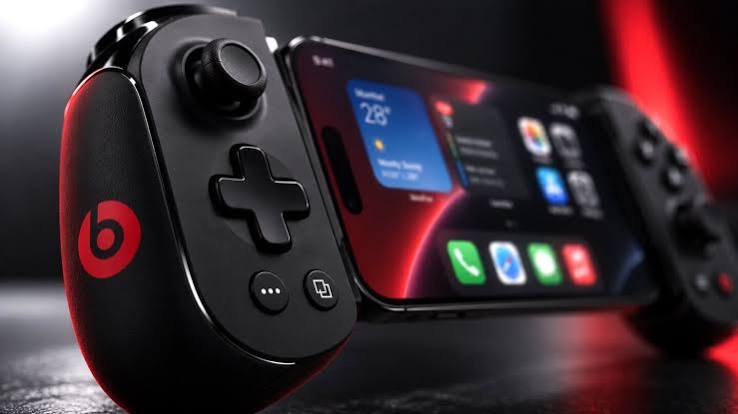
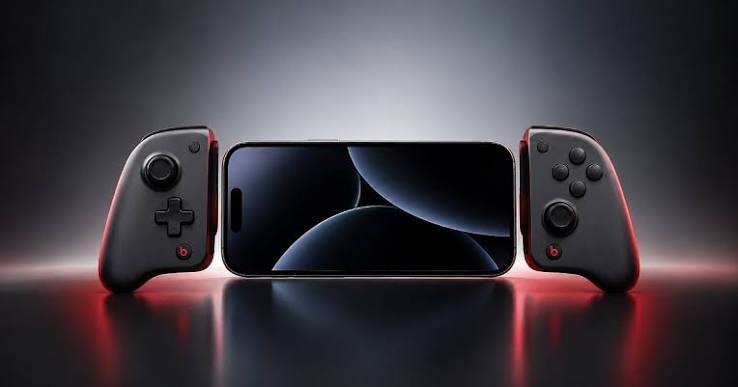
According to reports from Bloomberg’s Mark Gurman and details discovered in macOS 26.7 software code, Apple is developing two new game controllers designed primarily for the iPhone. The accessories could eventually launch under the Beats brand rather than Apple’s main name.
The reported project is still unconfirmed. Apple has not announced the controllers, revealed their final designs, confirmed pricing, or provided a release date. However, the appearance of two separate controller profiles in Apple software suggests that the company has been testing more than a simple concept.
If the products reach the market, they could become an important part of Apple’s wider gaming strategy, particularly as Apple Arcade and high-end iPhone gaming continue to expand.
────────────────────────────────────────
Two Controllers Have Reportedly Appeared in Apple Software
The two unreleased devices are identified by the model numbers T6502 and T1057.
The references were discovered in a macOS 26.7 release candidate and reportedly included support for familiar gamepad controls such as:
Dual thumbsticks
A directional pad
Shoulder buttons
Analog triggers
Home and Menu buttons
Haptic feedback
The two devices appear to have different feature sets. One controller reportedly includes motion-sensing hardware, while the other appears to focus on more conventional controls.
The T1057 model is associated with an accelerometer and gyroscope, which could allow players to steer, aim, or interact with games through physical movement. The T6502 appears to be a more traditional controller design without the same motion-sensing capabilities.
These details do not confirm the final retail specifications. They only show that Apple’s software has included support for hardware matching these profiles.
What Could Make the Beats Branding Important?
The most surprising part of the report is not the controller hardware itself. It is the possibility that Apple could sell the accessories under the Beats name.
Beats is best known for headphones, earbuds, and speakers. The brand has a younger, more lifestyle-focused identity than Apple’s traditional hardware lineup. Using Beats could allow Apple to experiment with gaming accessories without positioning them as another premium Apple-branded product.
The branding could also give Apple more freedom with:
Colourful designs
More affordable materials
Lower pricing
More expressive styling
Broader compatibility
A stronger connection with younger mobile gamers
Apple has already used Beats for products that sit slightly outside its main hardware identity. A gaming controller could extend that strategy into a new category.
However, Beats branding does not automatically mean the controllers will be inexpensive. Apple has not revealed the expected price range, and there is no confirmed information about the materials or final design.
────────────────────────────────────────
Why Apple Arcade Could Be the Main Reason
Apple already has a gaming subscription service, a large installed iPhone user base, powerful mobile processors, and support for third-party controllers. What it lacks is a first-party controller that connects those parts of the ecosystem under one hardware strategy.
A dedicated controller could make Apple Arcade more attractive to users who prefer physical controls over touchscreens.
Touch controls work well for puzzle games, strategy titles, card games, and casual experiences. They are less comfortable for games that require precise aiming, analogue movement, complex combat, or extended play sessions.
A proper controller could improve the experience of:
- Racing games
- Action adventures
- Platformers
- Sports games
- Fighting games
- Cloud gaming services
- Console-quality iPhone releases
- Apple Arcade titles designed around physical controls
Apple Arcade already supports games across the iPhone, iPad, Mac, and Apple TV. A first-party controller could make it easier for players to move between those devices without relying on accessories from another company.
The Apple TV 4K Connection
The controllers may also be useful beyond the iPhone.
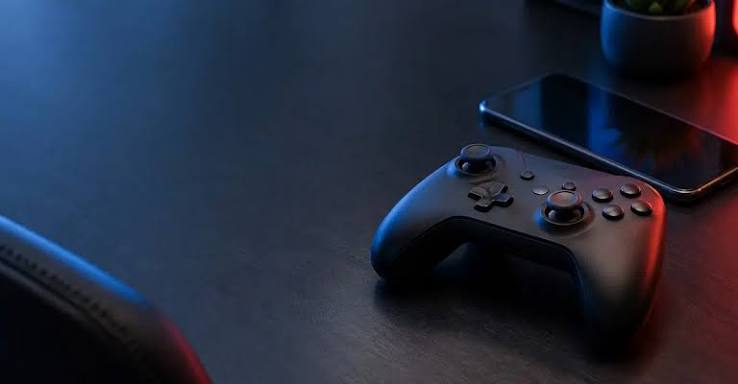
Apple TV 4K supports games and can be used with compatible wireless controllers. However, many users may not immediately associate Apple’s set-top box with traditional console gaming.
A first-party controller could help Apple position Apple TV as a more complete living-room gaming device.
The potential ecosystem could look like this:
Device | Possible role |
|---|---|
iPhone | Portable gaming with physical controls |
iPad | Larger-screen mobile gaming |
Mac | Desktop gaming and Apple Arcade titles |
Apple TV 4K | Living-room gaming |
Beats controller | Shared input device across supported hardware |
The biggest advantage would be convenience. A player could begin a game on an iPhone, continue on an iPad, and then use the same controller with a television setup.
That experience would depend on reliable pairing, consistent button mapping, and broad developer support. Apple has not confirmed how seamless the cross-device experience would be.
────────────────────────────────────────
How the Reported Models May Differ
The available software references suggest that Apple is testing two different approaches rather than producing identical controllers.
Reported model | Features indicated by software references | Possible purpose |
|---|---|---|
T6502 | Standard controls, haptic feedback, USB-related support | Conventional gamepad |
T1057 | Standard controls, haptics, accelerometer, gyroscope, Bluetooth-related references | Motion-enabled or more advanced controller |
The T1057’s motion sensors could be useful for racing games, aiming mechanics, motion-based puzzles, and other experiences that benefit from physical movement.
The exact meaning of the different haptic systems is not yet clear. Haptic feedback could be used for trigger resistance, vibration effects, impact feedback, or more detailed in-game sensations. Until Apple publishes technical specifications, it is too early to know how advanced the system will be.
────────────────────────────────────────
Apple Would Be Entering an Already Crowded Market
Apple would not be entering an empty market.
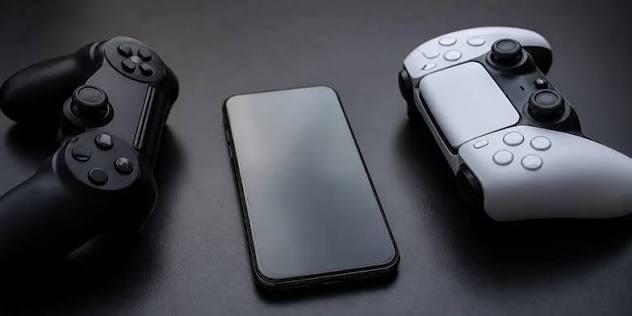
iPhone users can already connect controllers from companies such as Backbone, GameSir, Razer, SteelSeries, Sony, and Microsoft. Apple devices also support compatible PlayStation and Xbox controllers.
The challenge for Apple would be convincing customers that its own controller offers something meaningfully better than existing options.
A successful Apple or Beats controller would likely need to provide:
- Easy pairing
- Reliable compatibility with iPhone games
- Comfortable ergonomics
- Low input latency
- Strong battery life
- Useful haptic feedback
- Support across iPhone, iPad, Mac, and Apple TV
- Competitive pricing
- A design that works with phone cases
- Clear support from game developers
Apple’s advantage would be ecosystem integration. Its weakness could be price and limited compatibility if the controller is designed too narrowly around Apple hardware.
────────────────────────────────────────
The Biggest Questions Apple Still Needs to Answer
Several important details remain unknown.
Will the controllers be wired or wireless?
Software references suggest that at least one model may support USB connectivity, while another may include Bluetooth. It is not yet clear whether the final products will be wired, wireless, or offered in separate versions.
Will they work with Android and Windows?
A Beats-branded accessory could potentially have broader appeal than a strictly Apple-branded product. However, there is no confirmed compatibility list.
Will the controller attach directly to an iPhone?
The reports do not establish whether Apple is developing a traditional wireless gamepad, a telescopic controller that grips the phone, or multiple form factors.
How much will they cost?
There is no confirmed price. Apple could attempt to compete with mainstream mobile controllers, or it could position the products as premium accessories.
When will they launch?
Apple has not confirmed a release window. The presence of software references suggests active development, but it does not guarantee that either product will reach stores.
────────────────────────────────────────
What This Could Mean for Apple’s Gaming Ambitions
Apple has spent years improving the gaming capabilities of its devices through faster chips, better displays, Metal graphics technology, Apple Arcade, and support for major game engines.
The company has also shown increasing interest in bringing more demanding games to iPhone and Mac.
A dedicated controller would address one of the biggest limitations of mobile gaming: the gap between powerful hardware and touchscreen input.
The iPhone may be capable of running technically demanding games, but that does not mean every game feels comfortable to play on a glass display. A physical controller could help Apple make its gaming hardware more attractive to serious players.
Still, a controller alone would not transform Apple into a traditional console manufacturer. Apple would also need stronger game releases, consistent developer support, better discovery tools, and a clear long-term strategy for Apple Arcade.
The Beats controller project may therefore be less about competing directly with PlayStation or Xbox and more about making Apple’s existing gaming ecosystem easier to use.
────────────────────────────────────────
Final Thoughts
Apple’s reported Beats game controllers could represent a significant shift in how the company approaches mobile gaming.
The reported T6502 and T1057 devices suggest that Apple is exploring more than one controller design, including a model with motion sensors and different haptic capabilities. The possible Beats branding could also help Apple enter the market with a more flexible and lifestyle-focused identity.
However, the products remain unannounced. Their final designs, pricing, compatibility, release date, and relationship with Apple Arcade are still unknown.
For now, the most interesting possibility is not that Apple is suddenly building a traditional console. It is that the company may be preparing a controller-based gaming layer that connects the iPhone, iPad, Mac, and Apple TV more closely than before.
If Apple can combine reliable hardware, simple pairing, strong game support, and sensible pricing, the Beats name could become an unexpected part of the company’s gaming future.