
The Ultimate Guide to the Unity 7 Engine Architecture
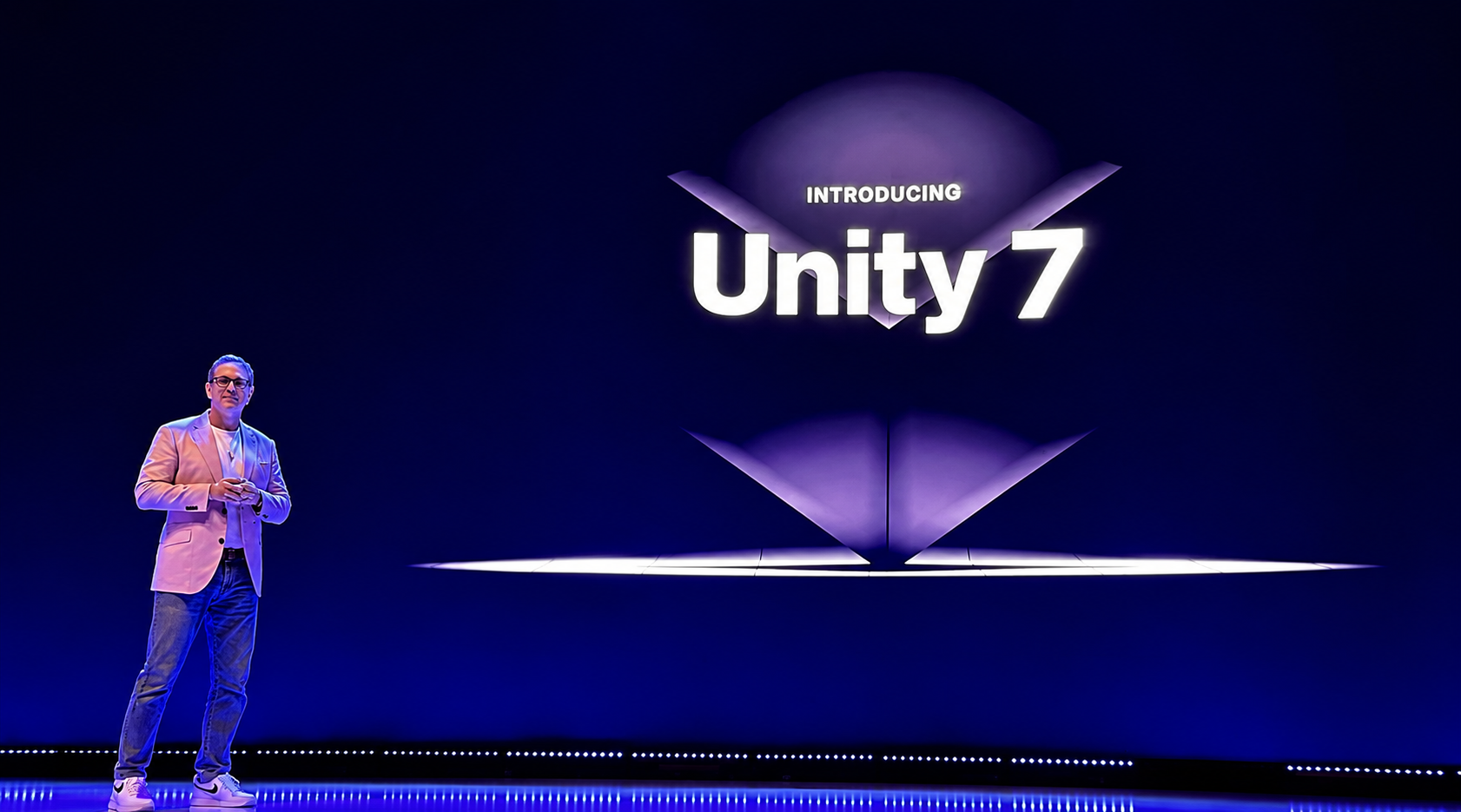
Unity 7 is the upcoming major version of the Unity game engine, currently planned for early 2027. It builds on Unity 6 rather than completely replacing its existing development model.
Unity 7 focuses on modern C# development, better performance, scalable systems, graphics improvements, and AI assisted development.
Unity 7 Architecture
Unity 7 combines several major engine technologies that work together to power games and real time applications.
GameObjects and Components
GameObjects remain the foundation of traditional Unity development. Components are attached to GameObjects to provide functionality such as physics, animation, rendering, audio, and gameplay logic.
ECS and DOTS
Unity's Entity Component System, or ECS, provides a data oriented approach to game development.
ECS is designed for projects that need large numbers of objects, complex simulations, large worlds, or scalable multiplayer systems.
DOTS includes technologies such as ECS, Burst Compiler, C# Job System, and optimized collections.
Scripting and Runtime
CoreCLR
Unity 7 introduces CoreCLR, Microsoft's modern .NET runtime.
Unity has announced support for .NET 10 and C# 14, giving developers access to a more modern .NET development environment.
CoreCLR is also designed to improve debugging, IDE integration, and development workflows.
Burst Compiler
The Burst Compiler converts supported C# code into optimized native code.
It is especially useful for performance intensive systems and works closely with Unity's data oriented technologies.
C# Job System
The C# Job System allows suitable workloads to run across multiple CPU cores, helping developers build more efficient simulations and gameplay systems.
Graphics and Rendering
Unity 7 continues to use Scriptable Render Pipelines.
Universal Render Pipeline
URP is designed for projects targeting a wide range of hardware, including mobile devices, PCs, and consoles.
High Definition Render Pipeline
HDRP targets high fidelity projects that require advanced lighting, visual effects, and rendering features.
Unity 7 also focuses on improved graphics quality and technologies such as neural upscaling.
Key Features
• CoreCLR: Modern .NET runtime for Unity development.
• ECS: Data oriented architecture for scalable projects.
• DOTS: Performance focused development technology stack.
• Burst Compiler: Optimizes supported C# code.
• C# Job System: Enables multithreaded workloads.
• SRP: Provides flexible rendering through URP and HDRP.
• AI Development: Unity is working toward better integration with coding agents and AI assisted workflows.
Platforms and Availability
Unity 7 is currently planned for early 2027.
It is being developed for Unity's existing ecosystem of supported platforms, including:
• PC
• PlayStation
• Xbox
• Nintendo platforms
• Mobile
• Web
Exact platform support and requirements may change before release.
What to Know at a Glance
| Detail | Information |
|---|---|
| Engine | Unity 7 |
| Developer | Unity |
| Expected Release | Early 2027 |
| Programming Language | C# |
| Runtime | CoreCLR |
| .NET | .NET 10 |
| Data System | ECS and DOTS |
| Compiler | Burst |
| Rendering | URP and HDRP |
| Previous Version | Unity 6 |
Why It Matters
Unity 7 is important because it modernizes the engine without abandoning the existing Unity development ecosystem.
The combination of CoreCLR, modern C#, ECS, DOTS, improved rendering, and AI assisted development gives developers a stronger foundation for modern games and large scale real time applications.
🎮 The Bottom Line
Unity 7 is focused on making Unity development faster, more scalable, and more modern. With CoreCLR, ECS, DOTS, improved rendering, and new AI development tools, it represents an important next step for Unity developers.
Comments
Sign in to join the conversation
Sign inNo comments yet
Be the first to share your thoughts!