
Twitch is increasingly turning livestreams into shared viewing experiences.
Rather than treating every streamer as a completely separate channel, the platform has been building tools that allow multiple creators to participate in the same event while giving organizers a better understanding of the combined audience.
Twitch's major recent step in this direction is its Co-Streaming system, introduced to make large-scale broadcasts easier to rebroadcast and measure across multiple channels.
Twitch has also continued expanding monetization and viewing technology throughout 2026, including Dual Format streaming, 2K streaming, Custom Power-Ups and new creator earning tools.
Here's everything to know about Twitch's evolving collaborative-streaming ecosystem.
What Is the 'Co-Op Lobby'?
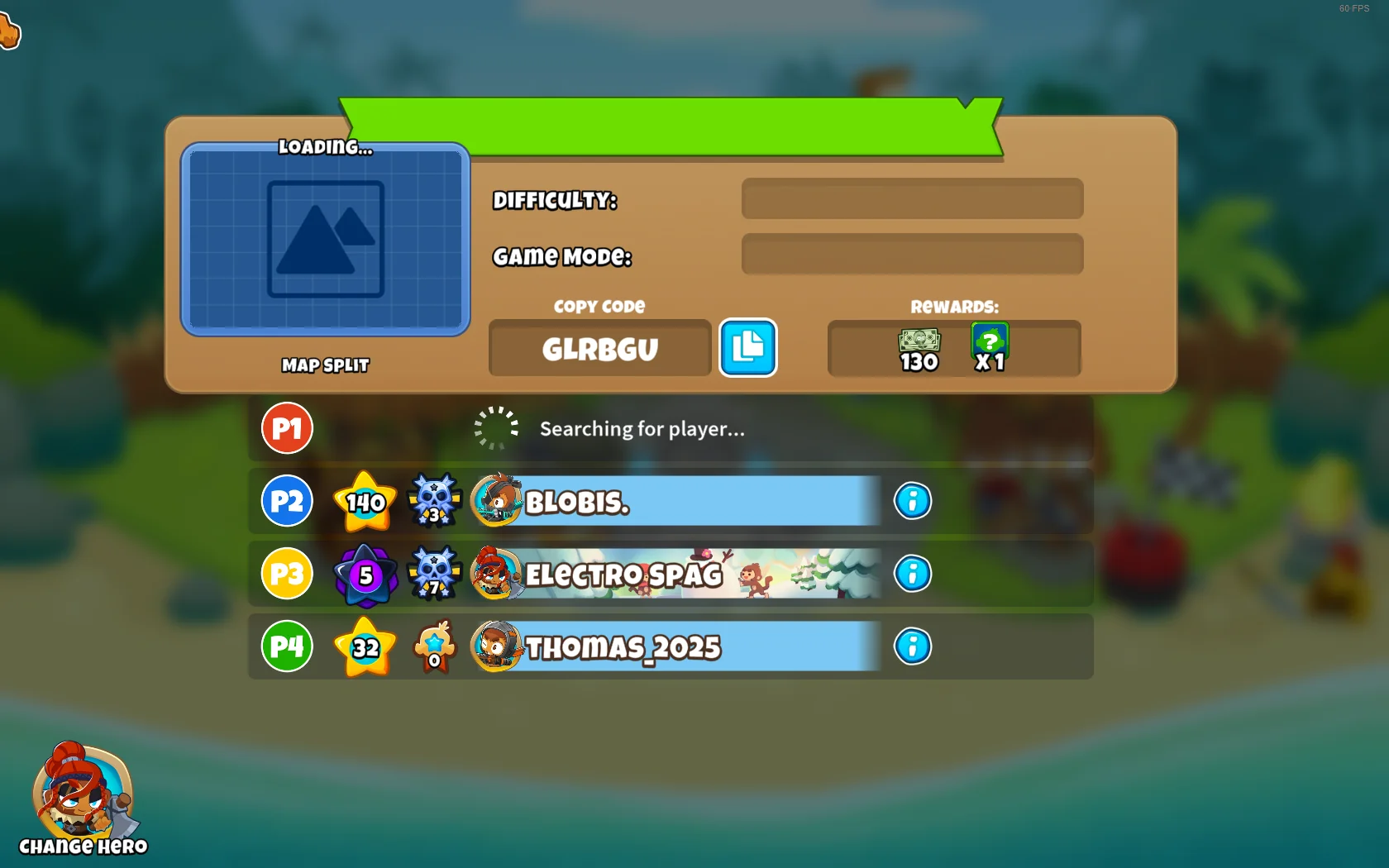
The phrase “Co-Op Lobby” is not currently listed as an official Twitch product announcement.
Instead, it can be understood as a useful description for the direction Twitch is taking with collaborative viewing.
The closest confirmed feature is Twitch's Co-Streaming system.
Co-Streaming allows a main broadcaster such as an event organizer, brand or official channel—to give approved creators permission to rebroadcast an event while adding their own commentary and community interaction.
This is designed for major broadcasts such as:
- Esports tournaments
- Game announcements
- Creator events
- Global entertainment broadcasts
- Community celebrations
- Large special events
The goal is to keep the experience inside Twitch rather than forcing viewers and creators to rely on fragmented third-party solutions.
How Twitch Co-Streaming Works
The system revolves around a Main Broadcaster and approved co-streamers.
The main broadcaster controls the official event.
Approved creators can simultaneously rebroadcast the event while adding their own perspective.
That means a viewer could potentially choose between:
Official broadcast
or
Creator commentary
without leaving Twitch.
The system also provides event organizers with aggregated analytics across approved co-streams.
This is particularly important for esports and major live events.
Previously, an organizer might know how many people were watching its official channel but have a much harder time measuring the combined audience watching through creators.
Twitch's new system is designed to solve that problem.
Multi-Stream Viewing
A major attraction of the “Co-Op Lobby” concept is the possibility of watching several creators or perspectives simultaneously.
However, Twitch has not officially confirmed a four-screen “quad-view” Co-Op Lobby feature in its current 2026 product announcements.
The confirmed direction is broader: Twitch is improving how viewers discover and access different perspectives around the same live event.
That could eventually make multi-perspective viewing more practical, particularly for esports.
Imagine watching a tournament with:
- The official broadcast
- Player POV
- Creator commentary
- Another community perspective
The technology would be especially useful when several creators are covering the same event.
Multi-Chat
Integrated multi-chat would also make sense for a collaborative viewing system.
But again, Twitch has not officially announced a universal four-channel multi-chat system under the Co-Op Lobby name.
Its existing co-streaming infrastructure instead focuses on keeping each creator's community and commentary intact while giving event organizers broader analytics and control.
The distinction matters.
A true shared chat would merge communities.
Co-streaming currently allows communities to remain connected to their individual streamer.
That preserves the identity of each channel.
Revenue Sharing and Monetization
One of the most important questions surrounding collaborative streaming is money.
Who gets paid when several creators participate in the same broadcast?
Twitch's confirmed 2026 announcements show that the platform is aggressively expanding monetization opportunities, but there is no verified announcement of an automatic Co-Op Lobby ad-revenue split between four participating channels.
Instead, Twitch has expanded several other earning mechanisms.
In May 2026, Twitch introduced new ways for monetizing streamers to turn viewer participation into revenue, including Creator Badge Drops, Custom Power-Ups and new Hype Train formats.
In August, Twitch also opened its sponsorship system to Affiliates, allowing eligible creators to discover and execute brand campaigns directly through Twitch.
This suggests that Twitch is building a broader monetization ecosystem around creators rather than relying on advertising alone.
Shared Viewership Metrics
One of the most important confirmed changes is shared viewership measurement.
Under Twitch's co-streaming system, main broadcasters can access aggregated analytics across approved co-streams.
Twitch describes this as a combined total viewership count representing the overall concurrent audience across participating channels.
Individual creators can still see their own channel's concurrent viewers.
This creates two different measurements:
Event reach:
The combined audience across approved co-streams.
Creator reach:
The individual audience watching a specific channel.
That distinction could become increasingly important for sponsors and esports organizers.
Twitch's Larger 2026 Viewing Strategy
The Co-Streaming push is only one part of Twitch's broader viewing strategy.
In June 2026, Twitch introduced Dual Format streaming, allowing creators to simultaneously deliver horizontal and vertical versions of their broadcasts.
The platform also launched 2K/1440p streaming for Partners and Affiliates.
These changes address different viewing habits.
Vertical streaming targets mobile viewers.
2K targets viewers who want higher image quality.
Co-streaming targets viewers who want different perspectives.
Together, these updates show Twitch trying to make its platform more flexible for modern livestream audiences.
What Does It Mean for Streamers?
For creators, collaborative streaming could become particularly valuable during major events.
A smaller creator doesn't necessarily need to host the official broadcast.
Instead, they can contribute their own personality and community to an event that already has a huge audience.
That creates opportunities for:
- New viewers
- Community growth
- Event discovery
- Brand partnerships
- Creator collaboration
- More engaging commentary
For large creators, meanwhile, co-streaming provides a way to turn their audience into part of a much larger event.
What Does It Mean for Viewers?
For viewers, the biggest potential advantage is choice.
Instead of having one official perspective, a major event can become a collection of different experiences.
One viewer might want professional commentary.
Another might prefer a favorite creator's reactions.
Someone else might want to watch a particular player.
The challenge is making all those options easy to navigate.
That is where a future “Co-Op Lobby”-style interface could become particularly useful.
4. Why It Matters
The most important thing about Twitch's collaborative-streaming push is that it changes the platform from a collection of individual broadcasts into something closer to a network of connected live experiences.
Co-streaming already gives event organizers greater control and aggregated visibility while allowing creators to add their own communities and perspectives.
If Twitch eventually combines that infrastructure with native multi-view, integrated chat and clearer revenue-sharing tools, major events could feel fundamentally different.
Instead of asking:
“Which stream should I watch?”
the question becomes:
“How many perspectives do I want to watch at once?”
That could be especially powerful for esports.
5. What to Know at a Glance
Quick Facts
| Detail | Information |
|---|---|
| Platform | Twitch |
| 2026 Feature Direction | Collaborative viewing and co-streaming |
| Confirmed Related Feature | Co-Streaming |
| Main Broadcaster | Event organizer / official channel |
| Co-Streamers | Approved creators |
| Shared Analytics | Yes |
| Combined Viewership Metrics | Yes |
| Quad-Screen Co-Op Lobby | Not officially confirmed |
| Integrated Multi-Chat | Not officially confirmed |
| Automatic Ad-Revenue Split | Not officially confirmed |
| Dual Format Streaming | Available |
| 2K Streaming | Available to Partners and Affiliates |
6. The Bottom Line
🎮 The Bottom Line
Twitch's “Co-Op Lobby” concept points toward an important change in how livestream audiences could experience major events.
The platform has already taken concrete steps with Co-Streaming, shared event analytics, Dual Format streaming and expanded creator monetization.
The four-screen viewing, unified multi-chat and automatic advertising split described in the original concept should not yet be treated as confirmed Twitch features.
But the direction is clear.
Twitch wants major live events to become more connected, measurable and interactive.
And if the platform eventually turns that vision into a true multi-stream lobby, watching a tournament could stop being about choosing one broadcast.
It could become about watching the entire event from wherever you want.
Comments
Sign in to join the conversation
Sign inNo comments yet
Be the first to share your thoughts!