The Complete Wiki to Valve's Deckard (Steam Frame)
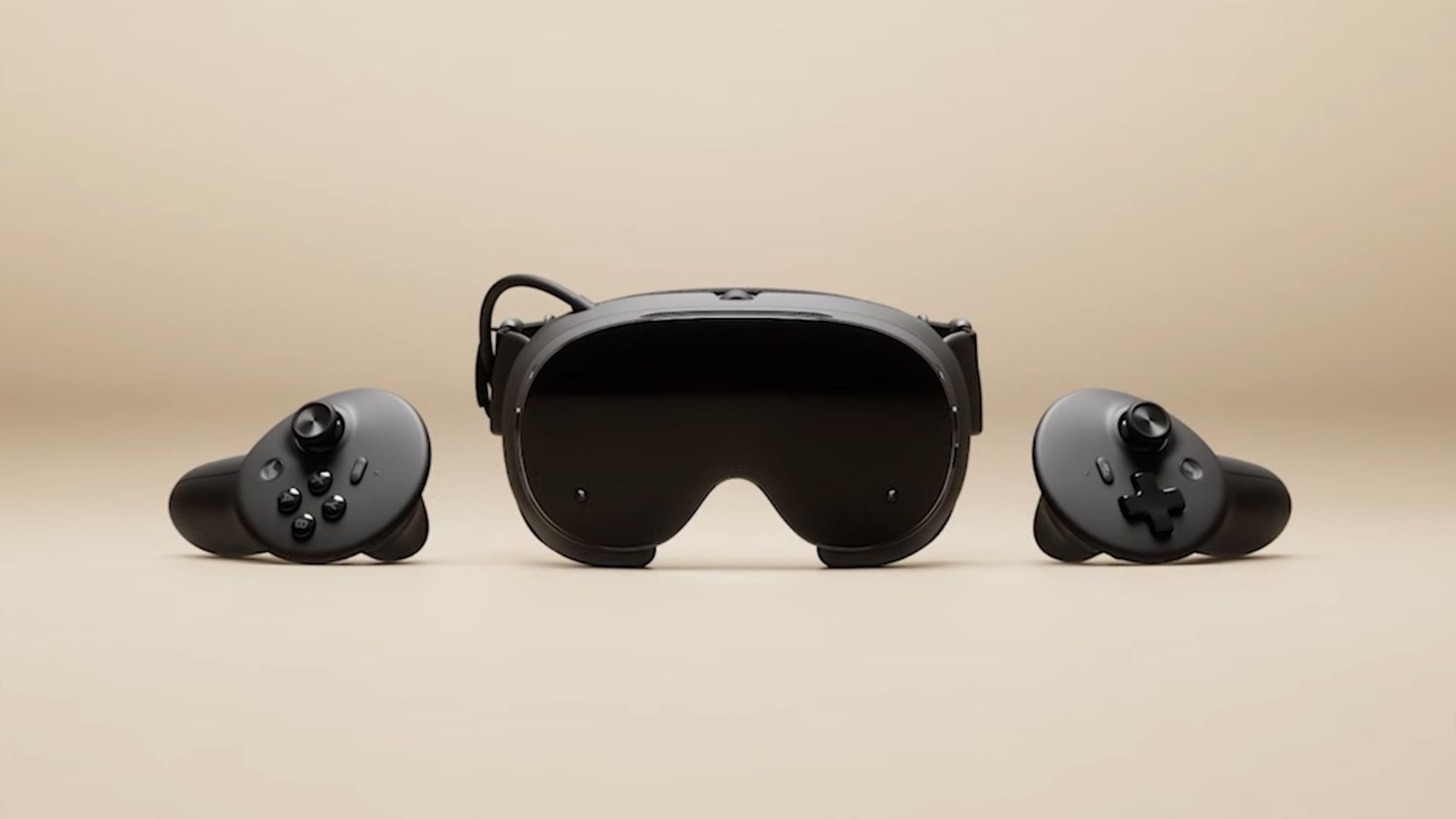
Deckard is real. Its name isn't "Valve Index 2." It's the Steam Frame, officially unveiled by Valve on November 12, 2025, after years of leaks and speculation.
🧭 From Codename to Confirmed Product
🕵️ 1. 2021 → "Deckard" codename first surfaces in SteamVR code
      ↓
🎮 2. 2023–2024 → Controller codename "Roy" and hardware leaks build
      ↓
📢 3. Nov 12, 2025 → Valve officially reveals it as the Steam Frame
      ↓
✅ 4. Jul 2026 → FCC certification cleared for US sale
As of mid-2026, the Steam Frame has cleared FCC certification but still has no confirmed price, release date, or open preorders.
🧠 The Chipset: Qualcomm, Not AMD
This is the biggest correction to make here.
The Steam Frame runs on a Qualcomm Snapdragon 8 Gen 3 chipset, built on a 4nm process.
There's no custom AMD APU inside this headset. Valve did choose AMD for its separate Steam Machine console, announced the same day, but the Steam Frame's mobile chipset comes from Qualcomm, the same company that powers most standalone Android and Meta Quest headsets.
Full specs:
| Component | Specification |
|---|---|
| Chipset | Qualcomm Snapdragon 8 Gen 3 (4nm) |
| Display | Dual 2160 x 2160 LCD, up to 120Hz |
| RAM | 16GB LPDDR5X unified memory |
| Storage | 256GB or 1TB UFS, plus microSD expansion |
| Battery | 21.6Wh, USB-C charging at 45W |
| Weight | Approximately 0.9 lbs with headstrap |
👁️ Inside-Out Tracking Capabilities
Unlike the original Valve Index, which relied on external base stations, the Steam Frame is a fully standalone headset using inside-out tracking, meaning it tracks its own position using built-in cameras rather than external sensors placed around a room.
- Uses camera-based passthrough and tracking, similar in concept to the Meta Quest 3
- No base stations or external sensors required to set up or play
- Includes built-in eye tracking
- Offers a 110 degree field of view
This is a fundamental design shift from the original Index, trading setup complexity for genuine portability.
🔗 Streaming First, Not Standalone Only
The Steam Frame is standalone capable, but Valve has specifically described it as "streaming first" rather than a device meant to compete purely on its own onboard hardware power.
Foveated Streaming uses low latency eye tracking to direct the highest quality pixels exactly where a user is looking, delivering what Valve claims is over a 10x improvement in visual detail compared to streaming a full, uniform resolution image.
The headset includes a Wi-Fi 6E wireless PC adapter in the box, letting it stream a full PCVR library from a gaming PC at much higher fidelity than the onboard Snapdragon chip alone could render.
🐧 Software: SteamOS, Not Windows
The Steam Frame runs a VR-tailored version of SteamOS, the same Linux-based operating system that powers the Steam Deck, paired with an evolved version of Valve's Proton compatibility layer.
This lets the headset run Windows, Linux, and Android games natively, not just VR-specific titles, with a "Steam Frame Verified" tag system mirroring the existing Steam Deck Verified program.
🎮 Controllers: Codename "Roy"
The Steam Frame ships with new controllers, internally codenamed Roy during development.
- 6DoF tracking
- TMR thumbsticks
- Haptic feedback
- Capacitive finger-sensing, detecting when individual fingers release their grip
In hands-on demos using Half-Life: Alyx, this finger tracking translated directly into subtle in-game hand animations as a player's grip naturally shifted.
❓ Is the Steam Frame the same thing as the original Valve Index?
No.
The Steam Frame is a completely new, standalone headset succeeding the tethered, base-station-reliant Valve Index. It shares Valve's SteamVR ecosystem but uses entirely different hardware, tracking, and design philosophy.
For official details, visit the official Steam Frame page on Steam.