
The Ultimate Guide to the NVIDIA RTX PRO 5500
The NVIDIA RTX PRO 5500 Blackwell Workstation Edition is a professional GPU designed for demanding AI, graphics, simulation, and workstation workloads.
It sits between the RTX PRO 5000 and RTX PRO 6000 in NVIDIA's Blackwell professional lineup, but its 84GB of ECC GDDR7 memory gives it an unusually large memory pool for a workstation GPU in this class. NVIDIA lists the card with up to 1,398 GB/s of memory bandwidth and a maximum power consumption of up to 600W.
Unlike GeForce cards that primarily target consumer gaming, the RTX PRO 5500 is designed around professional applications, AI workloads, visualization, simulation, and deployments where large GPU memory capacity and enterprise-oriented features matter.
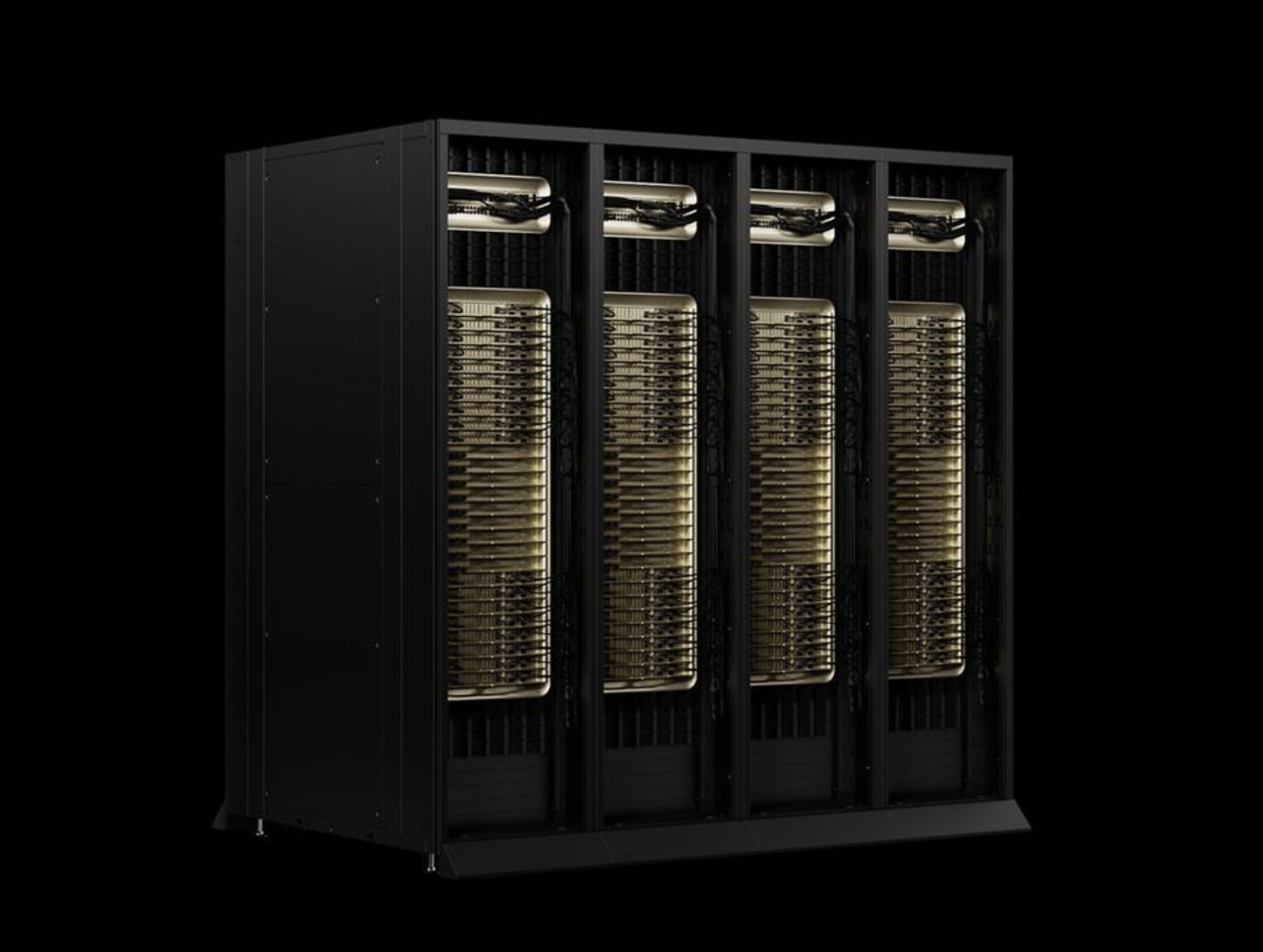
🧠 Blackwell Architecture
The RTX PRO 5500 is based on NVIDIA's Blackwell architecture, the same generation used across NVIDIA's professional RTX PRO lineup.
Blackwell RTX PRO GPUs introduce several technologies aimed at professional AI and graphics workloads:
Fifth-generation Tensor Cores
Fourth-generation RT Cores
Blackwell Streaming Multiprocessors
GDDR7 memory
Neural rendering technologies
FP4 AI support
Advanced video encode and decode capabilities
NVIDIA says its Blackwell RTX PRO architecture can deliver up to 1.5x faster Streaming Multiprocessor throughput and up to 2x the previous generation's RT Core performance. NVIDIA also states that fifth-generation Tensor Cores can provide up to 4,000 AI trillion operations per second across the Blackwell RTX PRO family. These are architecture-level figures and should not be interpreted as independent RTX PRO 5500 benchmark results.
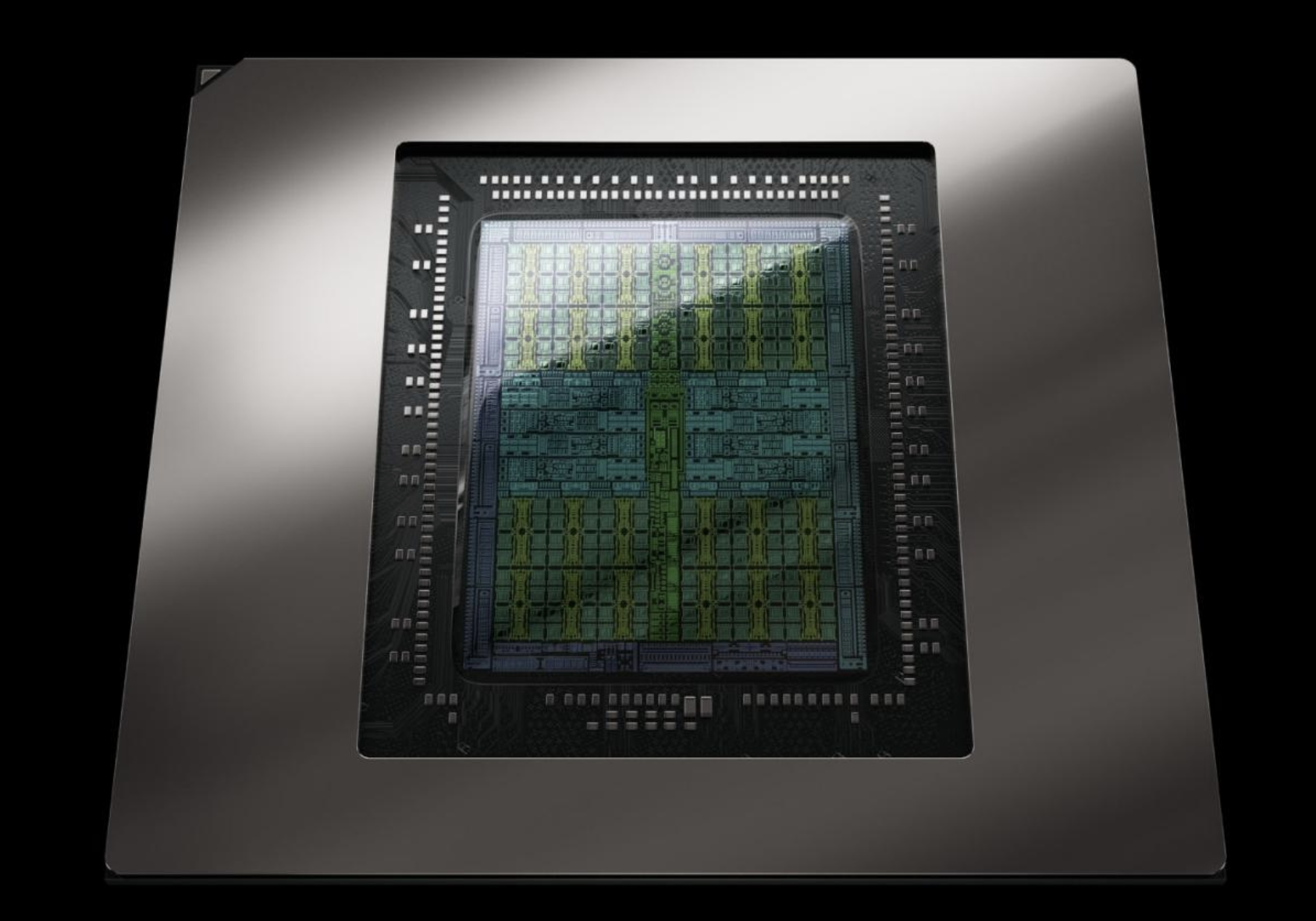
💾 84GB ECC GDDR7 Memory
Memory capacity is one of the defining features of the RTX PRO 5500.
The card includes 84GB of GDDR7 memory with ECC, giving professional applications considerably more memory headroom than the 32GB GeForce RTX 5090. The RTX PRO 5500 is rated for up to 1,398 GB/s of memory bandwidth.
For AI workloads, additional VRAM can be more important than raw graphics performance because larger models, datasets, and workloads can sometimes run directly on the GPU rather than being split between GPU memory and system memory.
RTX PRO 5500 vs RTX 5090 Memory
| Specification | RTX PRO 5500 | GeForce RTX 5090 |
|---|---|---|
| GPU memory | 84GB GDDR7 ECC | 32GB GDDR7 |
| Memory advantage | 2.625x capacity | Reference point |
| CUDA cores | 21,760 | 21,760 |
| Memory bandwidth | Up to 1,398 GB/s | Up to 1,792 GB/s |
| Primary focus | Professional / AI / workstation | Gaming / creator / consumer |
The 2.625x figure refers to memory capacity, not overall performance. The RTX PRO 5500 also has lower rated memory bandwidth than the RTX 5090, so the larger VRAM pool should not be interpreted as meaning it is faster in every workload. The 21,760 CUDA-core figure for the RTX PRO 5500 is reported by NVIDIA's board partner specifications.
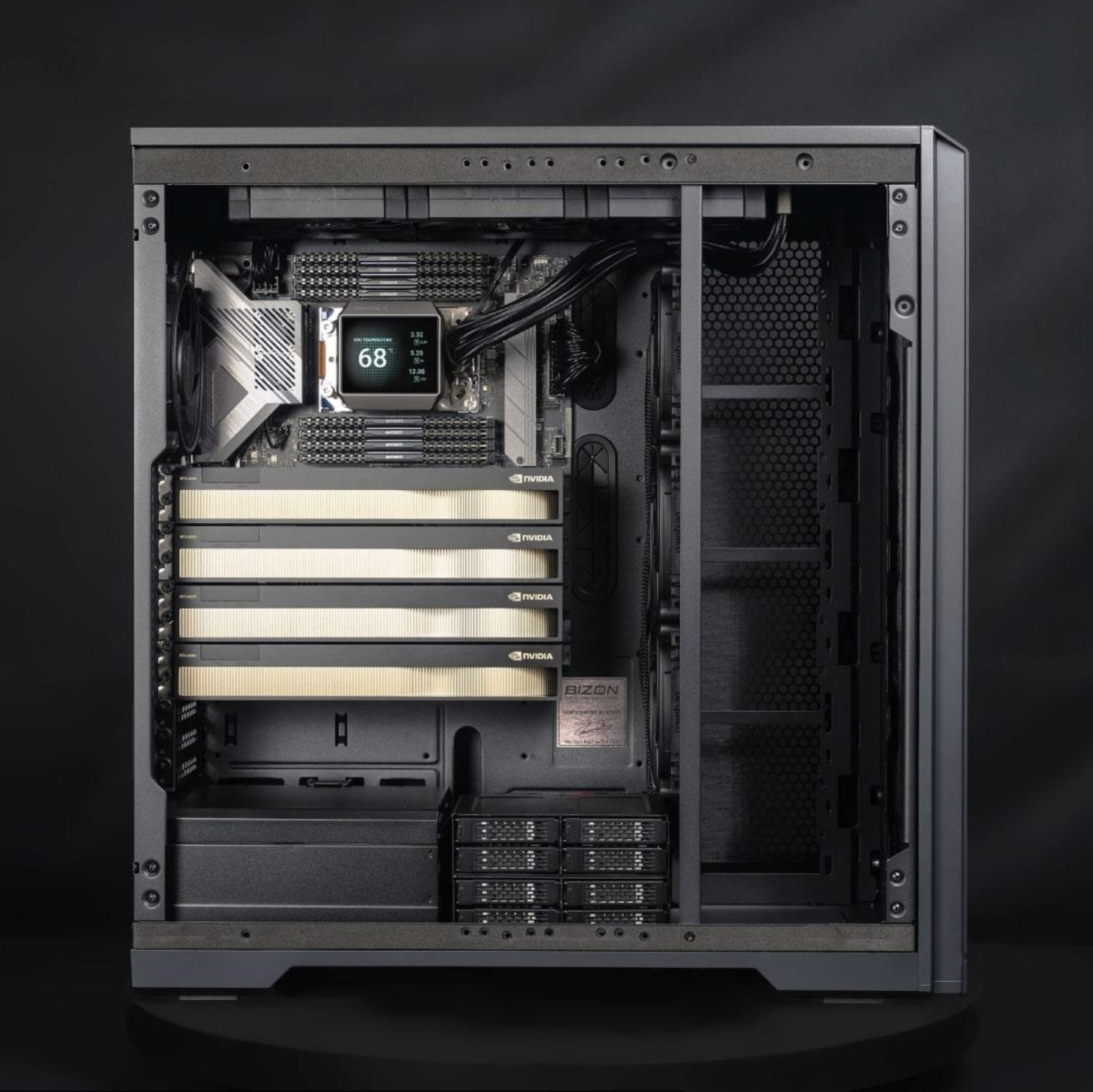
🤖 AI and Enterprise Workloads
The RTX PRO 5500 is designed for workloads that can benefit from large local GPU memory and Blackwell's AI acceleration.
Potential applications include:
Agentic AI
Generative AI
AI inference
Physical AI
Scientific computing
Data analytics
Simulation
3D visualization
Professional rendering
Video production
NVIDIA specifically positions RTX PRO Blackwell GPUs for AI, simulation, visualization, scientific computing, and professional creative workloads.
The 84GB memory configuration can be particularly useful when models or datasets exceed the capacity of conventional consumer GPUs.
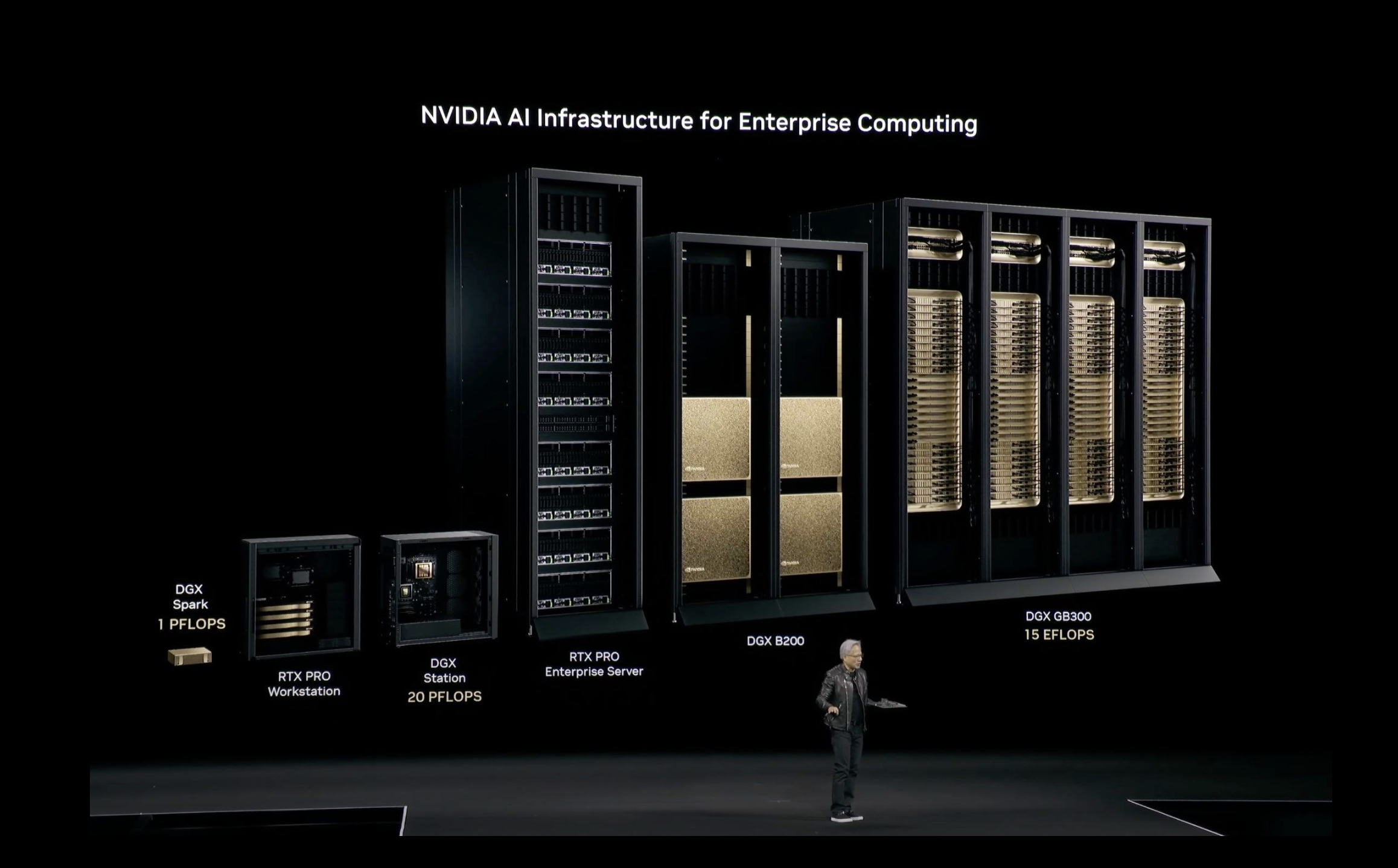
📊 Enterprise AI Performance Metrics
There is an important distinction between confirmed RTX PRO 5500 specifications and broader NVIDIA Blackwell performance claims.
NVIDIA has not published a large independent benchmark suite specifically for the RTX PRO 5500 yet. The product page currently lists the GPU as coming soon, so real-world enterprise benchmark coverage remains limited.
What is confirmed includes:
| Metric | RTX PRO 5500 |
|---|---|
| Architecture | NVIDIA Blackwell |
| CUDA cores | 21,760 |
| VRAM | 84GB GDDR7 ECC |
| Memory bandwidth | Up to 1,398 GB/s |
| Maximum power | Up to 600W |
| PCIe interface | PCIe Gen 5 x16 |
| Tensor architecture | 5th generation |
| RT architecture | 4th generation |
| NVENC | 3x 9th generation |
| NVDEC | 3x 6th generation |
| Multi-Instance GPU | Up to 2 instances |
| Display outputs | Up to 4x DisplayPort 2.1b |
The card can also be divided using NVIDIA Multi-Instance GPU (MIG) into two isolated instances with 42GB of memory each, according to current partner specifications.
🧩 Tensor Cores and FP4
Blackwell's fifth-generation Tensor Cores are an important part of NVIDIA's AI strategy.
They support newer low-precision AI workloads including FP4, allowing compatible models and applications to perform inference with reduced numerical precision.
The advantage is not simply about having a higher theoretical number. Lower precision can reduce memory requirements and increase throughput for supported AI workloads.
For enterprises running multiple AI workloads, these improvements can make it possible to serve larger models or more simultaneous inference tasks within a given GPU memory and power budget.
🎨 Professional Graphics and Ray Tracing
The RTX PRO 5500 is not exclusively an AI accelerator.
Its fourth-generation RT Cores are designed for professional ray-traced rendering, visualization, and complex 3D scenes.
Potential applications include:
CAD
Product design
Architecture
Engineering visualization
Digital twins
3D animation
Visual effects
Scientific visualization
NVIDIA says fourth-generation RT Cores in the Blackwell RTX PRO architecture can provide up to 2x the performance of the previous generation. Again, this is NVIDIA's architecture-level claim rather than a measured RTX PRO 5500 benchmark.
🏢 Rack-Mounted Workstation Deployment
One of the more interesting aspects of the RTX PRO 5500 is its intended deployment model.
NVIDIA positions the card for rack-mounted workstation environments, allowing GPU resources to be centralized rather than placing every high-performance GPU directly beside an individual workstation.
The RTX PRO 5500 supports active air cooling, with liquid-cooled solutions also available for suitable deployments. NVIDIA lists a maximum power consumption of up to 600W.
This approach can be useful for organizations that need to share expensive GPU resources between multiple users or teams.
🎥 Video and Display Features
The RTX PRO 5500 also includes dedicated media hardware.
The specifications list:
Three 9th-generation NVENC engines
Three 6th-generation NVDEC engines
Up to four DisplayPort 2.1b outputs
Support for professional multi-display workflows
These features make the GPU suitable for professional video production, visualization, content creation, and workstation environments where multiple high-resolution displays are required.
🔌 Power and Physical Specifications
The RTX PRO 5500 is a high-power professional GPU.
| Feature | Specification |
|---|---|
| Maximum power | Up to 600W |
| Interface | PCIe Gen 5 x16 |
| Form factor | Dual-slot |
| Length | 11.1 inches |
| Display outputs | Up to 4x DisplayPort 2.1b |
| Cooling | Active air cooling |
| Optional cooling | Liquid-cooled solutions |
| Memory | 84GB GDDR7 ECC |
NVIDIA lists the card at approximately 4.4 inches high and 11.1 inches long in its RTX PRO desktop comparison.
🔐 Why ECC Memory Matters
The RTX PRO 5500 uses ECC GDDR7 memory, which is particularly relevant for professional and enterprise workloads.
ECC, or Error-Correcting Code, is designed to detect and correct certain memory errors.
For workloads involving long-running AI inference, simulation, scientific computing, engineering, and large datasets, memory reliability can be an important consideration.
This is one of the areas where professional RTX PRO hardware is differentiated from consumer GeForce products.
📋 NVIDIA RTX PRO 5500 at a Glance
| Feature | RTX PRO 5500 |
|---|---|
| Architecture | Blackwell |
| GPU class | Professional workstation |
| CUDA cores | 21,760 |
| VRAM | 84GB GDDR7 ECC |
| Memory bandwidth | Up to 1,398 GB/s |
| Tensor Cores | 5th generation |
| RT Cores | 4th generation |
| NVENC | 3x 9th generation |
| NVDEC | 3x 6th generation |
| Maximum power | Up to 600W |
| PCIe | Gen 5 x16 |
| Display | Up to 4x DisplayPort 2.1b |
| MIG | Up to 2 instances |
| Cooling | Active air / optional liquid |
| Main workloads | AI, simulation, graphics, rendering, data analytics |
| Availability | Coming soon |
Specifications are based on NVIDIA's current product information and partner specifications and may change before final availability.
🎮 The Bottom Line
The NVIDIA RTX PRO 5500 is a Blackwell workstation GPU built around a simple idea: put a much larger memory pool into a professional GPU without moving all the way to NVIDIA's flagship RTX PRO 6000.
Its 84GB of ECC GDDR7, up to 1,398 GB/s of memory bandwidth, fifth-generation Tensor Cores, fourth-generation RT Cores, and up to 600W power envelope make it particularly relevant to AI, simulation, visualization, and other memory-intensive professional workloads.
The biggest thing to watch is real-world performance. NVIDIA has published architecture-level Blackwell metrics, but independent RTX PRO 5500 enterprise benchmarks are still limited because the card is currently listed as coming soon.
For organizations that care about local AI inference, large models, professional rendering, and GPU memory capacity, the RTX PRO 5500 is a particularly interesting addition to the Blackwell workstation family.