
The Ultimate Guide to the Intel Arc B580 GPU
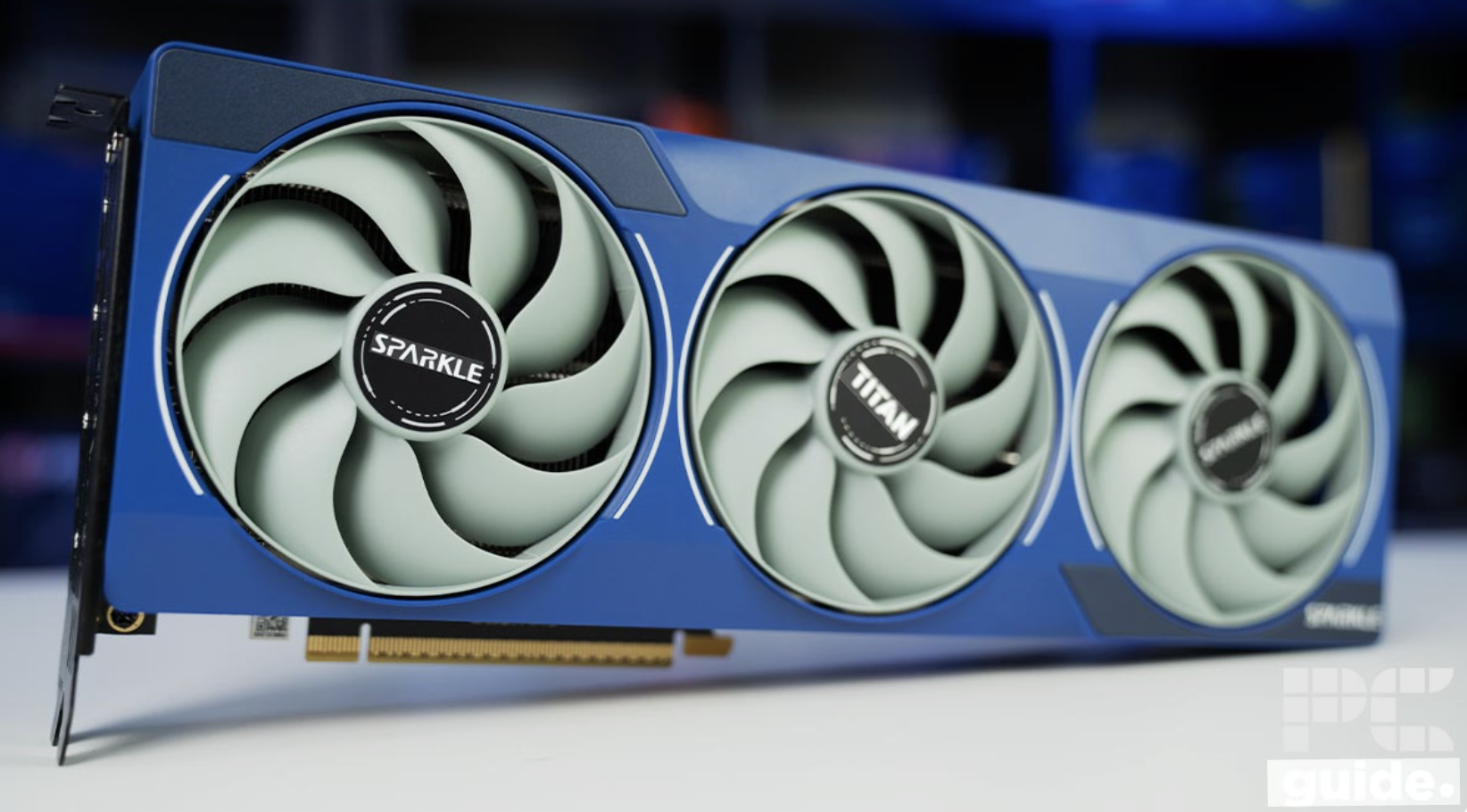
The Intel Arc B580 is a budget-to-mainstream desktop graphics card built on Intel's second-generation Xe2 architecture, also known as Battlemage.
Intel launched the B580 in December 2024 at $249, positioning it as an affordable option for 1080p and 1440p gaming. Its standout feature is 12GB of GDDR6 VRAM, giving it more memory than many competing budget GPUs.
What Is the Intel Arc B580?
The Arc B580 is part of Intel's Arc B-Series and uses the BMG-G21 GPU based on the Xe2 microarchitecture.
It features 20 Xe-cores, 160 XMX engines, 20 ray-tracing units, and a 2670 MHz graphics clock, with a maximum boost clock of up to 2850 MHz.
The card is designed to compete in the affordable gaming segment rather than challenge Nvidia's flagship GPUs.
Xe2 Battlemage Architecture
Battlemage is Intel's second-generation discrete GPU architecture, following the original Alchemist generation.
One of its biggest improvements is efficiency. Intel says Xe2 delivers up to 70% more performance per Xe-core and up to 50% better performance per watt compared with the previous generation.
The architecture also improves ray tracing, geometry processing, and GPU utilization while introducing newer features such as XeSS 2, Intel's AI-assisted upscaling and frame-generation technology.
12GB GDDR6 VRAM
The B580 comes with 12GB of GDDR6 memory on a 192-bit memory interface.
It provides 456 GB/s of memory bandwidth, which gives the card useful headroom for modern games, particularly at 1440p.
That 12GB capacity is one of the B580's biggest selling points in the budget GPU segment.
Gaming and Performance
Intel positioned the B580 as a capable 1440p gaming GPU, rather than limiting it to entry-level 1080p gaming.
At launch, Intel reported that the B580 averaged 24% faster than the Arc A750 at 1440p, with some games showing substantially larger gains.
Independent testing also found the B580 to offer strong value for its original $249 price, although driver maturity and game-to-game performance can vary.
XeSS 2 and Ray Tracing
The B580 supports XeSS 2, which combines AI-powered upscaling with frame generation and Intel's low-latency technology.
The GPU also includes second-generation ray-tracing hardware, allowing supported games to use modern lighting and reflection effects.
Intel also supports hardware acceleration for modern media formats, including AV1 encoding and decoding, making the B580 relevant for content creators as well as gamers.
B580 vs RTX 5060
The B580's position against Nvidia's RTX 5060 is more complicated today than it was at launch.
The B580's 12GB VRAM gives it a capacity advantage over 8GB-class alternatives, but current performance testing places the RTX 5060 ahead in raw gaming performance. Tom's Hardware's 2026 GPU hierarchy shows the RTX 5060 roughly 24% faster at 1080p and 17% faster at 1440p than the B580.
That makes pricing the key factor in deciding between them.
Key Specifications
| Specification | Intel Arc B580 |
|---|---|
| Architecture | Xe2 / Battlemage |
| GPU | BMG-G21 |
| Xe-Cores | 20 |
| VRAM | 12GB GDDR6 |
| Memory Bus | 192-bit |
| Memory Bandwidth | 456 GB/s |
| Graphics Clock | 2670 MHz |
| Max Boost | 2850 MHz |
| Ray Tracing Units | 20 |
| XMX Engines | 160 |
| TBP | 190W |
| Interface | PCIe 4.0 x8 |
| Launch Price | $249 |
Specifications are based on Intel's product information and launch data.
Why the Intel Arc B580 Matters
The B580 is important because Intel is giving gamers another serious option in a market traditionally dominated by Nvidia and AMD.
Its combination of 12GB VRAM, Xe2 architecture, modern ray tracing, AI features, and aggressive launch pricing made it one of Intel's strongest attempts yet to compete in mainstream gaming GPUs.
It also shows Intel's strategy of competing through performance-per-dollar rather than trying to win the absolute performance crown.
🎮 The Bottom Line
The Intel Arc B580 is a budget-focused GPU that punches above its price class through its Xe2 Battlemage architecture and unusually generous 12GB VRAM.
It isn't the fastest option in its segment, but its combination of memory capacity, modern features, and competitive pricing makes it an important alternative to mainstream Nvidia and AMD cards.
For budget-conscious PC builders, the B580 remains one of Intel's most important GPUs to understand.
Comments
Sign in to join the conversation
Sign inNo comments yet
Be the first to share your thoughts!