
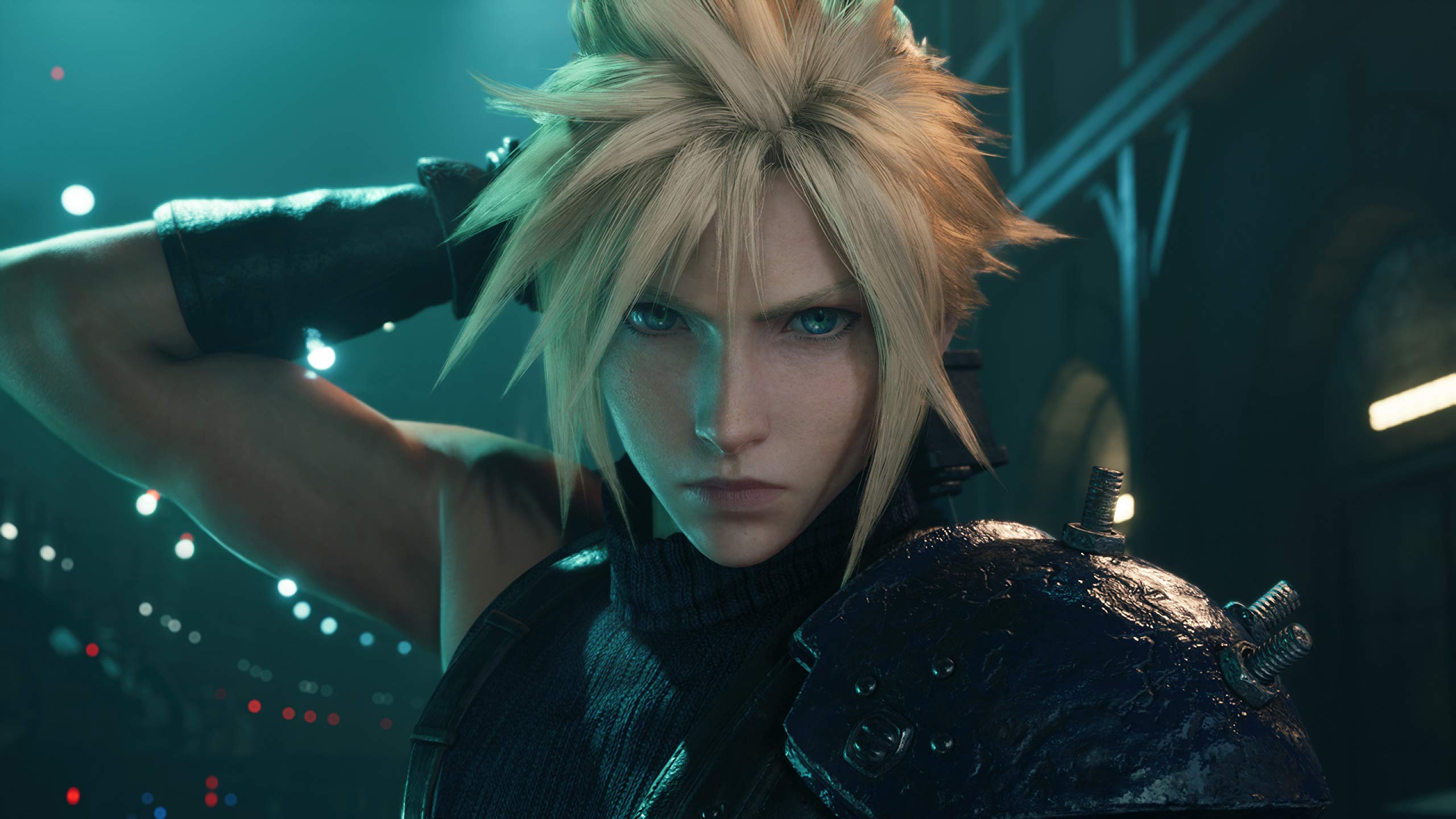
After years of waiting, the Final Fantasy VII Remake trilogy is finally approaching its conclusion.
Final Fantasy VII Revelation is the third and final game in Square Enix's ambitious reimagining of the original Final Fantasy VII. Following Remake and Rebirth, the final chapter dramatically expands the scale of the adventure, taking Cloud and his companions across the wider planet for their final confrontation with Sephiroth.
The State of Play gameplay reveal provided a much closer look at the game's open-world structure, Highwind exploration, updated combat mechanics and expanded party system.
Here's everything you need to know.
What Is Final Fantasy VII Revelation?
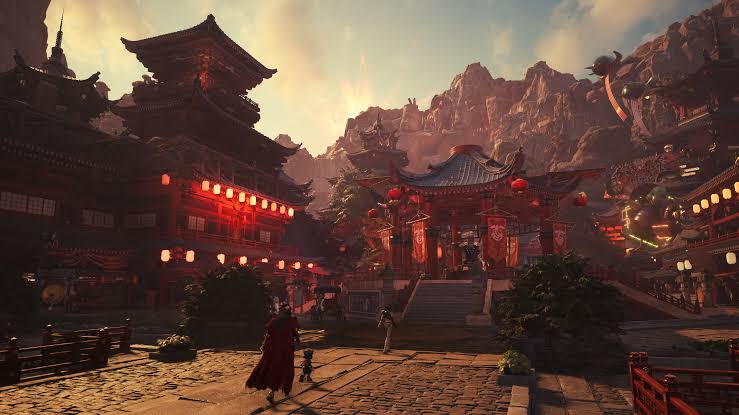
Final Fantasy VII Revelation is the third entry in the Final Fantasy VII Remake project.
It follows the events of Final Fantasy VII Rebirth, with Cloud and his companions facing an increasingly dangerous world as Sephiroth's plans approach their climax.
The stakes are considerably larger this time. Meteor threatens the planet, the Weapons have awakened, and the party must travel across a much broader version of the FF7 world.
Most importantly, Revelation is designed to bring the entire Remake trilogy to its conclusion.
The Final Chapter of the Remake Trilogy
The structure of the trilogy has always been one of its biggest mysteries.
Final Fantasy VII Remake focused primarily on Midgar.
Final Fantasy VII Rebirth expanded the journey dramatically, taking players across a large selection of the planet.
Revelation takes the next logical step: opening the world even further.
The State of Play footage showed the Highwind being used to travel between regions, allowing players to explore the planet from the air before descending toward points of interest.
That makes the final chapter feel appropriately massive.
Open-World Traversal and the Highwind
The Highwind is arguably one of the game's biggest exploration features.
Players can pilot the iconic airship around the planet, searching for locations, discovering activities and choosing where to land.
The Highwind isn't simply transportation.
It becomes the player's way of navigating the entire planet.
Once on the ground, Chocobos remain an important method of transportation. The party also has access to additional traversal tools, including a grappling mechanic that allows characters to reach elevated areas and explore locations from new angles.
This combination could make exploration considerably more flexible than in previous entries.
Instead of simply moving from one marked destination to another, players can approach the world from above, land somewhere interesting and continue exploring on foot.
The New FITS Combat System
Combat is also evolving.
Revelation introduces the Function-Integrated Tactical Suitwear, or FITS, system.
Rather than simply giving characters new weapons or Materia, FITS allows characters to adopt specialized combat roles through different uniforms.
The revealed roles include:
- Warrior — focused on direct offensive combat.
- Knight — emphasizing defensive and melee abilities.
- Black Mage — designed around magical attacks.
- Summoner — centered around summoning-focused abilities.
The system isn't purely cosmetic.
FITS changes a character's abilities and combat function, meaning players can adapt their party to different situations.
The outfits also change visually, giving the system an identity that goes beyond traditional stat-based equipment.
That could give Revelation's combat considerably more flexibility than its predecessors.
A Fully Assembled Party
Another major difference is the size of the playable cast.
By the end of Rebirth, Cloud's group had expanded significantly, with characters such as Cid and Vincent becoming part of the larger journey.
Revelation is positioned as the first game in the trilogy where the full party can properly take center stage.
That could make party-building one of the game's most important strategic elements.
Rather than relying on the same three-character combination throughout the adventure, players should have considerably more opportunities to experiment with different characters, abilities and combat roles.
Side Quests Can Change Depending on Who Leads
Exploration isn't the only area receiving more flexibility.
Revelation introduces side-mission mechanics where different party members can take the lead, potentially changing how certain quests unfold based on that character's perspective.
That's an interesting evolution from traditional RPG side quests.
Instead of every mission feeling like something Cloud simply happens to accept, the party itself can influence how an event develops.
The game also brings back familiar activities and minigames, giving players reasons to step away from the main storyline while exploring the larger world.
Why the State of Play Reveal Matters
The State of Play gameplay reveal answered one of the biggest questions surrounding the trilogy:
How do you make the final game feel bigger without simply making it another massive open-world RPG?
The answer appears to be a combination of systems.
The Highwind handles planetary travel.
Chocobos handle ground exploration.
The grappling mechanic adds vertical movement.
FITS expands combat customization.
Character-specific quest options add variety.
Together, these mechanics make Revelation feel less like a larger version of Rebirth and more like the culmination of ideas developed throughout the entire trilogy.
Why It Matters
The original Final Fantasy VII was famous partly because of how its world gradually opened up.
The remake trilogy has taken that concept and stretched it across three enormous games.
Now Revelation gets to deliver the payoff.
The world is open. The party is assembled. The Highwind is back. And Sephiroth's final confrontation is approaching.
That's why this isn't simply another sequel.
It's the point where Square Enix has to make all the changes introduced by the Remake project feel worthwhile.
The final game needs to connect the characters, combat, exploration and story into one satisfying conclusion.
What Happens Next?
The biggest thing to watch now is how all these systems work together in the finished game.
The Highwind looks impressive in isolation.
FITS looks interesting in isolation.
The expanded party looks exciting in isolation.
But the real test is whether they create a satisfying final chapter.
Players will also be watching closely to see how Square Enix handles the story's biggest mysteries, particularly the fate of the characters and the ultimate meaning behind the Remake trilogy's timeline changes.
If Revelation successfully brings those threads together, it could become more than a remake's conclusion.
It could become its own definitive version of the FF7 story.
🎮 The Bottom Line
Final Fantasy VII Revelation has a huge responsibility.
It isn't simply the next Final Fantasy game.
It's the conclusion to one of Square Enix's most ambitious projects—and the game appears ready to give players the planetary-scale adventure that the trilogy has been building toward.
The Highwind opens the world.
FITS reshapes combat.
The expanded party gives more characters their moment.
And Sephiroth finally gets his endgame.
Everything in the Remake trilogy has been leading here.
What do you think? Does Final Fantasy VII Revelation look like the right conclusion to the Remake trilogy, or are you still waiting to see how Square Enix handles the story's final twists? Let us know in the comments.
Comments
Sign in to join the conversation
Sign inNo comments yet
Be the first to share your thoughts!