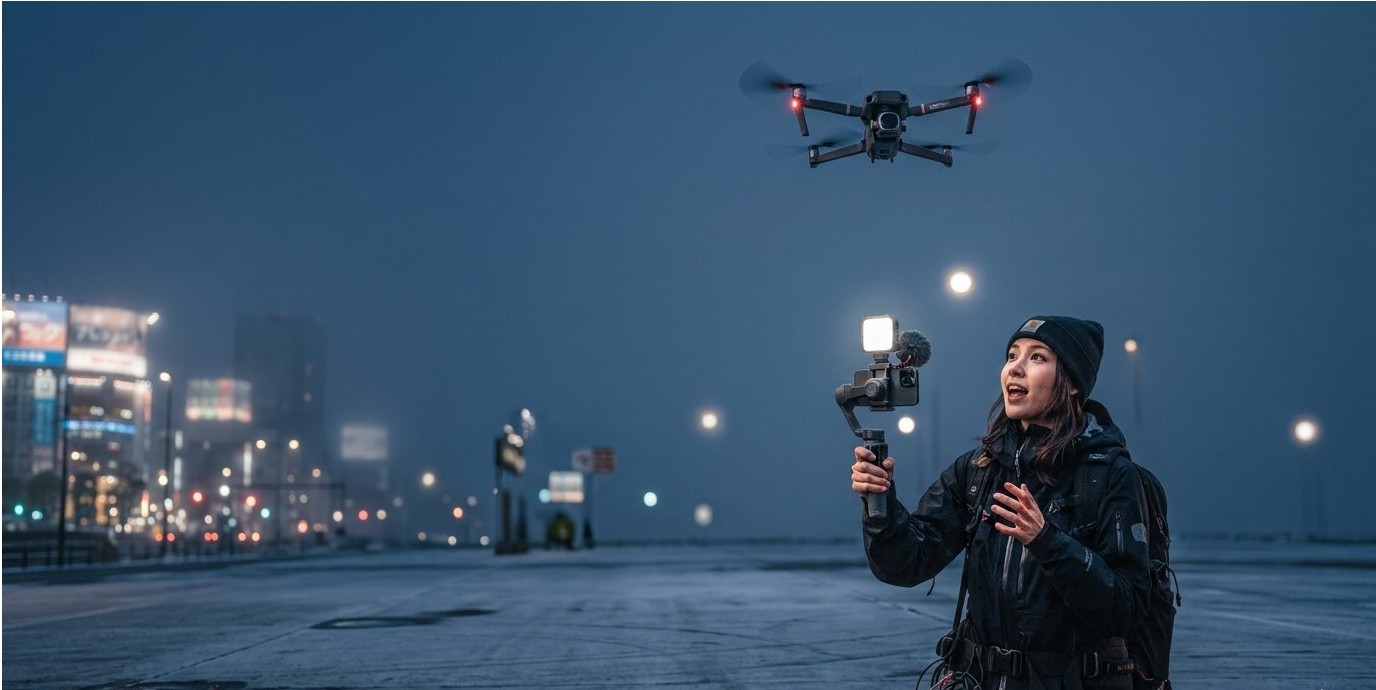

The Drone Ban: Why YouTube Gaming Is Facing Questions Over IRL Streamers and FAA Violations
IRL streaming has become more ambitious than ever.
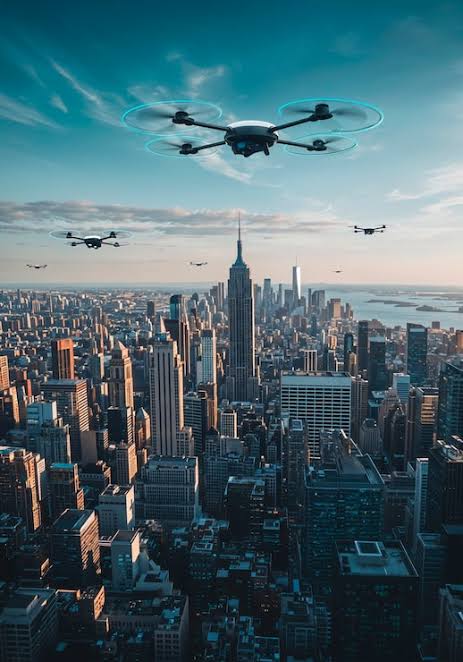
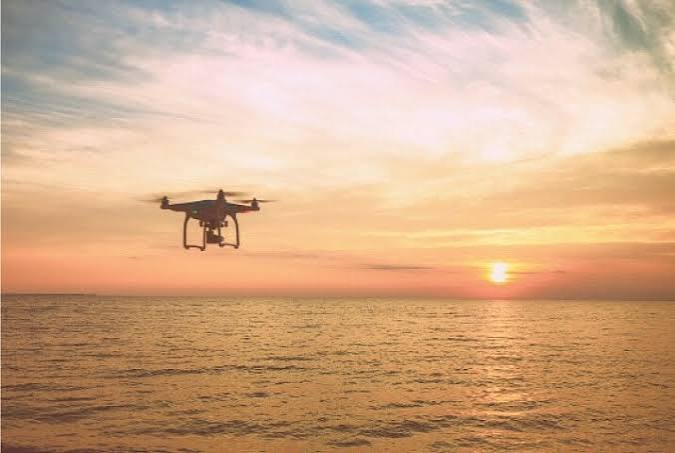
Creators now broadcast from city streets, festivals, beaches, rooftops, sporting events, and remote locations. Smartphones and compact cameras have made outdoor livestreaming easier, while drones have added an entirely new layer of production value.
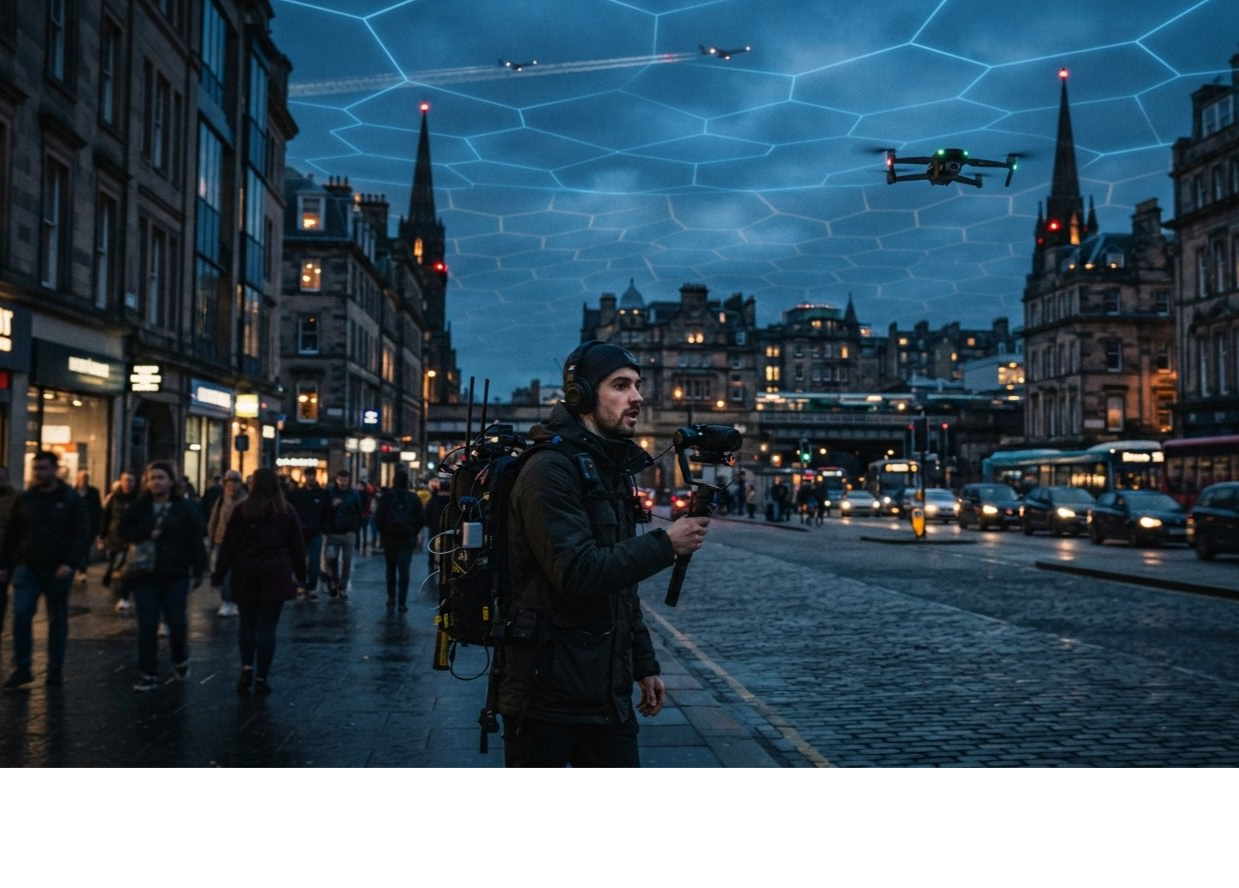
A streamer can walk through a crowded city while a drone follows from above, capturing wide shots that once required a professional camera crew. For viewers, the result can feel closer to a live documentary than a traditional gaming broadcast.
But the combination of drones, crowded urban spaces, and livestreaming creates a serious regulatory problem.
Recent online claims have suggested that YouTube Gaming introduced a major Terms of Service update targeting IRL creators who use follow-me drones in restricted city airspace. Some versions of the story also claim that multiple streamers were suspended over Federal Aviation Administration violations.
Those claims should be treated cautiously. No verified evidence currently confirms a platform-wide YouTube Gaming “drone ban,” a specific Friday TOS update, or a mass suspension campaign linked to follow-me drones.
The underlying issue is real, however. Drone operators in the United States must follow FAA rules, and livestreamers cannot assume that filming content for YouTube gives them permission to fly wherever they want.
────────────────────────────────────────
────────────────────────────────────────
Is YouTube Actually Banning Drone-Based IRL Streams?
The first question is whether YouTube has announced a specific policy banning IRL streamers from using drones.
At present, there is no reliable confirmation of a broad YouTube Gaming policy that automatically suspends creators simply for using a follow-me drone. There is also no verified evidence of a mass TOS update specifically targeting outdoor broadcasters on a particular Friday.
That does not mean drone-related streams are free from platform rules.
YouTube already has policies covering dangerous or illegal activities, harmful behaviour, privacy, harassment, and content that may put people at risk. A livestream involving a drone could attract enforcement if it shows reckless flying, dangerous stunts, interference with aircraft, trespassing, or the exposure of private individuals.
The difference is important.
A creator is not necessarily violating YouTube’s rules because a drone appears in a broadcast. The problem may arise from how, where, and why the drone is being operated.
For example, a controlled drone shot filmed in an approved location is very different from flying over a busy road, following a streamer between buildings, or operating near an airport without the required authorisation.
────────────────────────────────────────
Why the FAA Matters to IRL Streamers
The Federal Aviation Administration regulates the use of airspace in the United States. Drone pilots must follow rules involving registration, operating limits, aircraft safety, remote identification, and restricted areas.
For commercial or business-related drone operations, many pilots operate under FAA Part 107. Depending on the flight, additional permissions may be necessary, particularly near airports, controlled airspace, major events, or other sensitive locations.
The fact that a streamer is producing entertainment does not remove those responsibilities.
A drone used to create YouTube content may still be subject to aviation rules. The operator may need to consider:
Whether the drone must be registered
Whether the pilot has the appropriate certification
Whether the flight takes place in controlled airspace
Whether airspace authorisation is required
Whether the drone is operating over people or moving vehicles
Whether the drone remains within the required visual line of sight
Whether Remote ID requirements apply
Whether local restrictions affect takeoff or landing
Whether the flight creates a risk for pedestrians or other aircraft
These requirements can become difficult to manage during a live broadcast because the environment is constantly changing.
A streamer may suddenly turn down a crowded street, enter a public square, approach a stadium, or move near a heliport. A flight that appeared safe ten minutes earlier may no longer be appropriate.
────────────────────────────────────────
────────────────────────────────────────
The Problem With Follow-Me Drone Technology
Follow-me drones are designed to track a subject automatically. Depending on the model and control system, the drone may use GPS, visual recognition, obstacle avoidance, or a combination of sensors to maintain its position relative to the subject.
That sounds ideal for IRL streaming.
A creator can wear a tracking device, carry a controller, or use a smartphone while the drone follows them through an outdoor environment. The camera can capture walking shots, cycling footage, travel content, and cinematic overhead views without requiring a second camera operator.
But automated tracking is not the same as guaranteed safety.
A drone may struggle with:
Tall buildings
Narrow streets
Power lines
Trees and branches
Crowds
Moving vehicles
Poor GPS signals
Sudden changes in lighting
Wireless interference
Unexpected obstacles
Fast-moving subjects
A drone that successfully follows a creator in an open field may behave very differently in a crowded city centre.
The phrase “follow-me” can also create a false sense of security. The drone may be tracking the streamer, but it is still the operator’s responsibility to understand the surrounding airspace and maintain safe control.
────────────────────────────────────────
Why Cities Are Especially Difficult
Urban airspace is not simply empty space above the streets.
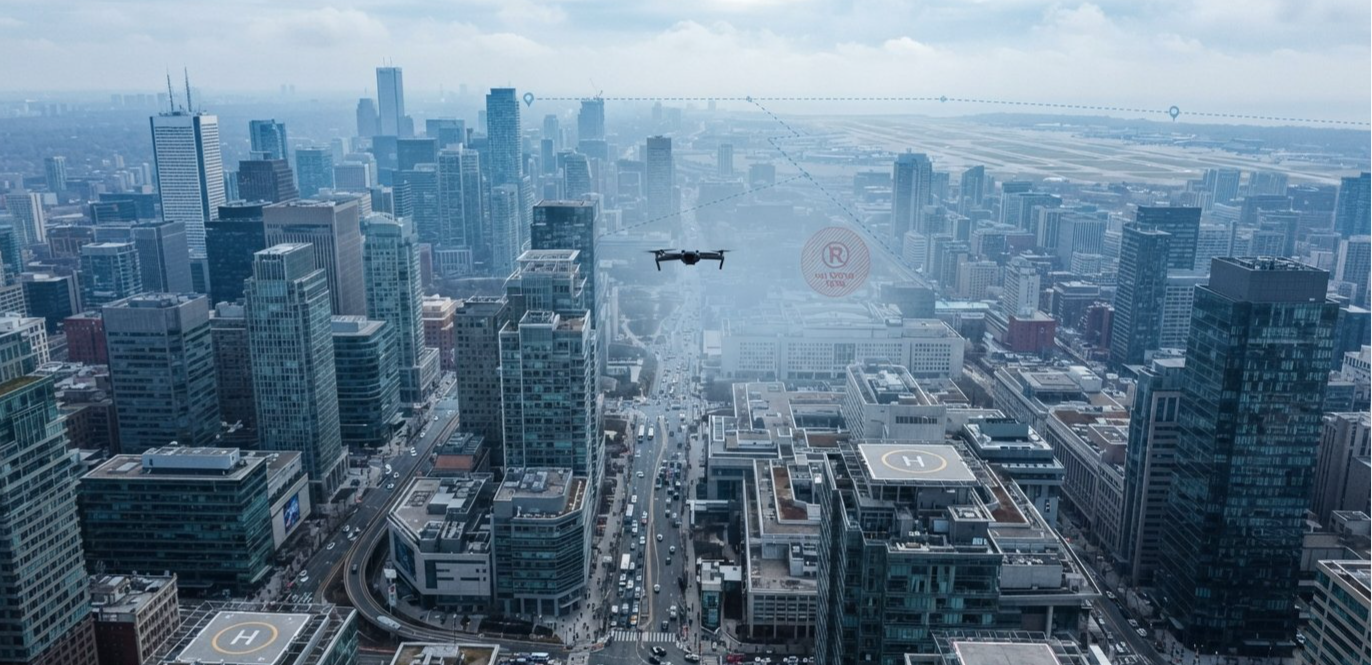
Cities may contain airports, heliports, hospitals, police facilities, government buildings, stadiums, railway stations, construction cranes, rooftop landing areas, and temporary event restrictions. Some restrictions are permanent, while others appear only during emergencies, public gatherings, or major sporting events.
A creator who is unfamiliar with the area may not recognise these risks.
A drone flight can also affect people who never agreed to appear in the stream. A camera may capture balconies, apartment windows, private gardens, office interiors, or individuals who are simply walking through the scene.
That creates a second concern: privacy.
Even when a flight is legal, the resulting footage may still create questions about filming people in sensitive situations. A creator should avoid presenting private individuals as part of a livestream without considering consent, context, and local privacy law.
For Western audiences, this is particularly relevant because drone rules and privacy standards can vary across the United States, the United Kingdom, and European countries.
A flight that may be permitted in one location could require additional permission or be restricted in another.
────────────────────────────────────────
Could YouTube Suspend a Creator Over Drone Footage?
Potentially, yes, but the reason would matter.
YouTube could take action against a creator if a livestream appears to involve dangerous conduct, illegal activity, harassment, privacy violations, or content that violates platform rules. A drone-related suspension would not necessarily mean that all drone footage is banned.
Possible enforcement scenarios could include:
Situation | Possible Concern |
|---|---|
Filming a drone flight in an approved location | Generally lower risk |
Flying near an airport without authorisation | Aviation safety issue |
Operating above a large crowd | Risk of injury |
Flying close to moving traffic | Public safety concern |
Using a drone to harass or follow strangers | Harassment and privacy concerns |
Showing reckless stunts for donations | Dangerous-content concern |
Broadcasting restricted or sensitive locations | Security and privacy concerns |
Repeatedly ignoring warnings | Greater enforcement risk |
The platform may also respond to reports, police requests, aviation investigations, or evidence that a creator is using livestreaming to encourage unsafe behaviour.
That is very different from a blanket rule stating that every IRL streamer with a drone will be suspended.
────────────────────────────────────────
────────────────────────────────────────
The Economics of Drone-Powered IRL Content
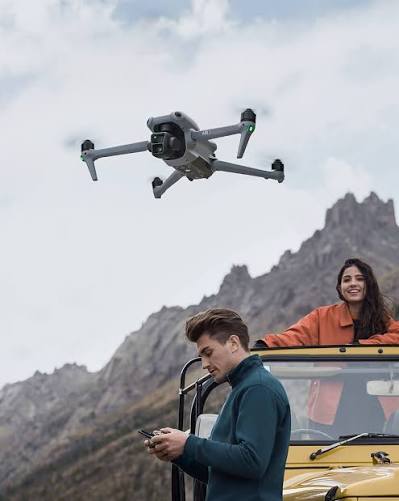
There is a strong commercial reason for creators to experiment with drones.
Aerial footage can make an ordinary livestream look more expensive. A walk through a city becomes a travel documentary. A music festival becomes a large-scale event broadcast. A road trip gains cinematic establishing shots.
That production value can help creators attract:
New subscribers
Sponsorships
Travel partnerships
Tourism campaigns
Brand deals
Higher viewer retention
More shareable clips
However, the same production choice can create additional costs.
Creators may need certified pilots, insurance, permits, backup equipment, safety observers, and legal advice. A drone crash can damage property, injure someone, destroy expensive equipment, or interrupt an entire broadcast.
There is also the possibility of platform instability. If a creator builds their entire business around risky outdoor footage, a temporary suspension or demonetisation decision could affect sponsorship commitments and audience growth.
The financial upside is real, but so is the liability.
────────────────────────────────────────
Why the Alleged TOS Update Is Spreading
The drone-ban story has several ingredients that make it highly shareable.
First, it connects two major creator industries: livestreaming and drone technology. Second, it involves a familiar conflict between creators who want freedom and regulators who prioritise public safety. Third, the idea of streamers being suspended during a major weekend broadcast creates an immediate sense of urgency.
But viral claims often move faster than verification.
A screenshot without a source, a clipped livestream, or a creator saying “YouTube is banning drones” can quickly become a headline. By the time the original context is found, the claim may already have been repeated across social media.
That is why the difference between these statements matters:
“YouTube has banned all drone-based IRL streams.”
“A creator may face enforcement after using a drone recklessly.”
“A new policy update has been officially announced.”
“Viewers are speculating about a possible policy change.”
These are not interchangeable claims.
Until YouTube publishes a clear policy notice or affected creators provide verifiable suspension details, the alleged mass crackdown should remain unconfirmed.
────────────────────────────────────────
How IRL Streamers Can Reduce Their Risk
Creators who use drones during livestreams should treat the drone as aviation equipment, not simply as another camera.
Before going live, they should:
Check the local airspace and any temporary restrictions.
Confirm whether the flight requires authorisation.
Use the correct registration and identification procedures.
Avoid flying over crowds and moving vehicles.
Maintain appropriate control and visual awareness.
Check weather, wind, visibility, and battery conditions.
Avoid airports, heliports, emergency scenes, and sensitive sites.
Consider privacy when filming homes, windows, and strangers.
Use a second person as a safety observer when practical.
Keep a safe landing area available.
Avoid using the drone for stunts or intimidation.
Stop the flight immediately if conditions become unsafe.
Creators should also separate the livestream schedule from the flight plan. A chat demanding a dramatic shot should never override a pilot’s safety decision.
The audience sees the final footage. The operator is responsible for everything that happens before the clip reaches the screen.
────────────────────────────────────────
What This Means for YouTube Gaming
If YouTube eventually introduces stricter rules around drone-based IRL broadcasts, the impact could be significant.
Travel creators, outdoor streamers, event broadcasters, and production teams may need to provide clearer evidence that their footage was captured legally and safely. Platforms could also introduce stronger requirements for dangerous-activity disclosures, age restrictions, location-sensitive moderation, or documentation after an incident.
However, a complete ban would be a blunt solution.
Drones are used for legitimate journalism, travel content, sports coverage, documentaries, and creative production. The real challenge is distinguishing responsible filming from reckless behaviour.
A more realistic future would involve targeted enforcement rather than a total prohibition. Platforms could penalise creators who endanger the public while continuing to allow properly planned aerial content.
That approach would protect viewers and bystanders without eliminating an entire category of livestream production.
────────────────────────────────────────
Final Verdict
The alleged YouTube Gaming drone ban has not been reliably confirmed as a platform-wide policy update or mass suspension campaign. The specific claim about a Friday TOS change targeting follow-me drones in restricted city airspace should therefore be treated as unverified.
The underlying concern is legitimate.
IRL streamers are using increasingly advanced equipment in public environments, and drones introduce aviation, privacy, and safety responsibilities that cannot be ignored. A creator may be producing entertainment, but the aircraft is still operating in real airspace around real people.
The future of drone-powered livestreaming will probably not be decided by whether drones are exciting. It will be decided by whether creators can use them responsibly.
For streamers, the message is simple: check the airspace, respect the rules, protect the public, and never let live chat pressure turn a cinematic shot into an aviation incident.
────────────────────────────────────────
Internal Links
How to Stream on Discord: Complete Streaming Guide
Discord Go Live Streaming Guide
────────────────────────────────────────
External Reference Links
Federal Aviation Administration