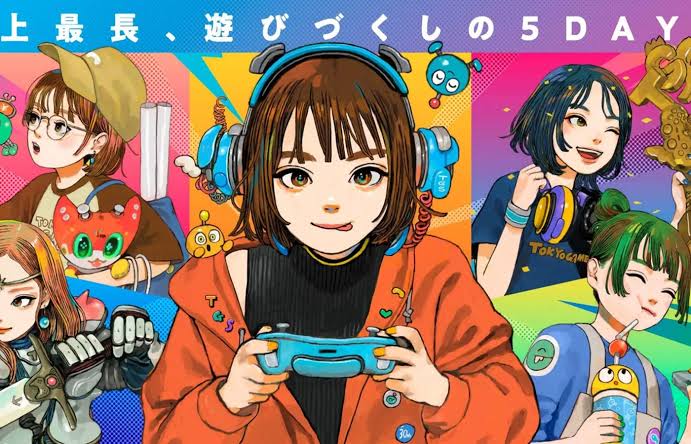

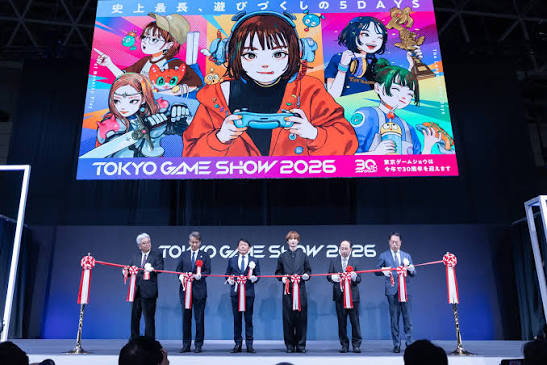
Tokyo Game Show 2026 was supposed to make history with its 30th anniversary celebration. Instead, severe weather turned the final day into an unexpected disruption for organizers, attendees, exhibitors, and streamers.
As Typhoon No. 25 approached Japan, organizers announced that the September 21 event at Makuhari Messe would be canceled for the entire day. Concerns over heavy rain, strong winds, transportation disruptions, and overall safety made continuing the physical event too risky.
The cancellation was particularly significant because TGS 2026 had been planned as a five-day anniversary event. With the final day removed, creators who had built their coverage schedules around the convention floor suddenly had to rethink their plans.
A Historic TGS Suddenly Loses Its Final Day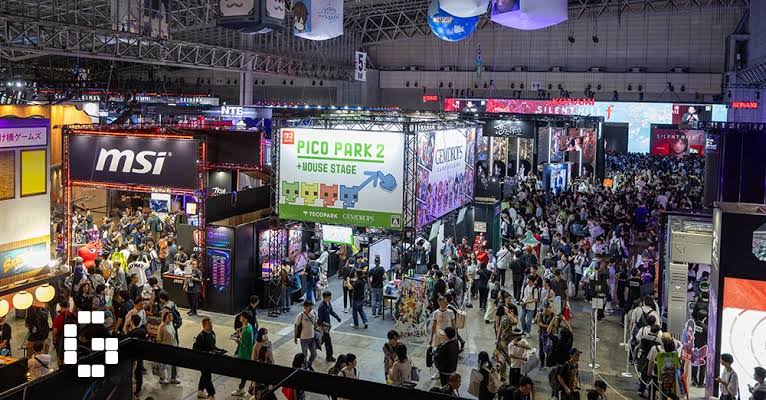
The September 21 cancellation wasn't simply a minor schedule adjustment. TGS had been preparing for its 30th anniversary with an expanded five-day format, making the final day especially important.
For attendees, the cancellation meant losing an entire day of booths, demonstrations, developer appearances, merchandise opportunities, and hands-on gaming experiences.
For streamers, the disruption was even more complicated.
Many creators organize their coverage around specific appointments. A typical convention day might involve recording a developer interview in the morning, visiting several booths, capturing gameplay footage, and ending the day with a livestream or reaction session.
When the venue itself closes, that entire production schedule can disappear almost instantly.
Streamers Had to Pivot From the Show Floor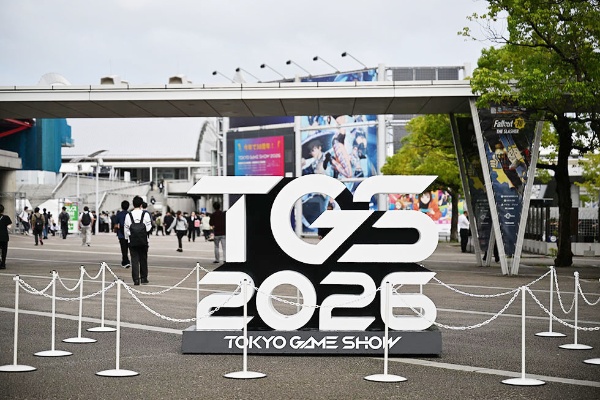
TGS has become much more than a traditional gaming exhibition. For modern creators, the show floor is effectively a massive content studio.
Every booth can potentially become a video. Every developer meeting can become an interview. Every gameplay demo can become a first-look stream.
The cancellation forced creators to look for alternatives.
Instead of relying entirely on physical footage, streamers could shift toward recorded interviews, online showcases, previously captured footage, developer announcements, trailers, reactions, and discussions about the games revealed during the event.
This created a strange situation where the convention itself was disrupted while the gaming news surrounding it continued.
When the Weather Became Part of the Story
The biggest challenge wasn't simply losing access to the venue. Severe weather also created uncertainty around transportation.
For a large international gaming event, thousands of people may depend on trains, buses, taxis, and other forms of transportation to reach the venue and return to their hotels.
That makes extreme weather particularly disruptive.
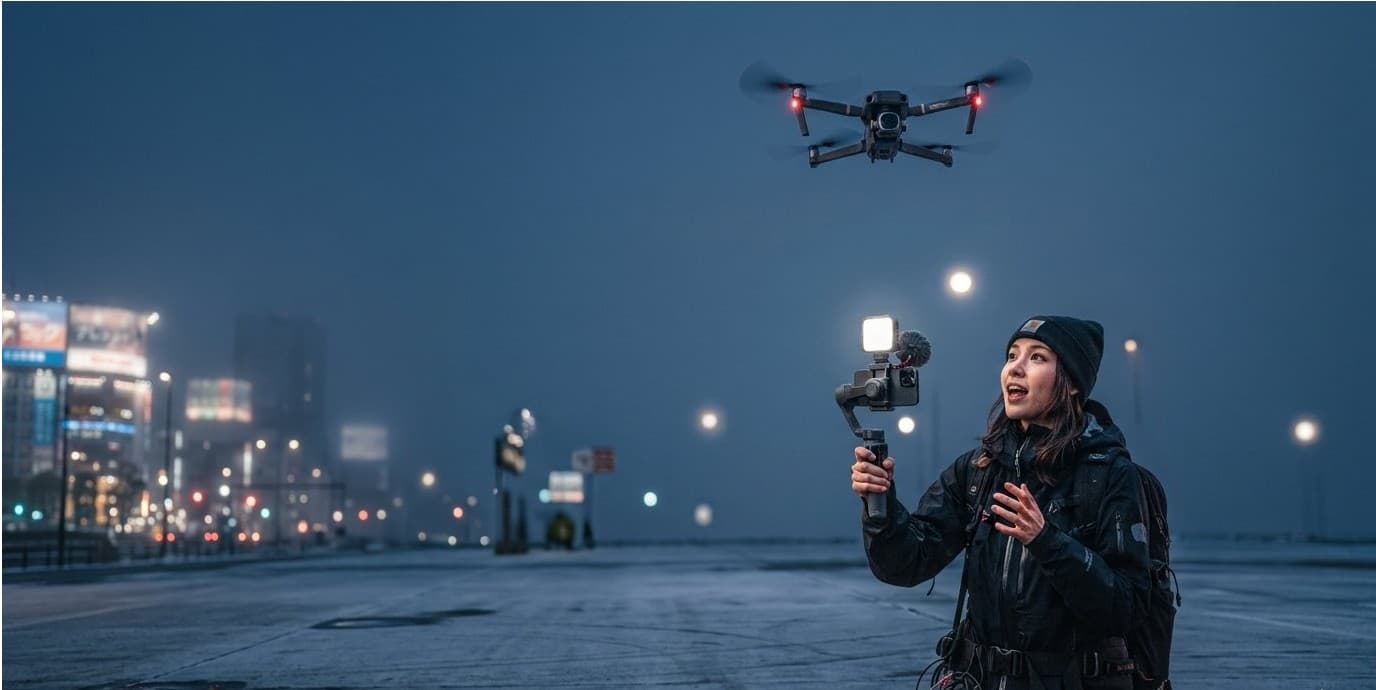
A streamer might have equipment packed for a full day of broadcasting but suddenly find that traveling to the venue is unsafe or impractical. Production schedules can change within hours, forcing creators to decide whether to postpone content, move it online, or completely change the subject of their stream.
In this case, the weather itself became part of the coverage.
Instead of simply reporting on games, creators were also discussing the cancellation, transportation concerns, changing schedules, and how the industry was responding.
Online Coverage Keeps TGS Moving
The cancellation of the physical show floor didn't necessarily mean the end of TGS-related content.
Online programming provided another way for developers and publishers to reach audiences.
For streamers, this created an opportunity to continue covering announcements without physically being inside Makuhari Messe. Online showcases could be watched, analyzed, and discussed from practically anywhere.
Creators could react to trailers, break down announcements, discuss upcoming games, and interact with viewers while the original convention schedule was being disrupted.
In some ways, the situation demonstrated how much gaming events have changed.
A major convention no longer exists entirely inside a convention center. Its livestreams, social-media posts, trailers, interviews, and creator coverage can continue even when the physical venue cannot.
A 30th Anniversary With an Unexpected Ending
TGS 2026 was designed to be a major anniversary celebration, but the September 21 cancellation gave the event an ending nobody had planned for.
For streamers, however, the disruption demonstrated the importance of flexibility.
Live content depends on schedules, locations, equipment, internet connections, transportation, and access to venues. When one of those pieces disappears, creators have to find another way to keep their audiences engaged.
The TGS cancellation ultimately became part of the story itself.
Rather than simply covering what happened inside the convention center, streamers found themselves documenting what happened when the convention center was no longer available.
And that may be one of the clearest examples of how modern gaming coverage has evolved: the show can change, but the content doesn't necessarily have to stop.