
xQc’s Stance on GTA 6 Leaks: A Turning Point for Creator Reactions
For years, gaming leaks have been treated as an unavoidable part of the internet.
A new screenshot appears on social media. A private build is allegedly accessed. A dataminer discovers hidden dialogue, unused missions, or story details buried inside a game’s files. Within minutes, the information spreads across Reddit, YouTube, TikTok, Discord, and livestream chats.
For fans waiting years for a major release, that process can feel less like news and more like an invasion.
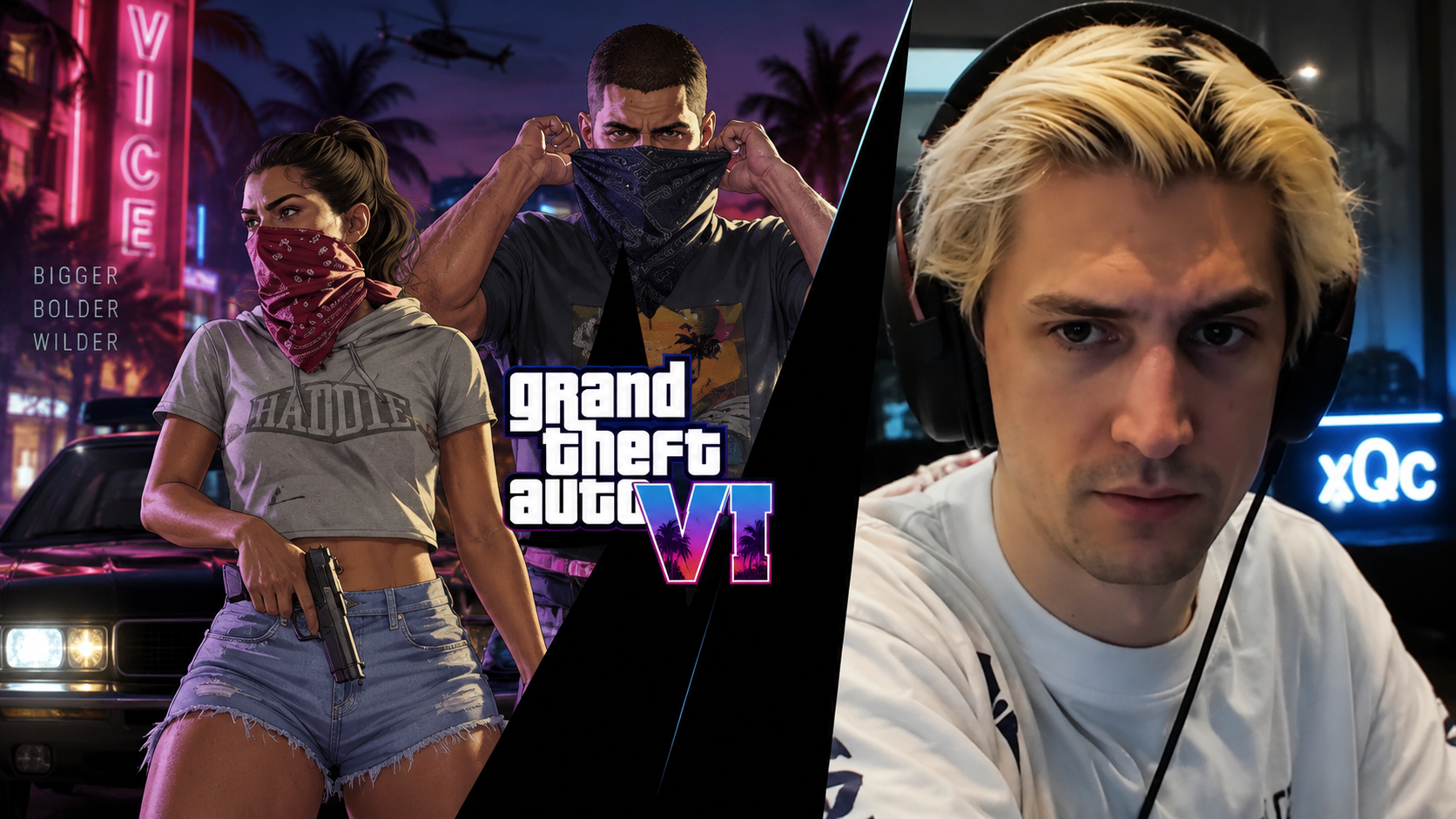
That is the argument behind xQc’s recent criticism of people sharing unreleased Grand Theft Auto 6 material. In clips circulating online, the streamer attacked the idea that leakers are doing fans a favour, arguing that many genuine players would rather experience the game for themselves than see its biggest surprises exposed ahead of launch. Reports about his comments appeared in August 2026, amid a fresh wave of alleged GTA 6 leaks.
The reaction is notable because xQc is not simply another viewer complaining about spoilers. He is one of the most visible personalities in online gaming culture, with a career built around live reactions, commentary, controversy, and audience participation.
His position raises a wider question:
When does reacting to gaming information become part of the leak problem?
────────────────────────────────────────
What Did xQc Say About the GTA 6 Leaks?
The reported comments focused on the person distributing new GTA 6 material and the belief that “real fans” do not necessarily want to see the game before Rockstar Games is ready to show it.
The criticism was aimed less at ordinary speculation and more at the active circulation of unreleased footage and information. The distinction matters because GTA 6 is not a typical upcoming release. It has been the subject of years of anticipation, online theories, fake claims, supposed leaks, and intense scrutiny.
A major leak can reveal more than a technical detail. It can expose:
- Story developments
- Character relationships
- Mission structures
- Locations
- Gameplay systems
- Unannounced features
- Visual changes between development builds
- Potential plot twists
Once those details reach the public, they cannot easily be contained.
Even fans who avoid the original leak may encounter a spoiler through a thumbnail, a livestream title, a clipped reaction, or a social media recommendation.
────────────────────────────────────────
Why GTA 6 Spoilers Feel Different
Spoilers are not new to gaming. Major releases have always faced leaks, early copies, datamining, and accidental reveals.
But GTA 6 exists in a different category because of the scale of its cultural anticipation.
Rockstar’s next Grand Theft Auto has been discussed for more than a decade. The game’s official marketing has been carefully controlled, while fans have analysed every trailer frame, screenshot, casting detail, map theory, and development rumour.
That long wait has created a powerful expectation: players want to discover the world themselves.
For some fans, the first playthrough is not just about completing missions. It is about seeing the opening sequence, meeting characters, discovering the map, hearing dialogue, and finding unexpected systems without outside influence.
A leaked clip can damage that experience even if it reveals only a few seconds of footage.
The Spoiler Chain
A leak usually travels through several stages:
- Someone obtains or claims to obtain unreleased material.
- The material is posted in a small online community.
- Larger accounts repost screenshots or clips.
- Streamers react to the information.
- Short-form creators remove the original context.
- Algorithms push the most emotional reactions to wider audiences.
- Fans who never searched for the leak encounter it anyway.
This is why some players are frustrated with creators who react to leaked information. Even when the creator did not obtain the material, their coverage can increase its reach.
────────────────────────────────────────
Datamining Is Not the Same as Leaking
The debate becomes more complicated because the terms datamining and leaking are often used interchangeably.
They are related, but they are not identical.
What Is Datamining?
Datamining involves examining files, code, assets, or other data to discover information that may not be immediately visible to players.
In some cases, dataminers study a publicly available game update to identify upcoming content. This can reveal:
- Future items
- Character names
- Event schedules
- Hidden assets
- Development references
- Unreleased features
Datamining can be a technical hobby and, in some communities, a respected form of research.
What Is a Leak?
A leak generally refers to information released without the developer or publisher’s authorisation. It may come from:
- Stolen files
- Private development builds
- Internal footage
- Unauthorised access
- Employees or contractors
- Compromised accounts
- Early physical copies
- Private testing material
The ethical and legal circumstances can vary considerably.
A person examining publicly accessible data is not necessarily doing the same thing as someone distributing stolen development footage. However, the result can still be disruptive when the information is published without context or warning.

────────────────────────────────────────
Why xQc’s Reaction Matters
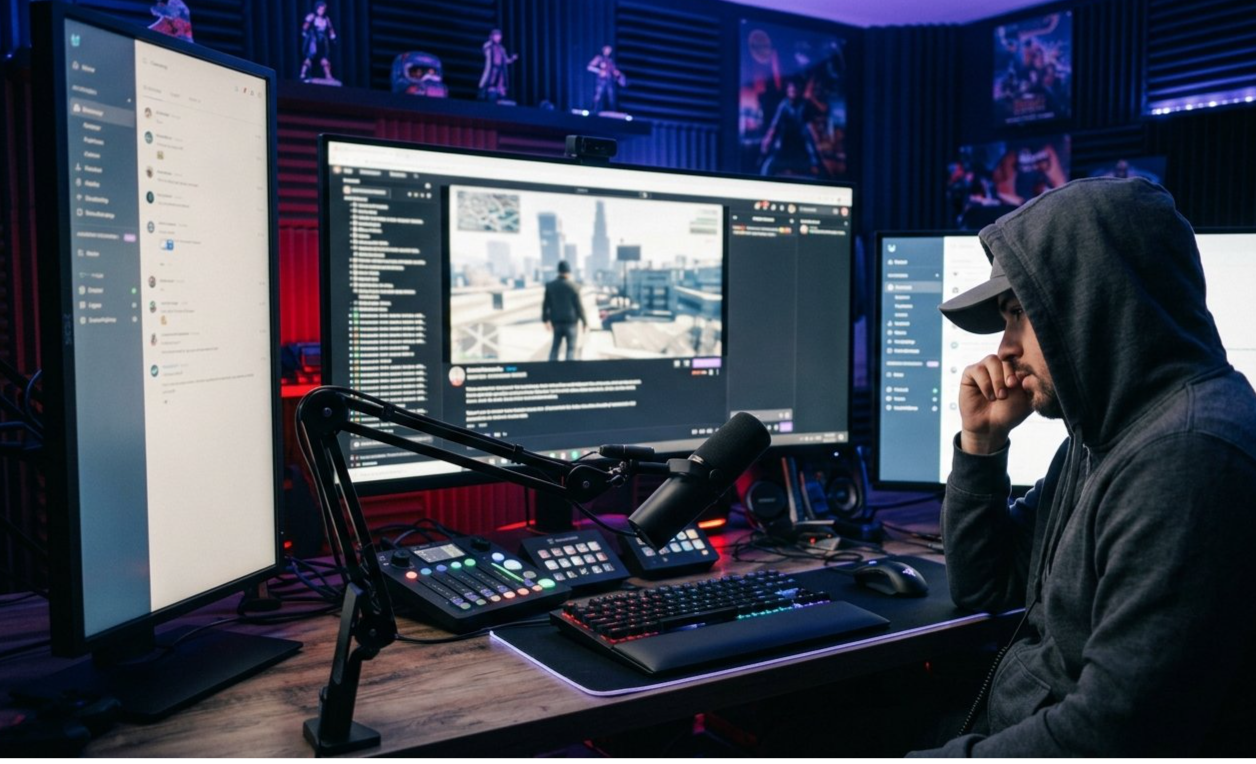
xQc has spent much of his career at the centre of internet reaction culture.
His streams often involve watching clips, discussing online controversies, responding to community debates, and giving immediate opinions on gaming and entertainment news. That makes his criticism of GTA 6 leaks particularly interesting.
The same reaction-based ecosystem that makes streamers influential can also amplify information that fans would prefer to avoid.
A streamer may believe they are simply discussing something that is already public. But their audience may be much larger than the original leak’s audience. A short reaction clip can introduce thousands of new people to footage they had not previously seen.
This creates a contradiction for modern creators:
They can oppose leaks while still benefiting from the attention generated by leak-related controversy.
That does not automatically mean every reaction streamer is acting in bad faith. A creator may criticise the leak, avoid showing footage, and focus on the broader issue. The problem arises when the reaction reproduces the spoiler, displays the material repeatedly, or uses sensational thumbnails to attract viewers.
The difference between responsible commentary and amplification often comes down to presentation.
────────────────────────────────────────
The Creator Responsibility Problem
A streamer does not need to support a leak to help it spread.
Coverage can increase visibility through:
- Video titles
- Thumbnail images
- On-screen footage
- Repeated verbal descriptions
- Chat messages
- Clips posted to social media
- Reaction compilations
- Speculative “what this means” videos
Even a negative reaction can function as promotion.
This is especially relevant for GTA 6 because the game’s name alone is enough to attract clicks. A creator can build a successful video around a leak without adding much original information. The controversy becomes the product.
A More Responsible Reaction Format
Creators who want to discuss leaked material could:
- Avoid displaying unreleased footage.
- Avoid repeating major story details.
- Use spoiler warnings before discussing the topic.
- Explain whether the material is verified.
- Separate confirmed facts from speculation.
- Credit the original reporting without linking directly to stolen files.
- Focus on the impact of leaks rather than the content of the leak.
- Give viewers a clear choice before revealing details.
This approach still allows discussion without making the spoiler unavoidable.
────────────────────────────────────────
Rockstar’s Secrecy Has Become Part of the Story
GTA 6’s development has been surrounded by unusually intense security concerns.
Recent reporting has described efforts to protect development information, including claims involving hackers, blackmail attempts, and drones allegedly being used to capture material connected to Rockstar’s work. The reports emerged in connection with an employment tribunal and should be treated within that specific context rather than as proof of every online leak claim.
The pressure is understandable. Rockstar is protecting one of the most commercially important releases in the industry, while fans and online communities are constantly searching for new information.
But secrecy creates its own tension.
The less a publisher reveals, the more the internet tries to fill the gaps. That encourages:
- Frame-by-frame trailer analysis
- Rumour accounts
- Anonymous insiders
- Fake screenshots
- AI-generated “leaks”
- Datamining speculation
- Unverified gameplay claims
The result is an information environment where genuine reporting, technical discoveries, fabricated material, and stolen footage can appear side by side.
────────────────────────────────────────
The Rise of Fake GTA 6 Leaks
Not every alleged GTA 6 leak is real.
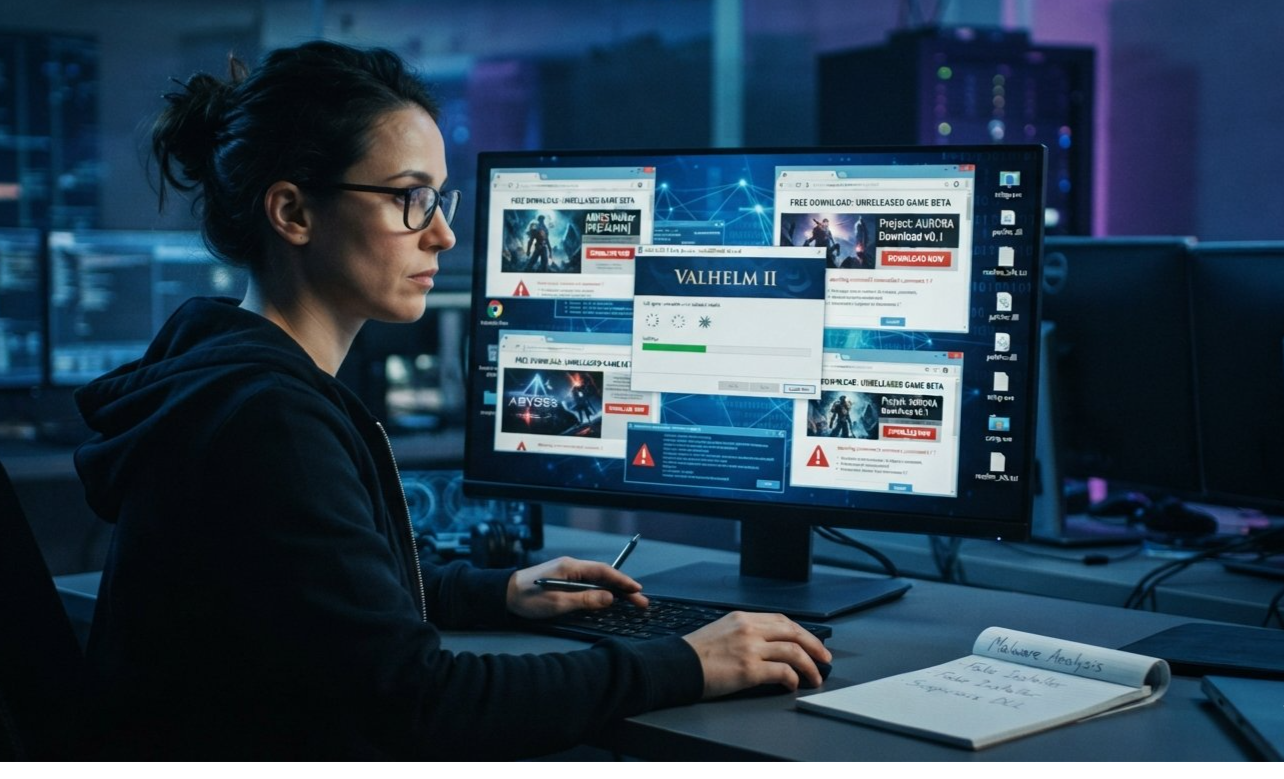
As the game’s release approaches, fake installers, fabricated screenshots, edited videos, and misleading social media posts can attract enormous attention. Security researchers have also warned about malicious files disguised as GTA 6 downloads, including malware designed to steal passwords or provide remote access to infected systems.
This adds another reason for creators to be cautious.
A streamer reacting to an unverified clip may unintentionally legitimise it. Viewers can interpret a large creator’s attention as proof that the material is authentic, even when the streamer has not independently verified the source.
A responsible reaction should therefore begin with basic questions:
Question | Why it matters |
|---|---|
Where did the material originate? | Helps assess credibility |
Is the footage edited? | Prevents misleading conclusions |
Does the clip show a development build? | Features may not appear in the final game |
Has Rockstar confirmed it? | Separates official information from speculation |
Could the file contain malware? | Protects viewers from fake downloads |
Does discussing it reveal major spoilers? | Protects the audience’s experience |
────────────────────────────────────────
Are Fans Really Tired of Having Games Spoiled?
There is no single “real fan” opinion.
Some players want to know everything before launch. They enjoy theories, leaks, datamining, and detailed speculation. For them, discovering hidden information can be part of the excitement.
Others want complete secrecy. They avoid trailers, mute keywords, leave gaming forums, and refuse to watch reaction videos until they have finished the game.
Both approaches are legitimate.
The problem is not that one group exists. The problem is that spoiler-heavy content often escapes the audience that actively wants it.
A person searching for GTA 6 theories may be happy to watch leaked footage. A person watching unrelated gaming content may not want a major character or mission revealed in a thumbnail.
That is why responsible spoiler handling matters more than declaring one group the only authentic fanbase.
────────────────────────────────────────
Could This Become a Turning Point for Streamer Reactions?
xQc’s comments may not create a new industry rule by themselves, but they reflect a growing discomfort with reaction content that relies on information obtained through questionable methods.
The creator economy has changed the way gaming news travels. In the past, a leak might be discussed on a forum or reported by a specialist website. Today, the same information can become a livestream topic, a YouTube Short, a TikTok sound, a Discord debate, and a trending search term within hours.
Streamers are now part of the distribution chain.
That means they have more influence than simply offering an opinion. They help decide:
- Which stories receive attention
- Which rumours appear credible
- Which spoilers become unavoidable
- Which leakers gain followers
- Which controversies become profitable
A creator who refuses to show leaked material may lose some short-term clicks. However, they may also build greater trust with viewers who appreciate having their experience protected.
────────────────────────────────────────
What This Means for GTA 6 Coverage
As GTA 6 moves closer to release, the pressure on gaming creators will intensify.
Every new screenshot, rumour, alleged leak, or datamined discovery could generate thousands of reactions. Some coverage will be useful. Some will be speculative. Some may be deliberately misleading.
Viewers should expect more spoiler warnings, blurred footage, and debates about whether certain information should be published at all.
Creators, meanwhile, may need to make clearer editorial choices.
There is a difference between saying:
“A new alleged leak is circulating, but its authenticity has not been verified.”
And saying:
“Here is the leaked scene everyone is talking about.”
The first informs the audience. The second can turn the audience into part of the leak’s distribution network.
────────────────────────────────────────
The Platform TOS Question
The issue also raises questions about how platforms handle leaked game content.
Streaming and video platforms may have rules covering:
- Copyright infringement
- Stolen or unauthorised material
- Privacy violations
- Hacked content
- Malicious downloads
- Harassment of developers
- Deceptive or misleading content
However, not every discussion of a leak automatically violates platform rules. Commentary, criticism, reporting, and transformative reaction may be treated differently from simply reposting an unauthorised recording.
The practical concern is that creators may not know where the boundary lies.
A platform could remove a direct upload of stolen footage while allowing a discussion about the controversy. It might also take action against content that links viewers to malicious files or encourages harassment of developers.
The safest approach for creators is to avoid hosting or redistributing questionable material and instead focus on verified reporting, public statements, and the wider consequences of leaks.
────────────────────────────────────────
Final Takeaway
xQc’s criticism of GTA 6 dataminers is part of a larger debate about what gaming audiences actually want from creators.
Some fans want every detail immediately. Others have waited years for the chance to experience GTA 6 without knowing its biggest surprises. Neither group is automatically more authentic, but everyone should have a reasonable chance to choose how much they want to see.
The responsibility increasingly falls on streamers and video creators.
A reaction can criticise a leak without displaying it. A news report can acknowledge an alleged story without repeating its spoilers. A creator can discuss the controversy without turning stolen or unverified material into entertainment.
That may not generate the loudest clip, but it can create something more valuable: trust.
For a game as heavily anticipated as GTA 6, protecting the first-time experience may become one of the most important forms of creator responsibility.
────────────────────────────────────────
Recommended Internal Links
Recommended External Links
────────────────────────────────────────