
Your next AMD graphics card might cost more before the year is over.
Reports emerging in September suggest AMD could increase prices for consumer GPU chips, motherboard chipsets, and AI accelerators by around 10% during Q4 2026, with the reported change being linked to higher manufacturing costs at TSMC. The information comes from supply-chain reporting rather than a public AMD announcement, so the exact retail impact remains uncertain.
That distinction matters.
A reported 10% increase in AMD's chip pricing does not automatically mean every Radeon graphics card will suddenly become 10% more expensive. Board partners, retailers, inventory levels and margins can all affect the final price.
Still, for PC builders who were hoping GPU prices might finally settle down, another increase in the cost of silicon is an uncomfortable development.
Why TSMC Is at the Center of the Problem
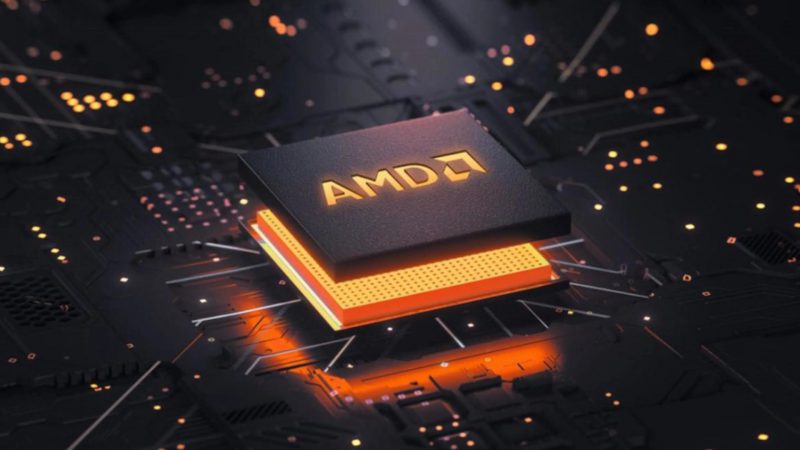
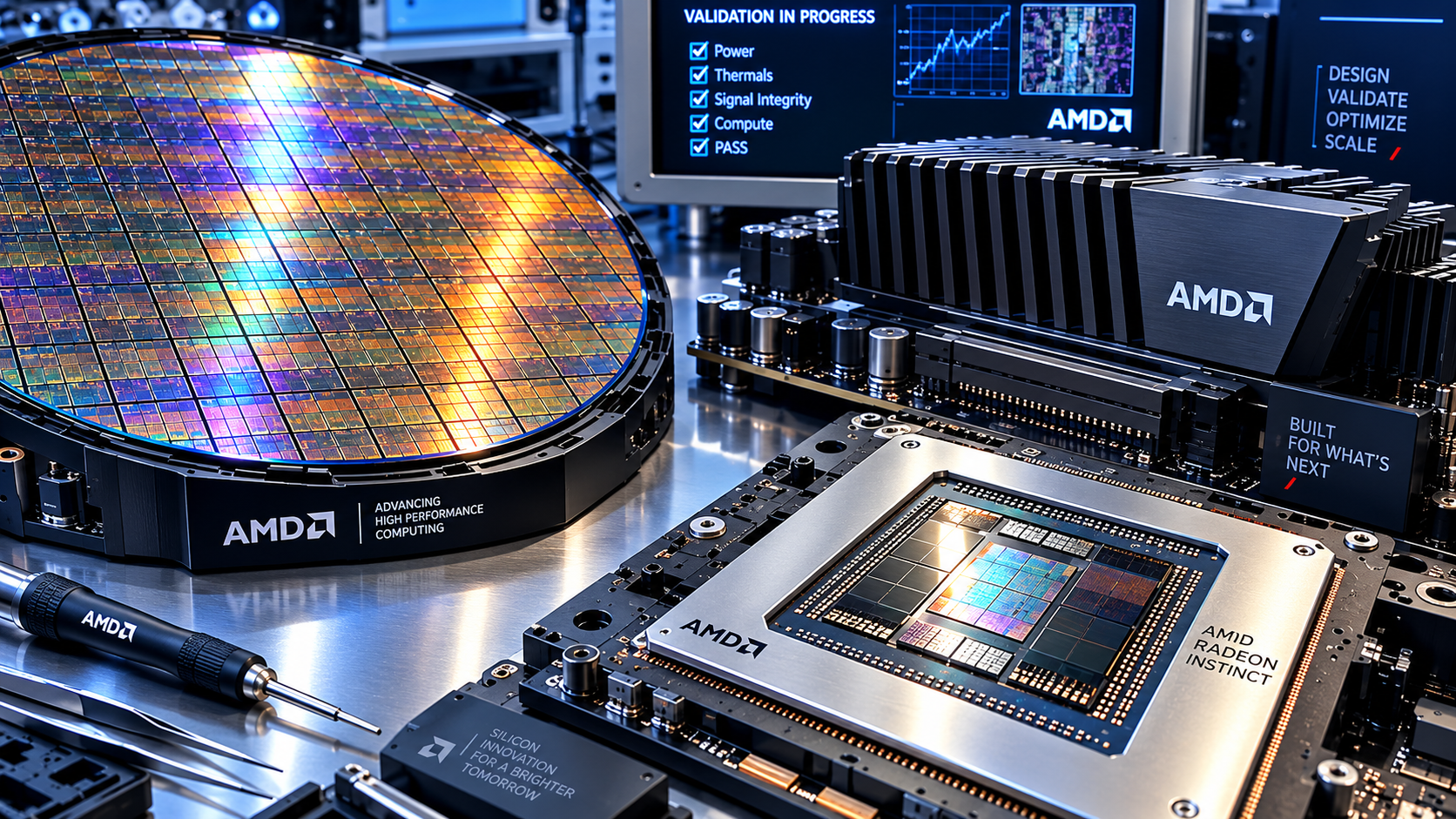
AMD is a fabless semiconductor company, meaning it designs its processors and graphics technologies but relies on external foundries to manufacture much of its silicon.
TSMC is one of AMD's most important manufacturing partners.
Reports throughout 2026 have pointed toward rising manufacturing costs at TSMC, with advanced semiconductor production becoming increasingly expensive.
That creates a difficult situation for chip designers such as AMD.
If the cost of manufacturing a GPU increases, AMD has several choices. It can absorb the additional expense, reduce margins, renegotiate other parts of its supply chain, or eventually pass some of the increase on to customers.
The reported Q4 adjustment suggests the last option could be becoming more important.
What the Reported 10% Increase Actually Covers
According to the current reports, three major categories are specifically mentioned:
Consumer graphics processors
These are the chips powering Radeon graphics cards.
Motherboard chipsets
This could put additional pressure on AMD-based motherboard pricing.
AI accelerators
AMD's data-center and AI hardware would also reportedly be affected.
Ryzen CPUs are a more complicated case. Some reports speculate that processors could eventually be affected because AMD also uses TSMC manufacturing for many of its CPUs, but the Q4 reports specifically focus on GPUs, AI accelerators and motherboard chipsets rather than confirming a Ryzen price increase.
So, for now, the safest interpretation is that the 10% figure refers to reported chip-price increases rather than a confirmed 10% retail increase across AMD's entire product lineup.
Your Graphics Card Probably Won't Rise by Exactly 10%
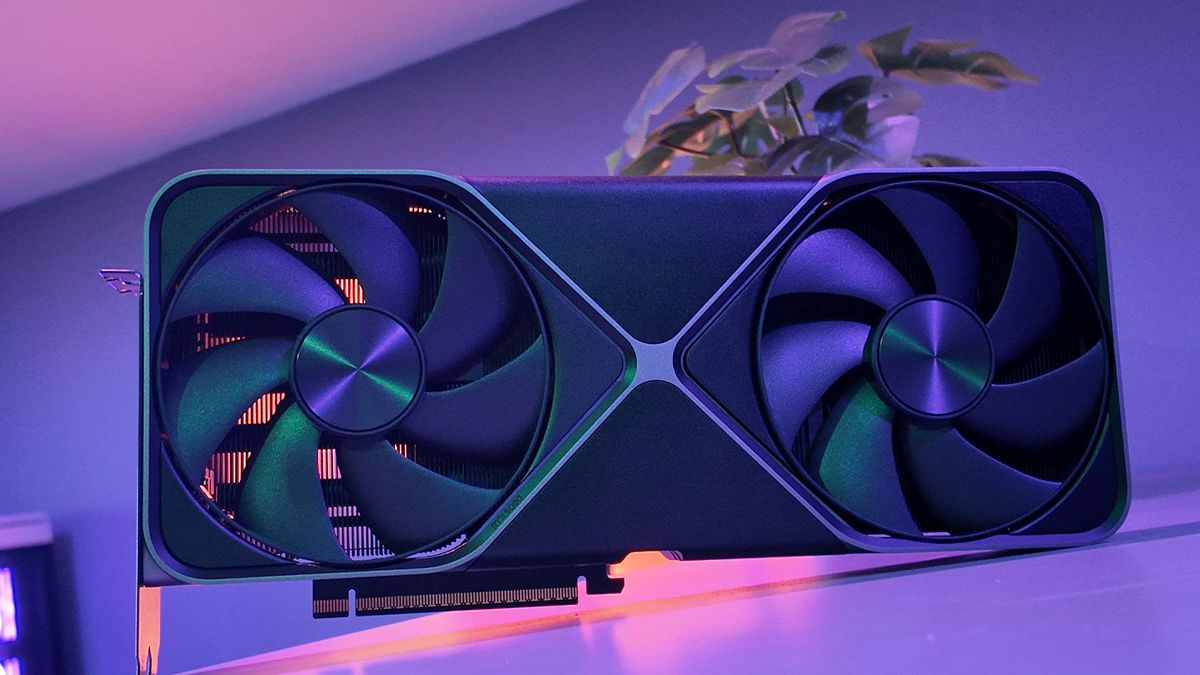
This is where things get interesting.
Imagine an AMD GPU chip becomes 10% more expensive for a board partner. That doesn't mean the complete graphics card automatically receives the same percentage increase.
A Radeon card also contains:
- VRAM
- PCB components
- Power-delivery hardware
- Cooling hardware
- Fans
- Manufacturing and assembly costs
- Packaging
- Distribution costs
- Retail margins
If the GPU silicon represents only part of the finished card's cost, a 10% increase at the chip level could translate into a smaller percentage increase at retail.
But there is another possibility.
Manufacturers could decide to protect their margins by passing more of the increased cost down the supply chain. Retailers could then adjust prices depending on demand and inventory.
That means the final result could vary significantly between different Radeon models.
Motherboards Could Feel the Squeeze Too
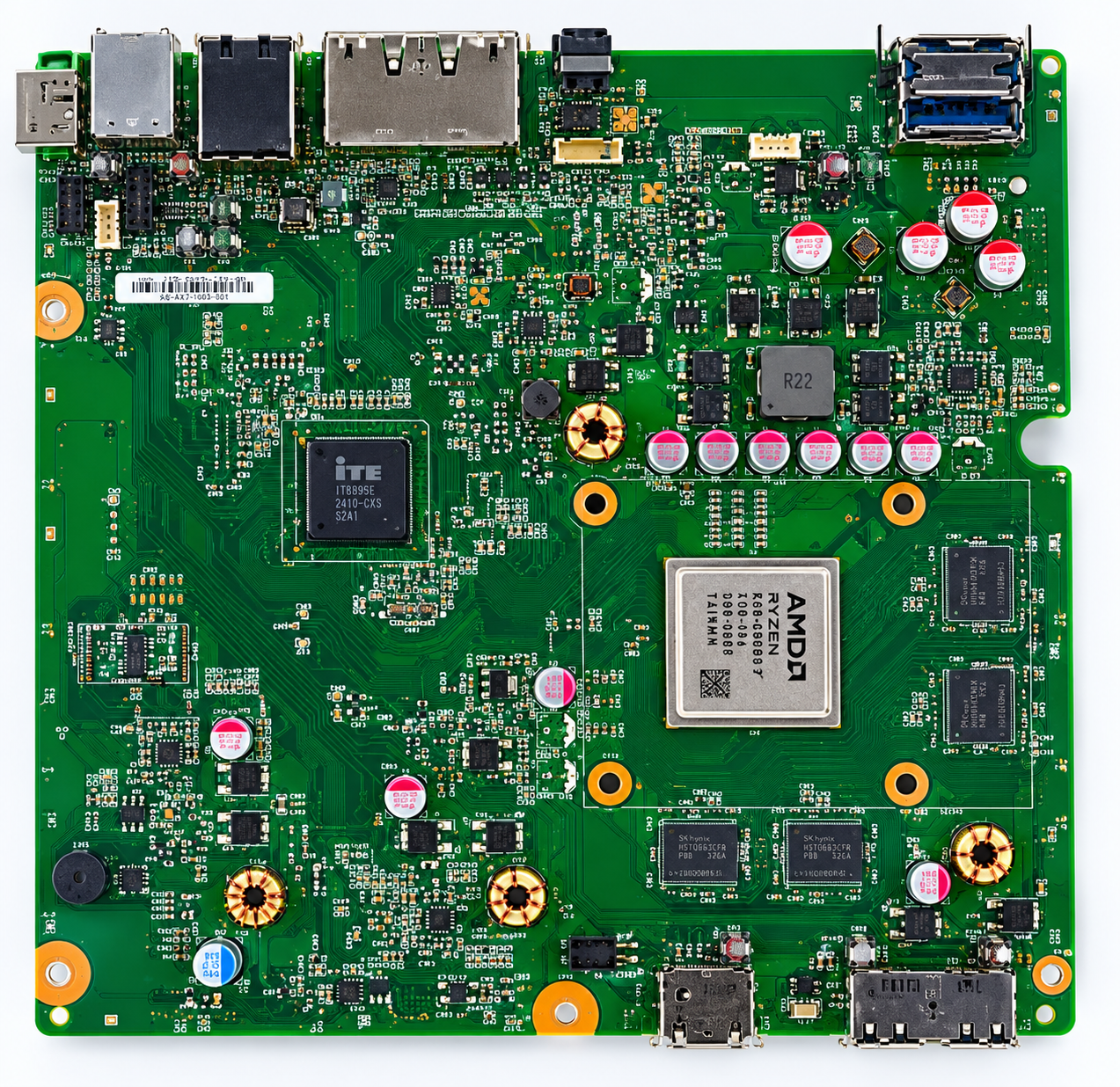
The motherboard side of the story is particularly interesting because the reported increase specifically includes AMD motherboard chipsets.
Unlike a graphics card, a motherboard has a much larger collection of components. The chipset is only one part of the overall product.
Even so, higher chipset costs can add another layer of pressure to manufacturers already dealing with component, logistics and memory expenses.
For consumers building an AMD-based system, that could potentially create a situation where both the graphics card and motherboard become more expensive around the same time.
And that's before considering CPU pricing, which remains unconfirmed in the current reports.
The Bigger Problem: Timing
The timing could be more important than the number itself.
The reports place the alleged AMD adjustment in Q4 2026, meaning October through December.
At the same time, broader industry reports have pointed toward additional TSMC pricing pressure extending into 2027.
That's why the current situation needs to be treated carefully.
There appear to be two overlapping stories:
The Q4 AMD report: A supply-chain report claims AMD could raise prices around 10% on certain chips before the end of 2026.
The broader TSMC increase: Separate industry reporting points toward additional manufacturing-cost increases beginning in 2027.
The first remains unconfirmed by AMD and TSMC.
What Happens Next?
The biggest question is whether AMD, its board partners and retailers actually allow the reported increase to reach consumers.
Existing inventory could temporarily shield shoppers from higher prices. Some manufacturers could absorb part of the additional expense. Others could adjust their margins or increase prices on selected products.
And GPU pricing is already influenced by factors beyond manufacturing costs, particularly memory availability and demand.
That makes the eventual retail price difficult to predict.
What is clear is that the semiconductor supply chain is entering another period of cost pressure. If manufacturing becomes more expensive, companies that depend heavily on external foundries will have to decide how much of that increase they can absorb.
AMD could therefore face a difficult balancing act between manufacturing costs, product margins and consumer pricing.
🎮 The Bottom Line
The rumored AMD GPU price hike is not yet a confirmed 10% increase on every Radeon graphics card sitting on store shelves. The current reporting points instead to a roughly 10% increase in certain AMD chip prices during Q4, attributed to higher TSMC manufacturing costs.
If the reports prove accurate, however, the pressure could eventually move through the supply chain and make Radeon GPUs and AMD-based motherboards more expensive.
For PC builders, the important number isn't necessarily 10%.
It's the possibility that the cost of building a gaming PC could continue climbing even after the hardware itself has already reached the market.
Would another AMD price increase change your plans for your next PC build?