
🖥️ NVIDIA RTX PRO 5500: The Blackwell Architecture Moves to the Studio
NVIDIA has quietly added another serious GPU to its Blackwell workstation lineup.
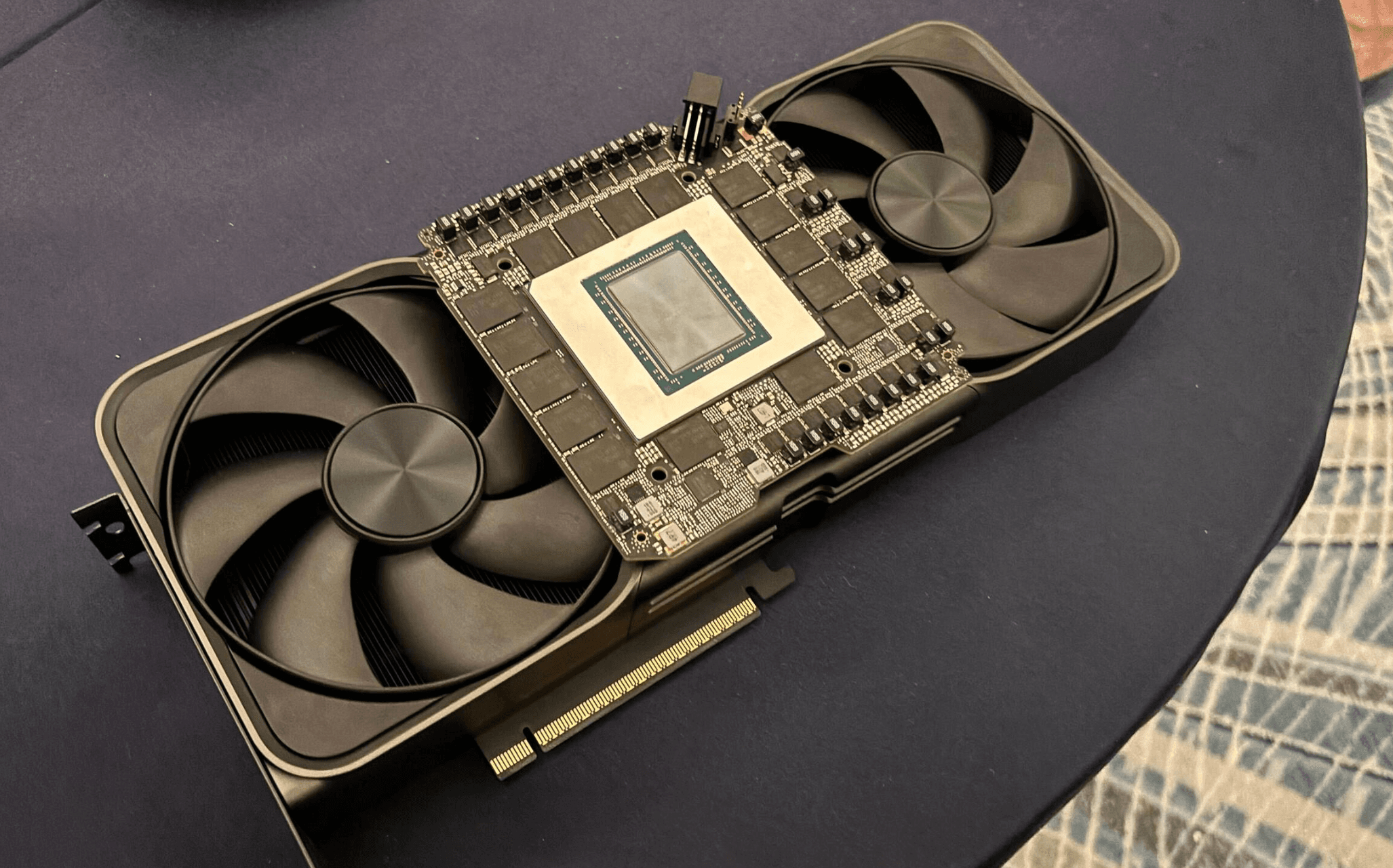
The RTX PRO 5500 Blackwell Workstation Edition appeared on NVIDIA's product pages this week, bringing 84GB of ECC GDDR7 memory to a professional GPU built around the same GB202 family used by the GeForce RTX 5090.
That memory figure immediately stands out.
The RTX 5090 has 32GB of GDDR7. The RTX PRO 5500 has 84GB, giving NVIDIA's workstation card 2.625 times the VRAM capacity of its gaming counterpart.
For gaming, that difference would often be difficult to justify.
For AI models, simulations and professional datasets that need to fit entirely into GPU memory, it can be much more important.
🧠 Blackwell, But Built for a Different Job
The RTX PRO 5500 is not simply a faster version of the RTX 5090.
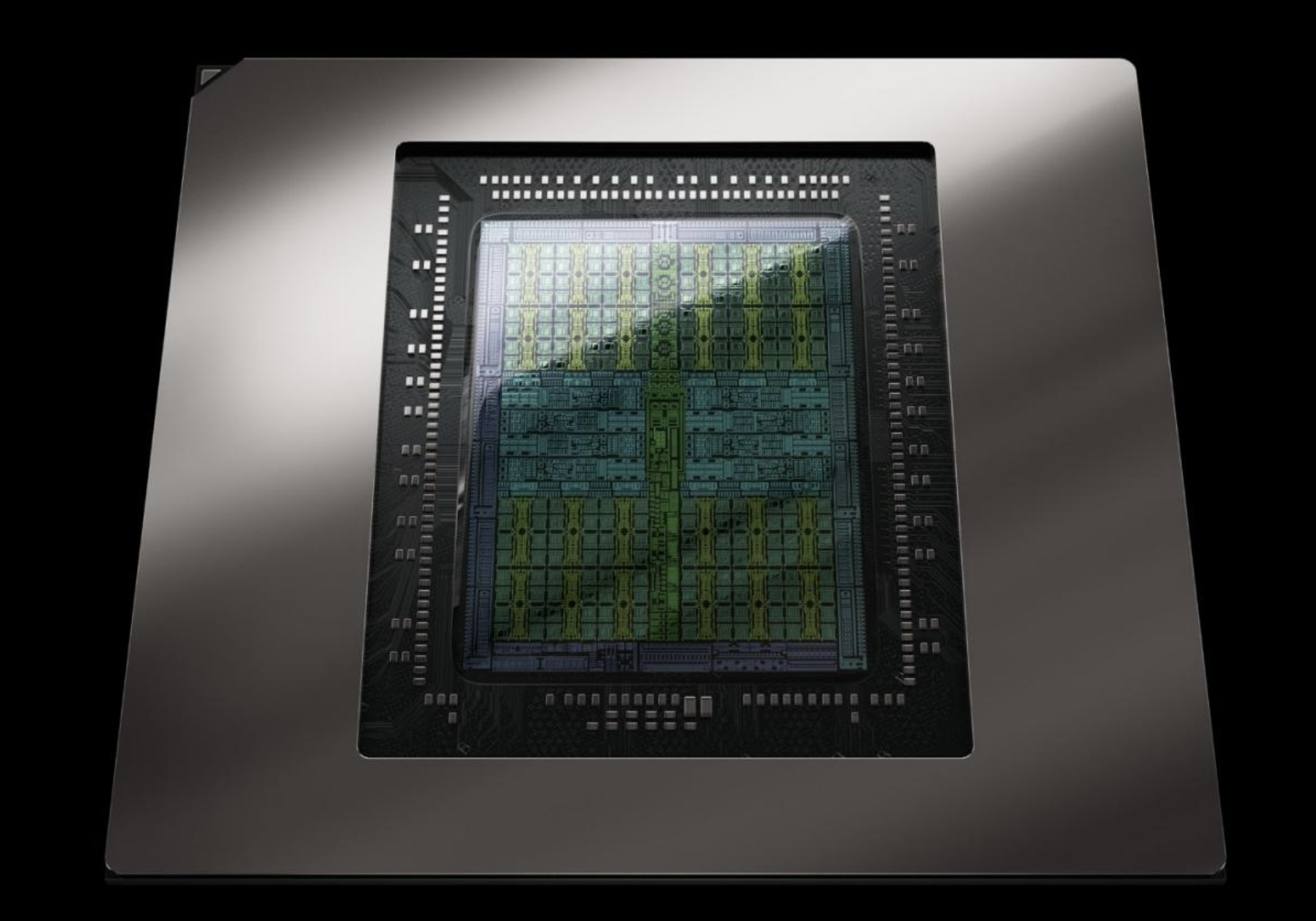
Both use NVIDIA's Blackwell architecture, and the RTX PRO 5500 has 21,760 CUDA cores, matching the RTX 5090's published CUDA core count. It also uses fifth-generation Tensor Cores and fourth-generation RT Cores.
The major difference is what happens around those cores.
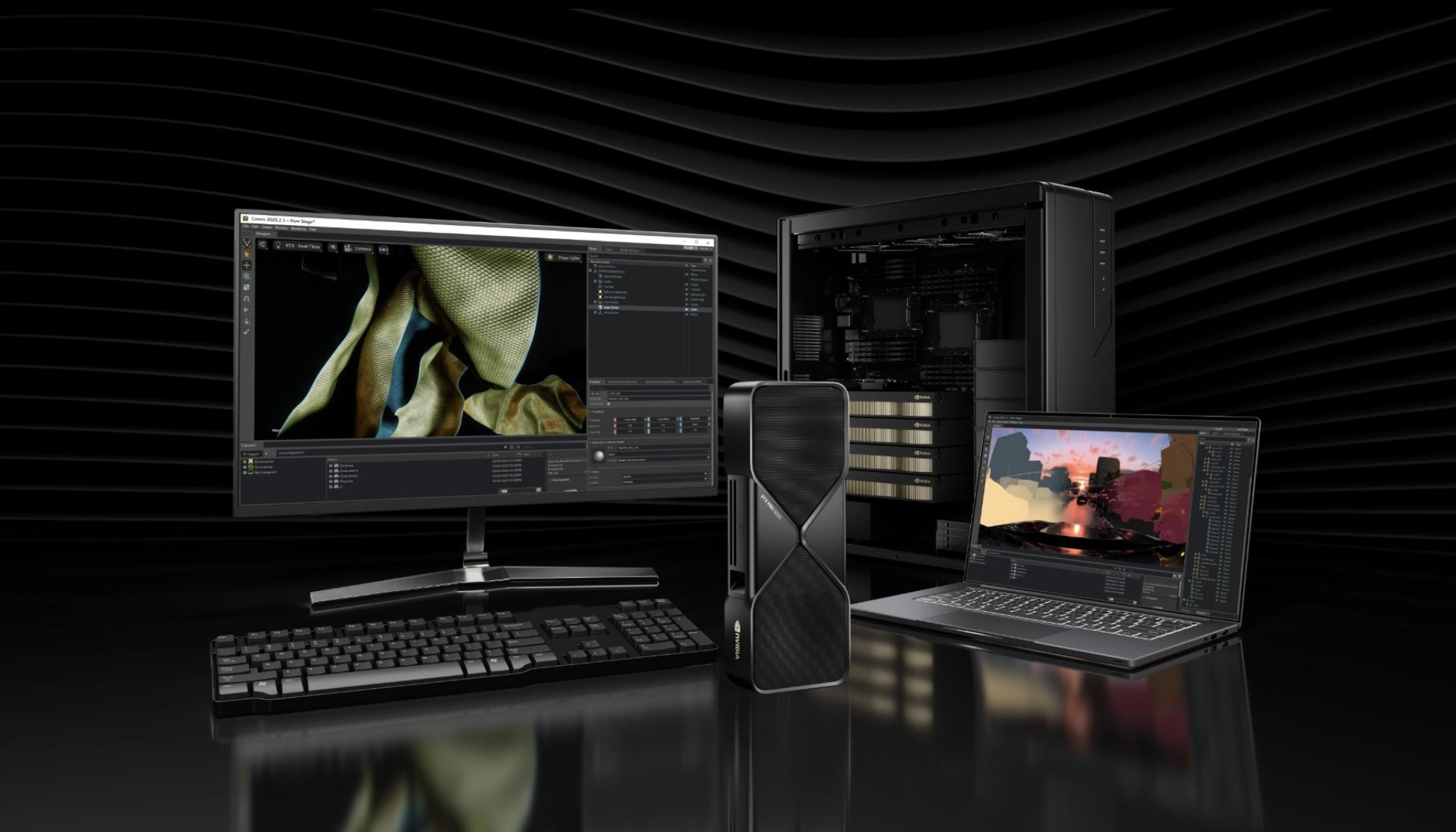
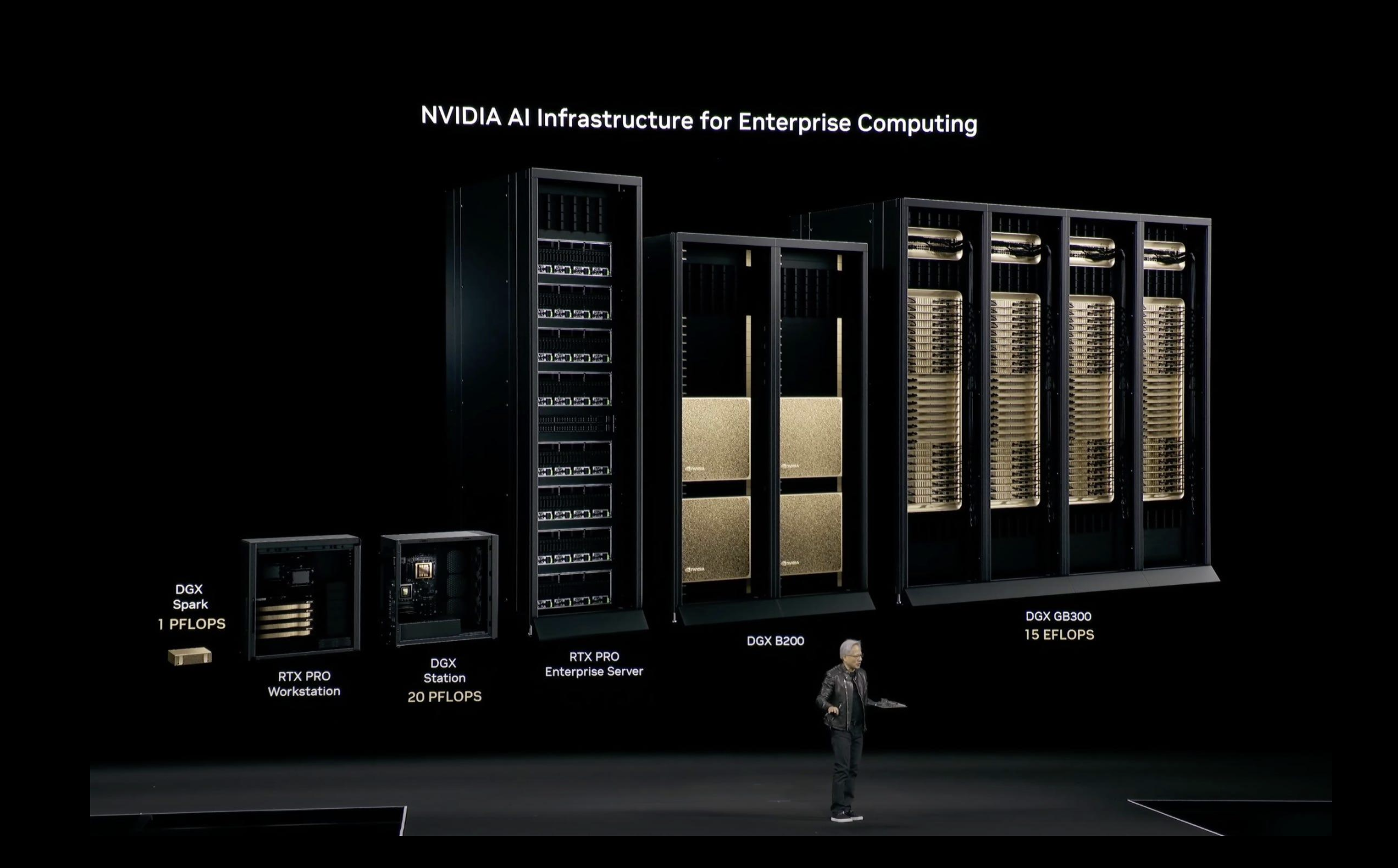
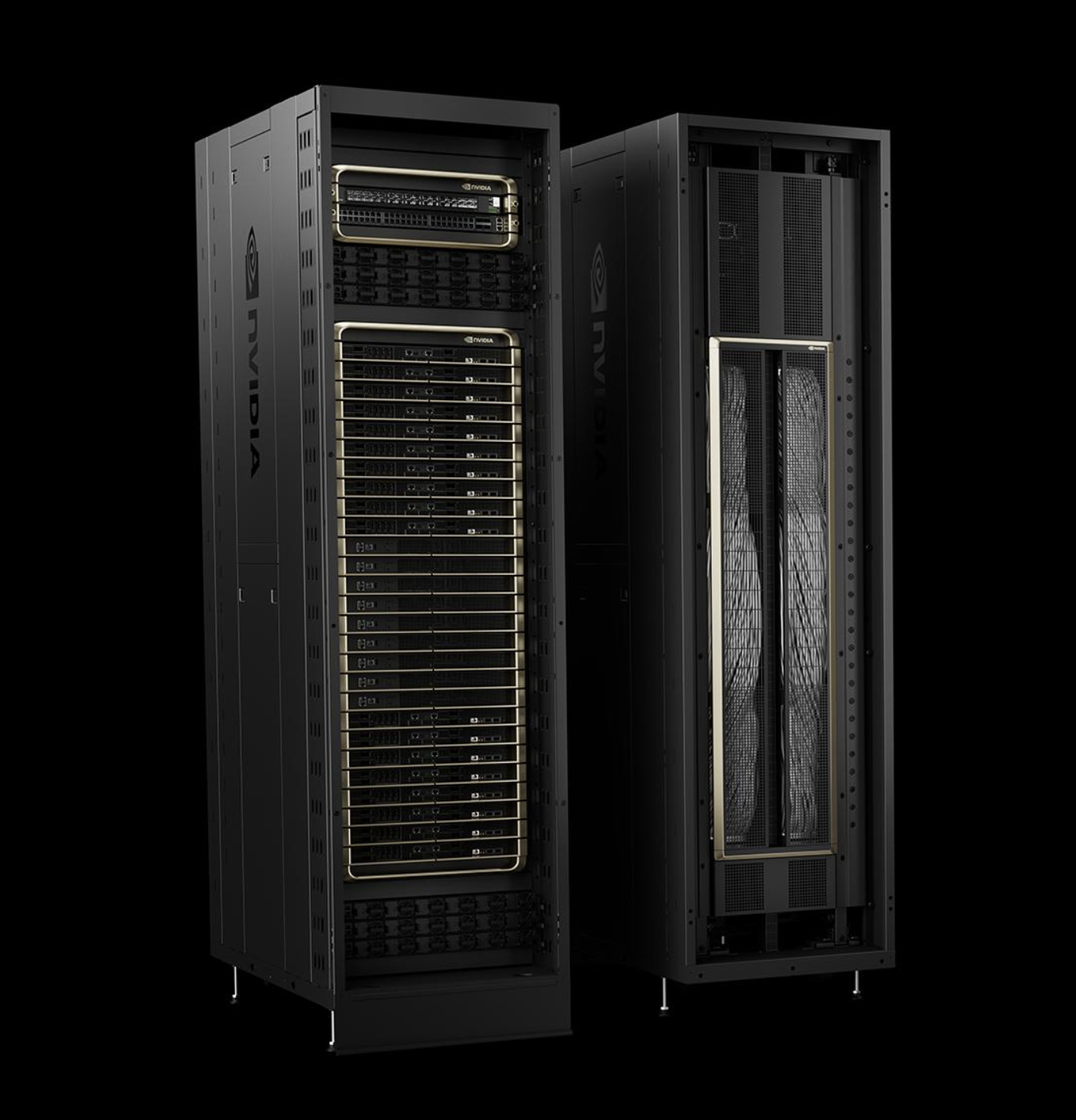
The RTX PRO 5500 is designed for professional workloads including agentic AI, generative AI, physical AI, simulation, scientific computing, data analytics and graphics. NVIDIA is also positioning it for centralized, rack-mounted workstation deployments.
That is a very different target from the RTX 5090's gaming-first positioning.
💾 The 84GB VRAM Advantage
This is where the RTX PRO 5500 becomes particularly interesting.
The card carries 84GB of GDDR7 with ECC, compared with 32GB on the RTX 5090.
That's 52GB of additional memory.
For AI workloads, VRAM capacity can determine whether a model or dataset fits on a single GPU at all.
A model that exceeds 32GB might need to be split across GPUs or use system memory. A workstation GPU with 84GB can potentially keep much more of that workload resident on the card.
NVIDIA specifically says the larger memory pool can enable larger AI models, longer contexts and multiple models to be held in memory simultaneously.
That's the real reason the 2.6x number matters.
⚙️ More VRAM Does Not Mean 2.6x Faster
There is an important distinction here.
The RTX PRO 5500 having 2.625x the VRAM does not mean it is 2.625x faster than an RTX 5090.
In fact, its memory bandwidth is lower.
NVIDIA lists the RTX PRO 5500 at 1,398 GB/s, while the RTX 5090's 32GB GDDR7 subsystem reaches roughly 1,790 GB/s.
The advantage is capacity rather than raw bandwidth.
Think of it as having a much larger workspace rather than moving data through that workspace faster.
For workloads that are constrained by memory capacity, that distinction can be extremely important.
🤖 Why AI Workloads Are the Real Target
Large AI workloads can be brutally demanding on GPU memory.
Generative AI models, long-context inference, physical AI simulations and large datasets can quickly exceed the capacity of consumer graphics cards.
The RTX PRO 5500's 84GB ECC memory is designed to address exactly that problem.
NVIDIA also supports Multi-Instance GPU (MIG) on the RTX PRO 5500. The card can be divided into two 42GB instances, allowing different workloads or users to share the GPU with dedicated resources.
For a workstation environment, that flexibility could be more valuable than simply having the highest gaming benchmark score.
🎬 It Is Still a Professional Graphics Card
AI isn't the only reason NVIDIA built the RTX PRO 5500.
The company also lists AI-powered rendering, scientific computing, physical simulation, video production and graphics among its target workloads.
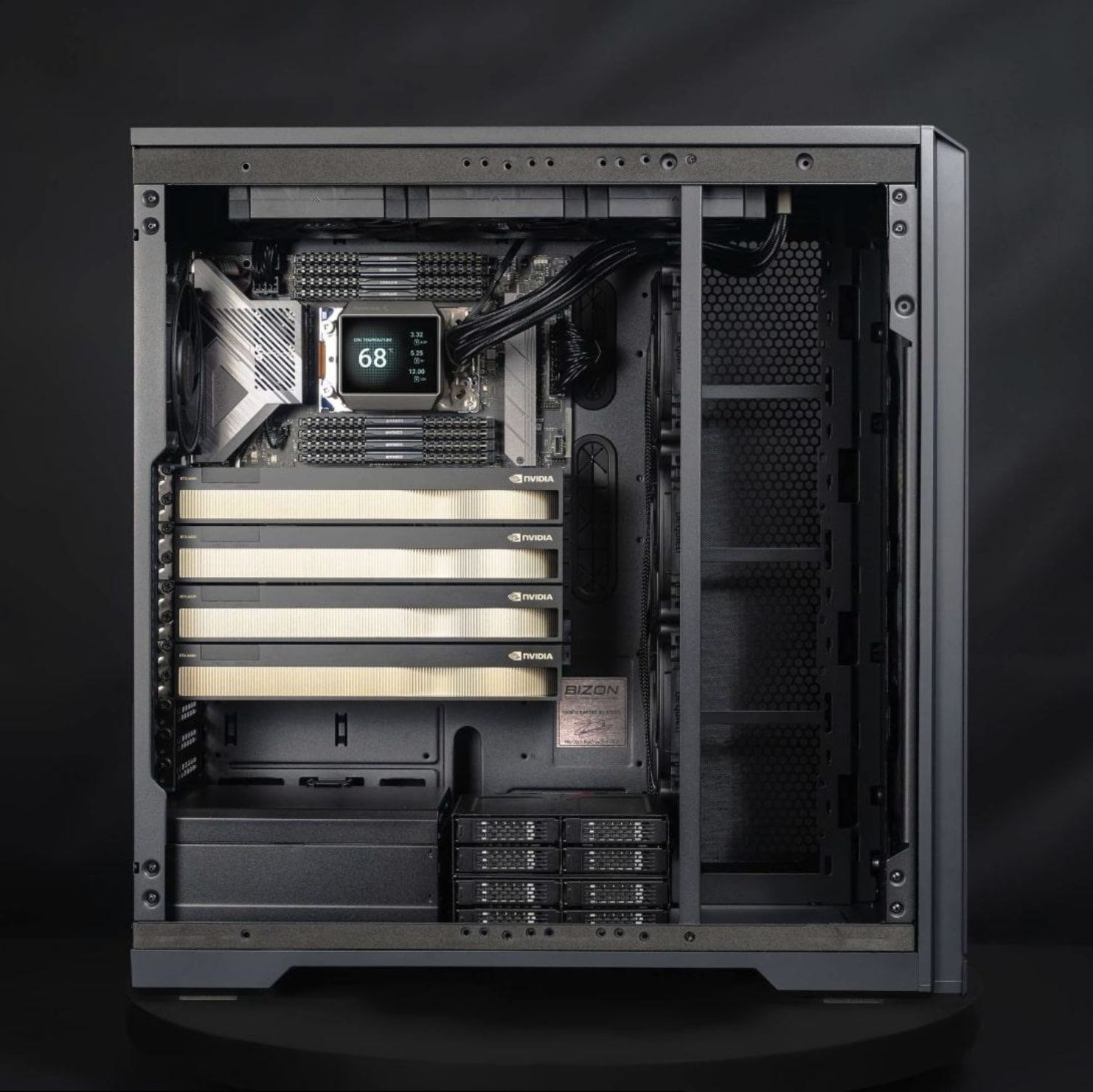
The card supports up to four DisplayPort 2.1b outputs and uses PCIe Gen 5 x16. It can also be deployed using air- or liquid-cooled configurations depending on the workstation environment.
Its maximum power consumption is listed at up to 600W, putting it firmly in high-end workstation territory.
🏢 NVIDIA Is Thinking Beyond the Desk
One of the more interesting details is how NVIDIA describes the RTX PRO 5500's deployment.
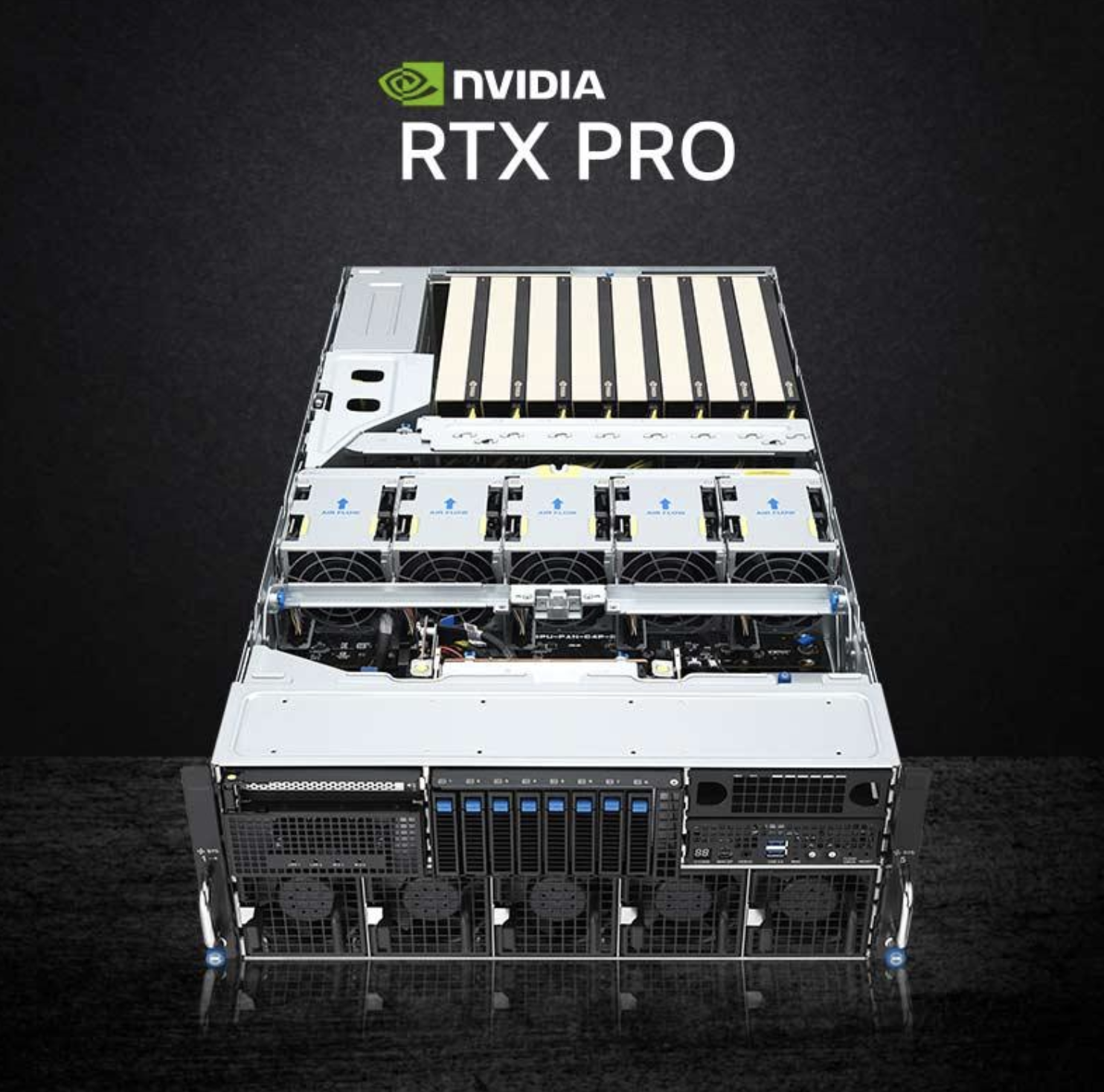
The company specifically highlights rack-mounted workstation systems, allowing organizations to centralize GPU power and share it across multiple professionals instead of installing a high-end workstation GPU at every desk.
That changes the economics of the product.
A studio could potentially use centralized GPU resources for artists, engineers, AI researchers and simulation teams while managing those resources from a shared infrastructure.
The RTX PRO 5500 is therefore as much about GPU infrastructure as it is about the GPU itself.
📊 RTX PRO 5500 vs RTX 5090
| Specification | RTX PRO 5500 | RTX 5090 |
|---|---|---|
| Architecture | Blackwell | Blackwell |
| CUDA Cores | 21,760 | 21,760 |
| VRAM | 84GB GDDR7 ECC | 32GB GDDR7 |
| VRAM Advantage | 2.625x | 1x |
| Memory Bandwidth | 1,398 GB/s | ~1,790 GB/s |
| Memory Error Correction | ECC | No workstation ECC |
| Max Power | Up to 600W | 575W |
| Primary Focus | AI, simulation, professional graphics | Gaming, creator, AI |
| Multi-Instance GPU | Yes | No equivalent workstation feature |
The comparison makes the strategy clear.
NVIDIA isn't trying to make the RTX PRO 5500 a faster gaming card.
It is taking a familiar high-end Blackwell configuration and giving it the memory capacity and professional features that workstation customers actually need.
💰 Where Does It Fit in NVIDIA's Lineup?
The RTX PRO 5500 sits between NVIDIA's RTX PRO 5000 and RTX PRO 6000 workstation products.
The RTX PRO 5000 offers up to 72GB in its higher-memory configuration, while the RTX PRO 6000 reaches 96GB. The new 84GB model therefore fills a fairly obvious gap between them.
NVIDIA has not yet published an official price or firm availability date. Its product page currently lists the RTX PRO 5500 as "coming soon," with preliminary specifications subject to change.
That makes pricing one of the biggest remaining questions.
🔗 Official NVIDIA RTX PRO 5500
For the confirmed specifications and availability updates, NVIDIA's official product page is the best source.
Official NVIDIA RTX PRO 5500 product page
🎮 The Bottom Line
The RTX PRO 5500 is not NVIDIA's answer to the RTX 5090 for gaming.
It's something more specialized.
By putting 84GB of ECC GDDR7 alongside the same 21,760 CUDA-core count found in the RTX 5090, NVIDIA is targeting workloads where memory capacity can be the difference between a model fitting on one GPU or being split across multiple systems.
The 2.625x VRAM advantage is therefore the headline, but it shouldn't be confused with a 2.625x performance advantage.
The more interesting story is NVIDIA taking Blackwell's high-end architecture and reshaping it for AI, simulation and professional workstation infrastructure.
For developers and studios working with increasingly large AI models, that extra memory could matter far more than another few percentage points in traditional GPU performance.