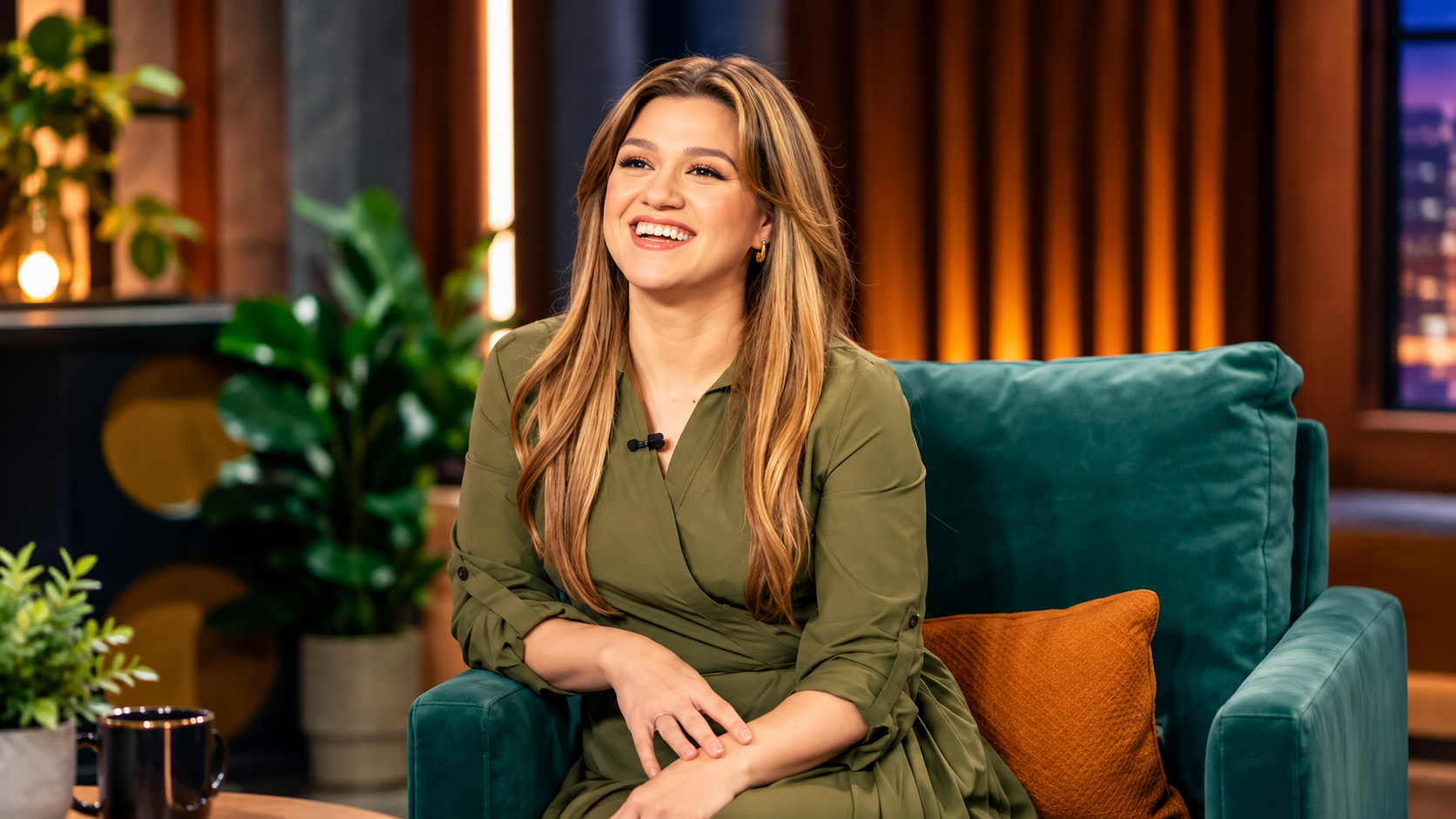

The Kelly Clarkson AI Backlash: Why Fans Are Revolting Over Her Synthesized Vocals
The Kelly Clarkson AI controversy exploded online after the singer openly said she "loves AI" and enjoys experimenting with it artistically. The comments, made during a September 30 appearance on Las Culturistas, immediately triggered criticism from listeners who interpreted her enthusiasm as a troubling endorsement of AI's growing role in creative work.
But there is an important correction to the viral framing around this story.
There is currently no reliable evidence that Kelly Clarkson has replaced her singing voice with AI or released a new project built around synthesized versions of her vocals. The recent backlash is primarily about her public comments on AI, her use of ChatGPT for creative and design work, and her argument that AI-generated music should have a separate place on music charts.
That distinction actually makes the controversy more interesting.
Clarkson is not simply saying that AI should replace singers. She is arguing that the technology has legitimate creative uses while simultaneously saying AI-generated artists should not compete directly with human musicians on the same charts.
For some fans, that nuance was enough to soften the criticism.
For others, the problem was the underlying enthusiasm itself.
And because Clarkson is one of the most recognizable vocalists of her generation, her comments landed directly in the middle of an increasingly heated argument over what should happen when artificial intelligence enters music.
────────────────────────────────────────
────────────────────────────────────────
────────────────────────────────────────
1. What Kelly Clarkson Actually Said
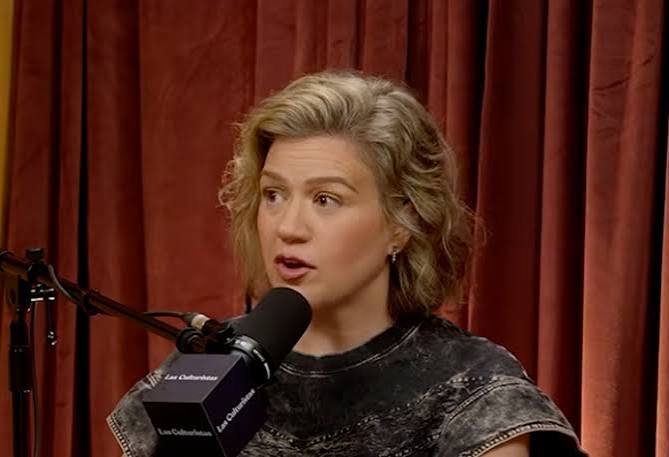
The controversy began during Clarkson's appearance on Las Culturistas with hosts Matt Rogers and Bowen Yang.
During the show's "I Don't Think So Honey" segment, Clarkson was invited to deliver a short opinionated rant.
Her opening position was blunt: she said she loves AI and is "very into it artistically." She described AI as something she enjoys experimenting with and argued that it could allow people to create things they otherwise might not be capable of making.
But she immediately added a major qualification.
Clarkson said she has a problem with AI artists competing against human artists on the same music charts.
Her proposal was simple: create separate charts for AI-generated artists.
She compared the situation to putting humans and robots into the same athletic competition and asking which one could perform better.
The argument was not that AI should disappear from music.
It was that human achievement and machine-generated output should not necessarily be measured as though they were the same kind of creative accomplishment.
That distinction is central to understanding the backlash.
Clarkson was not announcing that her own vocals had been replaced by AI.
She was discussing the wider direction of music technology.
────────────────────────────────────────
2. Why the Backlash Started So Quickly
The reaction was intensified by how strongly Clarkson described her enthusiasm.
Saying that AI is useful is one thing.
Saying that you are "obsessed" with it and enjoy using it artistically is a much more provocative statement when you're a professional singer whose career is built around human performance.
According to reporting from The Independent and USA TODAY, some listeners criticized Clarkson's position online, with some questioning why an established artist would be enthusiastic about a technology that many creative workers believe threatens their jobs.
Some of the criticism focused on the environmental cost associated with AI infrastructure.
Others focused on copyright, labor and the possibility that AI-generated music could flood streaming platforms.
Some listeners simply objected to AI being used in creative work at all.
The reaction was visible in podcast comments and social-media discussions, but it is important not to confuse highly visible criticism with a statistically representative measure of all Clarkson fans.
There is no reliable public survey showing that a majority of her audience has turned against her over the comments.
What can be established is that the remarks generated substantial negative discussion online.
────────────────────────────────────────
────────────────────────────────────────
3. The "Synthesized Vocals" Claim Needs Context
This is the biggest misconception surrounding the current story.
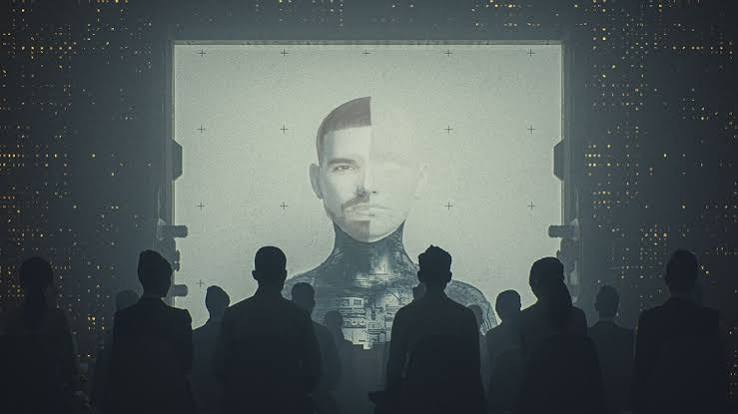
There is a difference between discussing AI music, using AI tools creatively, and replacing a singer's actual voice with a synthesized AI vocal model.
The current reporting about Clarkson's controversy does not establish that she has released a project featuring an AI-generated clone of her singing voice.
Her comments were broader.
She talked about enjoying AI artistically and using ChatGPT for creative and design-related tasks. During the podcast, she also discussed the possibility of AI allowing people who cannot perform certain creative tasks to participate in the process.
That means headlines suggesting that Clarkson has suddenly "gone fully AI" or replaced her voice are not supported by the available evidence.
The actual controversy is more subtle.
Fans are reacting to the possibility of a major human vocalist embracing a technology that many musicians see as a potential threat to human-created music.
That is a debate about values and the future of music, not evidence that Clarkson's voice has already been replaced.
────────────────────────────────────────
4. Clarkson's Separate-Chart Proposal
Clarkson's most concrete suggestion was the creation of separate charts for AI-generated music.
Her argument is based on the idea that AI-generated music and human-performed music represent fundamentally different forms of creation.
She said AI should be "welcome to the table," but argued that AI artists should not compete directly with humans on the same chart.
That proposal immediately creates another question:
What exactly counts as an AI song?
Modern music production already relies on extensive digital processing.
Autotune can modify vocal pitch.
Digital instruments can create sounds that were never recorded acoustically.
Sampling can transform an existing recording into something new.
Software can generate drum patterns, harmonies and arrangements.
Machine-learning tools can now assist with mastering, songwriting, vocal processing and sound design.
So a simple human-versus-AI split could become surprisingly difficult to define.
Does a song count as AI-generated if a human writes the lyrics but AI creates the backing track?
What if a human sings every vocal but uses an AI tool for mixing?
What if an artist uses AI to generate a melody and then completely rewrites it?
What if a producer uses an AI vocal model for harmonies while the lead vocal is performed by a human?
The technology is making the boundaries increasingly complicated.
────────────────────────────────────────
5. Why Musicians Are Nervous About AI
The anger surrounding AI music did not begin with Kelly Clarkson.
Musicians have been debating the technology for years.
One of the biggest concerns is voice imitation.
A singer's voice is part of their professional identity. AI systems can potentially imitate recognizable vocal characteristics, creating performances that sound similar to an established artist without requiring that artist to record the performance.
That raises questions about permission, compensation and identity.
There is also the issue of training data.
Generative AI systems can be trained using enormous quantities of existing material. Artists and rights holders have questioned whether copyrighted recordings should be used to develop systems capable of generating competing creative output without explicit authorization or compensation.
Another concern is volume.
AI makes it possible to generate enormous amounts of music rapidly.
Streaming platforms already receive vast quantities of new tracks. If AI lowers the cost of producing music dramatically, the amount of available content could increase even further.
That creates a discovery problem for human musicians.
A listener has limited time.
If the number of songs competing for that attention increases dramatically, finding and supporting individual human artists can become more difficult.
These are some of the reasons the debate is much larger than one celebrity's comments.
────────────────────────────────────────
────────────────────────────────────────
6. The ChatGPT Part of the Controversy
The backlash was not limited to Clarkson's comments about music.
Earlier in the podcast, she described ChatGPT as extremely useful and explained that she uses it to help communicate ideas for design and home projects.
She jokingly described ChatGPT as her "lover" and said the technology helped her communicate visual ideas without having to manually create detailed drawings.
That detail matters because some of the online reaction focused on AI in general rather than music specifically.
For a graphic designer, illustrator, architect or other creative professional, hearing a celebrity describe generative AI as a "designer's dream" can sound very different from hearing a singer discuss AI-assisted songwriting.
The concern is that AI tools could reduce demand for human creative professionals.
At the same time, supporters of generative AI argue that tools can help people communicate ideas more efficiently without eliminating the human professional entirely.
Clarkson's comments fit into that second perspective.
But whether a particular use of AI helps or harms creative workers depends heavily on how the technology is deployed.
That is one reason the online debate became so polarized.
────────────────────────────────────────
7. Clarkson's Position Is More Complicated Than "AI Good"
One of the easiest ways to misunderstand the controversy is to reduce Clarkson's comments to a simple endorsement.
Her position was actually more conditional.
She expressed enthusiasm for AI.
She also argued that AI-generated artists should not compete directly with humans on music charts.
She acknowledged concerns about the human element of art.
And she argued that AI is not going away, meaning society will need to understand how to use it rather than simply pretend it does not exist.
That is considerably more nuanced than "Kelly Clarkson wants AI to replace musicians."
In fact, her separate-chart proposal is explicitly based on maintaining a distinction between human and AI-created music.
Whether that proposal would work is another question.
But the distinction matters when describing what she actually said.
────────────────────────────────────────
8. Why Her Previous Comments Matter
The backlash became even more interesting because Clarkson has previously expressed a much more skeptical view of AI in art.
According to Cosmopolitan, Clarkson recently said that AI could be useful in other areas but argued that when it comes to art, "AI doesn't have a soul." She also previously indicated that people should not expect AI to be part of her shows.
That makes her latest comments look like a shift in emphasis.
Previously, her public comments focused heavily on the limitations and lack of humanity in AI-generated art.
Now she is openly describing herself as enthusiastic about the technology while still drawing a boundary around AI artists competing directly with humans.
That apparent change is one reason the story spread so quickly.
Fans were not simply reacting to an abstract debate about technology.
Some were reacting to what they perceived as a change in the position of an artist they already knew.
────────────────────────────────────────
────────────────────────────────────────
9. The Bigger Problem With AI Music
The Kelly Clarkson backlash highlights a much larger problem: the music industry has not yet established a universally accepted answer to what AI-generated music should be.
Technology is developing faster than the rules surrounding it.
There are several different questions tangled together:
| Issue | Main Question |
|---|---|
| Voice cloning | Should an artist's voice be replicated without permission? |
| Copyright | Can copyrighted recordings be used to train AI systems? |
| Compensation | Who gets paid when AI-generated music uses learned styles or voices? |
| Charting | Should AI-generated releases compete directly with human artists? |
| Disclosure | Should listeners be told when AI played a major role? |
| Streaming | How should platforms handle massive volumes of AI-generated songs? |
| Authorship | Who owns a song substantially created by an AI system? |
| Creativity | How much human involvement is enough to call a work human-created? |
None of these questions has a simple answer.
The debate is also not strictly divided between people who support technology and people who oppose it.
Many musicians use digital tools every day.
The argument is increasingly about where the line should be drawn.
────────────────────────────────────────
10. What Happens to Human Singers?
The fear among some musicians is not that AI will suddenly make human singers disappear.
It is that AI could change the economics of professional music.
Imagine a producer who needs a temporary vocal track.
Instead of hiring a session singer, they might use a synthetic voice.
Imagine a game studio that needs dozens of background songs.
Instead of commissioning musicians, it could generate them.
Imagine a small content creator who needs custom music for hundreds of videos.
AI could provide it almost instantly.
In each example, the technology could reduce demand for some forms of paid human work.
But AI could also create new roles.
Artists could license their voices.
Musicians could supervise AI-assisted productions.
Producers could become editors of generated material.
New genres could emerge from human-machine collaboration.
The outcome depends on the business models and rules built around the technology.
That is why the question is larger than whether AI music sounds "good."
It is about who gets to participate in the economy created around it.
────────────────────────────────────────
────────────────────────────────────────
11. Why This Controversy Matters Beyond Kelly Clarkson
The most important part of this story is not whether everyone agrees with Kelly Clarkson.
It is that one of the world's best-known singers has publicly articulated a position that many people in the entertainment industry are now going to have to confront.
AI is becoming part of creative workflows.
The question is no longer simply whether the technology exists.
It is how artists, labels, streaming services, chart organizations and audiences decide what role it should play.
Clarkson's comments offer one possible framework: allow experimentation while keeping human-created and AI-generated work distinguishable.
Other artists may prefer stricter limitations.
Some may want AI tools completely excluded from certain areas of music.
Others may embrace AI as another instrument.
The industry will likely contain all three groups.
That means the next phase of the AI music debate may be less about banning the technology and more about establishing rules for transparency, consent, compensation and competition.
────────────────────────────────────────
The Real Story Behind the "Kelly Clarkson AI" Backlash
The viral version of the story makes it sound as though Clarkson suddenly replaced her iconic voice with an AI clone.
The evidence does not show that.
What actually happened is more interesting.
Kelly Clarkson publicly said she loves AI, enjoys using it artistically and believes it can help people create things they might otherwise be unable to create.
At the same time, she argued that AI-generated artists should not compete directly with human musicians on the same music charts.
That position angered some listeners who see generative AI itself as a threat to artists, designers and other creative professionals. Others viewed her comments as a more nuanced attempt to accept technological progress without allowing AI to erase the distinction between human and machine-made art.
The online response is real, but its scale should not be overstated. Available reporting provides examples of criticism rather than a representative measurement of all Kelly Clarkson fans.
And there is another important takeaway.
This controversy probably will not end with Kelly Clarkson.
As AI-generated music becomes easier to produce, artists and audiences will increasingly have to answer the same question:
What do we want "human-made" music to mean when machines can participate in almost every stage of the creative process?
────────────────────────────────────────
FAQ
Did Kelly Clarkson use AI to replace her singing voice?
There is currently no reliable evidence establishing that Clarkson has replaced her vocals with AI. The recent controversy concerns her public enthusiasm for AI and her comments about AI-generated music.
Did Kelly Clarkson say she supports AI music?
Yes, with qualifications. During Las Culturistas, she said she loves AI and is interested in it artistically. She also argued that AI-generated artists should not compete directly with human artists on the same music charts.
Why are people criticizing Kelly Clarkson?
Some listeners objected to her enthusiasm for AI because they believe generative AI threatens creative workers, raises environmental concerns or relies on copyrighted human-created material. Reports from The Independent and USA TODAY documented examples of negative online reactions.
What did Kelly Clarkson say about AI music charts?
She suggested that AI-generated artists should have separate charts rather than directly competing against human musicians on the same charts.
Did Clarkson previously oppose AI?
Her previous public comments were more skeptical. Cosmopolitan reported that she had previously said AI was useful in some areas but argued that AI does not have a "soul" when it comes to art.
Is the backlash proof that most Kelly Clarkson fans oppose AI?
No. The available reporting documents significant online criticism, but there is no representative poll establishing the overall opinion of Clarkson's entire fan base.
Could AI replace human singers?
AI can already generate and manipulate vocals, but whether it replaces substantial amounts of human musical work depends on adoption, economics, licensing rules, audience preferences and industry policy. The current Clarkson controversy does not establish that such replacement is inevitable.
────────────────────────────────────────
Final Take
The Kelly Clarkson AI backlash is less about a singer suddenly becoming an AI artist and more about a much bigger cultural argument arriving at the doorstep of one of pop music's most recognizable voices.
Clarkson said she loves AI.
She also said AI-generated artists should not compete directly with humans on the same charts.
Those two positions can coexist, even if they are uncomfortable for some listeners.
The controversy becomes particularly important because AI-generated music is forcing the industry to reconsider old definitions of authorship, performance and artistic identity.
A synthesized vocal can imitate a singer.
An AI system can generate a melody.
A model can produce an entire backing track.
But none of that automatically answers the question of what the audience is actually buying when it listens to a song.
That is the unresolved issue behind the backlash.
For Kelly Clarkson, the debate is about finding a place for AI without erasing the human element.
For many critics, simply allowing AI into the creative process is already a step too far.
And for the music industry, the real challenge may be finding rules that allow technological experimentation without making human creativity economically invisible.
────────────────────────────────────────
Sources
Las Culturistas: "Coach Kelly" with Kelly Clarkson — podcast episode and automatically generated transcript.
Entertainment Weekly: Kelly Clarkson says she "loves" AI — coverage of her comments and separate-chart proposal.
People: Kelly Clarkson on AI artists and music charts — additional reporting on the podcast discussion.
The Independent: Kelly Clarkson's AI comments and online criticism — examples of reactions to the controversy.
USA TODAY: Kelly Clarkson sparks backlash over AI comments — reported fan reactions and context.
Cosmopolitan: Clarkson's changing AI stance — reporting on her earlier skepticism toward AI in art.
Comments
Sign in to join the conversation
Sign inNo comments yet
Be the first to share your thoughts!