
Pope Leo Enters the Tech War: The Vatican's Warning Against AI 'Slop'
Pope Leo Just Took Aim at AI-Generated Content
The AI debate just received an unexpected new voice.
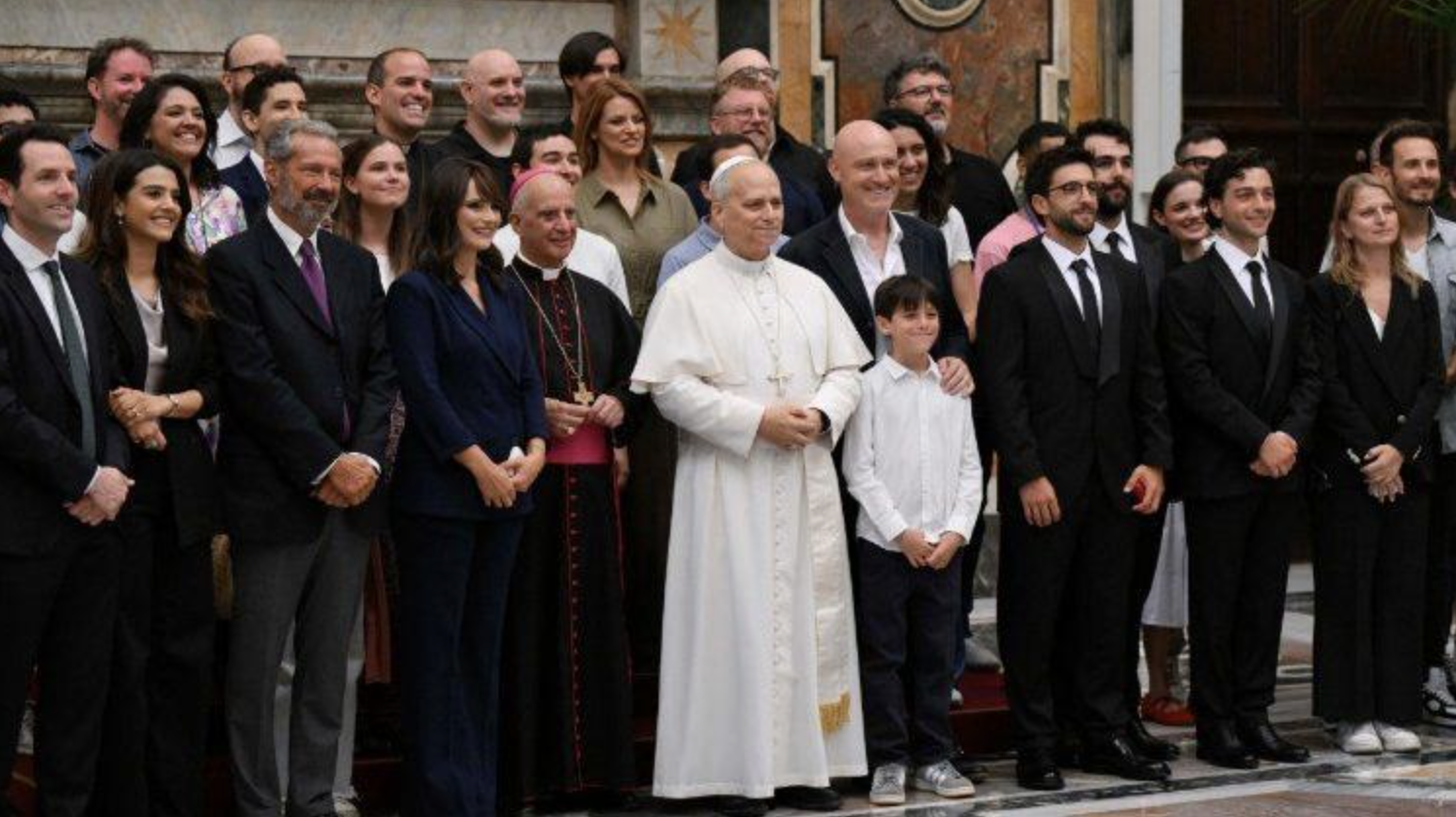
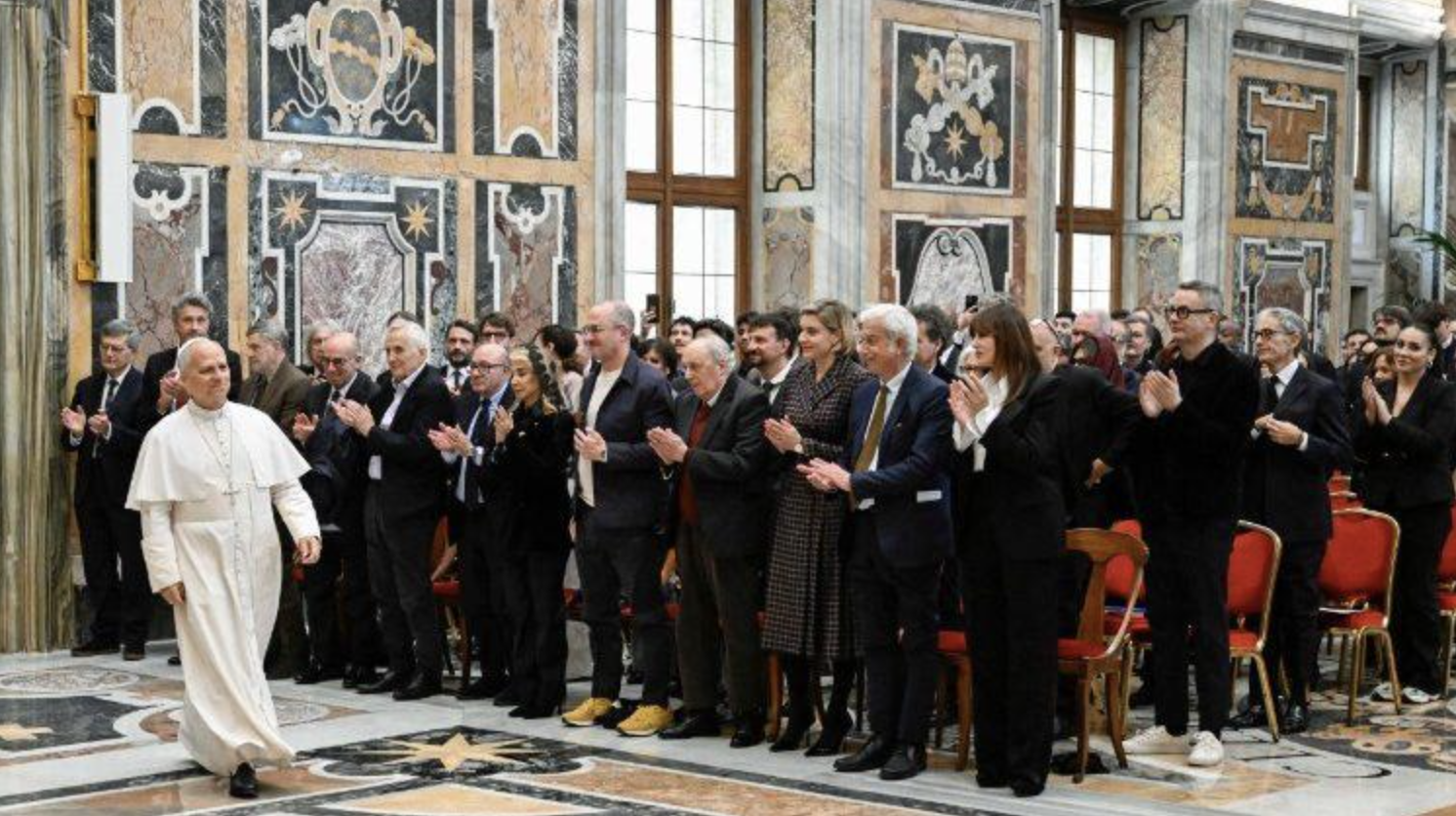
On October 2, Pope Leo XIV addressed artists and curators at the Vatican and delivered a pointed warning about what artificial intelligence means for human creativity.
His message was not simply that some AI-generated images look bad.
Instead, Leo argued that there is a fundamental difference between human-created art and what machines generate.
“There is an ontological difference — even before an aesthetic one.”
He followed that by saying that algorithms lack the “spark of the human.” Vatican
That distinction is what made the speech resonate far beyond the Vatican.
Because in an internet increasingly filled with AI-generated images, videos, posts and articles, the question is no longer just “Does this look good?”
It's becoming:
“Who actually created it?”
Did Pope Leo Actually Say “AI Slop”?
Here's an important distinction.
No, Pope Leo did not use the phrase “AI slop” in his October 2 address.
The term has been attached to his comments by media coverage and online discussion surrounding the speech. His actual argument was broader: he said society urgently needs to distinguish human art from what machines produce and warned about homogenization in an increasingly automated culture. Vatican
That makes the viral “AI slop” framing catchy, but somewhat narrower than what the Pope actually said.
His concern wasn't simply bad AI content.
It was the possibility that machine-generated culture could gradually overwhelm human creativity.
“Algorithms Lack the Spark of Humanity”
This was the line that caught the internet's attention.
Leo argued that machine-generated material is produced through statistical calculations based on enormous collections of existing images.
His point was that human art comes from a different process involving experience, intention and human creativity.
The Vatican's official transcript says Leo believes there is an ontological difference, meaning the difference exists at the level of what something fundamentally is, before judging whether it looks aesthetically good or bad. Vatican
In simpler terms:
A machine can produce something that looks like art.
But Leo is questioning whether that makes the machine's output equivalent to something created through human experience.
That is a much bigger philosophical argument than simply saying AI images are ugly.
The Vatican Is Worried About More Than AI Images
Leo's address placed AI inside a broader concern about modern technology.
He warned that search engines and automated systems can increasingly give people what already exists and what they already expect.
That can contribute to homogenization, where culture starts becoming increasingly repetitive and predictable. Vatican
For Leo, art plays a different role.
He described authentic art as something that forces people to stop, look closer and ask deeper questions rather than simply consuming another instantly generated answer.
That is why his criticism extends beyond AI image generators.
It touches AI-written articles, synthetic videos, automated music and potentially any system capable of mass-producing cultural material.
Why “AI Slop” Became the Perfect Internet Label
The phrase AI slop has become common online for low-quality, mass-produced AI content.
It usually describes material created quickly and in large quantities for clicks, engagement or distribution rather than because someone had something meaningful to communicate.
That includes things like:
- Mass-produced AI images
- Fake celebrity videos
- AI-generated social posts
- Low-effort AI articles
- Synthetic videos designed purely for clicks
- Automatically generated spam
The important distinction is that AI-generated does not automatically mean AI slop.
A carefully produced AI-assisted film, research visualization or design project is very different from thousands of automatically generated images uploaded simply to attract attention.
Leo's speech was not a blanket technical evaluation of every AI system. His focus was the relationship between human creativity, culture and machine-generated output. Vatican
The Pope Wants Artists Back in the Conversation
One of the biggest parts of the address was not actually about banning AI.
It was about artists.
Leo told the audience that the Church wants to renew its alliance with artists and cultural institutions to safeguard what is human. Vatican
That is significant because the Vatican's response to AI is increasingly centered around human participation rather than simply rejecting technological development.
The message is essentially:
Technology can advance, but human creativity should not disappear from the process.
This Isn't Pope Leo's First AI Warning
The October address is part of a much larger AI position that Leo has been developing throughout 2026.
In May, he published Magnifica Humanitas, an encyclical focused specifically on safeguarding the human person in the age of artificial intelligence. The document argues that AI should remain under human moral judgment and should not be treated as equivalent to human intelligence. Vatican
The encyclical also says AI systems do not experience the world in the way humans do. They don't have bodies, relationships, feelings or lived experience, even though they can outperform humans in certain computational tasks. Vatican
So Friday's speech wasn't an isolated comment.
It was another chapter in the Vatican's increasingly detailed conversation about AI.
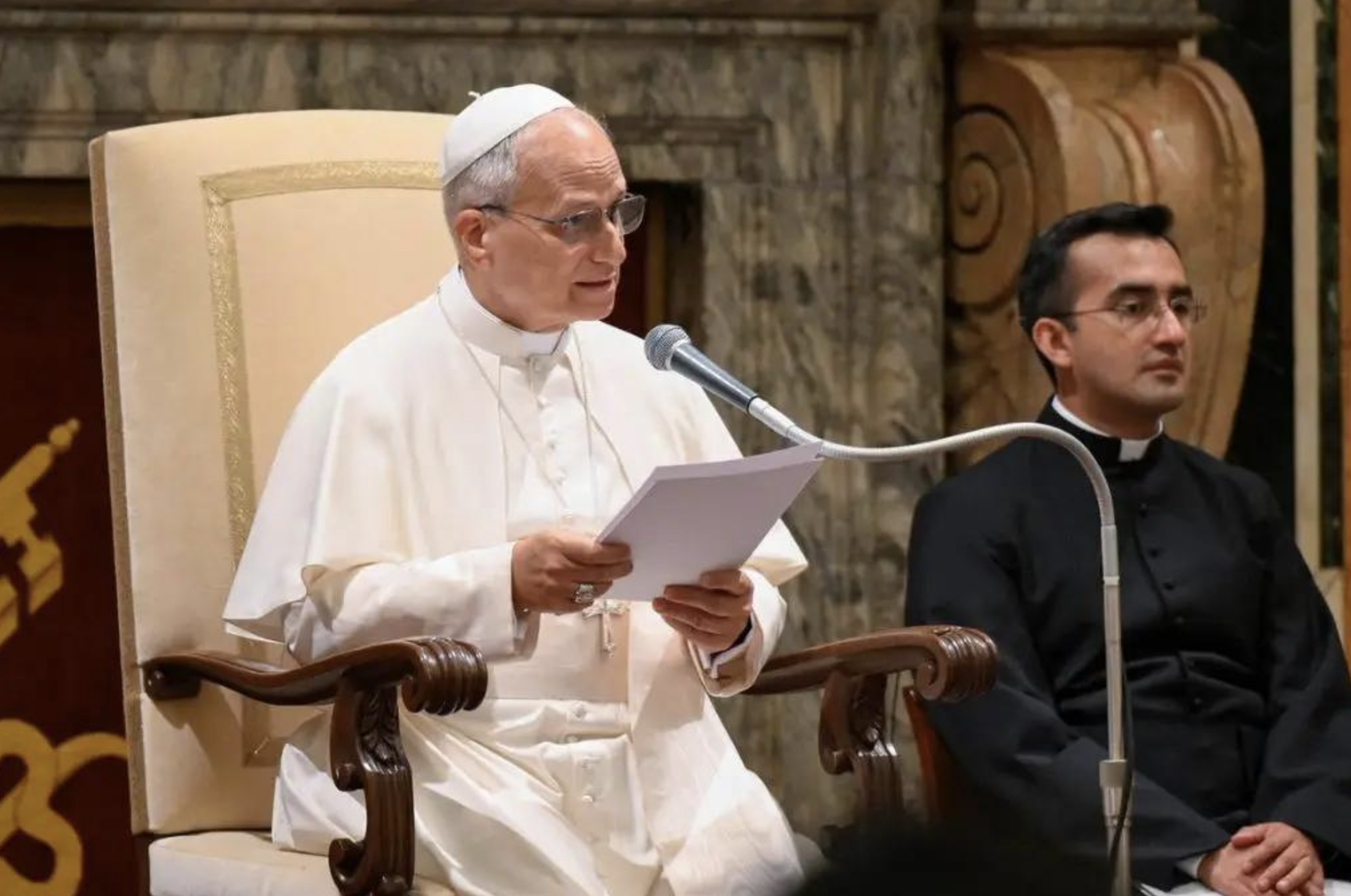
“Artificial Intelligence Needs to Be Disarmed”
Leo has also used unusually strong language when discussing AI's broader risks.
In an address connected to the presentation of Magnifica Humanitas, he said:
“Artificial intelligence needs to be disarmed.”
The Vatican explained that he deliberately chose the word because the moment required language capable of attracting attention and encouraging moral reflection. Osservatore Romano
The concern extends well beyond content generation.
The Vatican has discussed AI's potential effects on employment, healthcare, security, misinformation, autonomous weapons and human decision-making.
In May, the Vatican also established an Inter-Dicasterial Commission on Artificial Intelligence to coordinate work on AI across several Holy See institutions. Vatican Press
The Vatican's Argument Isn't “AI Is Evil”
That's an important distinction.
Leo has repeatedly acknowledged that artificial intelligence can provide real benefits.
The Vatican's position is closer to the argument that AI should remain subordinate to human dignity and judgment.
In his September press conference, Leo said he was not in “panic mode” about AI and described himself as relatively optimistic that humanity can manage the technology responsibly. But he also said experts' warnings should be taken seriously and that simply pretending dangerous scenarios cannot happen would not be responsible. Vatican Press
That makes his position more nuanced than the viral headlines might suggest.
He's not arguing that every AI system should disappear.
He's asking who controls it, how it is used and what happens to humanity when machines increasingly mediate everyday life.
Why This Speech Went Viral
The timing matters.
AI-generated content is now everywhere.
Social platforms are flooded with synthetic images. Search engines are increasingly incorporating AI-generated answers. Video generators can produce increasingly convincing scenes. And creators are constantly debating where the line between AI assistance and AI replacement should be drawn.
Against that backdrop, a global religious leader standing before artists and essentially saying human creativity cannot be reduced to statistical generation was always going to attract attention.
The speech also gave the ongoing AI debate a language that is easy to understand.
Human art has a human spark.
Machine output is fundamentally different.
Whether people agree with that philosophical distinction or not, it is a powerful argument to put into the middle of the current AI conversation.
The Bigger Question: What Happens to Human Creativity?
This is where Leo's warning becomes bigger than AI-generated images.
If machines can generate:
- An image in seconds
- A song in minutes
- A video from a sentence
- An article from a prompt
- A marketing campaign automatically
then society eventually has to decide what value remains in human-made work.
The answer may not be that humans simply need to compete with machines.
It could be that human creativity becomes more valuable precisely because it is human.
That is essentially the cultural argument behind Leo's appeal to artists.
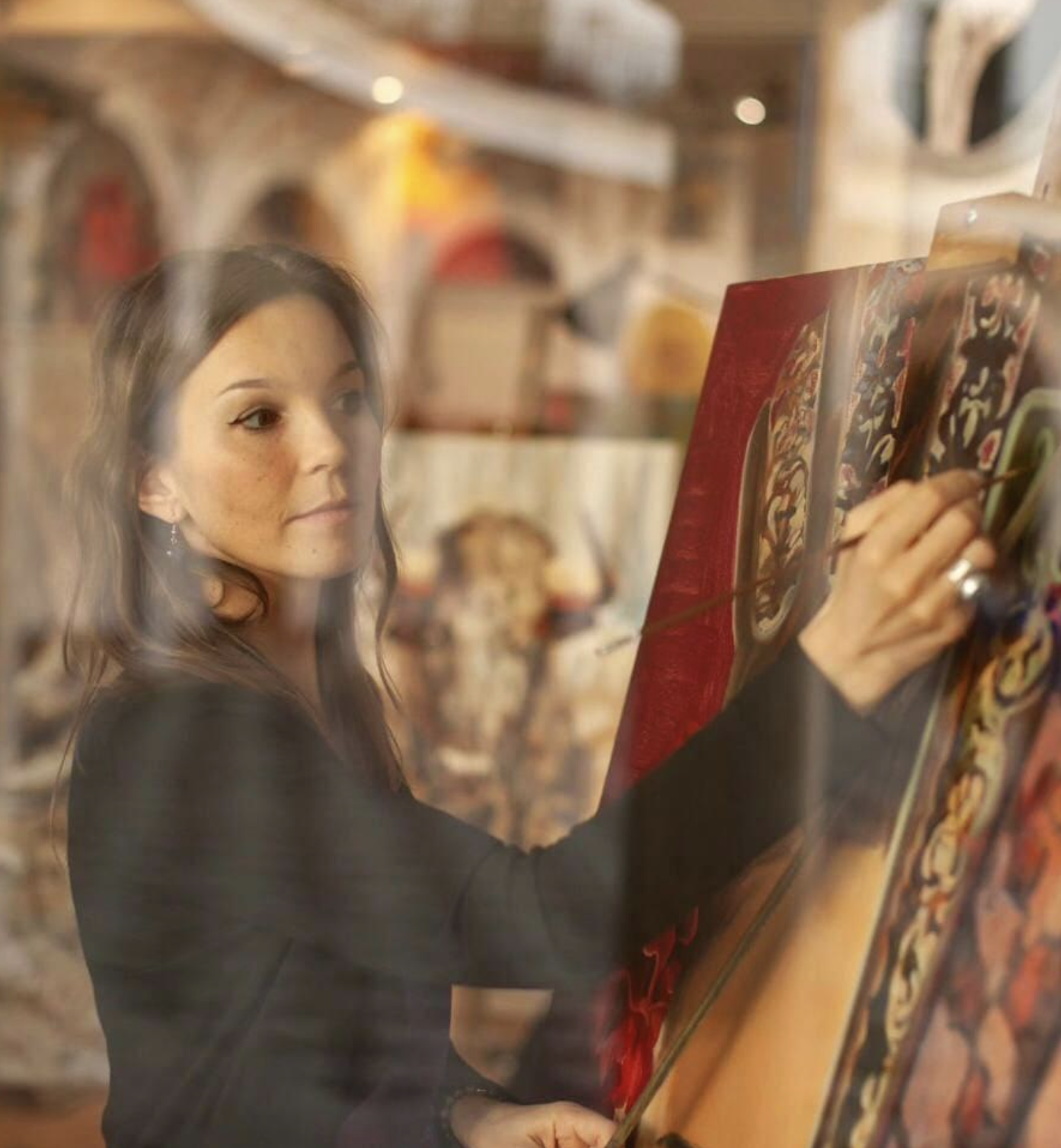
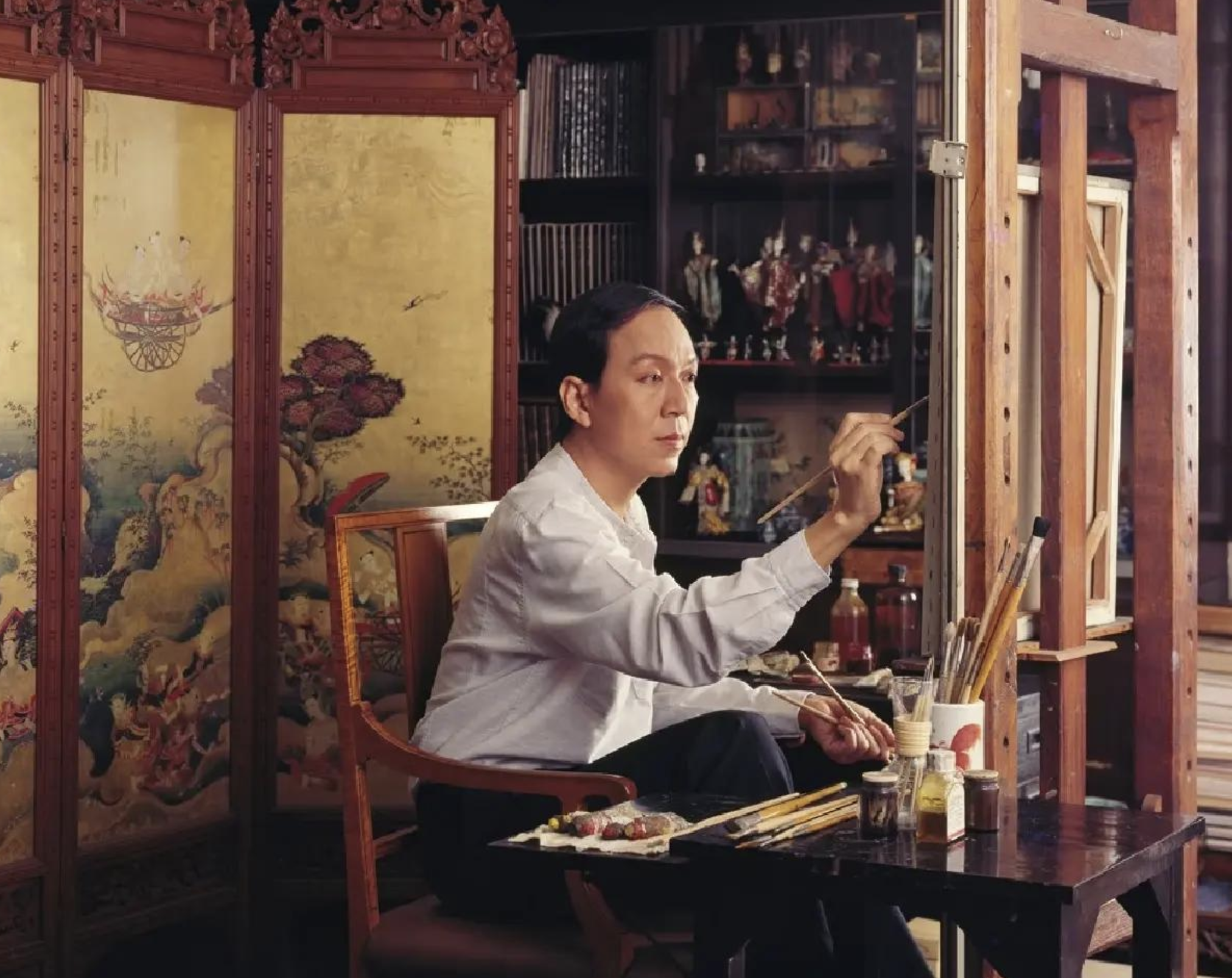
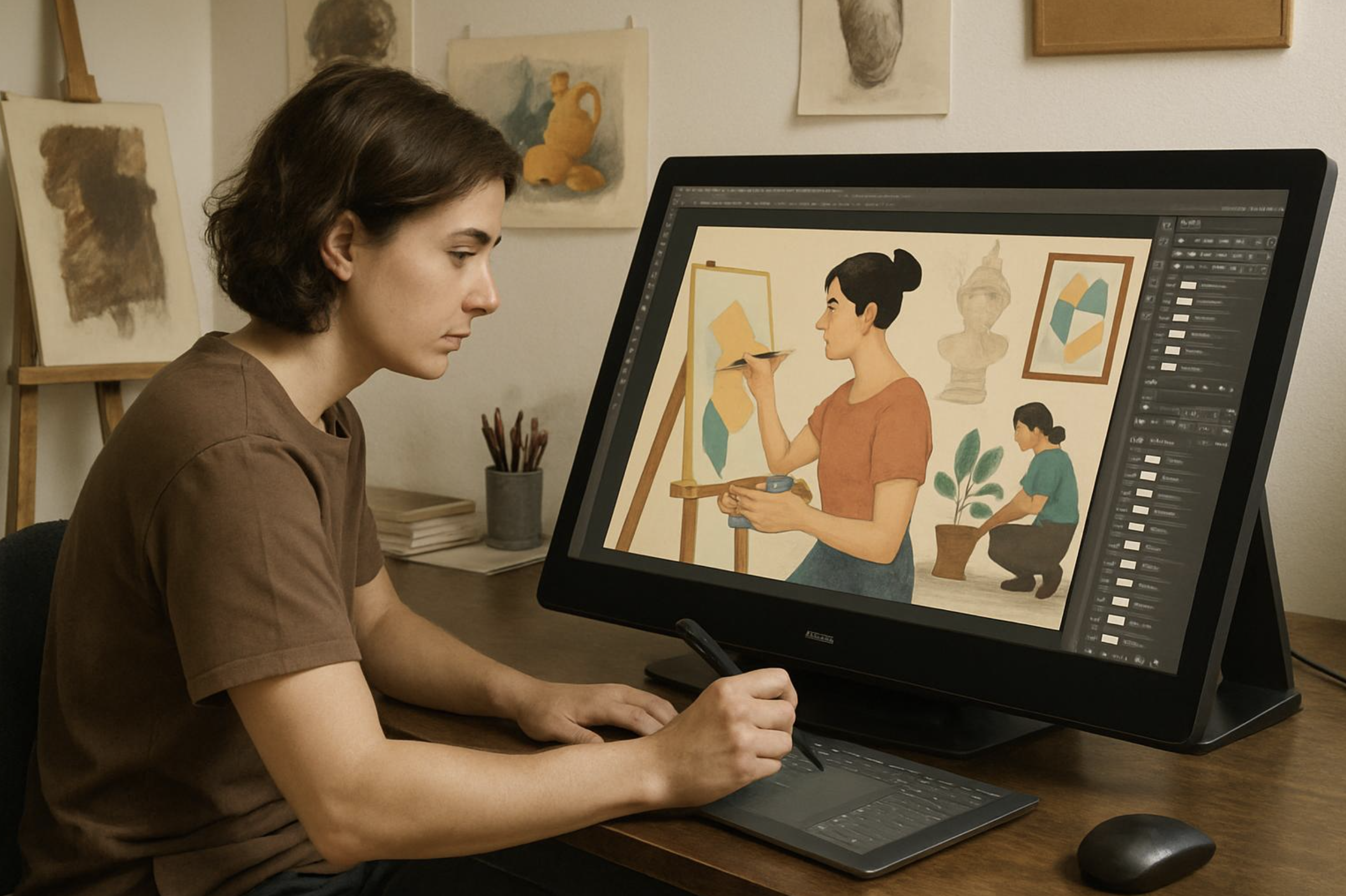
AI Slop vs. Human Creativity
| AI Slop | Human-Created Work |
|---|---|
| Often mass-produced | Usually intentionally created |
| Optimized for volume | Often focused on expression |
| Can be generated instantly | Requires human time and effort |
| Frequently repetitive | Can reflect individual experience |
| May exist primarily for clicks | Can communicate personal meaning |
The comparison isn't meant to suggest that every AI creation falls into the first column.
Instead, it highlights the cultural question Leo is raising: Does increasing the amount of content automatically make culture better?
His answer appears to be no.
What Happens Next?
The Vatican is unlikely to be the final voice in this debate.
Governments, technology companies, artists, educators and creators are all wrestling with similar questions.
And as generative AI becomes more capable, the distinction between AI-assisted creation and fully machine-generated content is likely to become even harder to define.
Leo's latest address therefore matters less because a pope criticized AI art and more because it shows how deeply AI has entered discussions about culture, creativity and human identity.
The debate has moved well beyond Silicon Valley.
It is now happening in museums, universities, governments, creative industries and the Vatican.
🎮 The Bottom Line
Pope Leo XIV didn't literally declare war on “AI slop.” His October 2 address was more specific and philosophical: he argued that human art and machine-generated output are fundamentally different and said algorithms lack the “spark of the human.” Vatican
But the viral framing captures a genuine cultural argument.
As AI makes it easier than ever to produce enormous amounts of content, the question may increasingly become not how much content we can create, but whether we are creating anything meaningful at all.
And that is a debate that isn't going away.
What do you think? Is AI-generated content threatening human creativity, or is it simply becoming another tool for artists?

Comments
Sign in to join the conversation
Sign inNo comments yet
Be the first to share your thoughts!