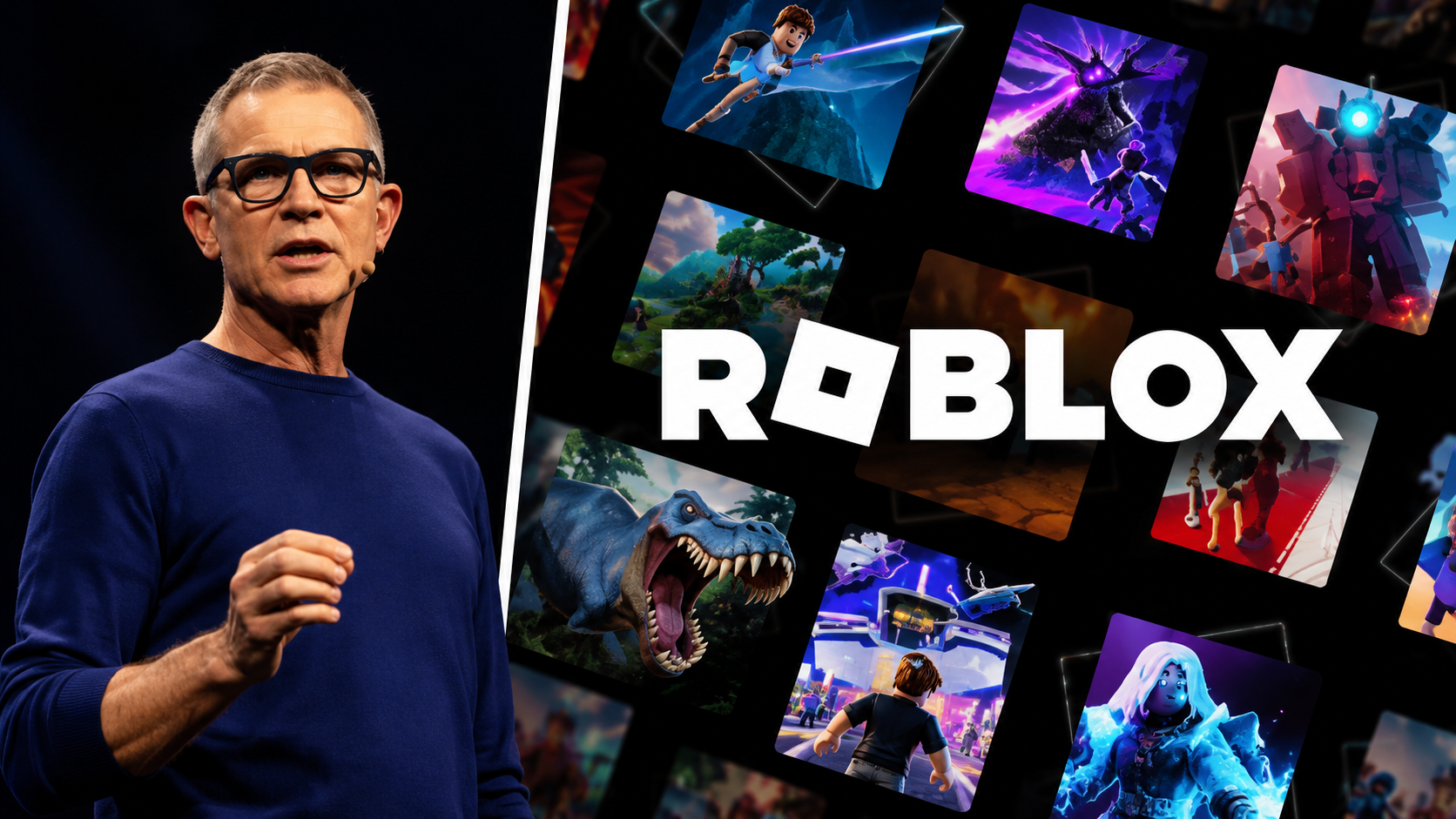

Roblox's Massive Gen AI Pivot: Why You No Longer Need the App to Play
Roblox is no longer content with being a platform you open through an app.
At its 2026 Roblox Developers Conference, the company announced a sweeping expansion that could fundamentally change how people discover, create and play Roblox experiences. By the end of 2026, players are expected to be able to click a Roblox game link and start playing directly inside Google Chrome, without installing the Roblox app. More browsers are planned to follow.
At the same time, Roblox is pushing much harder into generative AI.
Its new creation tools are designed to let creators generate game content through natural-language prompts, while the company's broader Roblox Everywhere strategy will allow individual Roblox experiences to become standalone applications across mobile, PC and consoles.
That combination is the interesting part.
Roblox isn't simply adding an AI chatbot or making its launcher slightly easier to use.
It is trying to remove the boundaries between a game platform, a game engine, a social network, a browser and an AI creation system.
And if Roblox executes this strategy as planned, the biggest change may be that players stop thinking about Roblox as an app at all.
────────────────────────────────────────
────────────────────────────────────────
What Roblox Just Announced
The announcements came during Roblox Developers Conference 2026, where Roblox described its direction around three broad ideas:
More playing.
More building.
More growth.
The company says players spent 29 billion hours on Roblox during the last quarter, across more than 180 countries. It also reported approximately 123 million daily users on average during the quarter in its developer-facing RDC materials.
The new strategy is designed to expand that audience by making Roblox easier to access while making it easier for creators to produce games.
That means the company is attacking both sides of the ecosystem simultaneously.
For players, Roblox wants fewer barriers between discovering a game and actually playing it.
For developers, it wants fewer barriers between having an idea and turning that idea into something playable.
Generative AI sits directly in the middle of that strategy.
────────────────────────────────────────
Chrome Play Changes the First Five Minutes
For years, discovering a Roblox game generally meant entering the Roblox ecosystem first.
Now imagine the opposite.
Someone posts a Roblox game link on Discord.
You click it.
The game opens in Chrome.
You press play.
You are inside the experience.
No separate application installation is required.
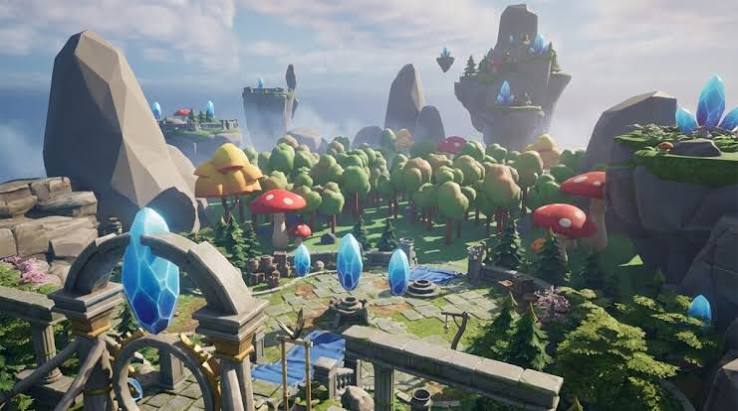
That is the experience Roblox is targeting with its upcoming Web Player.
Roblox says that by the end of 2026, players will be able to join games directly in Chrome from an Experience Details Page. The company specifically envisions links coming from search engines, YouTube, X, email and creator social channels.
That sounds like a small convenience feature.
It isn't.
It changes the relationship between Roblox and the rest of the internet.
────────────────────────────────────────
────────────────────────────────────────
Why Browser Gaming Matters for Roblox
The biggest advantage is friction.
Every extra step between discovering a game and playing it creates an opportunity for a user to leave.
Download an application.
Install it.
Sign in.
Update it.
Find the game.
Wait for it to load.
Browser gaming compresses that process.
The person who sees a Roblox clip on YouTube could potentially move from watching the clip to playing the exact experience with a single click.
That creates an extremely powerful discovery loop.
Watch → Click → Play.
And Roblox already has a massive amount of user-generated content waiting on the other side.
The company says every Moments video is intended to function as a gateway to play, and it is also expanding discovery through the Moments feature.
This means Roblox is increasingly treating video, social discovery and gameplay as parts of the same system.
────────────────────────────────────────
Roblox Wants Games to Escape Roblox
The browser announcement is only one piece of the bigger strategy.
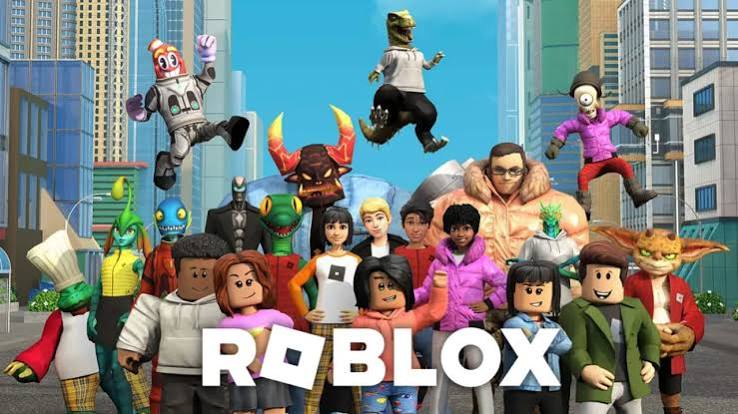
Roblox also announced Roblox Everywhere.
The idea is to let creators make their Roblox experiences available as standalone apps across mobile, PC and consoles, with Roblox providing the underlying technology and services.
This is a major conceptual shift.
Historically, a Roblox game was strongly tied to the Roblox platform.
The new approach makes the individual experience more portable.
Imagine discovering a Roblox game that looks interesting.
Instead of thinking:
"I need to play Roblox."
You could eventually think:
"I want to play this particular game."
That is a subtle but important difference.
Roblox could become infrastructure operating underneath individual games rather than simply being the destination players visit.
────────────────────────────────────────
────────────────────────────────────────
Then Comes the Gen AI Pivot
The platform expansion becomes even more interesting when combined with Roblox's AI strategy.
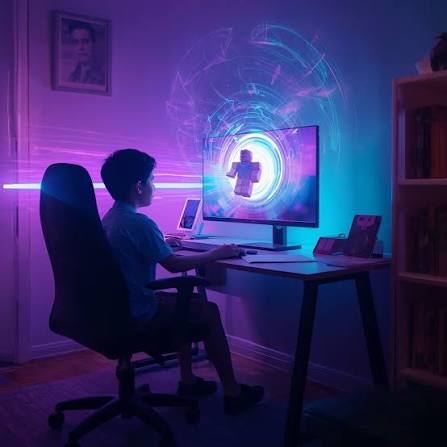
Roblox introduced Build, a mobile-first creation system that lets users create games through prompts.
The company describes it as an extension of its original "You make the game" philosophy.
Instead of requiring every creator to understand Roblox Studio before starting, Build is intended to let people describe what they want and begin creating.
During its early testing in New Zealand, Roblox says creators had already published approximately 9,000 games using Build. Of the thousands of users who created a game with it, 71% had never used Roblox Studio before, according to Roblox's data through September 1, 2026.
That statistic is arguably more important than the AI itself.
If accurate, it suggests the tool is reaching people who previously weren't Roblox developers.
And that is exactly what generative AI is supposed to do at its most useful.
Lower the barrier to creation.
────────────────────────────────────────
────────────────────────────────────────
Scene Generator Takes It Further
Build is only the beginning.
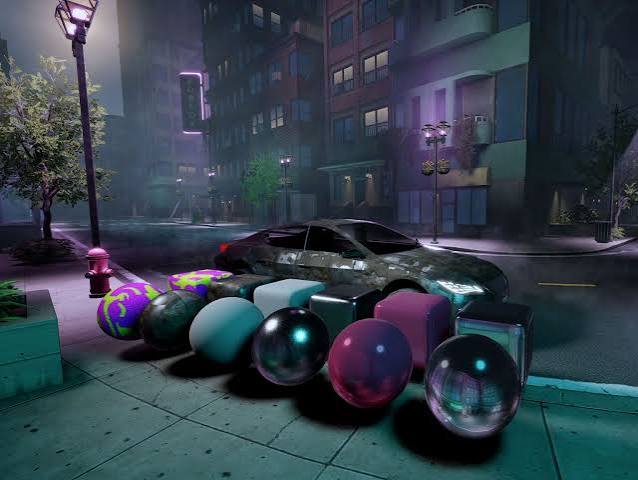
Roblox also announced Scene Generator, which is planned to bring prompt-to-scene functionality to both Build and Roblox Studio later in 2026.
The system will allow creators to provide a text prompt and reference image, generate a functional scene layout and then refine the result inside Studio.
That is a fundamentally different workflow from traditional game development.
Instead of manually creating every object first, a creator could potentially begin with:
"A snowy mountain village with a frozen lake, wooden cabins and a castle in the distance."
The AI can produce a starting point.
The developer then becomes an editor.
They decide what works.
They remove what doesn't.
They change the gameplay.
They adjust the environment.
They add the systems that make the experience actually fun.
This is where Roblox's AI strategy becomes much more interesting than simply generating pictures.
It is about generating game-ready structures.
────────────────────────────────────────
────────────────────────────────────────
Roblox Is Building an AI Creation Layer
Roblox describes the broader approach as an AI creation layer sitting on top of the platform's engine, infrastructure and services.
That wording matters.
The company isn't presenting generative AI as one isolated feature.
It is trying to integrate AI throughout the development pipeline.
That could include:
- scene generation
- asset creation
- texture generation
- development assistance
- moderation
- scripting assistance
- mobile-first creation
- collaboration
- discovery
Roblox's fall 2026 creator roadmap includes new texture-generation tools, scene generation and unified agentic permissions covering systems such as Assistant, MCP, Plugins and OCALE.
The eventual goal appears to be a development environment where creators can delegate increasingly complicated tasks to software agents.
The human creator remains responsible for the game's direction.
AI handles more of the repetitive construction.
────────────────────────────────────────
The Most Interesting Number Isn't 123 Million
Roblox reported approximately 123 million daily users on average last quarter in its RDC developer materials, while its main conference announcement said players spent 29 billion hours on Roblox during the quarter.
Those numbers demonstrate the scale of the existing ecosystem.
But the more interesting number is the 71% of Build creators who had never used Roblox Studio before.
That tells us what Roblox is really trying to change.
The company doesn't simply want existing developers to become 20% faster.
It wants people who have never considered themselves game developers to start building.
That is a much more ambitious goal.
If someone can go from an idea to a playable prototype without learning an entire game engine first, the number of potential creators could expand dramatically.
────────────────────────────────────────
────────────────────────────────────────
Roblox Is Also Going 2D
Another interesting part of the overhaul is that Roblox wants to become more than a platform for giant 3D multiplayer worlds.
The company is expanding its engine with tools specifically aimed at 2D and puzzle games.
These include:
- a new orthographic camera
- animated image containers
- direct sprite-sheet import
- improved UI capabilities
- blur effects
- text shadows
- better gradients
Roblox also wants to support more turn-based and asynchronous multiplayer experiences, with notifications helping players know when it is their turn.
That may sound unrelated to the AI push.
It isn't.
AI makes content creation easier.
Expanding the engine makes more types of content possible.
Browser play makes those games easier to access.
And improved discovery gives those games more opportunities to find an audience.
These features reinforce each other.
────────────────────────────────────────
Offline Roblox Is Coming Too
Roblox is also moving in the opposite direction from its traditionally online-first identity.
The company says creators will eventually be able to enable offline solo play alongside live multiplayer modes.
Offline play is targeted for mid-2027, with early access coming sooner.
That could open Roblox to an entirely different category of experience.
Short puzzle games.
Turn-based adventures.
Single-player experiences.
Games designed for travel.
Experiences that don't require a constant connection.
The more Roblox expands beyond the traditional multiplayer sandbox, the more it starts looking like a general-purpose game platform.
────────────────────────────────────────
────────────────────────────────────────
The New Roblox Discovery Loop
Roblox's strategy becomes easier to understand when all these features are placed together.
A creator can use AI to build a game.
The game can be published rapidly.
A short gameplay video can appear in Moments.
Someone sees that video.
They click it.
The game opens in Chrome.
The player starts playing.
If they enjoy it, they can follow the creator or friends.
The game can potentially expand to other platforms.
That creates a complete loop:
Create → Discover → Click → Play → Share → Return
Roblox already has enormous traffic inside its ecosystem.
The new strategy is about extending that loop outward.
────────────────────────────────────────
────────────────────────────────────────
What This Means for Roblox Developers
For creators, this could be one of the biggest changes Roblox has ever made.
The traditional Roblox development pipeline required learning Studio, understanding scripting, creating assets, testing experiences and figuring out how to attract players.
The new system is trying to reduce the entry barrier at almost every stage.
AI can help generate content.
Build can provide a mobile-first creation path.
Scene Generator can create environments.
Asset tools can accelerate production.
Chrome can reduce the barrier for players.
Roblox Everywhere can potentially expand distribution.
Discovery systems can connect games with new audiences.
None of this guarantees that better games will automatically appear.
In fact, Roblox itself has emphasized that its discovery systems are designed around engagement and retention rather than simply flooding the homepage with AI-generated experiences.
That distinction will become increasingly important.
────────────────────────────────────────
The AI Slop Problem
There is an obvious danger in making game creation dramatically easier.
If creating a game becomes almost effortless, the internet could be flooded with low-effort games.
Roblox knows this.
In its July announcement, the company specifically said its discovery systems are designed to surface games that people actually want to play and retain players, rather than simply rewarding AI-generated output.
That creates an interesting tension.
AI can increase the amount of content available.
But more content does not automatically mean better content.
The real challenge will be discovery.
If Roblox suddenly has millions more games, players need better ways to find the few that are genuinely worth their time.
That explains why Roblox's AI announcement and its discovery announcements are happening together.
Creation without discovery creates a graveyard of games.
Discovery without enough quality content creates repetition.
Roblox needs both.
────────────────────────────────────────
Roblox Is Slowly Becoming Infrastructure
This may ultimately be the biggest story.
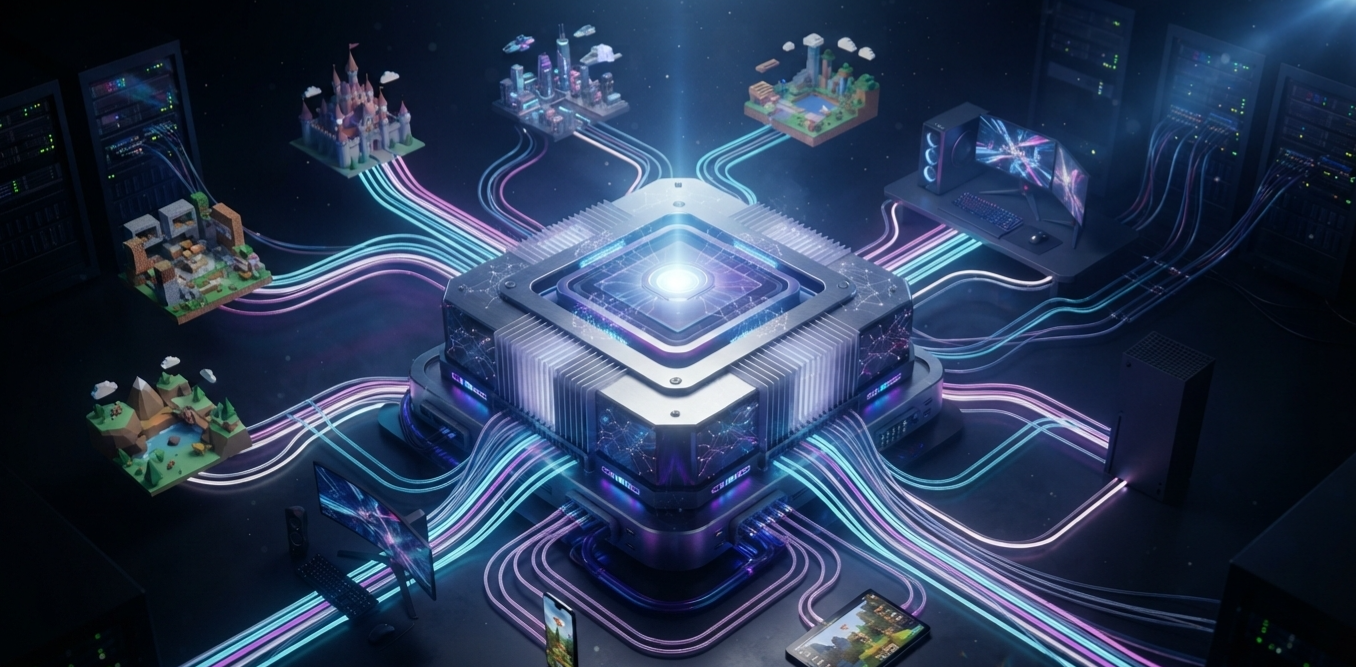
Roblox increasingly looks less like one game platform and more like a technology stack.
At the bottom is the engine.
Above that is cloud infrastructure.
Then come creator tools.
Then AI.
Then publishing.
Then discovery.
Then social systems.
Then monetization.
And now browser and cross-platform distribution.
Roblox itself describes the platform as effectively a "cloud operating system for gaming," with the engine, infrastructure and services required for creators to publish and scale experiences.
If that vision succeeds, Roblox does not necessarily need every player to think of Roblox as a single destination.
It could become the technology underneath thousands or millions of individual games.
That would be a dramatically different company from the Roblox many players grew up with.
────────────────────────────────────────
────────────────────────────────────────
What Happens Next?
Most of the biggest features are not available everywhere immediately.
The Chrome Web Player is targeted for the end of 2026.
Scene Generator is expected later in 2026.
Offline play is targeted for mid-2027.
Roblox Everywhere will roll out as creators gain the ability to distribute experiences as standalone apps across supported platforms.
That means this is not one single update.
It is a multi-stage transformation.
And that matters because the individual announcements become much more powerful when they eventually work together.
AI creation.
Instant browser play.
Standalone distribution.
Offline experiences.
Better discovery.
Cross-game social systems.
Those pieces could turn Roblox into something much broader than the platform it is today.
────────────────────────────────────────
FAQ
Can you play Roblox directly in Chrome now?
Roblox announced that by the end of 2026, players will be able to join games directly in Chrome from an Experience Details Page without installing the Roblox app. More browsers are planned to follow.
Do you still need the Roblox app?
For the traditional Roblox experience, the app remains important. The new Web Player is being introduced as an additional way to access games directly through Chrome.
What is Roblox Build?
Build is Roblox's mobile-first AI creation system that lets users create games through natural-language prompts. Roblox is expanding its availability and adding features such as desktop access, an asset library and more iterative control.
What is Roblox Scene Generator?
Scene Generator is an upcoming AI tool that can generate functional scene layouts from text prompts and reference images, with creators able to refine the results in Roblox Studio.
Is Roblox becoming an AI game engine?
Roblox is increasingly integrating generative and agentic AI into its creation ecosystem, but it remains a broader platform containing an engine, infrastructure, social systems, discovery and creator services.
Can Roblox games become standalone apps?
Roblox announced Roblox Everywhere, under which creators will eventually be able to make their games available as standalone apps across mobile, PC and consoles while Roblox provides the underlying technology and services.
Will Roblox work offline?
Roblox announced support for offline solo play alongside live multiplayer. Offline play is targeted for mid-2027, with early access expected sooner.
Will AI-generated Roblox games replace human developers?
There is no indication that Roblox is eliminating the need for creators. The stated direction is to give creators tools that automate parts of development while allowing them to refine and control the final experience.
────────────────────────────────────────
Final Take
Roblox's 2026 strategy is much bigger than simply adding AI.
The company is trying to remove friction from almost every part of the gaming pipeline.
For players, that means a future where discovering a Roblox game could be as simple as clicking a link in Chrome.
For creators, it means being able to move from an idea to a playable prototype with increasingly powerful AI assistance.
For developers with larger ambitions, Roblox Everywhere could eventually allow individual experiences to escape the traditional Roblox app and become standalone products across multiple platforms.
And underneath all of it is a much bigger ambition.
Roblox wants to become infrastructure for user-generated gaming.
The AI is the creation layer.
The browser is the access layer.
Roblox Everywhere is the distribution layer.
Discovery and social features are the audience layer.
Put together, they represent one of the most significant changes to the Roblox ecosystem since the platform became a mainstream gaming phenomenon.
The biggest question is no longer whether Roblox can make game creation easier.
It can.
The bigger question is whether Roblox can make millions of easier-to-create games worth playing.
If it can, the Roblox app may eventually become the least important part of Roblox.