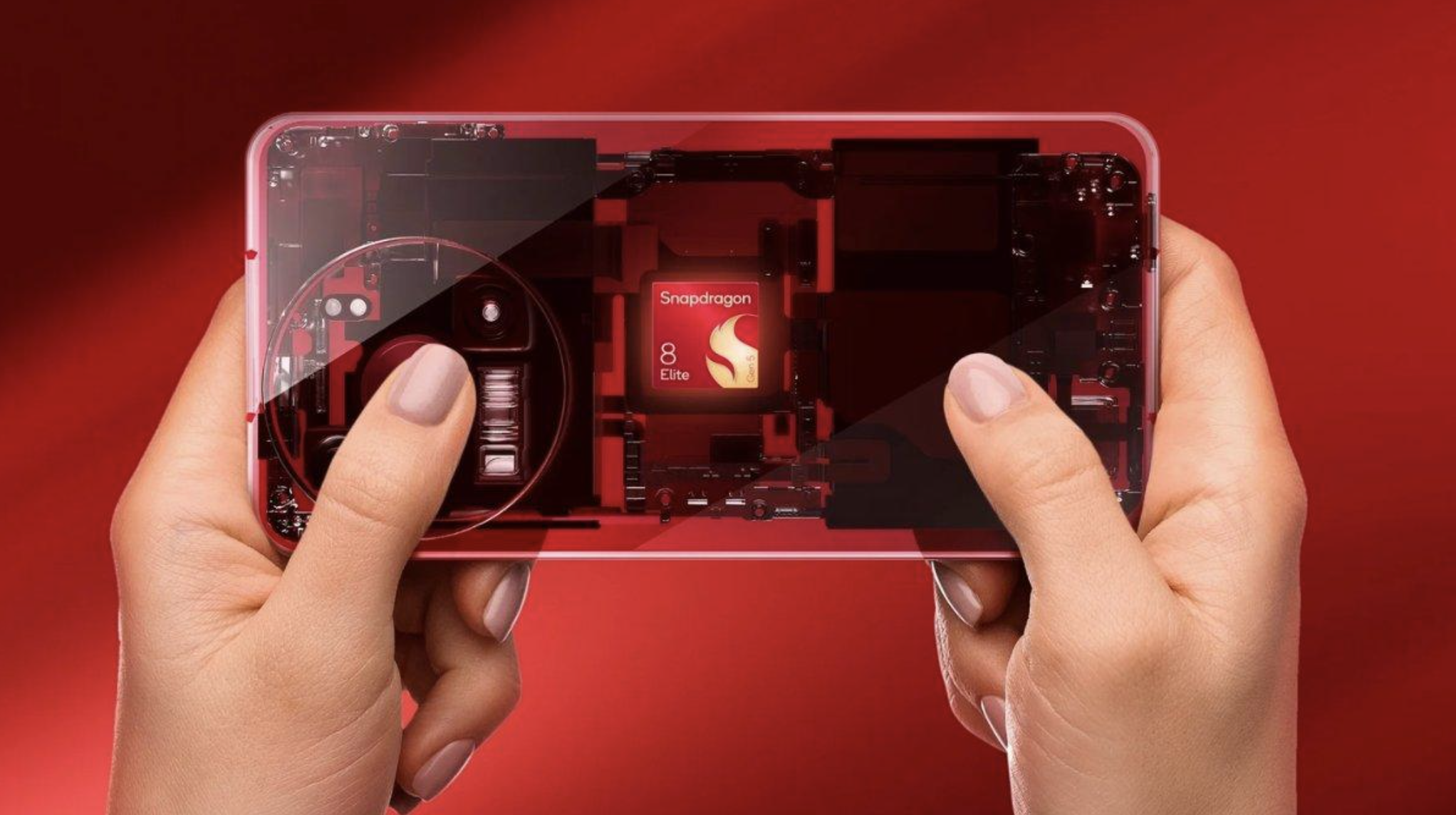

⚡ Qualcomm Just Put 5GHz in a Smartphone Chip
5GHz used to sound like desktop CPU territory.
Now Qualcomm has put it inside a smartphone platform.
The new Snapdragon 8 Elite Extreme Gen 6 is Qualcomm's latest flagship mobile processor, and its biggest headline feature is straightforward: its Oryon CPU has two Prime cores capable of reaching 5GHz.
It launches alongside the regular Snapdragon 8 Elite Gen 6, giving Qualcomm two flagship mobile platforms for the next generation of premium Android phones.
And Qualcomm isn't stopping at clock speed.
The Extreme model also brings a new 2nm manufacturing process, a redesigned Adreno GPU, a more powerful Hexagon NPU and new AI-powered graphics technology.
🧠 The 5GHz Oryon CPU
The headline number is the easiest place to start.
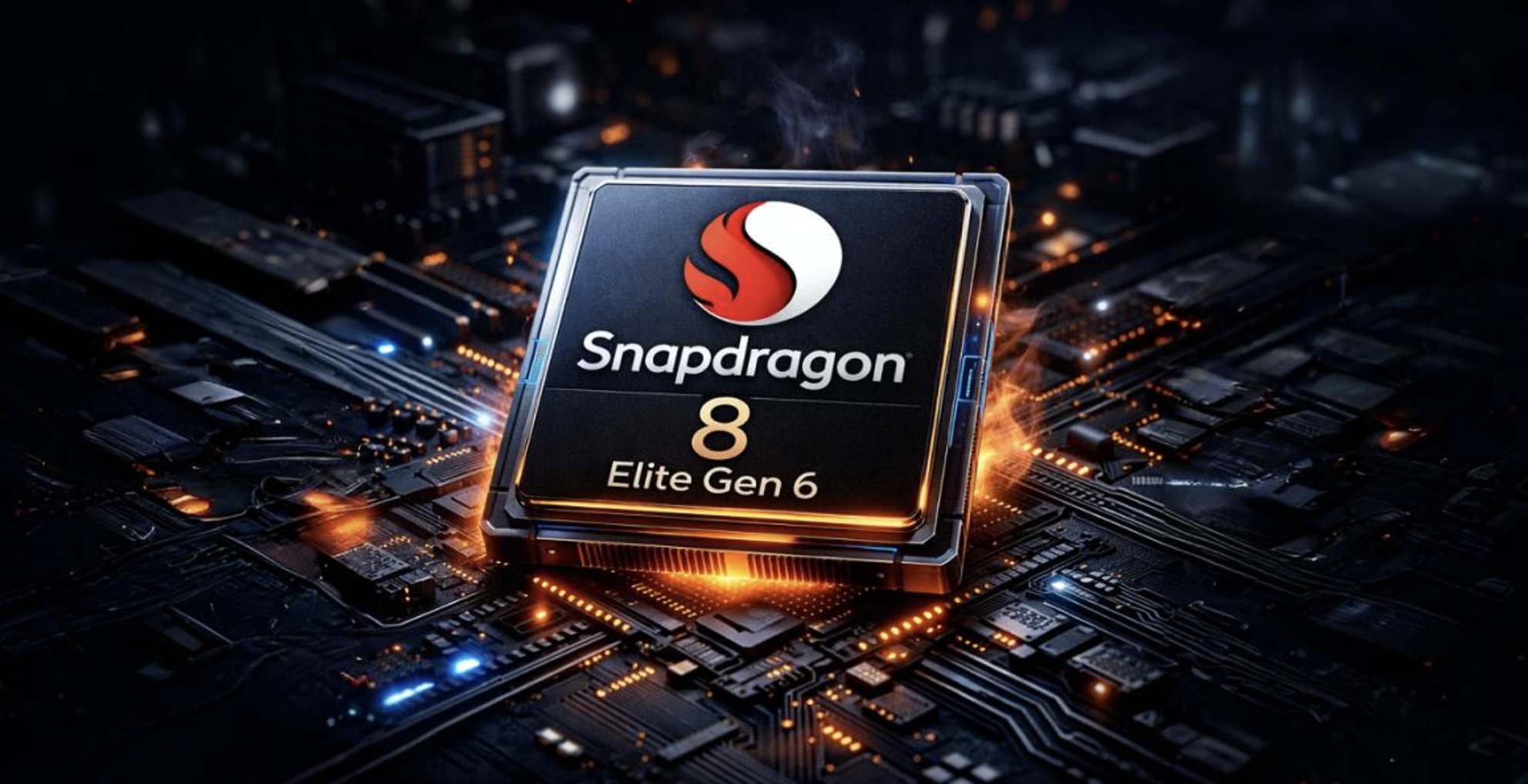
The Snapdragon 8 Elite Extreme Gen 6 uses Qualcomm's custom-built Oryon CPU, with two Prime cores reaching up to 5GHz and six Performance cores running at up to 4GHz.
That gives the chip a 2+6 CPU configuration.
Qualcomm says the Extreme version delivers a 13% CPU performance improvement over the previous generation, while the regular Snapdragon 8 Elite Gen 6 delivers a 10% improvement.
The 5GHz figure isn't simply marketing decoration either.
Independent hands-on testing by Android Authority found the Extreme model delivering around a 10% Geekbench 6 CPU improvement over the previous generation.
🔬 Built on 2nm
The other major change is happening beneath the surface.
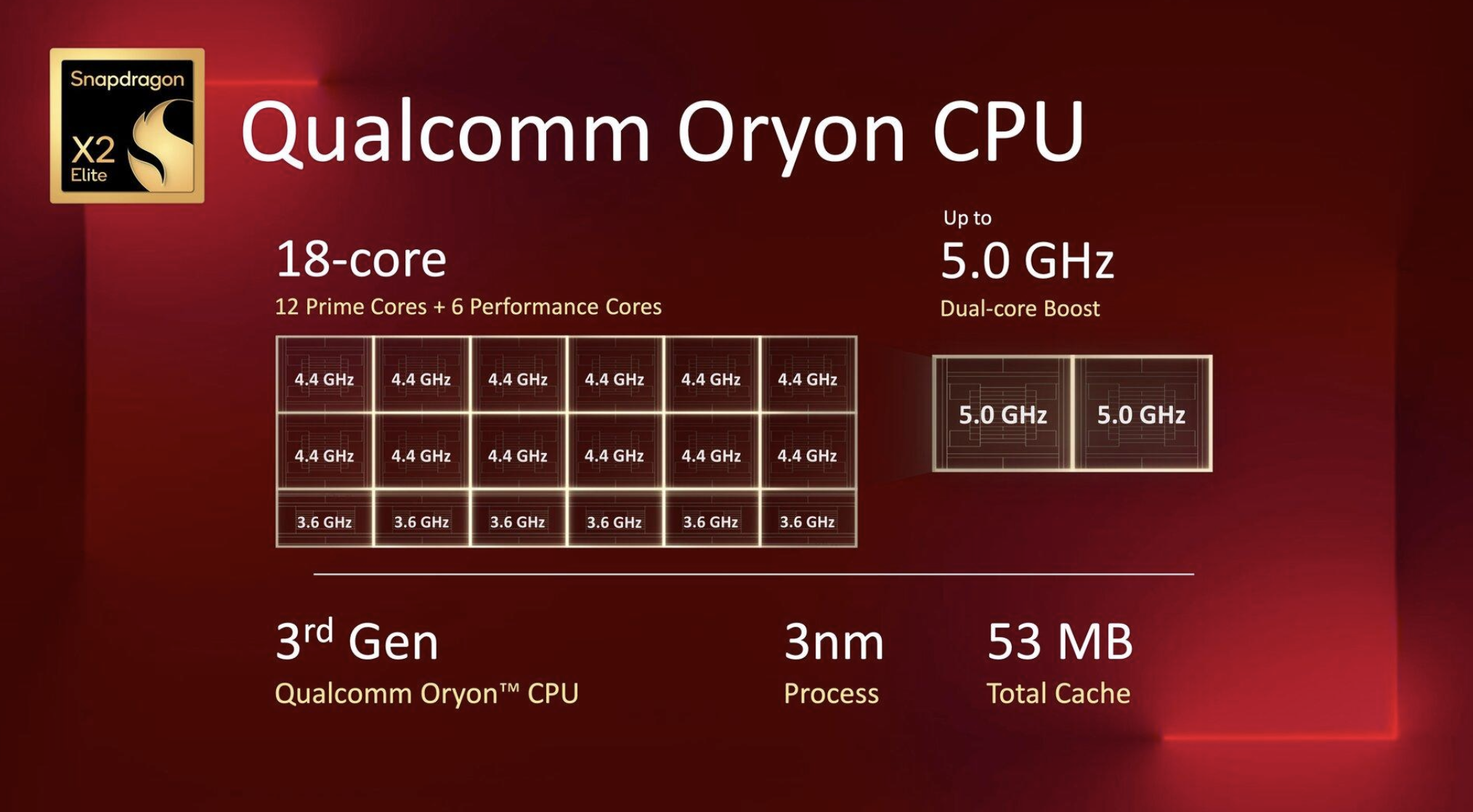
Both Snapdragon 8 Elite Gen 6 platforms are built using a TSMC 2nm process.
Moving to a smaller process allows Qualcomm to push performance while also improving efficiency.
Qualcomm claims the new CPU architecture delivers up to 37% better power efficiency compared with the previous generation.
For smartphones, efficiency may ultimately matter more than the 5GHz headline.
A phone can't simply add a massive desktop-style cooler when the processor gets hot. Sustained performance therefore depends heavily on how efficiently the chip can deliver that performance.
🧩 Oryon Flex Cache
Qualcomm has also redesigned the CPU's cache system.
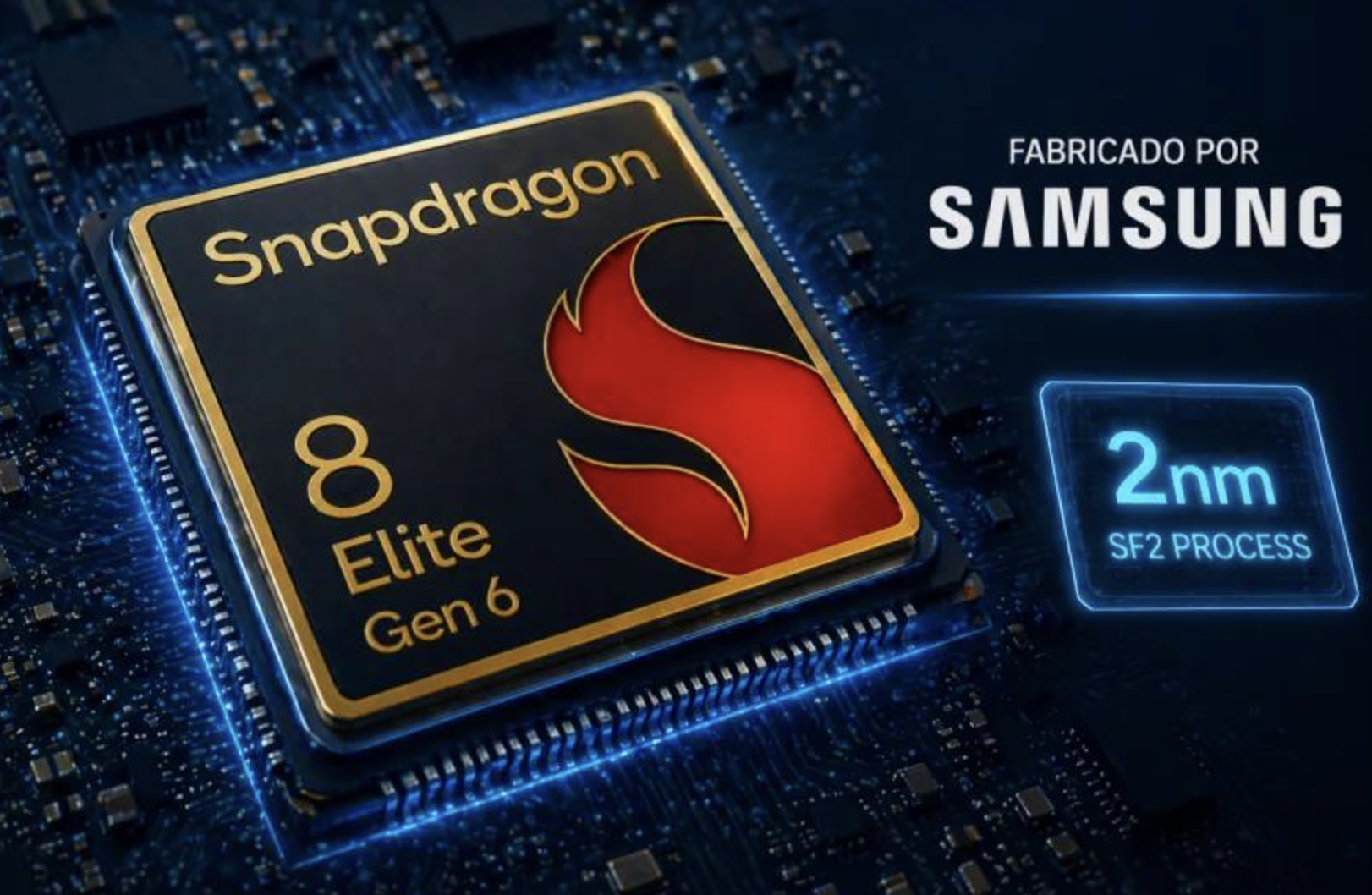
The new architecture uses 16MB of Oryon Flex Cache, giving the CPU cores access to a shared pool rather than relying on the same type of split cache arrangement used previously.
The idea is to make it easier for workloads to move between CPU cores without unnecessary data movement.
That could become particularly useful for demanding workloads where different CPU cores need access to the same data.
🎮 Adreno Gets an AI Upgrade
The CPU isn't the only part receiving an upgrade.
The Snapdragon 8 Elite Extreme Gen 6 introduces Adreno Neural Fusion, which combines dedicated AI processing with the GPU.
Qualcomm says the technology can assist with features such as AI-powered super resolution, frame generation and image reconstruction.
The goal is simple: make mobile games look better without forcing the GPU to do every part of the workload traditionally.
Qualcomm claims the new Adreno GPU delivers up to a 44% performance increase while improving power efficiency by up to 40% compared with the previous generation.
🤖 AI Is a Huge Part of the Chip
Qualcomm is positioning the Extreme Gen 6 as more than a faster phone processor.
The company says the chip can run sophisticated 30-billion-plus-parameter Mixture-of-Experts models directly on the device.
The new Hexagon NPU is claimed to be 35% faster, with up to 33% better performance per watt.
That means more AI processing can happen locally rather than relying entirely on cloud servers.
Qualcomm is calling this its push toward the agentic AI era, where AI systems can understand context and perform tasks rather than simply respond to individual commands.
📸 Your Phone Becomes a Video Workstation
The Extreme version also makes a big jump in video capabilities.
Qualcomm's new platform supports 8K video at 60fps and 4K at 240fps, alongside the company's Advanced Professional Video codec.
The company also highlights Intelligent Pixel Control and its Elite Color Engine for computational photography and video processing.
This is another area where the extra processing power could matter more than a benchmark score.
Smartphones are increasingly being used to record, edit and publish professional-looking content without requiring a separate camera or computer.
📊 How Fast Is It Actually?
The 5GHz number makes for a great headline, but benchmarks provide more useful context.
Android Authority tested a Qualcomm reference device running the Snapdragon 8 Elite Extreme Gen 6 and found the CPU roughly 10% faster in Geekbench 6 than the previous generation.
That's broadly consistent with what you might expect from the jump from 4.6GHz-class peak clocks to 5GHz, rather than suggesting an enormous generational leap in CPU architecture.
The bigger story is therefore the combination of:
5GHz peak CPU clocks
2nm manufacturing
improved efficiency
redesigned cache
stronger GPU performance
dedicated AI acceleration
Rather than one single feature transforming smartphone performance, Qualcomm is improving almost every part of the platform.
📱 Where Will It Show Up?
The Snapdragon 8 Elite Extreme Gen 6 is designed for premium Android smartphones.
Qualcomm says devices using the new platforms will come from brands including HONOR, iQOO, Motorola, OnePlus, OPPO, REDMI, RedMagic, vivo and Xiaomi.
That means the processor should appear across a wide range of flagship phones rather than being limited to a single manufacturer.
🐧 What About Linux?
This is where the original headline needs some caution.
There has been interest around Linux support for Qualcomm's newer Oryon-based hardware, but Qualcomm's official Snapdragon 8 Elite Extreme Gen 6 announcement does not establish native Linux support as a headline feature.
The official documentation instead focuses on Android smartphones, AI, gaming, camera capabilities and connectivity.
So while Linux compatibility may become an interesting part of the platform's broader ecosystem, it shouldn't currently be described as a confirmed defining feature of this chip without additional documentation.

🚀 The Bigger Picture
The Snapdragon 8 Elite Extreme Gen 6 shows how quickly smartphone processors are moving.
A 5GHz mobile CPU would have sounded excessive only a few years ago.
Now it's one feature inside a processor that also combines a 2nm design, advanced GPU acceleration, dedicated AI hardware, high-end video processing and next-generation connectivity.
The real challenge will be turning all of that silicon into sustained performance inside a device that still needs to fit into your pocket.
🎯 Final Take
The Snapdragon 8 Elite Extreme Gen 6 isn't simply about hitting 5GHz.
It's Qualcomm's attempt to push flagship smartphone computing closer to traditional PC-class performance while keeping the efficiency requirements of a mobile device.
The first benchmarks suggest a meaningful CPU improvement, while the larger platform brings substantial changes to AI, graphics, video and connectivity.
The interesting part now is seeing how phone manufacturers actually use it.
Because once 5GHz becomes possible inside a smartphone, the question isn't really whether phones can become faster.
It's what developers will do with all that extra performance.