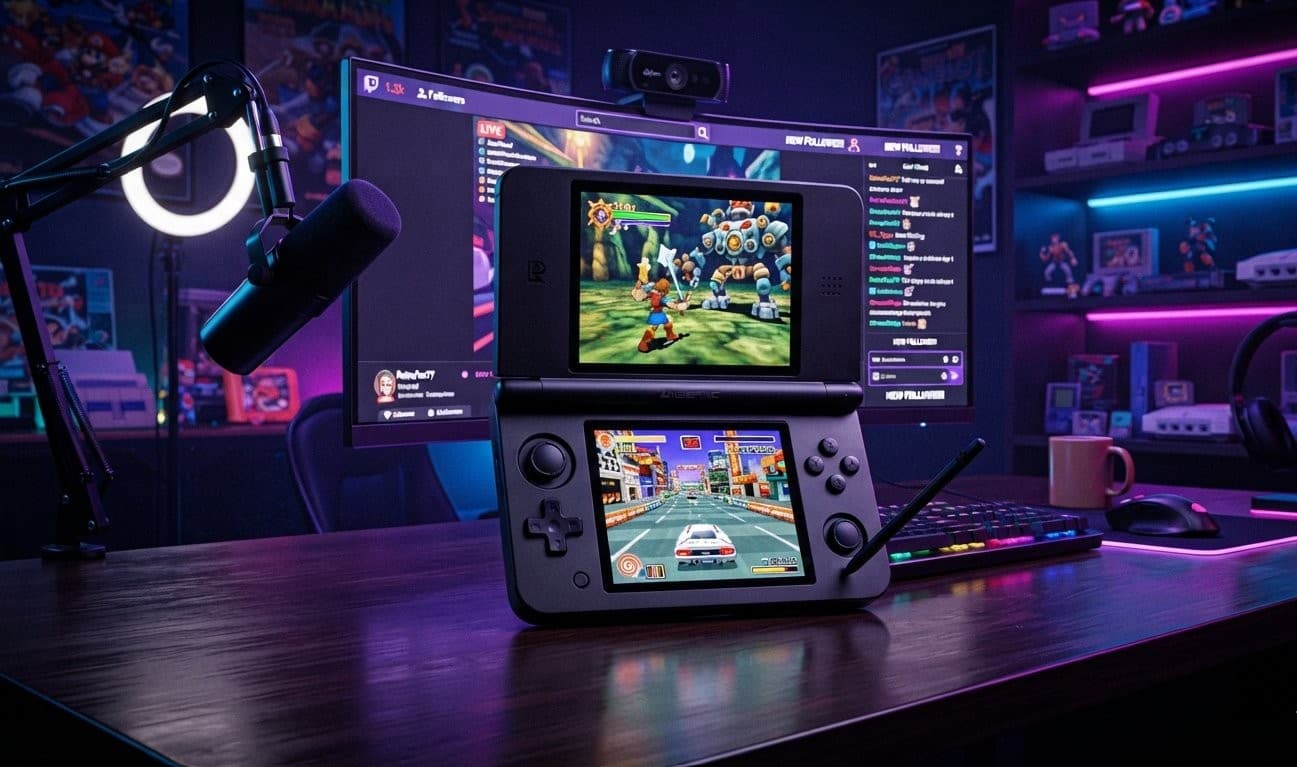

The Retroid Pocket Duo Lite+ Arrived Almost Immediately
The Retroid Pocket Duo Lite+ is the kind of hardware announcement that makes you wonder whether the retro handheld market is moving too quickly.
Retroid has barely finished introducing its new Pocket Duo family, yet there is already a third model. The company has announced the Pocket Duo Lite+, an upgraded version of the recently introduced Duo Lite that keeps the same slim dual-screen design while moving to the substantially more powerful processor used in the flagship Duo.
The timing is what makes the announcement interesting.
Retroid introduced the Pocket Duo and Pocket Duo Lite earlier in September, opened pre-orders shortly afterward, and began shipping the Duo Lite this week. Then, on September 20, Retroid revealed the Pocket Duo Lite+. That puts the new model less than two weeks after the original Duo lineup became public.
That is not simply another colorway or storage configuration. The Lite+ changes one of the most important components inside the machine.
And that creates a bigger question for the retro gaming industry: how many versions of essentially the same handheld can the market absorb before choice becomes confusion?
────────────────────────────────────────
QUICK TAKE
| Model | Processor | RAM / Storage | Displays | Price |
|---|---|---|---|---|
| Pocket Duo Lite | Dragonwing QCS6125 | 4GB/64GB or 6GB/128GB | Dual 60Hz TFT | $149 |
| Pocket Duo Lite+ | Dragonwing Q-7790 | 8GB/128GB | Dual 60Hz TFT | $219 |
| Pocket Duo | Dragonwing Q-7790 | 8GB/128GB | Dual 120Hz AMOLED | $269 |
The Lite+ currently sits directly between the two existing Duo models. Retroid lists it at $219, with a temporary pre-order price of $199 using its promotional discount.
────────────────────────────────────────
────────────────────────────────────────
What Exactly Is the Pocket Duo Lite+?
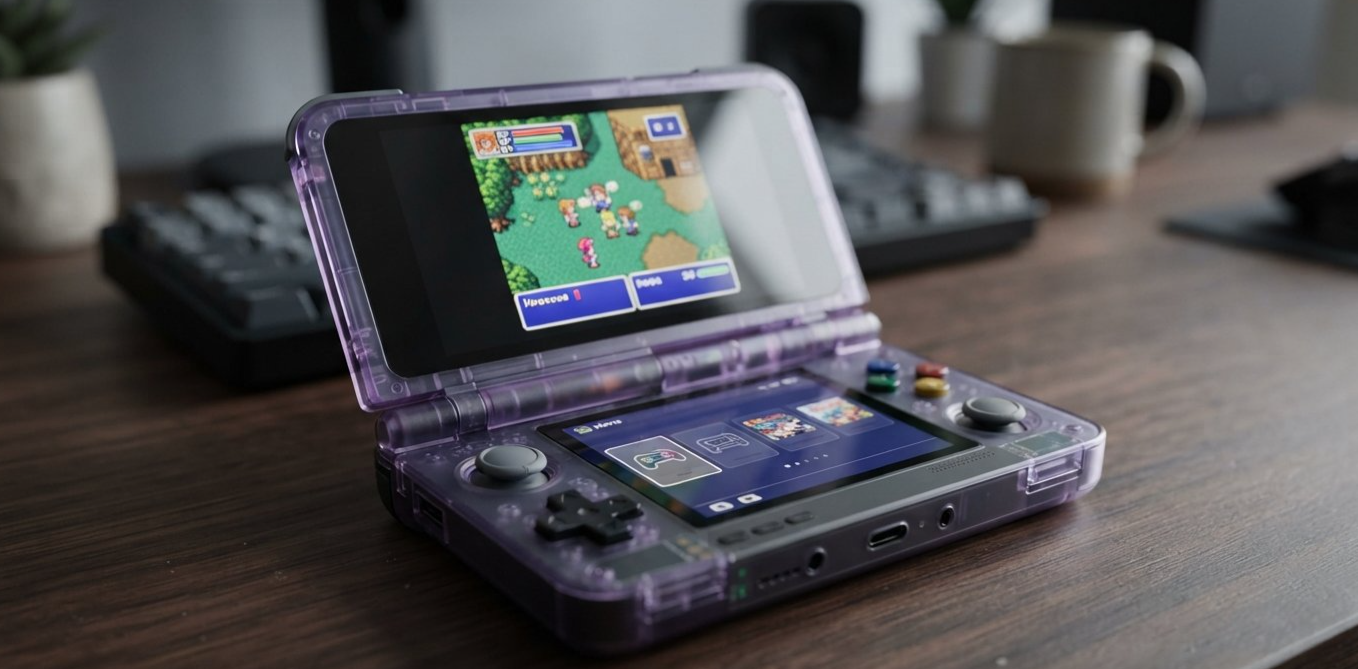
The simplest way to understand the Pocket Duo Lite+ is to think of it as the hardware configuration that sits between the existing Duo and Duo Lite.
The physical design is based on the Duo Lite. That means buyers get the slimmer clamshell chassis and dual 60Hz displays rather than the more premium dual 120Hz AMOLED panels found on the standard Pocket Duo.
The major change is inside.
The Duo Lite uses Qualcomm's Dragonwing QCS6125 platform, while the Lite+ upgrades to the Dragonwing Q-7790 used by the regular Pocket Duo. The Lite+ also comes with 8GB of RAM and 128GB of storage.
The result is a strange but understandable three-tier lineup.
At the bottom is the cheaper Duo Lite.
In the middle is the new Lite+.
At the top is the full Pocket Duo.
That sounds logical when presented on a product page. The problem is that the middle option appeared after customers had already been asked to make their purchasing decision.
────────────────────────────────────────
────────────────────────────────────────
The Timing Is the Real Story
The Pocket Duo Lite+ would be far less controversial if Retroid had announced all three configurations at the same time.
Instead, buyers first saw the Pocket Duo and Pocket Duo Lite.
The Lite was particularly important because it offered a cheaper entry point into dual-screen Android gaming. Retroid positioned it at $149, while the standard Duo launched at $269.
Then came the Lite+.
At $219, it is considerably more expensive than the Lite but $50 below the standard Duo's regular price. More importantly, it offers the same Q-7790 processor and 8GB/128GB configuration as the flagship model while retaining the Lite's 60Hz LCD approach.
For a buyer who ordered the Lite shortly after pre-orders opened, the timing creates an obvious dilemma.
Why buy the cheaper model if a more powerful version is about to become available for an additional $70?
And why buy the flagship model if the new Lite+ provides the same processor for considerably less?
That is the unusual position Retroid has created for itself.
────────────────────────────────────────
Retroid Says Customer Feedback Helped Create the Lite+
Retroid has attributed the Lite+ to feedback received after the Duo Lite launched.
That explanation is plausible in the sense that hardware companies frequently adjust product plans based on demand. But the timing makes the situation unusual because the new configuration appeared while the original product was still entering the hands of early customers.
Retroid has attempted to address that problem.
The company paused existing Duo Lite shipments and offered customers who had already ordered the Lite the opportunity to either keep their original order or exchange it for the Lite+. Customers who had already received their Duo Lite were also given an exchange option, with Retroid covering return shipping according to reports.
That is an important distinction.
The announcement may have created frustration, but Retroid did not simply leave early buyers with no options.
Still, the situation highlights one of the biggest challenges facing the modern retro handheld market: hardware cycles are becoming extremely short.
────────────────────────────────────────

────────────────────────────────────────
The Retro Handheld Market Is Getting Crowded
The Pocket Duo Lite+ is arriving at a fascinating point in the industry.
A few years ago, the retro handheld market was largely divided between inexpensive Linux-based devices and much more expensive Windows handheld PCs.
That distinction has blurred.
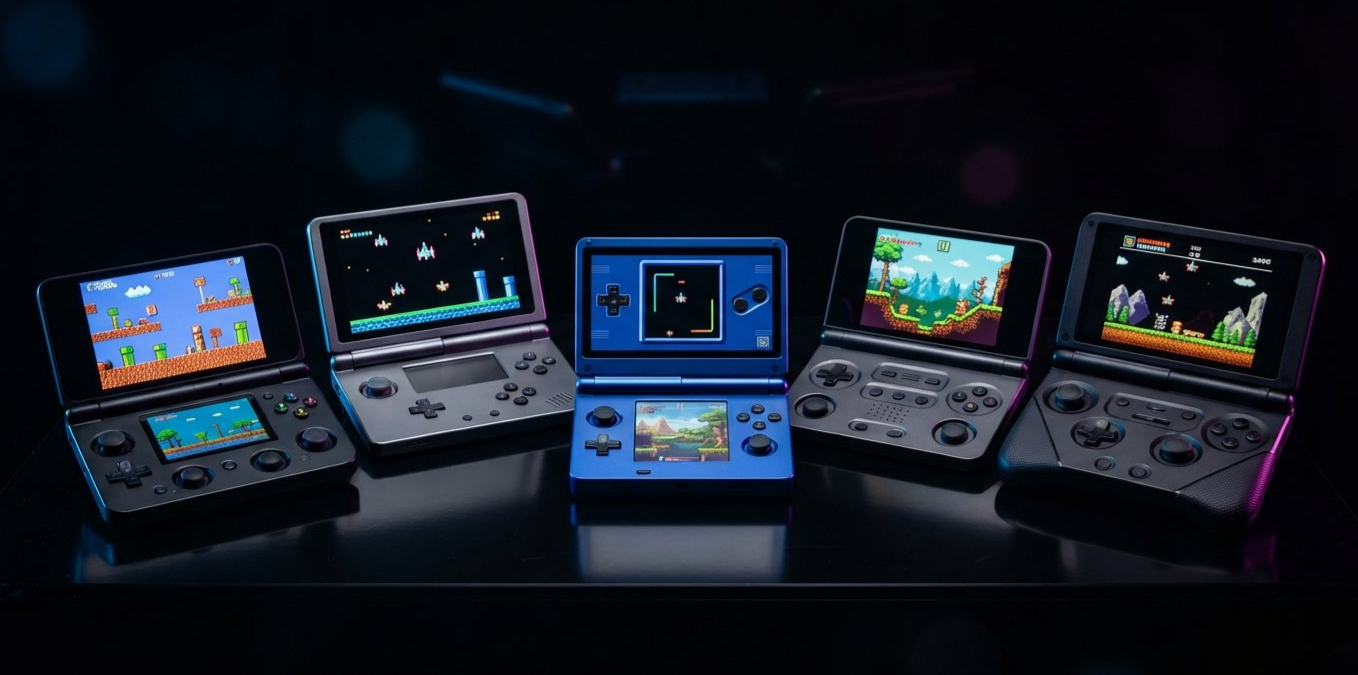
Android handhelds can now cover a huge range of emulation targets. Manufacturers are experimenting with vertical designs, horizontal designs, clamshells, detachable screens and increasingly powerful processors.
The DS and 3DS-inspired category has become especially interesting.
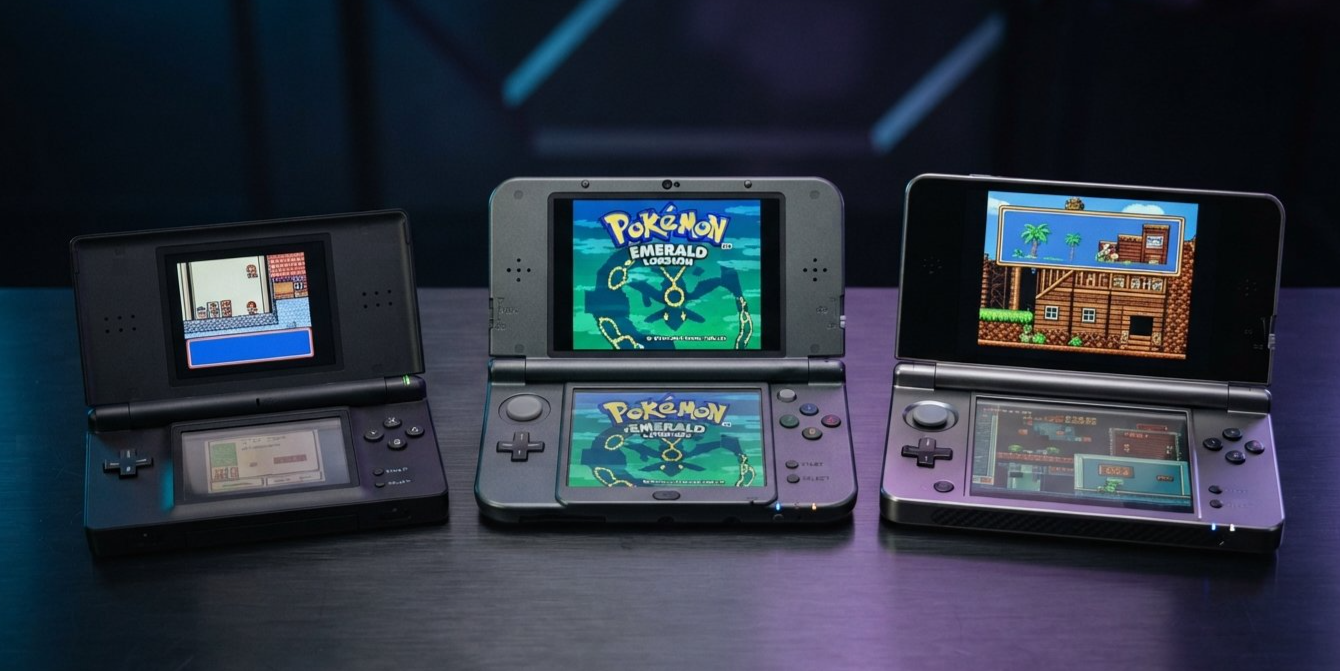
Retroid is competing with products such as Anbernic's RG DS family, while higher-end alternatives such as the AYANEO Pocket DS and AYN Odin Thor occupy other parts of the dual-screen market.
That means buyers are no longer asking simply:
"Which retro handheld should I buy?"
They are increasingly asking:
"Which version of this year's retro handheld should I buy?"
That is a very different market.
────────────────────────────────────────
────────────────────────────────────────
More Hardware Does Not Automatically Mean a Better Market
Competition can be good for consumers.
More manufacturers mean more experimentation.
Lower prices can make previously expensive hardware accessible.
Better processors can make demanding emulation more practical.
But there is another side to the equation.
Rapid hardware releases can make buyers hesitant.
Someone who purchased a handheld three months ago may suddenly see a newer model with a faster chip, more RAM and better connectivity for only a relatively small premium.
The Pocket Duo Lite+ demonstrates that problem particularly well.
The original Lite starts at $149.
The Lite+ is $219 normally and $199 during its introductory promotion.
The standard Duo is $269 normally, with promotional pricing available as well.
That means the difference between the three devices is not enormous.
The specifications, however, are different enough that customers have to understand the trade-offs.
────────────────────────────────────────
The Lite+ Could Actually Make More Sense Than the Original Duo
There is an interesting contradiction here.
The Lite+ announcement creates uncertainty around the product lineup, but the device itself makes considerable sense.
The Q-7790 gives the Lite+ a much stronger hardware foundation than the original Duo Lite.
It also comes with 8GB of RAM and 128GB of storage, compared with the Lite's 4GB/64GB and 6GB/128GB configurations. The Lite+ additionally brings features such as Wi-Fi 6E, Bluetooth 5.4, 27W charging and DisplayPort output, alongside Android 16.
The trade-offs are straightforward.
You give up the flagship Duo's AMOLED displays and 120Hz refresh rate.
You also retain the Lite-style digital trigger arrangement rather than the more advanced controls of the standard model.
For someone who cares more about processor performance than display technology, that trade could be attractive.
The problem is not really the product.
It is the release strategy.
────────────────────────────────────────
────────────────────────────────────────
Is the Retro Handheld Market Reaching Saturation?
Saturation is difficult to measure from one product announcement.
There are still plenty of buyers entering the category, and new form factors continue to create demand.
But the number of overlapping products is becoming difficult to ignore.
Retroid itself now has three Duo configurations.
Anbernic has its own DS-style products.
AYANEO has pursued the premium dual-screen segment.
AYN has targeted performance-focused buyers.
Meanwhile, traditional single-screen Android handhelds continue to improve.
The important question is therefore not whether the market has literally stopped growing.
It is whether manufacturers are beginning to compete more aggressively for existing enthusiasts rather than simply bringing new customers into the category.
The Pocket Duo Lite+ is an interesting example because it does not introduce a completely new concept.
It refines an existing product.
It takes the same basic chassis, changes the processor, increases the memory configuration and creates another price point.
That strategy can work, but it also creates a faster-moving product cycle.
────────────────────────────────────────
What This Means for Buyers
For consumers, the biggest lesson from the Lite+ announcement is simple:
Do not judge a new handheld only by its launch announcement.
The retro handheld market moves quickly enough that waiting for the complete lineup can sometimes reveal a better configuration.
The Pocket Duo series is a perfect example.
The original Duo provides the premium display experience.
The Duo Lite provides the cheaper entry point.
The Lite+ focuses on performance while keeping the cheaper chassis and LCD screens.
None of those products necessarily makes the others irrelevant.
They simply target different priorities.
The difficulty is knowing those priorities before spending the money.
────────────────────────────────────────
The Bigger Problem With Constant Hardware Releases
There is a point where more choice becomes less useful.
If a manufacturer launches one handheld per year, consumers have a straightforward decision.
If a company launches multiple versions within weeks, buyers have to constantly monitor announcements before purchasing.
That can create a "wait for the next model" mentality.
And that mentality can be dangerous for smaller hardware manufacturers.
Retro handheld companies rely heavily on enthusiasts who are willing to buy early.
If those enthusiasts begin waiting because they expect another upgraded version shortly after launch, manufacturers may find it harder to build momentum around new devices.
The Pocket Duo Lite+ therefore raises a question that extends beyond Retroid:
How fast can the retro handheld industry refresh its hardware before customers stop buying at launch?
────────────────────────────────────────
A Crowded Market Could Still Be a Good Thing
Despite the concerns surrounding the timing, competition itself is not necessarily bad.
The current generation of retro handhelds demonstrates how far the category has progressed.
Dual-screen Android hardware is becoming more accessible.
Higher-performance processors are moving into smaller devices.
Display technology is improving.
Software support continues to evolve.
And buyers now have options at prices that would have seemed difficult to imagine a few years ago.
The Pocket Duo Lite+ is a product of that competition.
It exists because there is demand for a device that combines a compact dual-screen design with stronger processing power.
The interesting part is that Retroid appears to have discovered that demand almost immediately after launching the original Lite.
────────────────────────────────────────
Final Takeaway
The Retroid Pocket Duo Lite+ is more than another retro handheld announcement.
It is a snapshot of how quickly the category is evolving.
Retroid has gone from introducing the Pocket Duo and Duo Lite to adding a third configuration in less than two weeks. The Lite+ takes the Duo Lite's slimmer body and combines it with the Q-7790 processor, 8GB of RAM and 128GB of storage. It is priced at $219, with an introductory $199 pre-order price.
For customers, the hardware itself may be compelling.
For the industry, however, the timing raises a more important question.
Retro handhelds are no longer a tiny niche with a few obvious choices. The market is becoming increasingly crowded, and manufacturers are beginning to compete through increasingly precise hardware configurations.
That gives consumers more choice.
But it also means that buying the "latest" retro handheld may no longer mean owning the latest device for very long.
The Pocket Duo Lite+ could be remembered as a clever middle option in Retroid's lineup.
Or it could become an example of a larger problem facing the retro handheld industry: too many devices, too quickly, chasing the same enthusiast audience.
Either way, Retroid's surprise announcement has made one thing clear.
The retro handheld market is not standing still.
It is accelerating.
────────────────────────────────────────
FAQ
What is the Retroid Pocket Duo Lite+?
The Retroid Pocket Duo Lite+ is a dual-screen Android handheld based on the Pocket Duo Lite design but equipped with the more powerful Dragonwing Q-7790 processor used by the standard Pocket Duo.
How much does the Pocket Duo Lite+ cost?
Retroid lists the Pocket Duo Lite+ at $219. An introductory promotion brings the pre-order price down to $199.
How is the Duo Lite+ different from the Duo Lite?
The Lite+ upgrades the processor to the Q-7790, increases the configuration to 8GB RAM and 128GB storage, and adds newer connectivity and charging features. The Duo Lite uses the lower-end QCS6125 platform.
Does the Pocket Duo Lite+ have OLED screens?
No. The Lite+ retains the dual 60Hz LCD/TFT approach of the Duo Lite. The standard Pocket Duo uses dual 120Hz AMOLED displays.
When does the Pocket Duo Lite+ ship?
Retroid has scheduled shipments for mid-November 2026.
Why did Retroid release another model so quickly?
Retroid has said the Lite+ was created in response to customer feedback. The announcement came less than two weeks after the Duo Lite's launch period, which created frustration among some early buyers.