
Gemini 3.7 Flash: What's New and What It Can Do
Google has released a new Gemini model, and this one is aimed at people who actually want to get things done with AI.
It's called Gemini 3.7 Flash.
Google describes it as its most intelligent Flash model yet for coding and AI agents. The company says it improves on Gemini 3.6 Flash across software development, web development, document work, and business workflows.
But what does that actually mean for normal users?
Let's break it down.
What Is Gemini 3.7 Flash?
Gemini 3.7 Flash is the latest model in Google's Flash family.
The Flash models are designed to be fast and practical while still being capable enough for more complicated tasks.
This time, Google is putting a lot of attention on coding and AI agents.
That means the model isn't only meant to answer questions.
It can also work through multi-step tasks, use tools, help with software projects, and handle longer workflows with less manual input.
Google says the model was built after feedback from developers using previous Flash models.
And that focus is easy to see in the examples Google has shared.
What's Actually Better in Gemini 3.7 Flash?
The biggest improvements are around complex tasks.
Google says Gemini 3.7 Flash performs better than 3.6 Flash at things like:
- Debugging code
- Fixing software issues
- Generating production-ready code
- Web development
- Understanding complex documents
- Automating business workflows
- Planning multi-step tasks
In one of Google's reported coding benchmarks, FrontierCode 1.1 Main, Gemini 3.7 Flash scored 43.6% compared with 34.4% for Gemini 3.6 Flash.
On DeepSWE v1.1, it scored 65.3% compared with 49.0%.
Of course, benchmarks don't always tell you exactly how a model will perform on your own projects.
But they do show where Google is trying to push the model.

Gemini 3.7 Flash Is Built for Coding
Coding is probably the biggest focus of this release.
Google says the new model is better at debugging and solving software issues, while also producing more accurate code on its first attempt.
That could make it useful for developers who don't want to spend hours going back and forth with an AI assistant.
For example, you could give it a bug, explain what you were trying to build, and ask it to find the problem.
It can then work through the issue instead of simply throwing a random code snippet at you.
That's especially useful for larger projects where one small bug can affect several files.
It Can Work With AI Agents
This is another big part of the release.
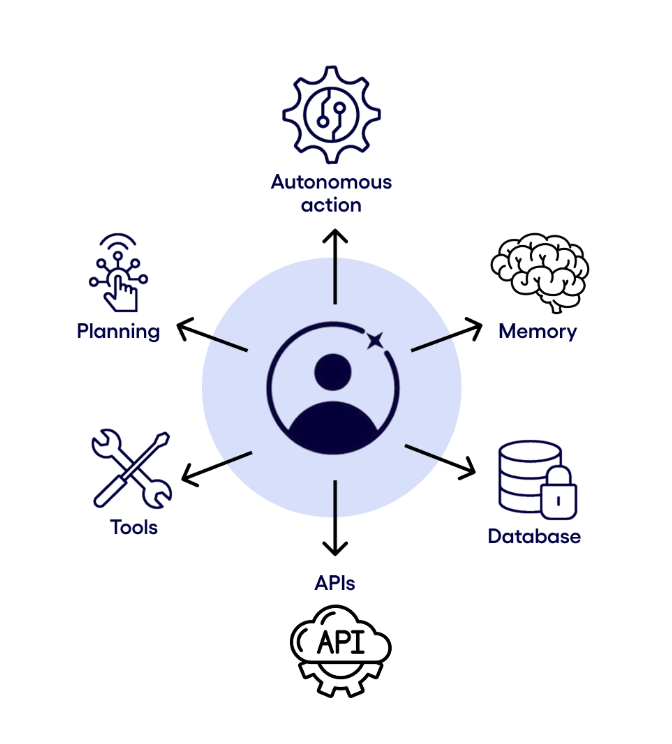
An AI agent is different from a normal chatbot.
Instead of simply answering your question, an agent can work through several steps to complete a task.
For example:
You:
"Build a simple landing page for my project."
A normal chatbot might give you HTML and CSS.
An agent-based system can potentially break the task into smaller steps, create files, test the result, make changes, and continue until the task is finished.
Google says Gemini 3.7 Flash has improved performance for multi-step planning and tool calls, allowing it to work more persistently through longer tasks.
That's one of the reasons Google is positioning this model heavily around agents.
Gemini 3.7 Flash Can Build More Than Code
Google's examples go beyond traditional programming.
The company demonstrated Gemini 3.7 Flash being used with Nano Banana to dynamically generate characters, items, and textures for a playable 3D game.
It also showed the model helping create interactive web pages and working inside multi-agent systems.
That makes the model interesting for creators too.
You could imagine using an AI system like this to help with:
- Websites
- Games
- Automation
- Research
- Prototypes
- Data-heavy projects
- Content tools
It's less about asking AI one question and more about letting it help with an entire project.

What About Normal Gemini Users?
This is where things get a little different.
Gemini 3.7 Flash isn't simply a replacement for every Gemini experience.
Google is using the model across different products and developer tools.
The company says Gemini Spark, its personal AI agent experience, is also getting Gemini 3.7 Flash for users in more than 160 countries who have Google AI Pro or Ultra access.
That means the model isn't only interesting for programmers.
It's also becoming part of Google's broader push toward AI that can actually perform tasks for users.
Is Gemini 3.7 Flash Expensive?
Google is also pushing the model as a relatively affordable option for developers.
Google says the introductory API pricing is $0.75 per million input tokens and $3.75 per million output tokens through the end of 2026.
That matters for developers building AI products.
A powerful model is useful.
A powerful model that is affordable enough to run repeatedly is much more useful.
This is especially important for AI agents because agents can make multiple model calls while completing a single task.

Gemini 3.7 Flash vs Gemini 3.6 Flash
So, should you care if you're already using Gemini 3.6 Flash?
If you're just asking simple questions, probably not that much.
But if you use AI for coding, research, automation, or complicated projects, the upgrade is more interesting.
| Feature | Gemini 3.6 Flash | Gemini 3.7 Flash |
|---|---|---|
| General tasks | Good | Improved |
| Coding | Strong | Better |
| Debugging | Good | Improved |
| AI agents | Capable | Stronger focus |
| Web development | Good | Improved |
| Multi-step tasks | Good | More persistent |
| Cost focus | Low | Lower introductory API pricing |
Google's reported benchmark results show clear improvements in several coding and workflow tasks.
Who Should Try Gemini 3.7 Flash?
I'd put it into three groups.
Developers
If you code regularly, this is probably the most interesting group.
The improvements are specifically focused on software engineering and debugging.
AI Builders
If you're building an AI agent or automation tool, the improved tool use and multi-step planning could be useful.
Curious AI Users
Even if you don't code, it's worth trying if you want an AI that can help with larger projects instead of just answering individual questions.
Is Gemini 3.7 Flash Worth Trying?
Yes, especially for developers.
This isn't just another model release where Google claims everything is slightly better.
The focus is clear.
Google wants Gemini 3.7 Flash to be useful when a task requires multiple steps, coding, tools, and actual execution.
That's also where the AI industry is heading.
The next generation of AI products won't just answer questions.
They'll increasingly help people complete the work.
Gemini 3.7 Flash is Google's latest step in that direction.
Final Thoughts
Gemini 3.7 Flash is an interesting release because Google isn't positioning it simply as a faster chatbot.
It's being built around coding, AI agents, automation, and complex workflows.
The reported improvements over Gemini 3.6 Flash are strongest in those areas, and Google has already demonstrated the model working on everything from software projects to interactive websites and 3D games.
If you mostly use AI for quick questions, you probably won't notice every improvement.
But if you're a developer, creator, or someone experimenting with AI agents, this is a release worth trying.
And considering how quickly AI models are improving, Gemini 3.7 Flash probably won't be the last major model we talk about this year.
Frequently Asked Questions
What is Gemini 3.7 Flash?
Gemini 3.7 Flash is Google's latest Flash AI model, designed especially for coding, AI agents, knowledge work, and complex workflows.
Is Gemini 3.7 Flash better than Gemini 3.6 Flash?
Google reports significant improvements in coding, debugging, document understanding, and workflow automation compared with Gemini 3.6 Flash.
Is Gemini 3.7 Flash good for coding?
Yes. Coding and software engineering are some of the main areas Google is targeting with the new model.
Can Gemini 3.7 Flash build websites?
Google has demonstrated the model being used to create interactive web experiences and landing pages.
How much does Gemini 3.7 Flash cost?
Google says the introductory API price through the end of 2026 is $0.75 per million input tokens and $3.75 per million output tokens.


Comments
Sign in to join the conversation
Sign inNo comments yet
Be the first to share your thoughts!