
ChatGPT vs Claude Opus 5: Which AI Is Better in 2026?
Artificial intelligence has evolved far beyond simple chatbots. In 2026, two names dominate the conversation: ChatGPT and Claude Opus 5.
Whether you're a student, software developer, marketer, designer, researcher, or business owner, choosing the right AI assistant can save hours every week. Both models are capable of writing articles, generating code, analyzing files, brainstorming ideas, and solving complex problems-but they excel in different areas.
So, which one should you use?
In this guide, we'll compare ChatGPT and Claude Opus 5 across writing quality, coding performance, reasoning, image capabilities, pricing, speed, and overall value to help you decide.
Quick Comparison
| Feature | ChatGPT | Claude Opus 5 |
|---|---|---|
| Writing | ⭐⭐⭐⭐⭐ | ⭐⭐⭐⭐⭐ |
| Coding | ⭐⭐⭐⭐⭐ | ⭐⭐⭐⭐⭐ |
| Long Documents | ⭐⭐⭐⭐☆ | ⭐⭐⭐⭐⭐ |
| Image Generation | ✅ Built-in | ❌ No built-in image generation |
| Voice Conversations | ✅ Yes | Limited |
| File Analysis | ✅ Excellent | ✅ Excellent |
| Web Browsing | ✅ Available | Available in supported plans |
| Best For | Everyday users, creators, businesses | Developers, researchers, long-form reasoning |
What is ChatGPT?
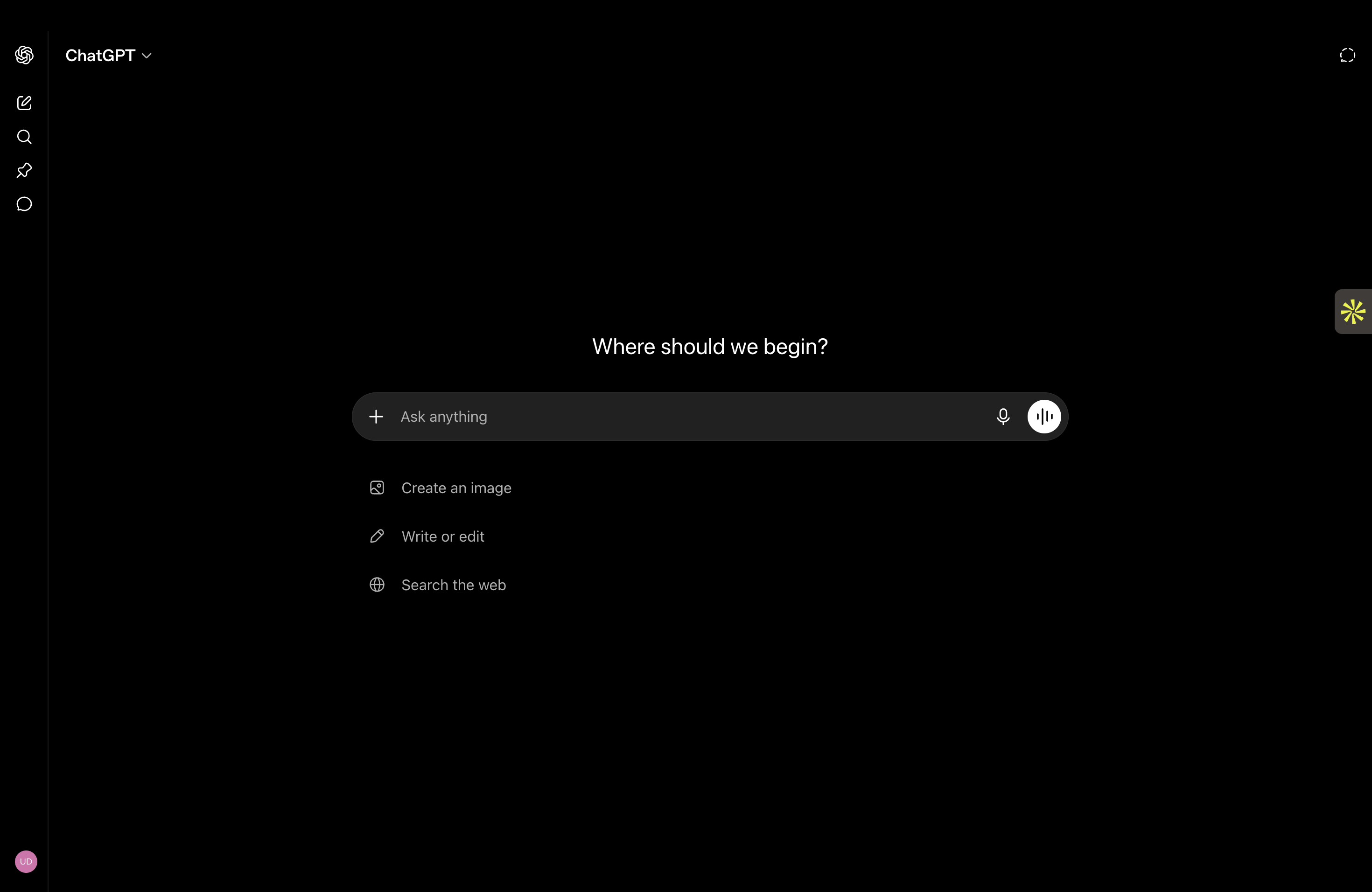
ChatGPT is OpenAI's AI assistant designed to help users write, code, research, analyze files, generate images, and complete everyday tasks. It supports text, voice, images, file uploads, and web-based research, making it one of the most versatile AI platforms available.
Today, ChatGPT is used for:
- Writing articles
- Email drafting
- Programming
- Image creation
- Data analysis
- Business workflows
- Learning new skills
Its biggest advantage is that it combines multiple AI capabilities into one application.
What is Claude Opus 5?
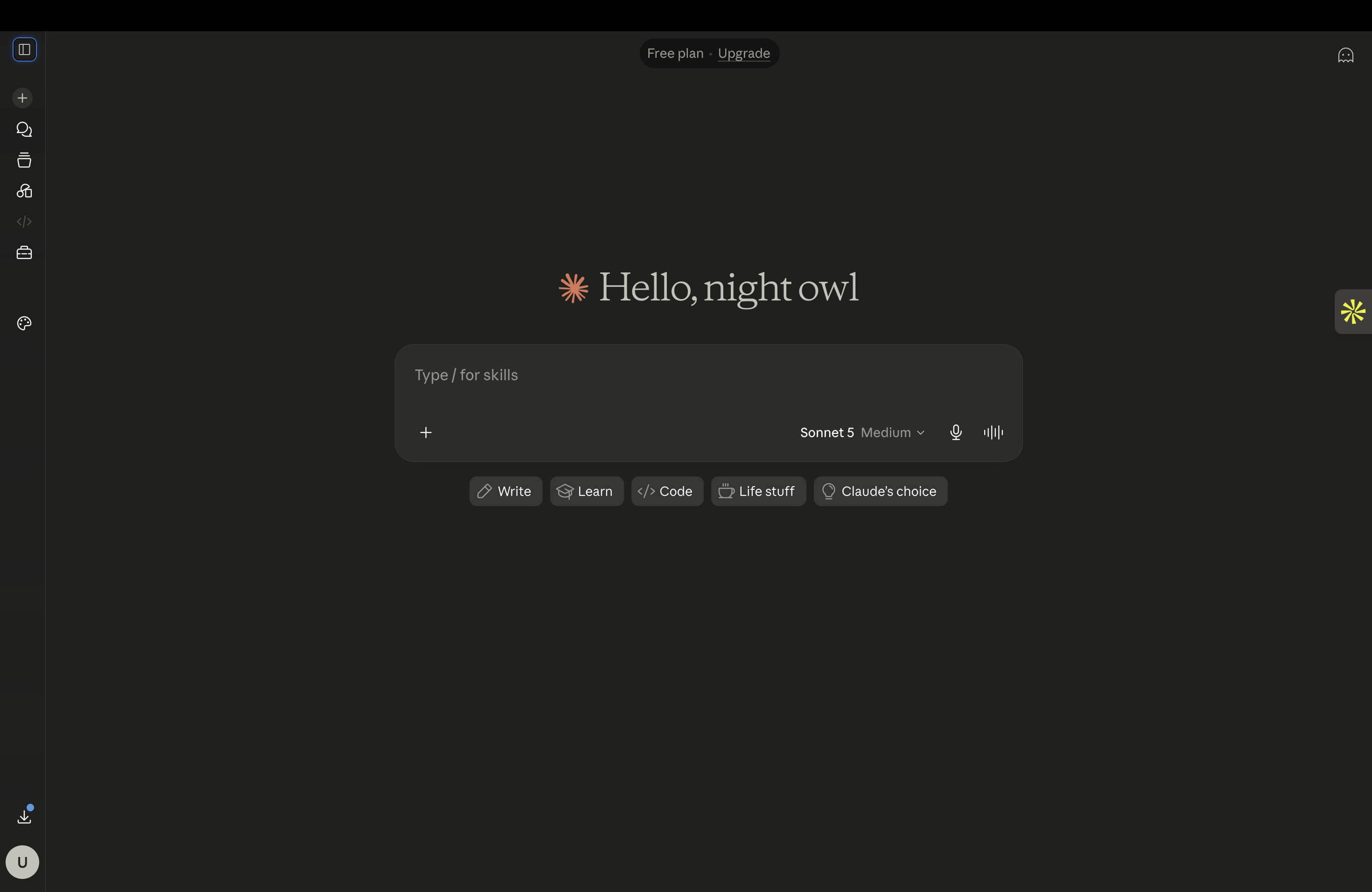
Claude Opus 5 is Anthropic's flagship AI model, built with a strong focus on reasoning, coding, long-context understanding, and enterprise use cases.
Claude has earned a reputation among developers and researchers for producing clear explanations, maintaining context over lengthy documents, and handling complex analytical tasks with consistency. Recent comparisons also highlight its strength in coding-oriented workflows.
Writing Quality
Both models produce excellent writing, but their styles differ.
ChatGPT
ChatGPT tends to write in a more engaging and conversational tone. It adapts well to different audiences and is especially effective for:
- Blog posts
- Marketing copy
- Social media captions
- Product descriptions
- Creative storytelling
It also offers built-in image generation, making it easier to create complete content from a single interface.
Claude Opus 5
Claude focuses on clarity, structure, and thoughtful explanations.
It excels at:
- Academic writing
- Technical documentation
- Research summaries
- Policy documents
- Long-form reports
If your work involves precision and detailed reasoning, Claude often feels more methodical.
Winner: Tie
Coding Performance
Coding is one of the biggest reasons people subscribe to premium AI assistants.
ChatGPT
ChatGPT performs well across many programming languages, including:
- Python
- Java
- JavaScript
- C++
- SQL
- React
- Node.js
It can generate code, debug errors, explain algorithms, review pull requests, and even create complete applications.
Claude Opus 5
Claude is widely praised for handling larger codebases and maintaining context during longer programming sessions. Many developers appreciate its detailed explanations and ability to reason through complex implementations, although performance still varies by project and prompt.
Winner: Claude Opus 5 (slight edge for large coding projects)
Reasoning and Problem Solving
Reasoning is where modern AI models truly compete.
ChatGPT performs strongly in:
- Mathematics
- Business strategy
- Brainstorming
- Data interpretation
- Step-by-step explanations
Claude Opus 5 shines in:
- Multi-step logical reasoning
- Research synthesis
- Complex planning
- Long technical documents
For users working with lengthy reports or intricate analyses, Claude's consistency is a notable strength.
Winner: Claude Opus 5
Image Generation
This category has a clear winner.
ChatGPT
ChatGPT includes native image generation, allowing users to:
- Create illustrations
- Design blog banners
- Generate logos
- Produce marketing graphics
- Edit existing images
This makes it attractive for creators who want text and visuals in one workflow.
Claude Opus 5
Claude can analyze images but does not provide the same integrated image-generation experience.
Winner: ChatGPT
Speed
For everyday prompts, both models respond quickly.
ChatGPT generally feels faster for casual conversations and quick tasks.
Claude may take slightly longer when working through complex reasoning problems, but that extra processing can produce more detailed answers.
Winner: ChatGPT
File Analysis
Both platforms support working with uploaded files.
You can upload:
- PDFs
- Word documents
- Excel sheets
- Presentations
- Images
Typical tasks include:
- Summarizing reports
- Extracting key information
- Answering questions about documents
- Finding patterns in data
For very large documents, many users prefer Claude's handling of long context, while ChatGPT offers a broader toolkit for mixed media and productivity workflows.
Pricing
Pricing and available plans change over time, so check the official websites before subscribing.
Both companies offer free access with premium plans that unlock more capable models and higher usage limits.
Which AI is Better for Different Users?
| User | Best Choice |
|---|---|
| Students | ChatGPT |
| Bloggers | ChatGPT |
| Software Developers | Claude Opus 5 |
| Researchers | Claude Opus 5 |
| Digital Marketers | ChatGPT |
| Designers | ChatGPT |
| Business Teams | Tie |
| Data Analysts | Claude Opus 5 |
Pros and Cons
ChatGPT
Pros
- Excellent all-round AI assistant
- Built-in image generation
- Voice conversations
- Strong coding support
- Great for creative writing
- Rich ecosystem of tools
Cons
- Long technical discussions may require more guidance
- Premium features require a subscription
Claude Opus 5
Pros
- Outstanding reasoning
- Excellent long-document understanding
- Strong coding performance
- Clear, structured writing
Cons
- No integrated image generation
- Fewer integrated creative features
Final Verdict
There isn't a single winner because the two assistants are optimized for different types of work.
Choose ChatGPT if you:
- Want an all-in-one AI assistant
- Create blogs, marketing content, or images
- Prefer voice interaction and a broad feature set
- Need a tool for both personal and professional use
Choose Claude Opus 5 if you:
- Spend hours coding
- Work with long research papers
- Need detailed reasoning
- Analyze large technical documents
Many professionals actually use both: ChatGPT for brainstorming, content creation, and multimedia tasks, and Claude for deep analysis, coding, and reviewing long-form material.
Frequently Asked Questions
Is ChatGPT better than Claude Opus 5?
It depends on your workflow. ChatGPT offers a broader feature set, while Claude Opus 5 is particularly strong in reasoning and long-context tasks.
Which AI is better for coding?
Both are capable coding assistants. Claude Opus 5 is often favored for larger, more complex codebases, while ChatGPT remains an excellent choice for day-to-day development.
Which AI is better for writing?
Both produce high-quality writing. ChatGPT generally leans toward conversational and creative content, while Claude emphasizes structure and precision.
Can ChatGPT generate images?
Yes. ChatGPT includes integrated image generation capabilities.
Which AI should beginners choose?
For most new users, ChatGPT is easier to start with because it combines text, voice, image generation, and file analysis in a single platform.


Comments
Sign in to join the conversation
Sign inNo comments yet
Be the first to share your thoughts!