
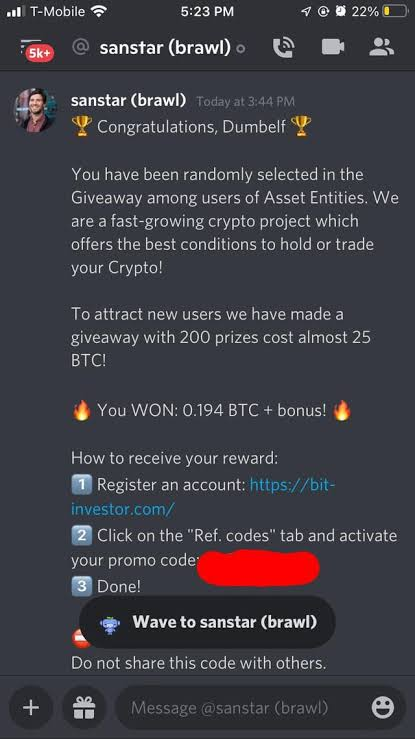
A stranger sends you a DM promising free cryptocurrency. The message includes an urgent warning, a suspicious giveaway link, and a request to connect your wallet.
You never see it.
That is the kind of experience automated messaging security aims to create: dangerous messages identified and stopped before they can trick someone into clicking. For Discord users, where gaming communities, crypto projects, and online trading groups often overlap, that protection can make a real difference.
But there is an important distinction between automated spam detection, malicious-link protection, and AI-powered moderation. These systems can work together, yet they do not necessarily operate in the same way or block every dangerous message before delivery.
So how does Discord fight suspicious DMs, and why do cryptocurrency scams remain such a persistent problem?
How Automated DM Filtering Works
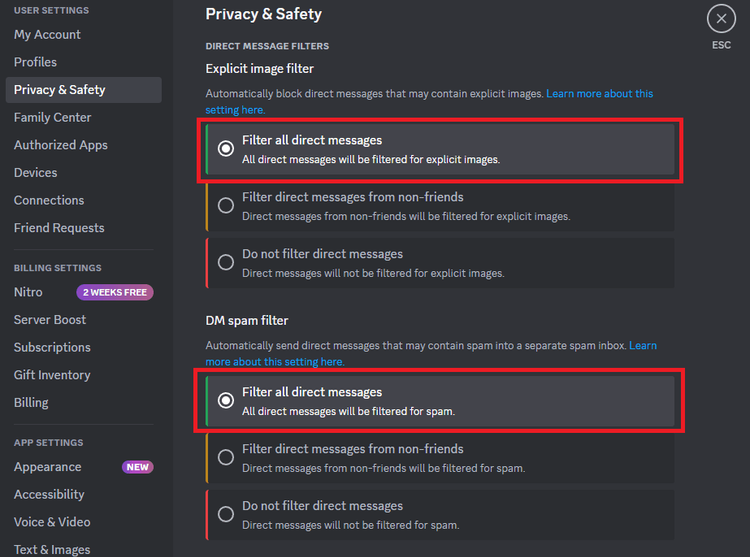
Spam filtering is not simply about spotting a message containing the word “crypto.”
Scammers can change their wording, rotate accounts, shorten URLs, and imitate legitimate community members. A filter that relies on a handful of banned words would be easy to bypass.
Instead, messaging platforms can use several layers of automated detection to assess suspicious activity.
1. Message and account signals
An account that suddenly sends similar messages to large numbers of people may exhibit spam-like behavior. Other warning signs can include repeated unsolicited links, suspicious account activity, or messages that resemble previously reported scams.
2. Link reputation checks
URLs can be assessed against known malicious domains and other security signals. A link associated with phishing, credential theft, or a fraudulent giveaway may trigger a warning or protective action, depending on the platform's safeguards.
3. Automated risk assessment
Detection systems can combine multiple signals rather than relying on one suspicious word or one unusual URL. This makes it harder for scammers to evade detection simply by changing a message's wording.
These are established approaches to online safety, not confirmation of Discord's exact internal detection pipeline. Discord does not publicly document every signal, model, or decision rule used to assess individual DMs.
The goal, however, is clear: identify risky behavior early enough to reduce the chance that a user falls for a scam.
Why Crypto Scammers Target Discord DMs
Discord is built around communities. Users share gaming tips, join project servers, exchange resources, and talk directly with people who appear to share their interests.
That social environment is also attractive to scammers.
A fraudulent message can pretend to come from a server moderator, a cryptocurrency project, a giveaway organizer, or even a familiar account that has been compromised.
Common examples include:
• Fake airdrops: Messages promise free tokens in exchange for connecting a wallet to an unfamiliar website.
• Impersonation scams: Attackers pretend to be trusted moderators, developers, or community representatives.
• Wallet verification traps: A fake security check asks users to connect a wallet or approve a transaction.
• Urgent giveaway messages: A limited-time reward pressures users to act before they have time to investigate.
• Phishing pages: Links lead to websites designed to steal login credentials, recovery phrases, or other sensitive information.
The danger is not always obvious. A scammer may copy a project's logo, use convincing language, or reference a real event to make a fraudulent offer seem legitimate.
That is why automated protection matters. Users should not have to identify every suspicious URL or impersonation attempt entirely on their own.
Quarantine, Warnings, and Blocking: What Actually Happens?
The phrase “silently blocks” suggests that every malicious message is intercepted before it reaches a user's inbox. That is a strong claim, and it should not be assumed to describe every Discord safety feature.
Automated messaging systems can respond to suspicious content in different ways.
Detection and filtering
A platform may identify a message or account as suspicious and apply a restriction, filtering action, or other safety measure. The exact result depends on the platform's rules and the particular signal detected.
Link warnings and protective checks
Some security systems warn users before they open a suspicious destination. These protections are useful because a link can be dangerous even when the accompanying message looks harmless.
Reporting and enforcement
User reports can help platforms identify scams that automated systems have missed. Accounts involved in malicious activity may be subject to further investigation or enforcement under the platform's policies.
These outcomes are not interchangeable. A message being flagged does not necessarily mean it was quarantined, and a link warning does not necessarily mean the message was blocked from delivery.
For that reason, it is more accurate to describe Discord's protections as layers of automated safety measures unless an official announcement confirms a particular pre-delivery blocking or quarantine feature.
Why AI-Based Detection Matters for Discord Security
Scammers adapt quickly. Once a particular message format becomes recognizable, they can change a few words, switch domains, or create new accounts.
Automated detection can help platforms respond to patterns across large volumes of activity. More advanced models may also help identify suspicious behavior that is difficult to capture with simple keyword rules.
But AI is not a magic shield.
A legitimate community member might share a link that looks unusual, while a carefully written phishing message may appear perfectly normal. Aggressive filtering can inconvenience genuine users, whereas overly permissive filtering can allow scams to slip through.
The challenge is balancing three priorities:
• Security: Reduce exposure to phishing, malicious links, and fraudulent messages.
• Usability: Avoid unnecessarily blocking legitimate conversations and community interactions.
• Privacy: Apply safety measures without making unsupported assumptions about what private messages are inspected or how they are processed.
The last point is particularly important. Claims that Discord uses a specific AI model to read every DM, or that every crypto scam is silently quarantined before delivery, require direct evidence from Discord. The existence of automated safety features alone does not establish those details.
What Happens Next?
As scams become more sophisticated, users should expect online platforms to keep refining their detection and reporting systems. Attackers may use compromised accounts, realistic impersonations, and constantly changing links to make fraudulent messages harder to identify.
The most meaningful improvements will be those that reduce exposure to malicious content while clearly explaining what has been blocked, why a warning appeared, and how users can report mistakes.
For Discord users, the best approach is to combine platform protections with basic security habits:
- Treat unsolicited crypto offers with suspicion, especially when they promise guaranteed returns or free tokens.
- Verify announcements through a project's official website or trusted server channels.
- Never share a wallet's recovery phrase or private key.
- Avoid connecting a wallet to a site simply because a DM claims the offer is urgent.
- Report suspicious messages and compromised accounts through Discord's available reporting tools.
Even if a filtering system catches most known scams, a new phishing campaign can still get through. The safest assumption is that automated protection reduces risk rather than eliminating it.
🎮 The Bottom Line
Discord's automated safety systems can help users avoid spam, suspicious links, and other malicious activity, making them an important part of protecting busy online communities.
But there is a difference between detecting a suspicious DM, warning someone about a link, and silently quarantining a message before delivery. Without confirmation of a specific feature, those actions should not be treated as identical.
The real win is a safer messaging experience where platform protections catch more threats and users have the information they need to recognize the rest.
Have you ever received a suspicious crypto giveaway or fake moderator DM on Discord? Share your experience in the comments, but never post private information or the full contents of a potentially dangerous link.A stranger sends you a DM promising free cryptocurrency. The message includes an urgent warning, a suspicious giveaway link, and a request to connect your wallet.


Comments
Sign in to join the conversation
Sign inNo comments yet
Be the first to share your thoughts!