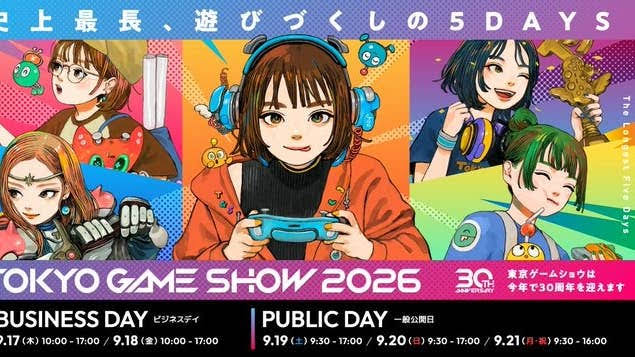

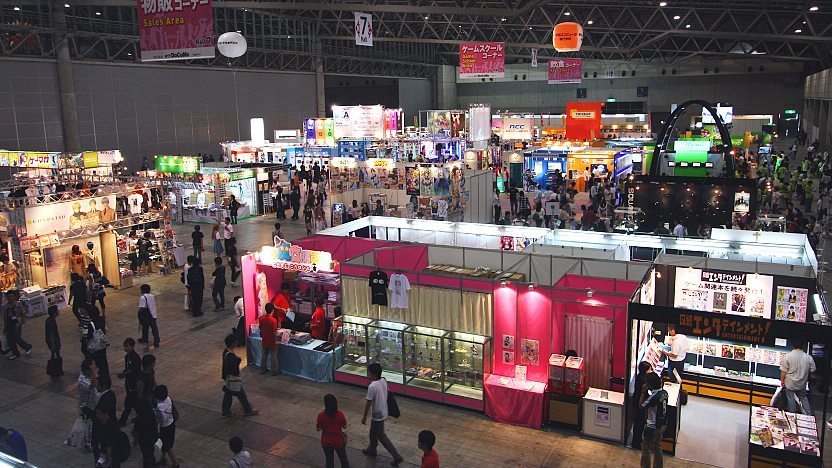
 Tokyo Game Show 2026 was scheduled to run from September 17 to September 21, 2026, making it the first five-day edition in the event's history. The final day, September 21, was ultimately canceled because of the approaching Typhoon No. 25 and concerns about worsening weather, transportation disruptions, and the safe return of attendees and staff.
The cancellation affected the show's physical exhibition, scheduled events, exhibitors, and visitors who had planned to attend the final day. Organizers also arranged refunds for September 21 tickets while working to move some planned stage content into online programming.
Here's everything to know about the TGS 2026 cancellation, the weather emergency, ticket refunds, and the changes to scheduled programming.
The September 21 Cancellation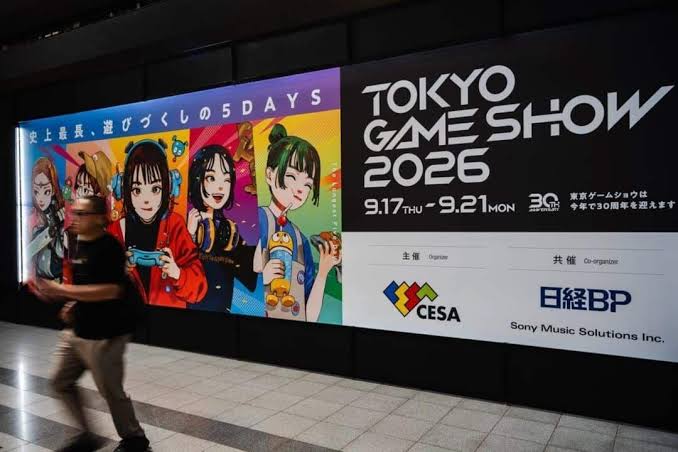
The cancellation was announced on September 19 after organizers assessed the approaching typhoon, weather forecasts, and potential transportation problems.
September 20 remained scheduled to proceed, although individual facilities or content could still be changed or canceled if conditions required it.
September 21 was different. Organizers decided to cancel the entire day because stronger winds and rain were expected later in the day, creating concerns about both conditions at the venue and visitors' ability to travel home safely.
The decision was particularly notable because TGS 2026 was already the longest edition in the show's history.
The Weather Emergency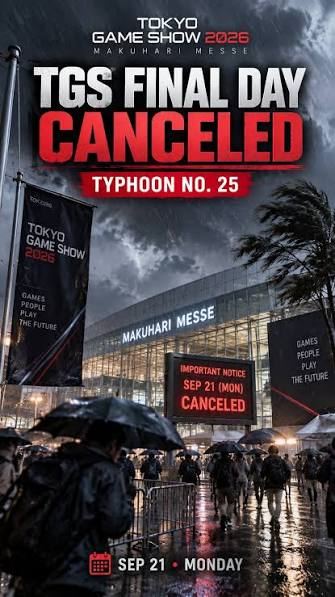
The cancellation was connected to Typhoon No. 25, which was approaching Japan during the final portion of TGS 2026.
The storm created concerns about heavy rainfall, powerful winds, flooding, landslides, and transportation disruptions around the Kanto region.
For an event held at Makuhari Messe that relies heavily on public transportation, the potential disruption created an additional safety concern.
Organizers therefore prioritized the safety of visitors, exhibitors, performers, staff, and other event personnel over keeping the final exhibition day open.
What Happened to September 21 Tickets?
Visitors who had purchased tickets for September 21 were eligible for refunds.
The refund process depended on the ticket purchasing platform. Some platforms handled refunds automatically, while the timing and method of reimbursement depended on the original payment method.
This meant visitors who had purchased tickets specifically for September 21 did not simply lose the value of their tickets because of the cancellation.
The cancellation therefore separated the treatment of the final two public days: September 20 continued as scheduled, while September 21 tickets were subject to refunds.
What Happened to the Exhibitions?
The cancellation meant that physical exhibition activities planned for September 21 could not proceed normally.
However, the impact varied between exhibitors.
Some companies canceled their September 21 activities entirely, while others adjusted individual programs or moved them to different times.
For example, selected stage presentations originally planned for September 21 were moved to September 20, allowing some content to continue before the weather situation became more severe.
This approach allowed selected content to continue while the physical final day remained canceled.
Rescheduled Exhibition Livestreams
Online programming became an important alternative after the cancellation.
Some September 21 event stages and presentations were adjusted for online delivery, while individual exhibitors revised their own livestream schedules.
This meant that cancellation of the physical exhibition did not necessarily mean cancellation of every piece of planned digital content.
For viewers unable to attend the final day, livestreams provided another way to follow announcements, presentations, gameplay demonstrations, and developer information connected to the event.
The First TGS Cancellation During an Event
The September 21 cancellation was historically significant for Tokyo Game Show.
TGS 2026 was celebrating its 30th anniversary and had been expanded to five days for the first time. The cancellation occurred while the event was already underway rather than being announced before the show opened.
That made the situation unusual for exhibitors and attendees who had already traveled to Japan and were preparing for the final day.
Instead of concluding with the planned five-day exhibition, TGS 2026 effectively ended its physical programming after September 20, with selected content continuing through revised digital or rescheduled formats.
What to Know at a Glance
| Detail | Information |
|---|---|
| Event | Tokyo Game Show 2026 |
| Venue | Makuhari Messe |
| Original dates | September 17–21, 2026 |
| Final canceled date | September 21, 2026 |
| Reason | Typhoon No. 25 / severe weather |
| September 20 | Proceeded as scheduled |
| September 21 tickets | Refunds available |
| Online programming | Selected programs adjusted or moved online |
| Organizer | Computer Entertainment Supplier's Association (CESA) |
| 2026 format | First five-day TGS |
Why It Matters
The TGS 2026 cancellation demonstrates how severe weather can affect large-scale gaming events even when an exhibition is already underway.
The situation also highlights the growing importance of digital programming. While a physical exhibition could not continue safely, selected stage presentations, livestreams, and other digital content could be rescheduled or delivered through alternative formats.
For exhibitors, this provided a way to preserve parts of their planned announcements and presentations. For audiences, it meant that some TGS content remained accessible even without the physical show floor.
The cancellation also became an unusual part of TGS history because it interrupted the event's first-ever five-day format during its 30th-anniversary year.
🎮 The Bottom Line
The Tokyo Game Show 2026 cancellation affected the event's September 21 final day after Typhoon No. 25 created concerns about severe weather, transportation, and public safety.
September 21 tickets were refunded, while selected exhibitions and stage programs were rescheduled or adapted for online delivery. The result was an unusual conclusion to TGS 2026, with the physical show ending earlier than planned while parts of its digital programming continued.