
The Ultimate Guide to Civilization VII's Modern Era
The Modern Era is the third and currently final playable Age in Sid Meier's Civilization VII.
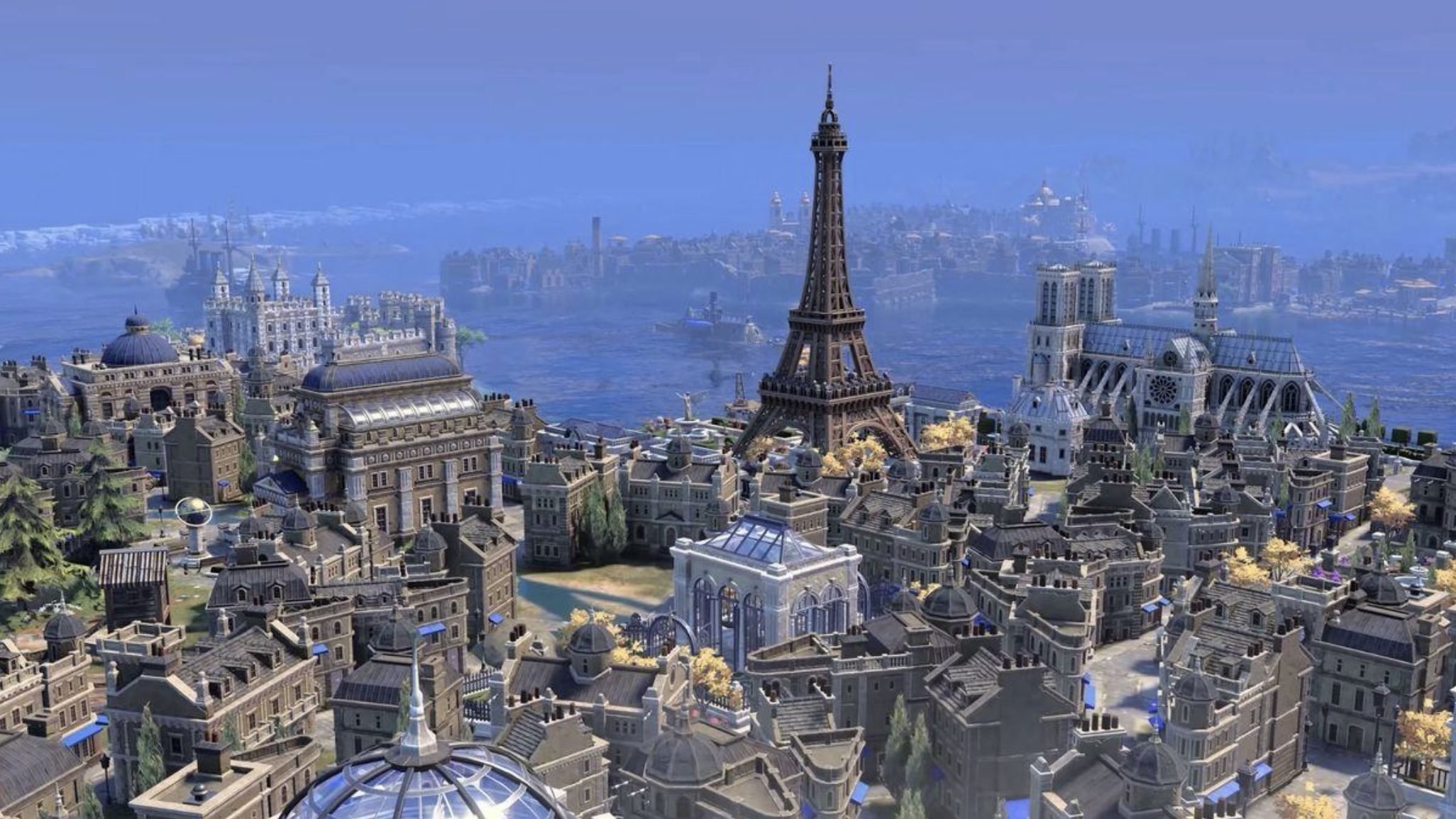
Unlike previous Civilization games, Civ VII divides its campaign into distinct Ages, with each Age having its own civilizations, resources, technologies, gameplay systems and strategic priorities. The Modern Age represents the industrialized and contemporary phase of a campaign, where diplomacy, military power, economic development and scientific progress become increasingly interconnected.
Recent Civilization VII updates have also started expanding what happens around and beyond the Modern Era.
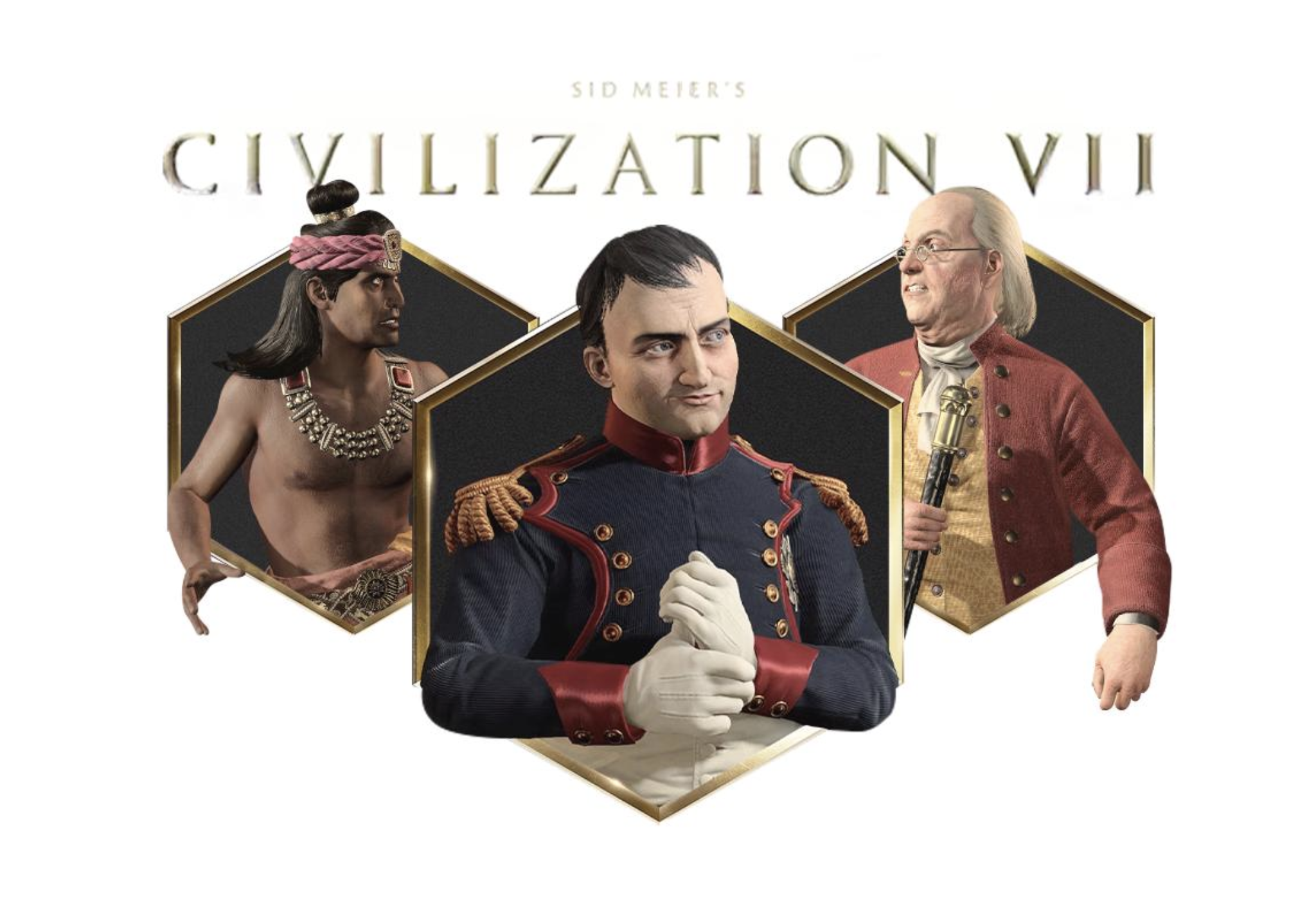
🏙️ What Is the Modern Era?
The Modern Era is the final Age currently available in the base Civilization VII experience.
Players enter it after completing the Antiquity and Exploration Ages, carrying forward the consequences of their earlier decisions.
The Modern Era has traditionally been where Civilization campaigns become dominated by:
Industrial production
Advanced military technology
Global diplomacy
Nuclear weapons
Modern infrastructure
Advanced science
Economic competition
Large-scale conflicts
Civ VII's Age system makes this transition more structured than previous entries. Players can change civilizations when entering a new Age while continuing to develop their leader and empire across the campaign.
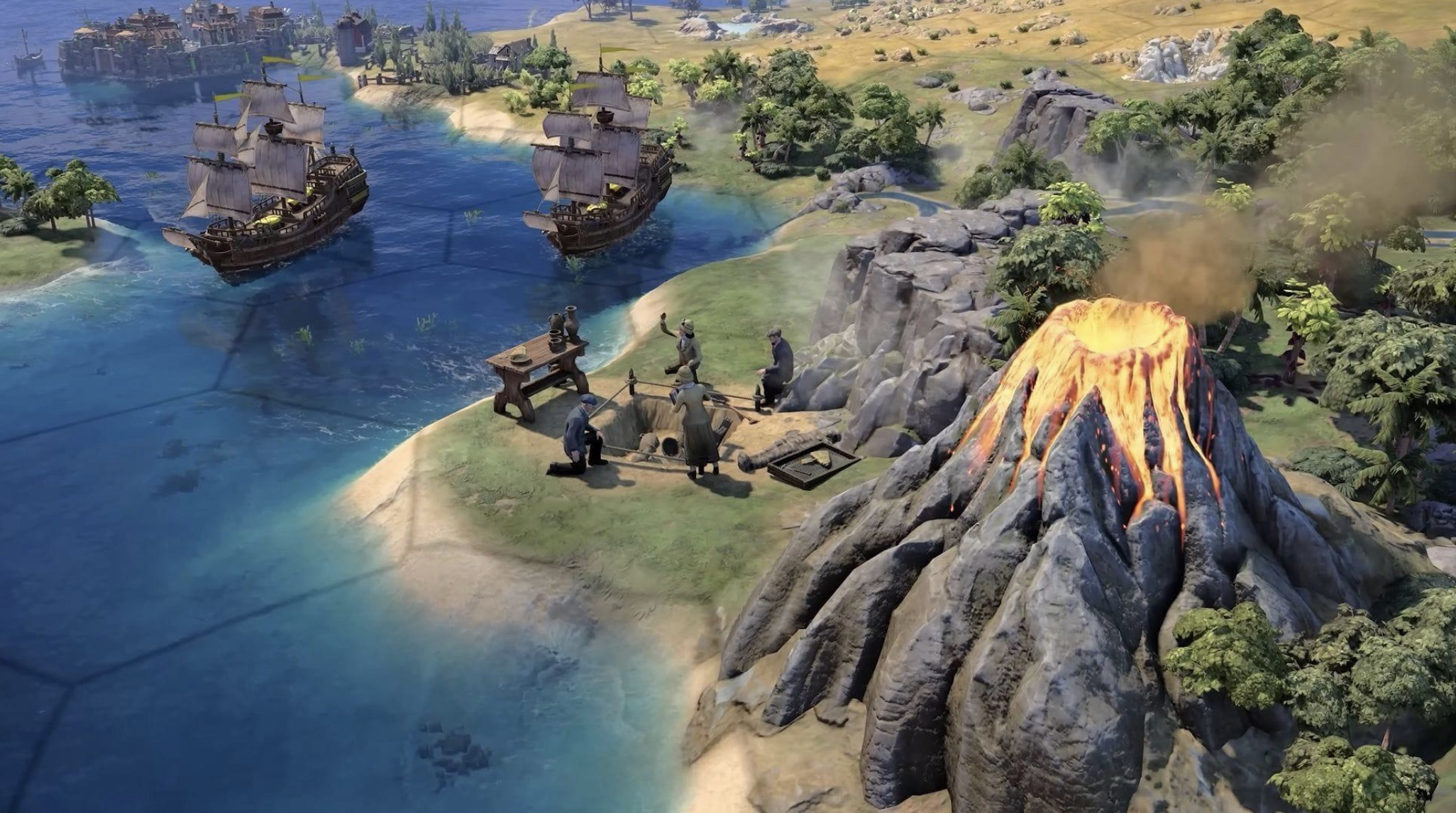
🗺️ September 14 Developer Deep-Dive
The September 14, 2026 developer video focused on Update 1.5.0, rather than introducing a new Modern Era climate or cyber-warfare system.
Senior game designer Taymoor Rehman walked through several additions arriving with the update, including the long-requested True Start Location: Earth map, improvements to map generation, UI changes and other gameplay adjustments.
The update launched on September 15, 2026.
Key Update 1.5.0 additions
True Start Location: Earth
Updated Terra Incognita map
Updated Shuffle map
New Radial Ruler
More varied resource placement
Faster map loading and generation
Diplomacy adjustments
DLC leader achievements
Additional UI improvements
The True Start Location map starts players in locations corresponding to their civilization's historical capital, adding a more geographically grounded way to play the campaign.
🌍 Climate Change and Environmental Mechanics
Climate-related mechanics are coming to Civilization VII, but they were not revealed in the September 14 developer video.
They are part of the larger Arc of Tomorrow update and Earthrise expansion announced at PAX West on September 5, 2026.
Arc of Tomorrow is planned as a free update for 2027 and will introduce the new Atomic Age, extending the playable timeline from roughly the 1950s into the near future.
The environmental systems announced for the future content include:
Rising global temperatures
Increasing Natural Disasters
Civil engineering structures
Technologies that can alter terrain
Unit abilities that affect terrain and tile bonuses
The ability to fight back against environmental changes
The possibility of reversing global warming
Biome-specific gameplay advantages
This represents a much deeper environmental system than simply adding a single climate meter.
🌡️ How the Future Climate System Could Work
The announced environmental mechanics connect climate change to actual empire management.
As temperatures rise, civilizations will face increasing environmental pressure and Natural Disasters.
Players will have tools to respond.
Civil engineering structures can help mitigate the effects, while new technologies and unit abilities can allow civilizations to alter terrain and tile bonuses.
The system also introduces a more active approach to environmental management.
Rather than climate change simply being a negative status effect, players will be able to take actions that can potentially reverse warming itself.
The exact balance, numbers and progression system have not yet been fully revealed.
☢️ The Atomic Age Is Coming
One of the biggest changes to Civilization VII's late game will be the addition of an entirely new fourth Age.
The Atomic Age is planned for the 2027 Arc of Tomorrow update and will cover approximately the 1950s through the 2050s.
This means Civilization VII's timeline will eventually extend beyond the current Modern Era.
The Atomic Age will include:
New civilizations
New leaders
New units
New buildings
New technologies and civics
New visuals
New music
New social policies
New narrative events
New Triumphs
Expanded nuclear gameplay
This effectively gives late-game Civilization VII a new layer beyond its current endpoint.
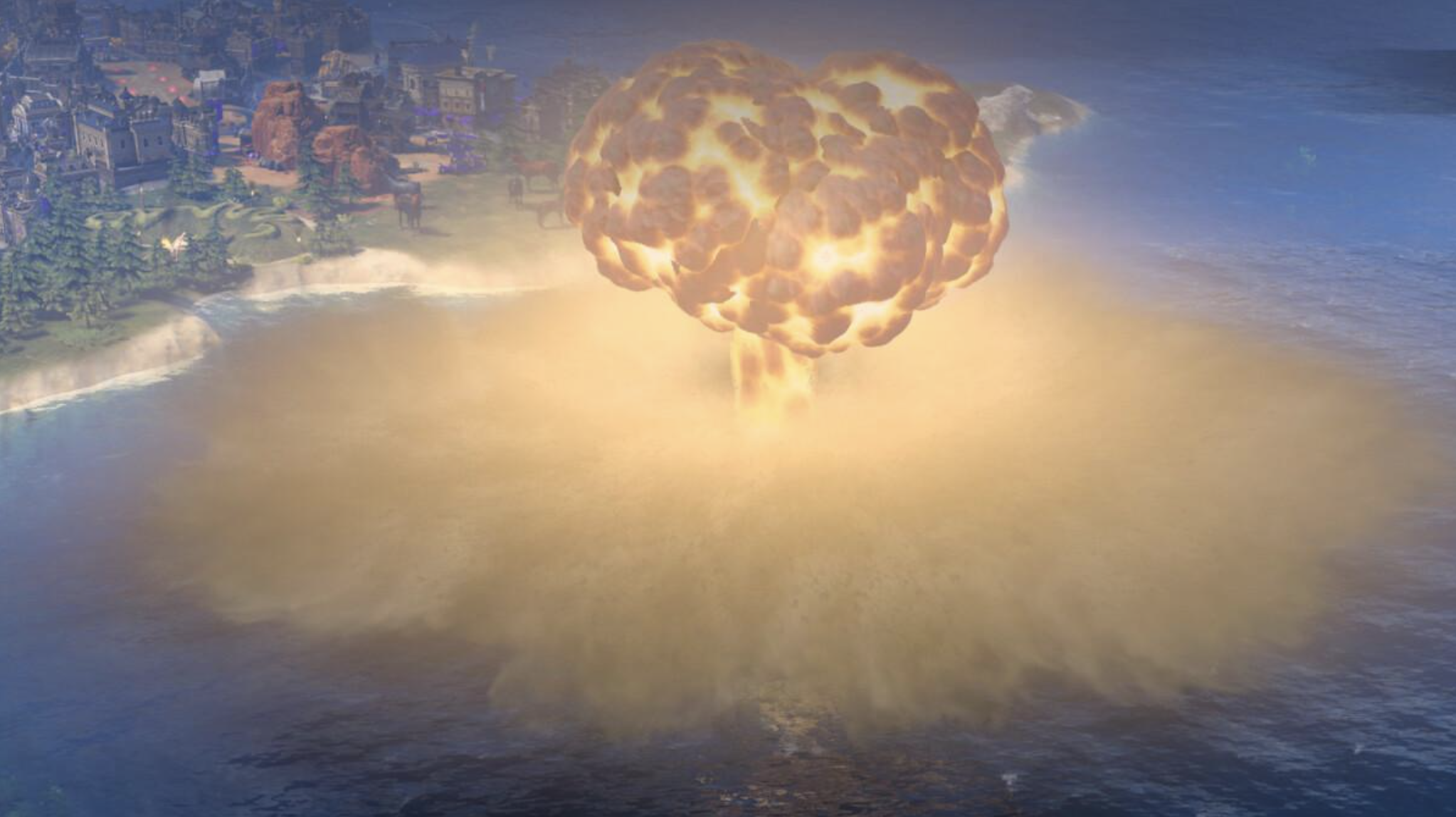
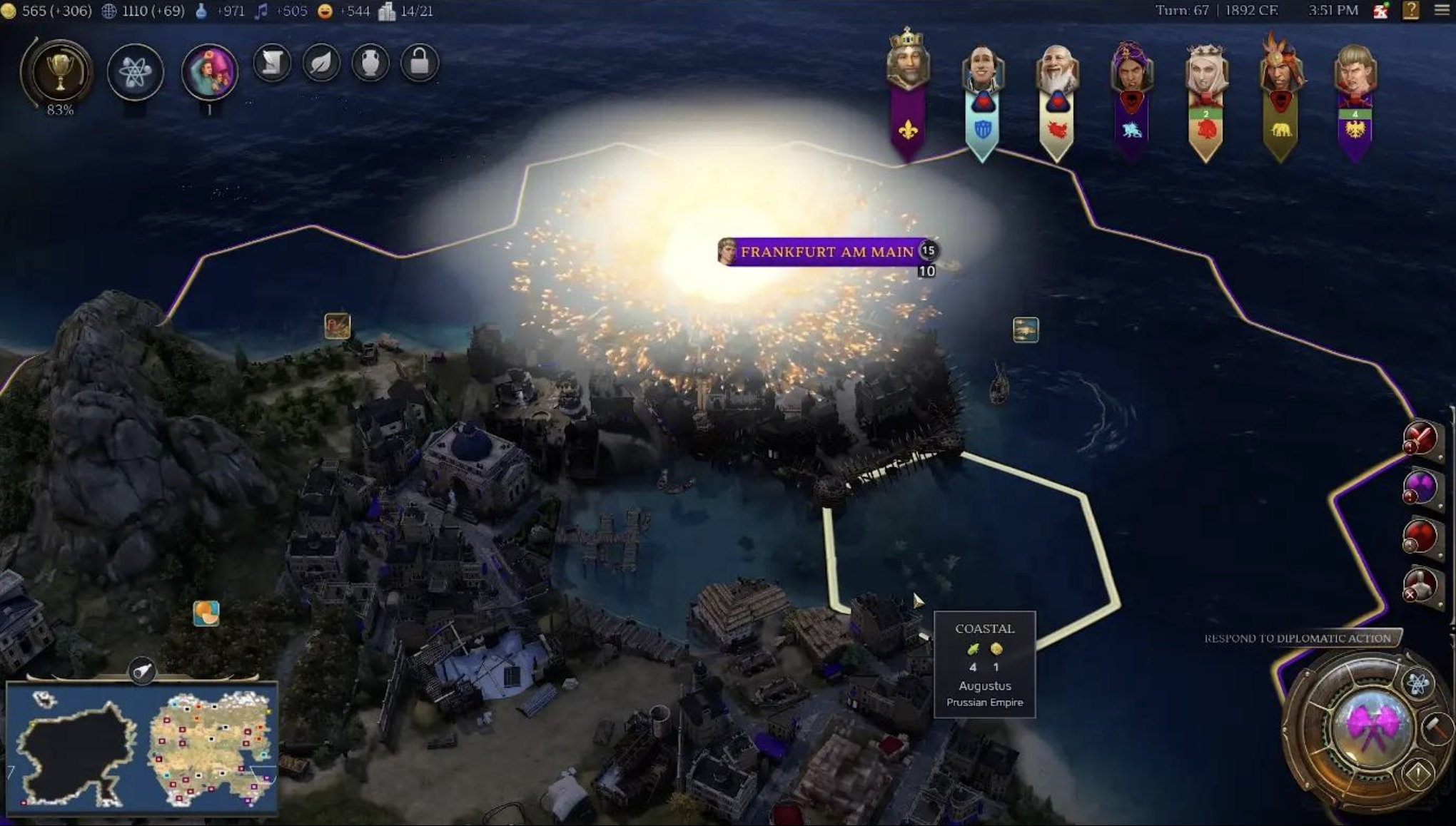
☢️ Expanded Nuclear Gameplay
The future Atomic Age will also expand nuclear warfare.
Firaxis has announced new offensive and defensive options and units, along with a new twist on the concept of mutually assured destruction.
The exact mechanics have not yet been fully detailed.
This is significant because nuclear warfare has historically represented the endgame power ceiling in Civilization.
The new Atomic Age is intended to give that part of the campaign more strategic depth rather than simply making nuclear weapons another late-game technology.
💻 What About Cyber Warfare?
Despite claims circulating around the September 14 deep-dive, Firaxis has not officially announced a Cyber Warfare skill tree for Civilization VII.
There are confirmed plans for updated technology and civic trees in the future Atomic Age, but that is not the same thing as a dedicated cyber-warfare progression system.
Therefore, claims about specific cyber-warfare abilities, hacking mechanics, cyberattack trees or digital espionage systems should currently be treated as unconfirmed.
The future expansion of the technology and civic systems could eventually provide room for such mechanics, but Firaxis has not announced them.
🚀 Earthrise and the Modern Era
The Earthrise expansion will also build on the Modern Era before moving further into the Atomic Age.
According to 2K, players will be able to launch early orbital missions around Earth and the Moon during the Modern Age.
The Atomic Age will then expand this concept into a full space program, allowing civilizations to establish space agencies and launch missions across the Solar System.
This creates a progression from:
Modern Age → Earth and Moon missions → Atomic Age → Solar System exploration
Space therefore becomes another major extension of late-game strategy.
🛰️ Environmental Strategy Meets Space Exploration
One of the more interesting ideas behind Earthrise is that environmental management and space exploration are connected.
The expansion is designed around humanity's relationship with space and the environment.
Players will not simply leave Earth behind.
The resources and discoveries generated through space missions can feed back into their civilization's power on Earth.
That creates the possibility of a late-game strategy where scientific investment supports both planetary management and off-world expansion.
🏛️ Modern Era Empire Management
The future updates also add more tools for managing large empires.
One announced feature allows players to recognize the independence of Settlements and release them as City-States.
This gives players another option when managing empire size, loyalty and territorial expansion.
Instead of treating every settlement as something that must remain directly under the player's control, future systems will provide more flexibility in how civilizations structure their territory.
📋 Civilization VII Modern Era at a Glance
| Feature | Status |
|---|---|
| Modern Era | Currently playable |
| Antiquity → Exploration → Modern structure | Confirmed |
| Update 1.5.0 | Live September 15, 2026 |
| True Start Location: Earth | Live |
| Radial Ruler | Live |
| Improved map generation | Live |
| Climate change mechanics | Announced for future content |
| Rising global temperatures | Announced |
| Natural Disaster response | Announced |
| Ability to reverse warming | Announced |
| Atomic Age | Planned for 2027 |
| Expanded nuclear gameplay | Planned for 2027 |
| Earth and Moon missions | Planned through Earthrise |
| Solar System missions | Planned for Atomic Age |
| Cyber Warfare skill tree | Not officially announced |
| Dedicated cyber-warfare progression | Unconfirmed |
🔮 What Comes Next for Civilization VII?
Civilization VII is moving beyond its original three-Age structure.
The current Modern Era remains the final playable Age for now, but Firaxis has already announced plans to add a fourth Atomic Age in 2027.
That expansion of the timeline could fundamentally change what the final portion of a Civilization campaign feels like.
Instead of simply racing toward a conventional victory, players will eventually have to manage:
Environmental changes
Nuclear strategy
Space programs
New technologies
New civics
Modern infrastructure
Global diplomacy
New forms of empire management
The exact details will be revealed through future developer updates and playtesting.
🔗 Official Civilization VII Website
For official Civilization VII announcements, updates and future expansion information, visit the official Civilization VII website.
Civilization VII Official Website
🎮 The Bottom Line
The September 14 Civilization VII developer deep-dive was not the climate-change and cyber-warfare showcase described in the original topic.
Instead, it focused on Update 1.5.0, which introduced the True Start Location: Earth map, updated map generation, UI improvements and other quality-of-life changes.
The more ambitious Modern Era changes are coming later.
Firaxis has announced the 2027 Arc of Tomorrow update, which will introduce the Atomic Age, expanded nuclear gameplay, modern-world visuals and new technology and civic systems. Earthrise will further explore space and environmental management, including rising temperatures, Natural Disasters, environmental adaptation and the ability to reverse warming.
As for the reported cyber-warfare skill trees, there is currently no official confirmation.
For Civilization VII, the most interesting part of the late game may therefore be what happens next: the Modern Era is no longer necessarily the end of the road.