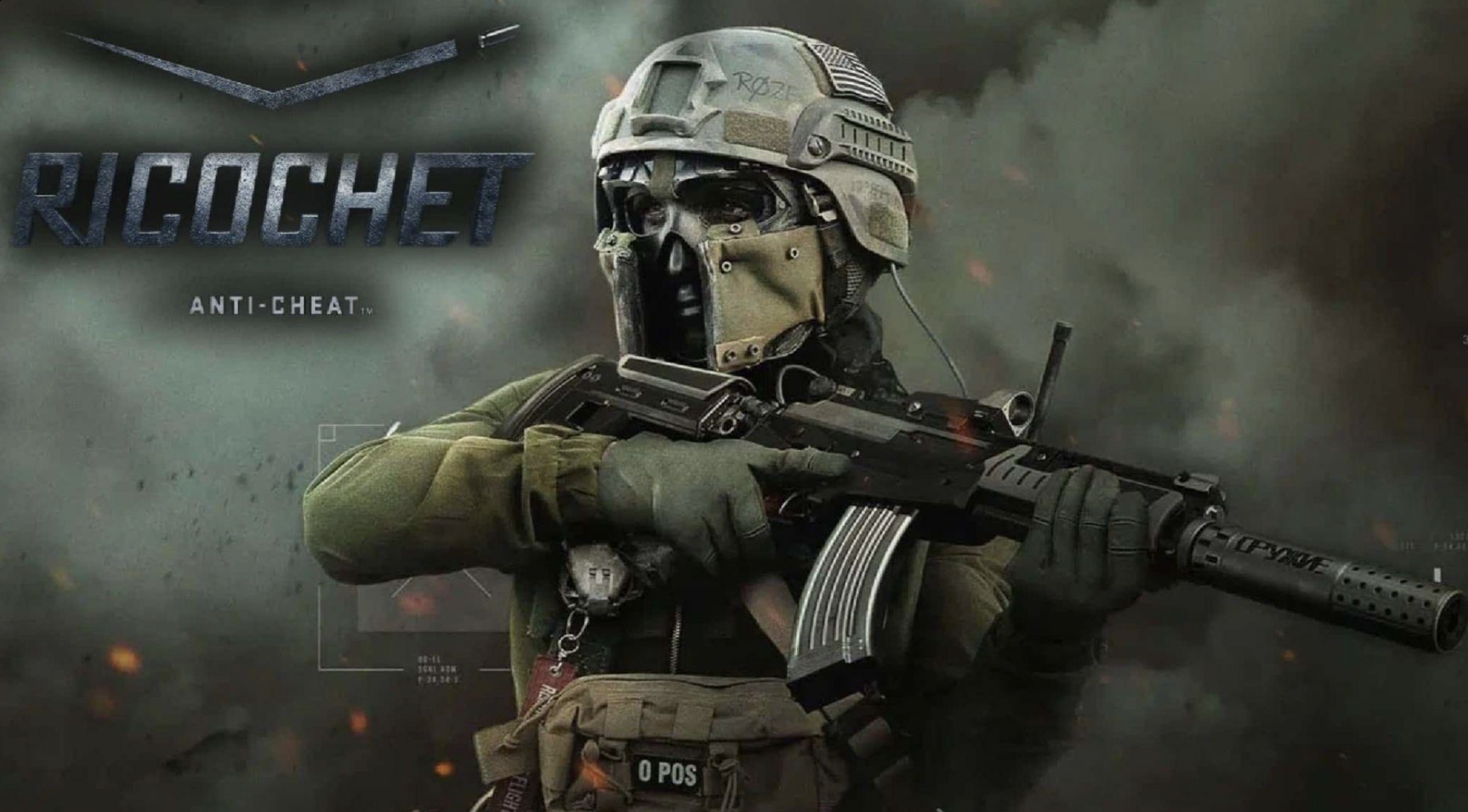

The 2026 Call of Duty Cheating Economy
Cheating in online games has become more than a collection of players using aimbots or wallhacks. According to Activision's latest RICOCHET Anti Cheat report, cheating has developed into a large commercial ecosystem involving software subscriptions, resellers, stolen accounts, boosting services and tools designed to evade detection. Call of Duty
Activision cites research from threat intelligence company Intorqa, which estimates the wider global cheating economy at approximately $8.5 billion per year. The figure is a modeled estimate rather than a confirmed financial total. TechSpot
Note: The $8.5 billion figure covers the broader cheating ecosystem across multiple games, not just Call of Duty.
How Big Is the Cheating Market?
Intorqa's analysis estimates that cheat subscriptions across 15 games generate around $3.5 billion annually. The broader $8.5 billion estimate adds related businesses such as account trading, boosting, spoofing tools and distribution networks. Hitmarker
The model has a significant uncertainty range. Intorqa's reported 95% confidence range stretches from approximately $5.1 billion to $13.8 billion, meaning $8.5 billion should be understood as an estimate rather than an exact measurement. Hitmarker
Some Players Spend Over $1,000
The cost of cheating can also become surprisingly high for individual users.
Activision says cheat subscriptions can cost around $40 per month on average, with premium services reaching more than $100 per month. Additional spending can come from spoofing tools, replacement accounts and specialized hardware.
As a result, Activision says some players can spend more than $1,000 per year maintaining access to cheats and related services. Call of Duty
⚠️ Important: The $1,000 figure refers to some high spending players. It does not mean the typical Call of Duty cheater spends that amount.
The Business Behind Cheats
Activision describes the cheating ecosystem as a network rather than a single type of product.
It includes:
- Cheat developers
- Primary vendors
- Resellers
- Cheat subscription services
- Account sellers
- Boosting services
- Spoofing providers
- Hardware and evasion tools
Some products are also repeatedly rebranded and sold through different storefronts, making the market appear larger and more fragmented than it actually is. Call of Duty
Activision's RICOCHET Response
Activision says it is attacking the ecosystem through both technical detection and legal action.
According to Team RICOCHET, the company has disrupted more than 375 reseller operations, issued more than 80 cease and desist demands, and helped shut down 31 primary cheat vendors. Call of Duty
RICOCHET uses multiple detection methods, including client and server side systems, behavioral analysis and hardware security checks. Activision's enforcement policy also states that reports from other players can contribute to investigations. Activision Support
Why the Economy Matters
The size of the market changes how developers approach cheating.
Instead of treating every cheater as an isolated player, Activision is targeting the businesses supplying cheats, accounts and evasion tools. The goal is to make cheating more expensive and difficult to maintain by disrupting the infrastructure supporting it.
The issue is also becoming more complicated as cheat developers adopt new technologies and distribution methods, creating an ongoing technical battle between anti cheat systems and cheat providers.
Quick Facts
| Detail | Information |
|---|---|
| Company | Activision |
| Anti Cheat | RICOCHET Anti Cheat |
| Estimated Economy | ~$8.5 billion annually |
| Estimated Cheat Subscriptions | ~$3.5 billion across 15 games |
| Some Player Spending | $1,000+ annually |
| Reseller Operations Disrupted | 375+ |
| Cease and Desist Demands | 80+ |
| Primary Vendors Shut Down | 31 |
| Estimate Source | Intorqa |
Final Take
The $8.5 billion estimate shows that video game cheating has developed into a commercial ecosystem far beyond individual cheat programs.
For Call of Duty, Activision is responding by combining technical detection with efforts against the companies and distribution networks selling cheats, accounts and evasion services.
The striking part is not simply how much money the wider market may generate. It is that some players are willing to spend hundreds or even more than $1,000 per year to remain part of it, creating a recurring business that anti cheat developers now have to fight on both technical and economic fronts.