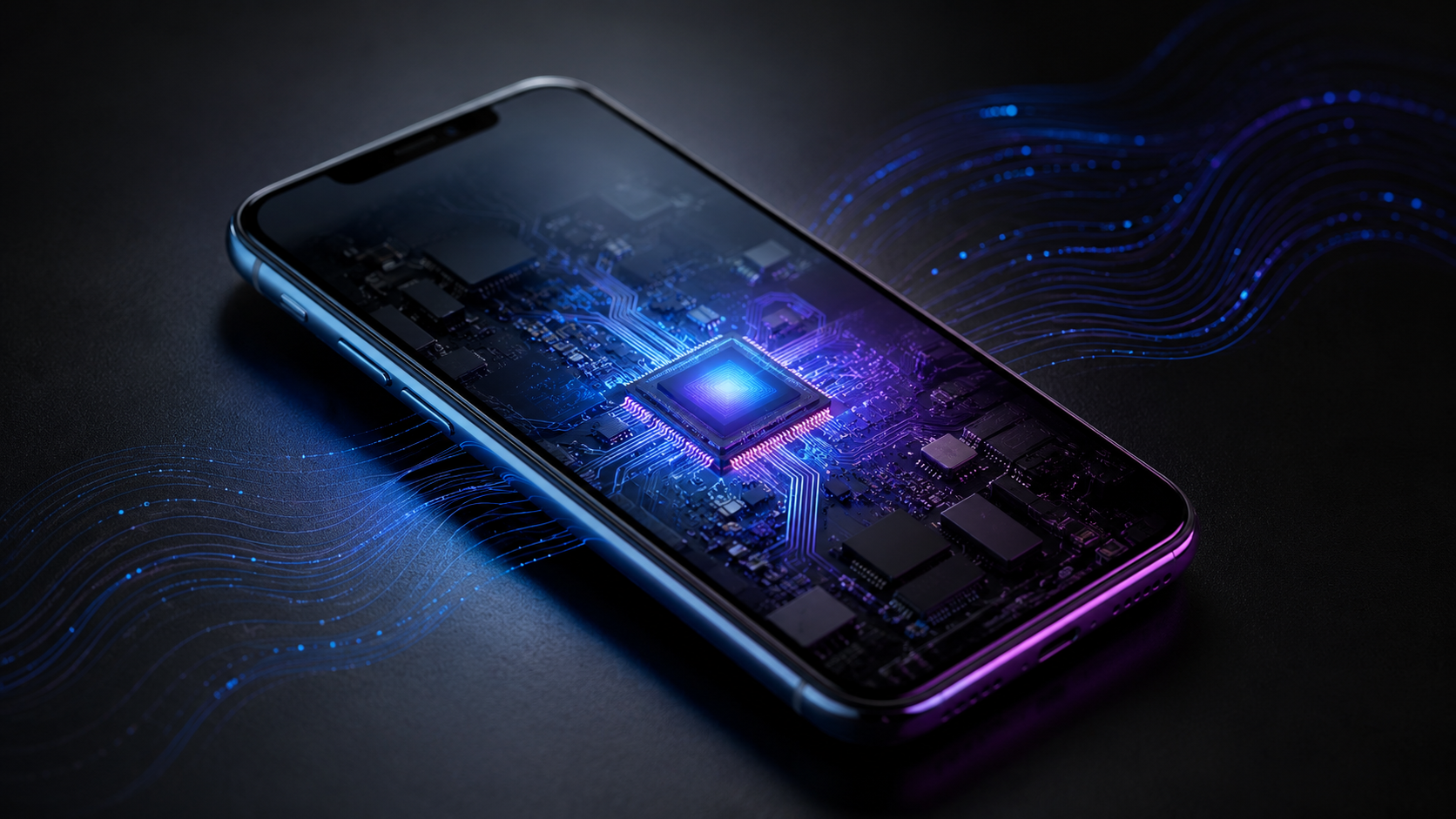

The Death of Cloud Lag: Why Your Next Phone Will Run Edge AI
Waiting several seconds for your phone to process an AI request may soon become a thing of the past. Thanks to powerful AI chips built into modern smartphones, many AI features now run directly on your device instead of relying on cloud servers. The result is faster performance, stronger privacy, and a much smoother user experience.
Edge AI isn't just another tech buzzword—it's quickly becoming one of the biggest changes in mobile computing. Whether you're buying your next Android phone or an iPhone, understanding Edge AI will help you see why the future of smartphones is shifting away from the cloud.
What Is Edge AI?
Edge AI refers to artificial intelligence that runs directly on your smartphone instead of sending every request to cloud servers. Modern processors now include dedicated AI hardware called Neural Processing Units (NPUs), allowing devices to process complex AI tasks locally.
This means your phone can understand voice commands, edit photos, summarize text, translate languages, and perform many other AI-powered tasks without constantly needing an internet connection.
Instead of waiting for data to travel across the internet, everything happens instantly on your device.

Why Cloud AI Is Starting to Fall Behind
Cloud AI transformed smartphones, but it also introduced several limitations that users experience every day.
Internet Dependency
Most cloud AI features require a stable internet connection. If you're travelling, underground, or in an area with poor coverage, those features can become slow—or stop working entirely.
Higher Latency
Every request sent to a cloud server takes time. Even a one or two-second delay makes AI assistants, translations, and editing tools feel less responsive.
Privacy Concerns
Uploading personal photos, documents, and voice recordings to remote servers raises privacy concerns for many users. On-device processing keeps much of that sensitive data where it belongs—on your phone.

Why Edge AI Is the Future of Smartphones
Modern flagship processors are designed specifically for AI workloads. Dedicated NPUs make it possible to run advanced machine learning models efficiently without draining battery life.
Here are the biggest advantages:
Faster AI Responses
Tasks like voice recognition, photo editing, and text generation happen almost instantly because data doesn't need to travel to the cloud.
Better Privacy
Personal information remains on your device, reducing the need to upload sensitive files to external servers.
Offline AI Features
Many Edge AI tools continue working without Wi-Fi or mobile data, making them ideal for travel and remote locations.
Improved Battery Efficiency
Specialised AI hardware performs machine learning tasks more efficiently than traditional CPUs, helping extend battery life.
Smartphones Already Using Edge AI
Several major smartphone brands have already embraced on-device AI.
Apple
Apple Intelligence uses the Neural Engine to power writing tools, smart notifications, image understanding, and Siri improvements directly on supported devices.
Google Pixel
Google's Tensor processors enable features such as Magic Editor, Live Translate, Recorder Summaries, and AI-powered photography.
Qualcomm Snapdragon
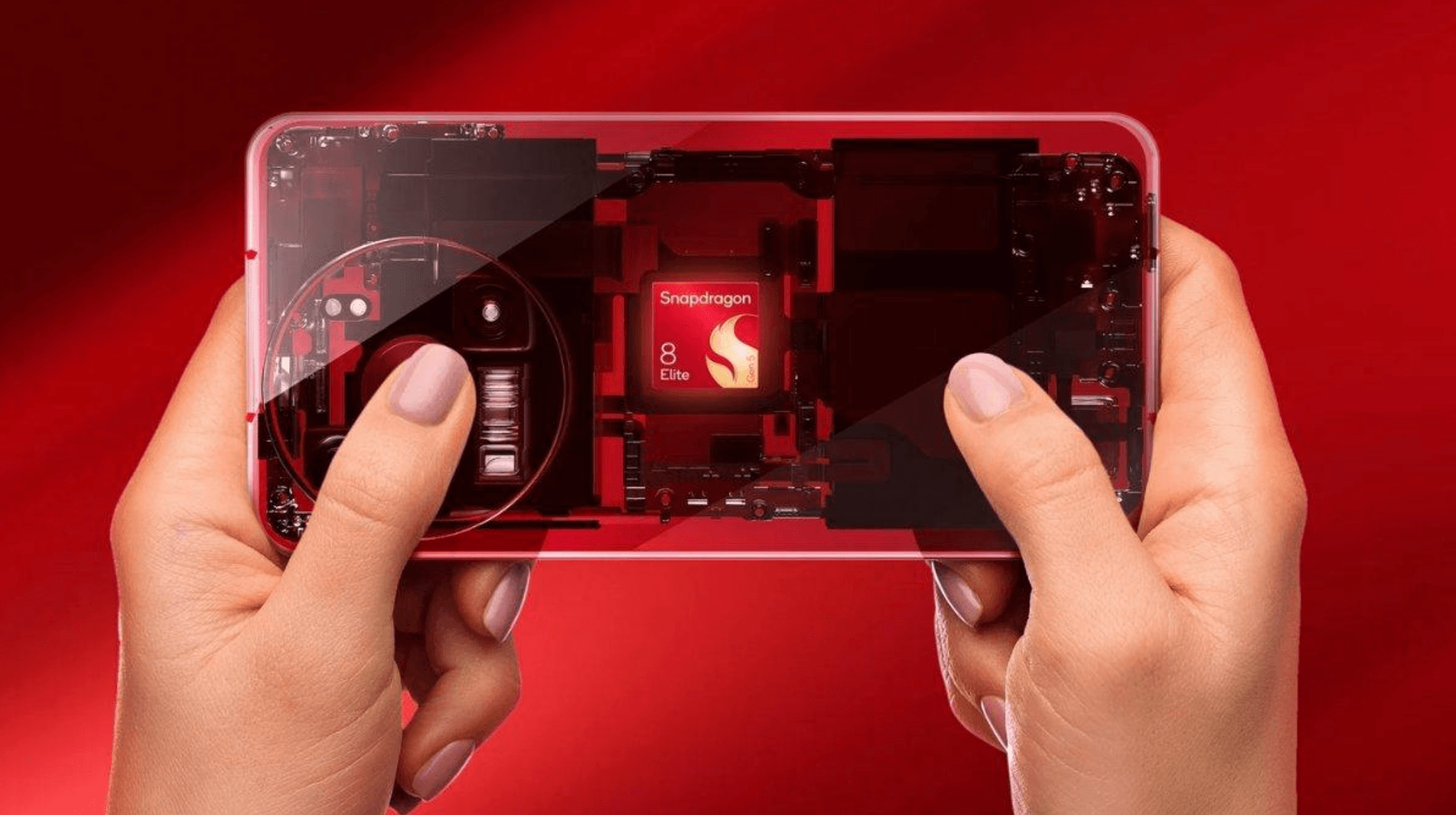
Snapdragon chipsets include powerful AI engines capable of running advanced language models locally, improving speed and reducing reliance on cloud services.
Samsung Galaxy AI
Samsung combines local AI with cloud processing to offer Live Translate, Note Assist, AI photo editing, and intelligent search features.
Real-World Uses of Edge AI
Edge AI is already changing the way we use our phones every day.
- AI-powered photo editing
- Live language translation
- Voice assistants
- Smart email writing
- Document summarisation
- AI note-taking
- Real-time transcription
- Offline navigation enhancements
These features feel faster because they happen directly on your device instead of waiting for cloud servers.

Challenges Edge AI Still Faces
Although Edge AI offers many benefits, it isn't perfect.
Large AI models still require significant storage space and processing power. Running demanding AI tasks continuously can also generate heat, especially on compact smartphones.
For the most complex AI workloads, cloud computing will continue to play an important role.
The Future Is Hybrid AI
Rather than replacing cloud AI completely, the future is likely to combine both approaches.
Simple everyday tasks will run locally for maximum speed and privacy, while more demanding tasks such as advanced video generation or large-scale AI processing will continue using powerful cloud infrastructure.
This hybrid model delivers the best balance between performance, privacy, and capability.
What to Look for in Your Next AI Phone
When buying your next smartphone, AI performance will become just as important as camera quality or battery life.
Look for devices that offer:
- Powerful Neural Processing Units (NPU)
- Offline AI capabilities
- AI-powered cameras
- Real-time translation
- Smart writing assistants
- Advanced voice recognition
- Efficient battery optimisation
These features will define the next generation of flagship smartphones.

Frequently Asked Questions
What is Edge AI?
Edge AI is artificial intelligence that runs directly on your device instead of relying entirely on cloud servers.
Does Edge AI work without the internet?
Yes. Many Edge AI features, such as translation, voice recognition, and photo editing, can work offline.
Is Edge AI more secure?
In many cases, yes. Since personal data is processed locally, less information needs to be uploaded to remote servers.
Which smartphones support Edge AI?
Many recent flagship devices from Apple, Samsung, Google, Qualcomm-powered brands, and MediaTek-powered phones already support Edge AI features.

Comments
Sign in to join the conversation
Sign inNo comments yet
Be the first to share your thoughts!