
🚀 Switch 2 Launch Smashes Records: 3.5 Million Consoles Sold in Four Days
Nintendo's second-generation hybrid console got off to an extraordinary start.
When Nintendo Switch 2 launched on June 5, 2025, Nintendo had years of momentum from the original Switch behind it, but the company still faced the difficult task of convincing millions of players that the new hardware was worth upgrading to.
It did not take long to get an answer.
Nintendo announced on June 11, 2025 that Switch 2 had sold more than 3.5 million units worldwide during its first four days on the market. According to Nintendo, that made it the company's highest global hardware sales figure ever recorded during a console's first four days.
That number was more than just an impressive launch statistic.
It demonstrated the amount of demand Nintendo had managed to build for its next-generation hardware after eight years of the original Switch.
And while the launch surge eventually cooled, the broader sales story remained strong. By June 30, 2026, Nintendo reported that Switch 2 had reached 23.68 million units worldwide.
💰 The 3.5 Million Launch Record
The headline figure is simple:
More than 3.5 million Switch 2 consoles sold in four days.
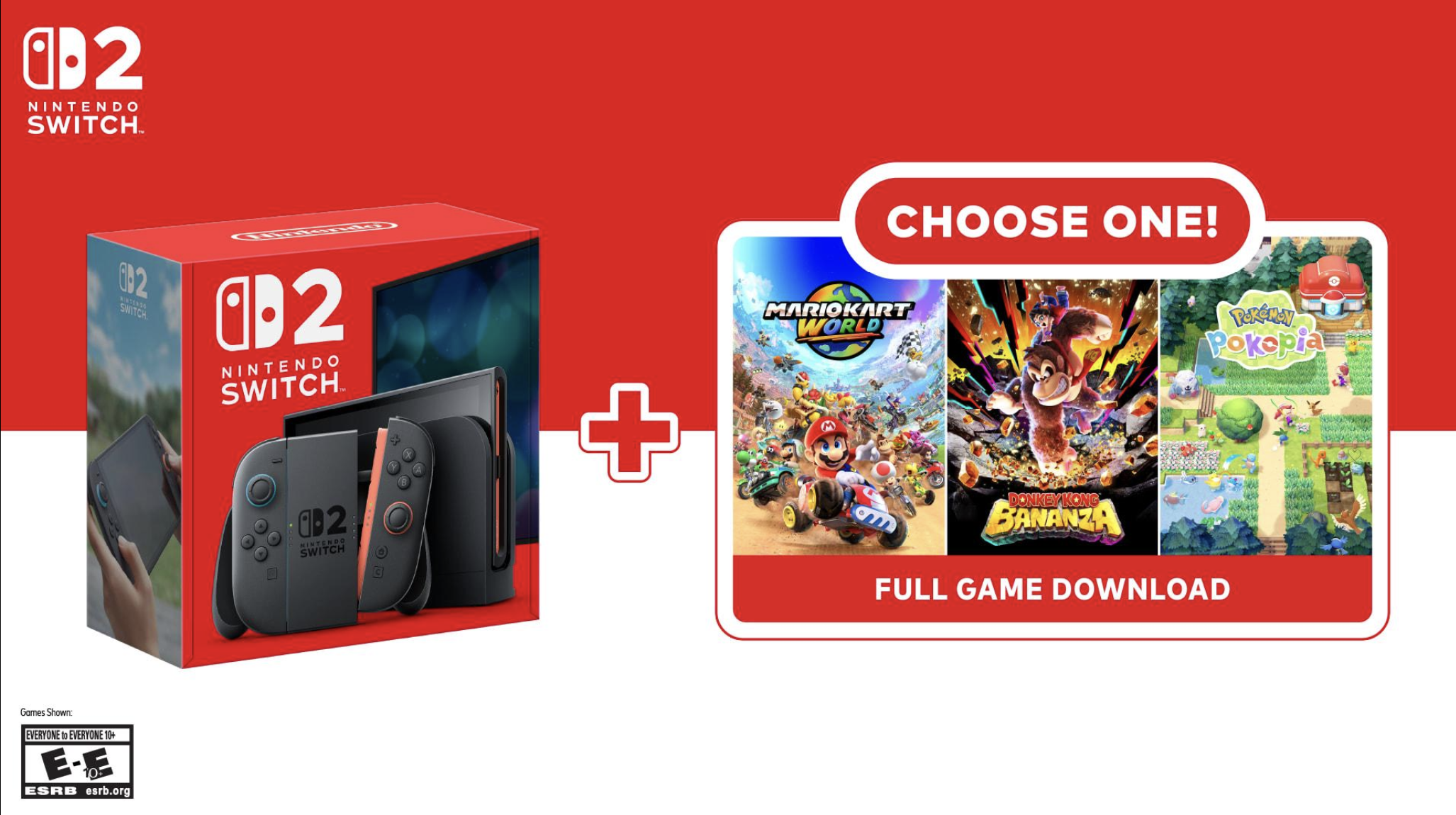
Nintendo counted sales from June 5 through June 8, 2025, following the console's worldwide launch. The figure included the standard Switch 2 systems as well as the Mario Kart World bundle and the Japanese-exclusive language versions.
Nintendo described it as the highest global sales level for any Nintendo hardware within its first four days.
That distinction is important.
The figure was not simply another milestone in the company's long history. It immediately established Switch 2 as Nintendo's fastest-selling hardware launch by that measurement.
The original Nintendo Switch had already become one of the company's most successful systems ever, eventually passing 150 million units. That meant Switch 2 entered the market with an enormous installed base of potential customers.
The challenge was turning that existing audience into new hardware buyers.
The first four days suggested Nintendo had succeeded.
📈 Why Four Days Mattered
Four days is an extremely short period for measuring the success of a console.
A system normally has years to build its installed base.
Nintendo's launch number instead showed how many people were willing to buy the new hardware almost immediately.
There are several reasons that matters.
Existing Switch owners
The original Switch launched in 2017 and spent years building a huge audience.
By the time Switch 2 arrived, Nintendo had millions of players already familiar with its ecosystem.
A long hardware gap
The original Switch had been on the market for more than eight years.
That created a large group of players who had been waiting for a more powerful version.
A strong launch lineup
Nintendo paired the hardware with Mario Kart World, giving buyers a major first-party game to play immediately.
Backward compatibility
Switch 2 was not starting from zero.
Players could continue accessing Switch software while moving to the newer hardware.
Together, those factors created a much easier upgrade path than launching an entirely new platform with no established audience.
🎮 Switch 2 Had a Huge Audience Waiting
One of the most important factors behind Nintendo Switch 2 sales was the enormous success of its predecessor.
The original Switch had transformed Nintendo's hardware strategy.
Instead of maintaining separate home-console and handheld families, Nintendo effectively combined them into one hybrid platform.
That meant a Switch 2 buyer was not simply purchasing a faster console.
They were buying into the continuation of a hardware concept that had already proven itself.
The basic idea remained familiar:
Play it on the television.
Take it with you.
Continue playing anywhere.
Switch 2 improved the hardware around that concept rather than abandoning it.
That familiarity likely helped reduce the barrier for existing Switch owners.
🏎️ Mario Kart World Was a Major Launch Driver
The launch lineup also mattered.
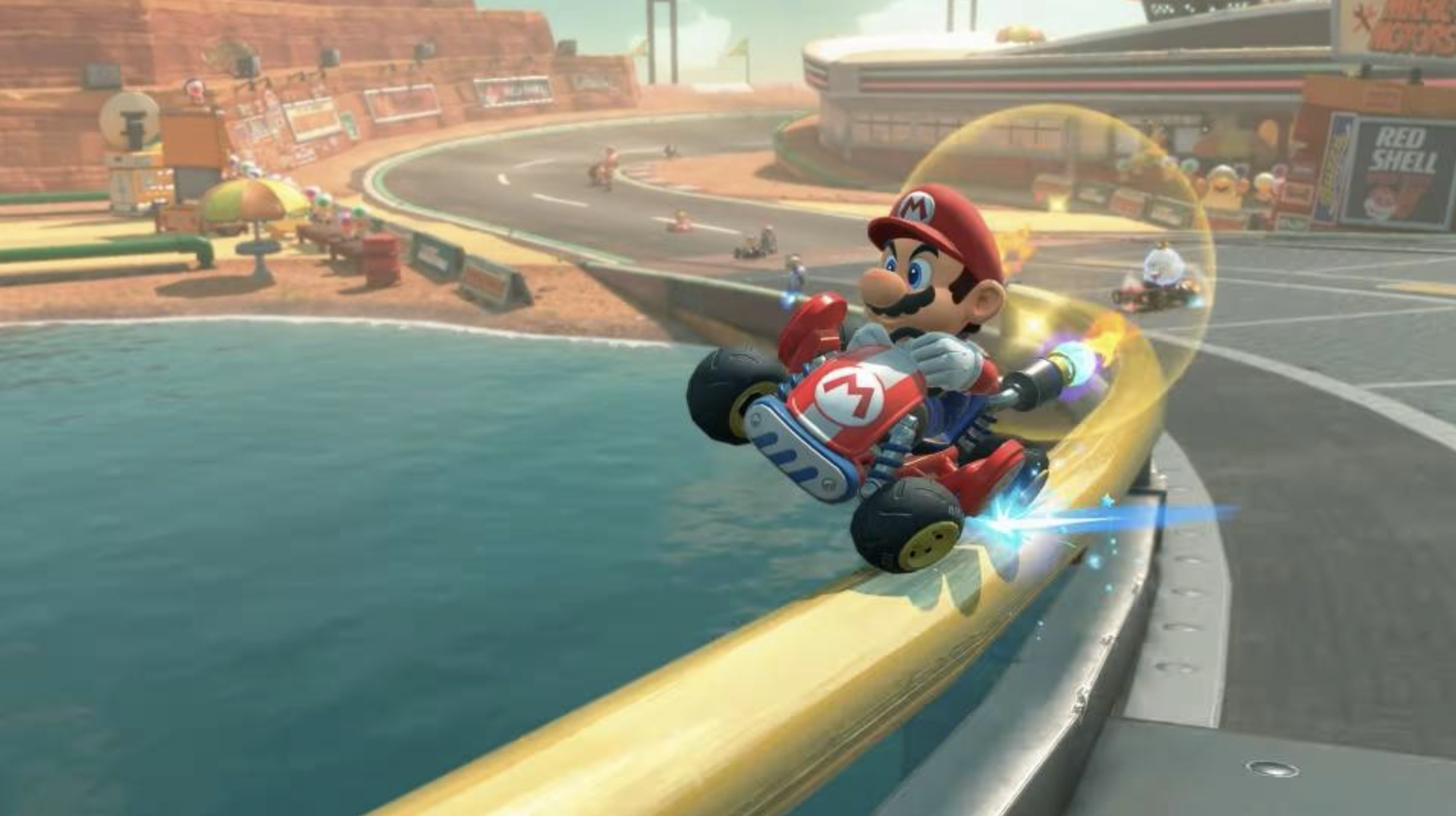
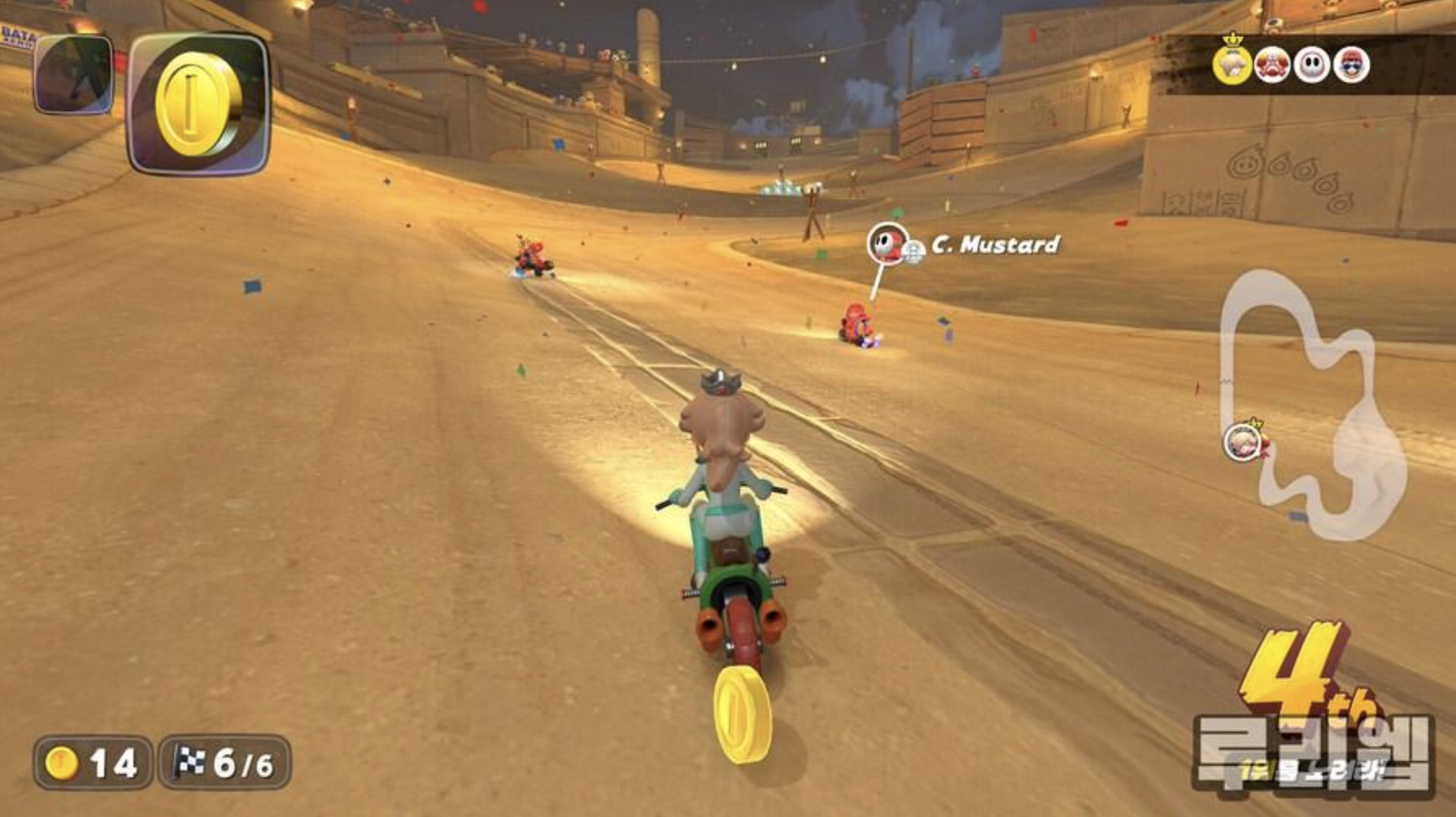
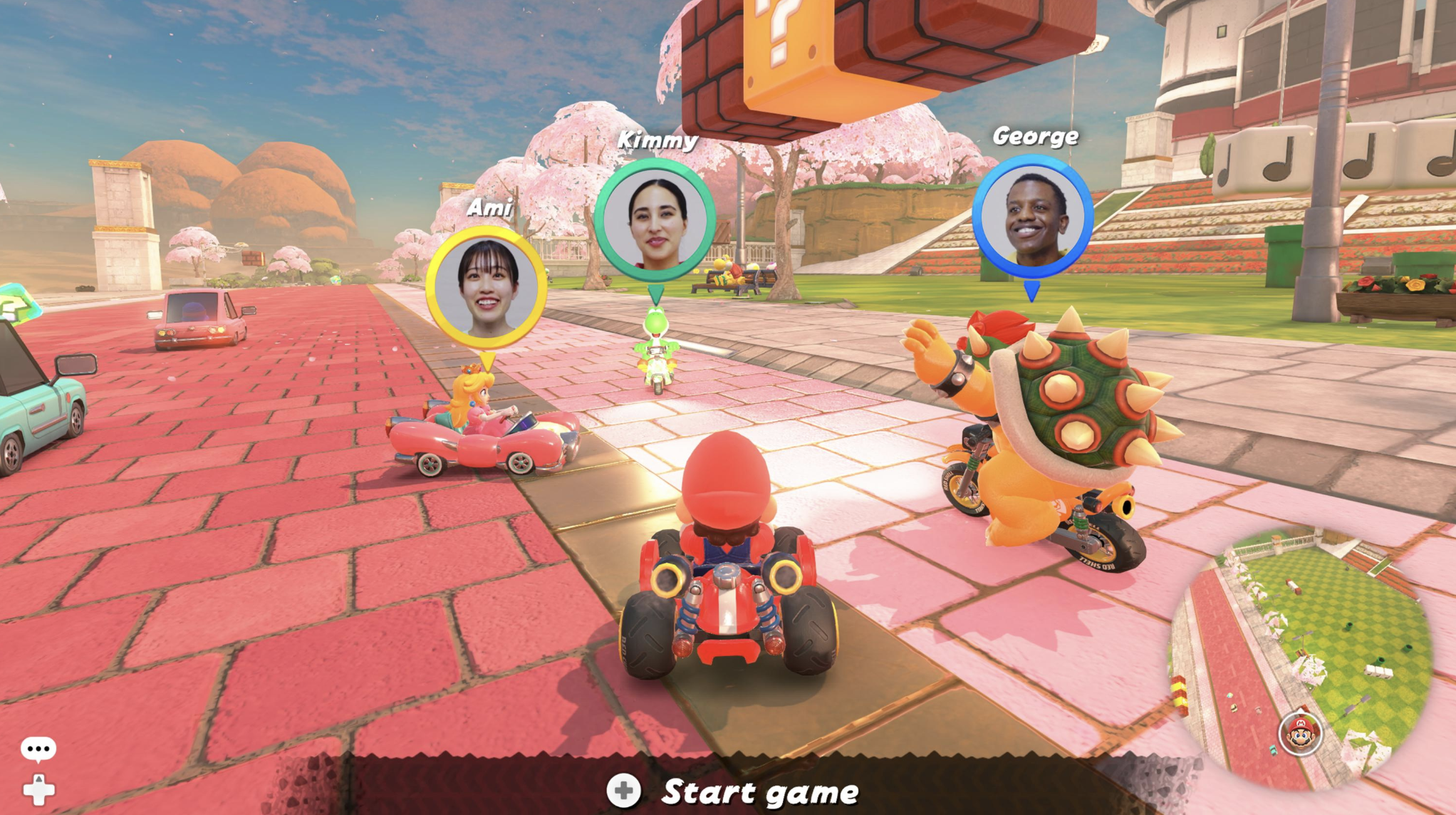
Switch 2 arrived alongside Mario Kart World, a new entry that expanded the series beyond traditional closed-course racing.
Nintendo positioned the game as one of the major reasons to own the new console.
The game introduced a larger interconnected world, dynamic weather and races supporting up to 24 drivers.
🖥️ What Made Switch 2 Different?
Nintendo did not completely reinvent the Switch formula.
Instead, it focused on improving the areas where the original hardware had begun to show its age.
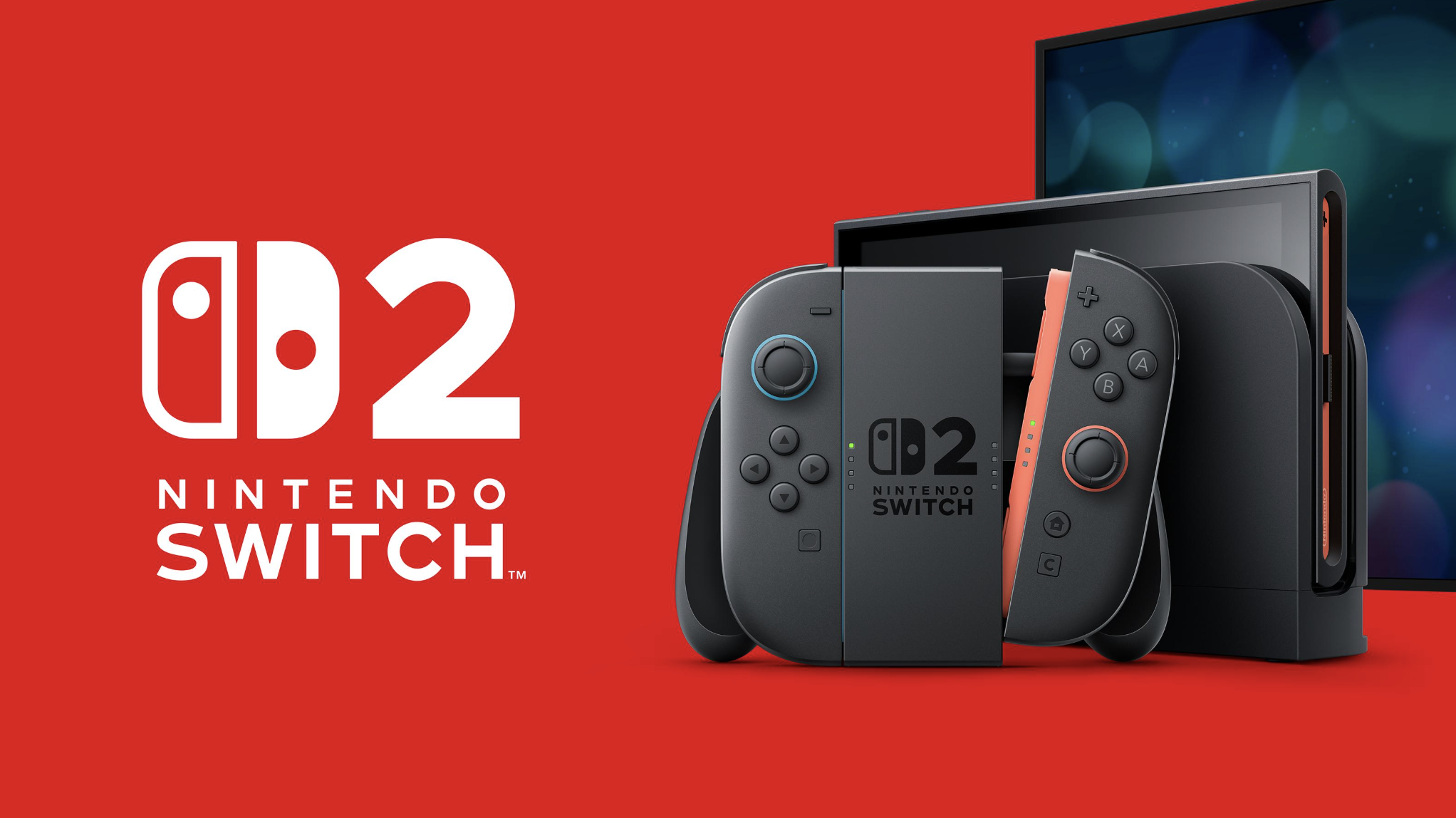
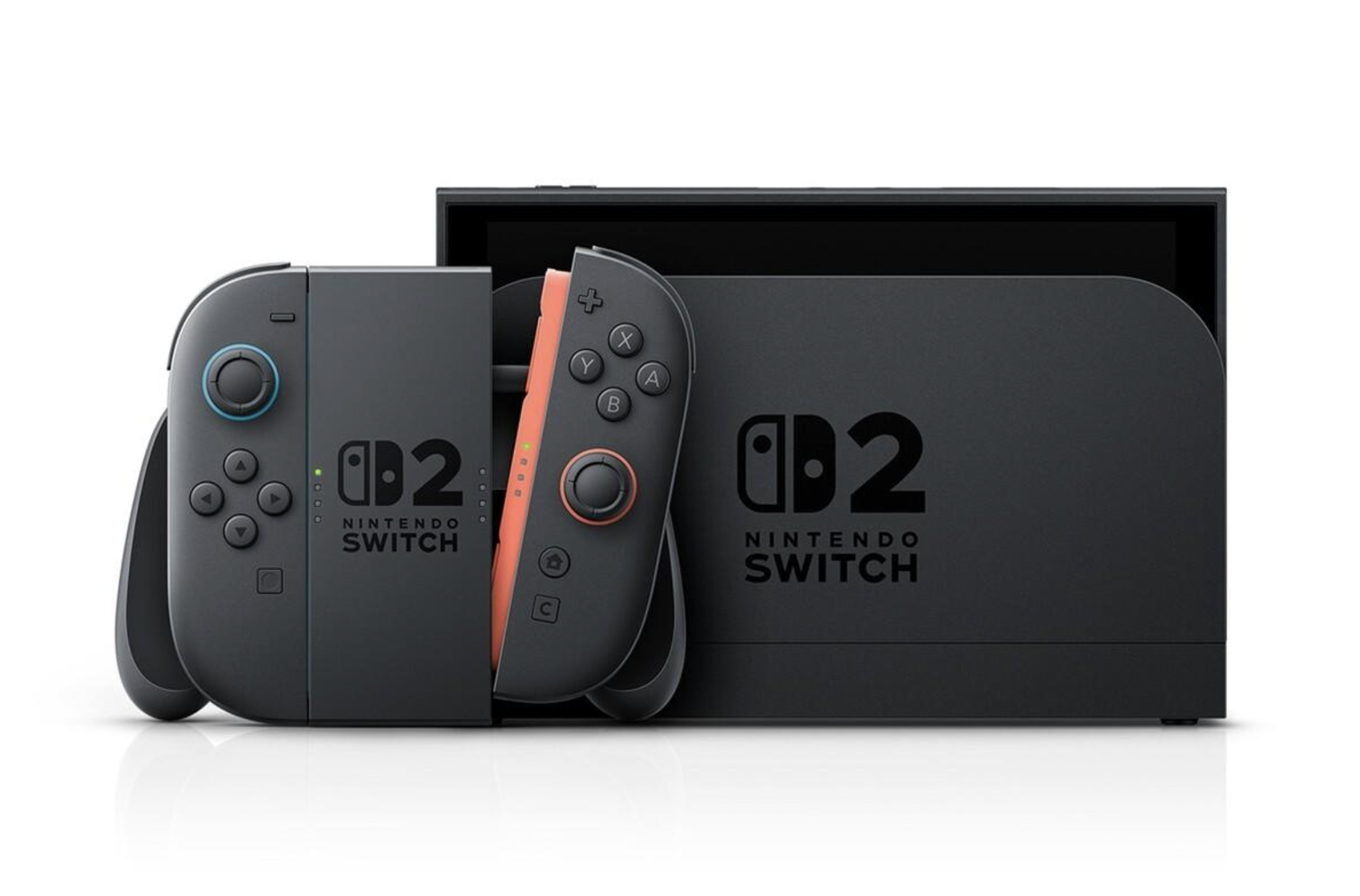
The Switch 2 introduced:
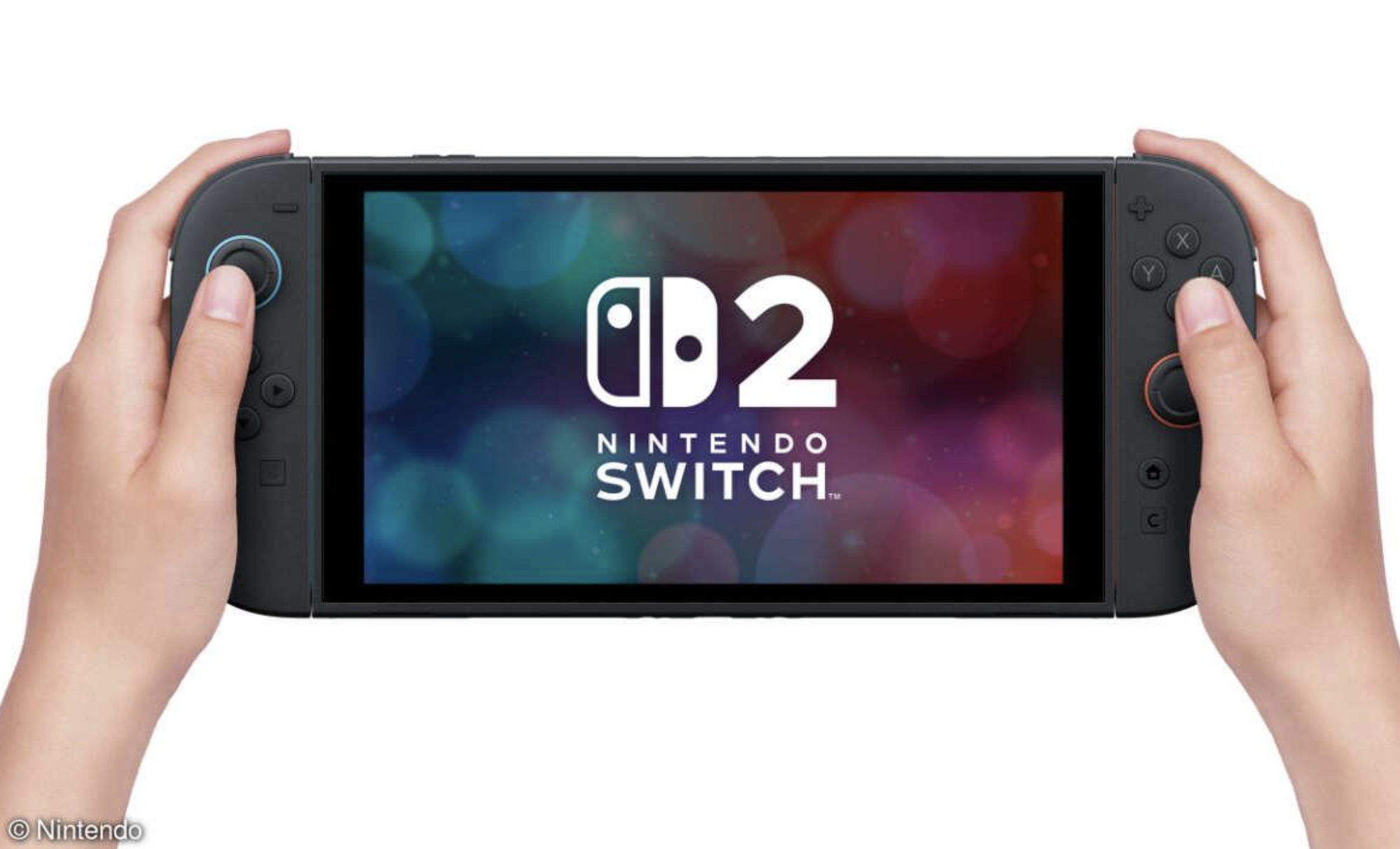
- A larger display
- Higher display resolution
- More powerful processing hardware
- Improved graphics performance
- Magnetic Joy-Con 2 controllers
- Mouse functionality for compatible games
- GameChat
- Improved docked performance
- Compatibility with Nintendo Switch games
Nintendo says the system's display can reach 1080p in handheld mode, while compatible televisions and monitors can receive output up to 4K.
🧲 Joy-Con 2 Was More Than a Simple Redesign
The new controllers were another important part of Nintendo's hardware strategy.
Joy-Con 2 controllers attach magnetically to the console and add mouse-style functionality in supported games.
That allowed developers to experiment with control systems that were difficult to implement effectively on the original hardware.
It is another example of Nintendo's approach with Switch 2.
The company was not simply chasing raw specifications.
It was trying to create new gameplay possibilities around the hardware.
💬 GameChat Added a Social Layer
Switch 2 also introduced GameChat, allowing players to voice or video chat and share their game screens while playing.
Nintendo positioned the feature as a more direct way to connect players without requiring them to rely entirely on external communication platforms.
That fits Nintendo's broader strategy of making multiplayer experiences easier to access.
The company has traditionally focused heavily on local and family-friendly multiplayer, and GameChat extends that philosophy into online play.
🔋 Why Nintendo's Hybrid Strategy Still Worked
The most interesting thing about Switch 2 may be what Nintendo chose not to change.
The company did not abandon the hybrid format.
It did not return to a traditional home console.
It did not attempt to compete purely on graphical performance.
Instead, Nintendo kept the basic Switch concept intact and upgraded the experience around it.
That decision gave the company an advantage that hardware specifications alone cannot create.
Consumers already understood what a Switch was.
Switch 2 simply offered a more capable version.
📊 From 3.5 Million to 23.68 Million
The launch record was only the beginning.
Nintendo's latest reported figure shows how dramatically the installed base grew after those first four days.
By June 30, 2026, Switch 2 had sold 23.68 million units worldwide.
Nintendo's official financial data also showed that Switch 2 sold 3.82 million units during the quarter ending June 30, 2026. That represented a 34.4% year-over-year decline from the same quarter in 2025, when the console had just launched.
This is an important distinction.
The launch was extraordinary.
But no console can maintain launch-day demand forever.
The more useful question is whether sales remain healthy once the initial wave of buyers has already purchased the hardware.
📉 The Launch Surge Eventually Normalized
The later sales figures show a familiar pattern for new consoles.
The first quarter after launch benefited from huge pent-up demand.
Once those early adopters had purchased Switch 2, sales naturally moved into a different phase.
Nintendo itself acknowledged the difference between the launch year and the console's second year.
The company continued to forecast 16.5 million Switch 2 hardware sales for the fiscal year ending March 2027.
That target is considerably lower than the previous fiscal year's 19.86 million units, reflecting the transition away from the initial launch surge.
This does not erase the importance of the launch record.
It simply shows why launch numbers and long-term hardware performance should be treated as different measurements.
⚔️ Switch 2 vs the Original Switch
One of the most interesting ways to evaluate Switch 2 is by comparing its trajectory with the original console.
According to Circana, as of July 2026, Switch 2 was still 11% ahead of the original Switch's sales pace at the same point in their respective lifecycles in the U.S. market. However, Switch 2 unit sales in July were down 51% year over year in the U.S., reflecting the unusually strong launch period in 2025.
That tells two different stories at once.
The launch created a very strong initial installed base.
But maintaining that momentum requires a continuing stream of software and compelling reasons for additional consumers to buy the system.
This is a normal challenge for successful hardware platforms.
🎮 Software Is the Next Big Test
Hardware gets people through the door.
Software keeps them there.
Nintendo's own numbers show how important its first-party lineup has been.
As of June 30, 2026:
| Switch 2 Game | Worldwide Sales |
|---|---|
| Mario Kart World | 15.39 million |
| Donkey Kong Bananza | 4.78 million |
| Pokémon Legends: Z-A - Switch 2 Edition | 3.99 million |
| Pokémon Pokopia | 3.68 million |
| Kirby Air Riders | 1.90 million |
These figures come from Nintendo's official sales data.