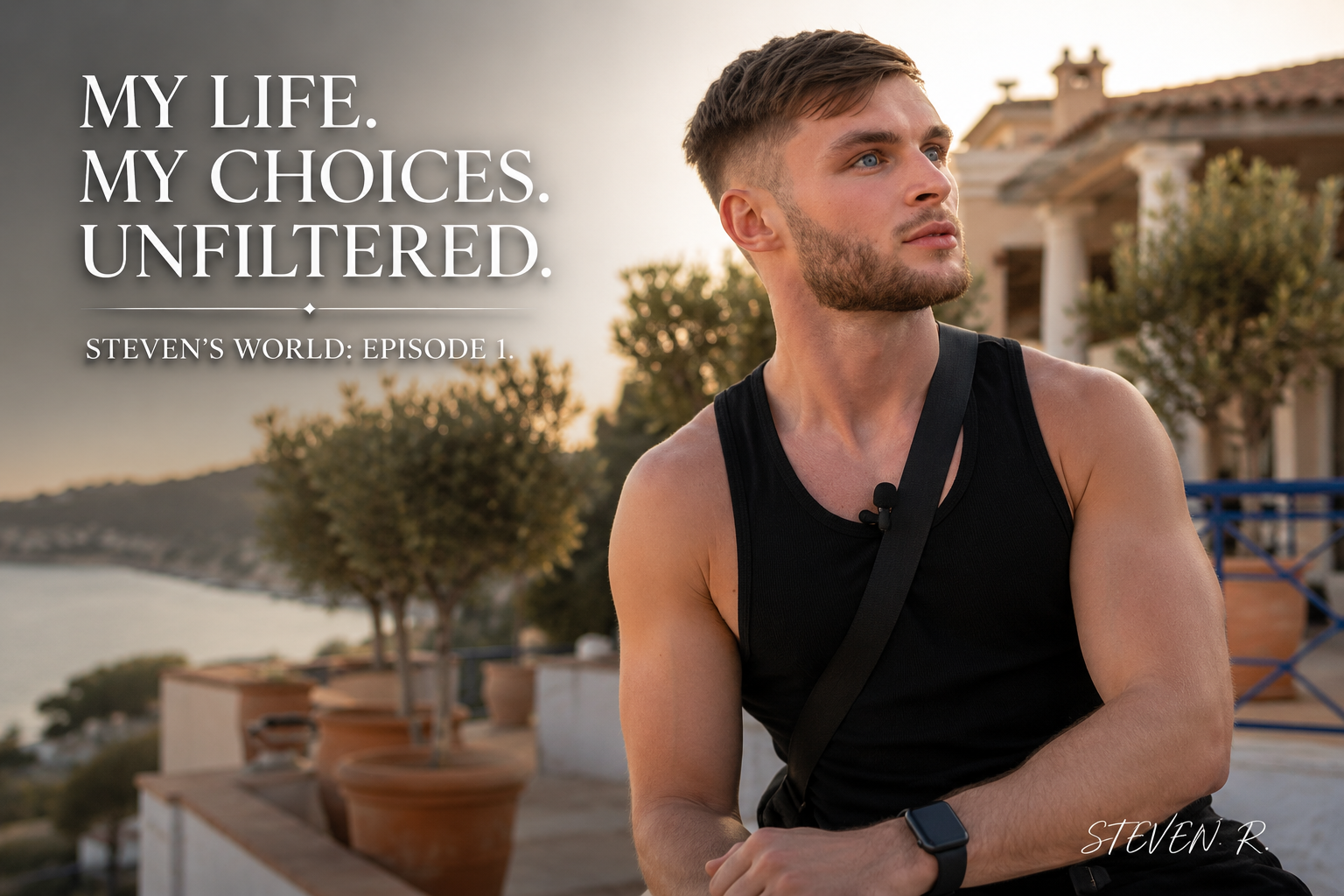

Streamer Justice: Ed Matthews Jailed for 12 Weeks
The line between online content and real-world consequences has become increasingly difficult to ignore.
Kick streamer and influencer Ed Matthews has been sentenced to 12 weeks in prison at Basildon Magistrates' Court after failing to comply with a community order connected to a 2024 livestreamed “predator sting.”
The sentence represents a significant escalation in a case that began with a controversial livestream and has continued to attract attention across the streaming community.

How the 2024 “Predator Sting” Started
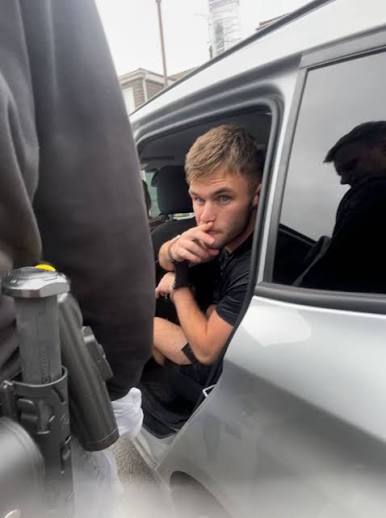
The case dates back to June 2024, when Matthews participated in a livestreamed vigilante operation alongside a group of self-described online “predator hunters.”
During the livestream, the group confronted a man they believed was involved in predatory behavior.
The confrontation escalated significantly.
According to reports surrounding the case, Matthews forced the man to eat an extremely spicy crisp while threatening police involvement before physically wrestling him to the ground and restraining him on camera.
The incident ultimately resulted in criminal proceedings.
Matthews was later convicted at Willesden Magistrates' Court of assault by beating and an offense involving threatening or abusive language or behavior.
The Original Community Order
Rather than immediately receiving a prison sentence, Matthews was initially given a community-based punishment.
The order included:
- 150 hours of unpaid work
- Rehabilitation activity days
- A £264 fine
However, the court later found that Matthews had failed to comply with the requirements of the community order.
That breach changed the outcome of the case.
Why Ed Matthews Was Sent to Prison
Following the breach, the court revoked the previous community-based sentence.
Matthews, who was 24 years old, was subsequently sentenced to 12 weeks in prison.
The case highlights an important distinction between the original criminal offense and the later prison sentence: the latest sentence followed the alleged failure to comply with the community order imposed after his original convictions.

Matthews Speaks From Prison
Matthews has continued communicating with followers while incarcerated.
An audio message shared through his Instagram account reportedly included his description of prison conditions and his frustration with the sentence.
He claimed that he was spending approximately 23 hours a day in his cell because of his public profile and strongly criticized the justice system.
Matthews also indicated that the experience had not discouraged him from streaming and suggested that he intends to return to creating content after his release.
Support From Other Streamers
The case has also attracted reactions from other controversial online personalities.
Streamer HSTikkyTokky publicly criticized the decision, describing the ruling as “absolutely ridiculous” and arguing that the situation had been handled poorly.
The reaction demonstrates how divisive livestreamed “predator-catching” content has become within the broader creator community.
The Bigger Debate Around Predator-Sting Content
The Matthews case raises a much larger question:
Where should the line be drawn between exposing suspected predators and taking the law into your own hands?
Supporters of online predator-catching groups argue that these creators expose individuals who might otherwise avoid attention.
Critics, however, argue that vigilante confrontations can create serious legal and safety problems.
Livestreaming an ambush can also turn a potentially serious investigation into entertainment, while physical confrontations and threats can expose creators themselves to criminal liability.
When Content Becomes Real-World Consequences
The case is another example of how the pursuit of viral content can have consequences far beyond views and engagement.
Streaming platforms allow creators to broadcast controversial encounters to thousands—or even millions—of viewers almost instantly.
But being recorded for entertainment doesn't remove the legal consequences of what happens during a livestream.
For creators, the lesson is straightforward:
Online attention does not provide immunity from real-world laws.
What This Means for Streamers
The Ed Matthews case offers several lessons for creators:
🎥 Livestreams Are Still Real Life
A livestream doesn't turn real-world conduct into a fictional performance.
⚖️ Legal Boundaries Still Apply
Creators remain responsible for their actions even when those actions are being recorded for content.
🚨 Vigilantism Can Carry Serious Risks
Attempting to confront or punish suspected criminals personally can create legal and safety consequences.
📱 Viral Content Can Have Long-Term Consequences
A clip that generates millions of views can remain online long after the livestream ends—and potentially become evidence in legal proceedings.
Final Thoughts
Ed Matthews' 12-week prison sentence brings renewed attention to the increasingly controversial world of livestreamed predator stings.
While online creators may believe they are helping expose dangerous behavior, confronting suspected offenders themselves can cross serious legal boundaries.
For the streaming industry, the case is a reminder that content creation and accountability don't exist in separate worlds.
As livestreaming continues to expand, creators will increasingly have to balance the demand for shocking, viral content with the consequences of what happens when the camera is turned on.


Comments
Sign in to join the conversation
Sign inNo comments yet
Be the first to share your thoughts!