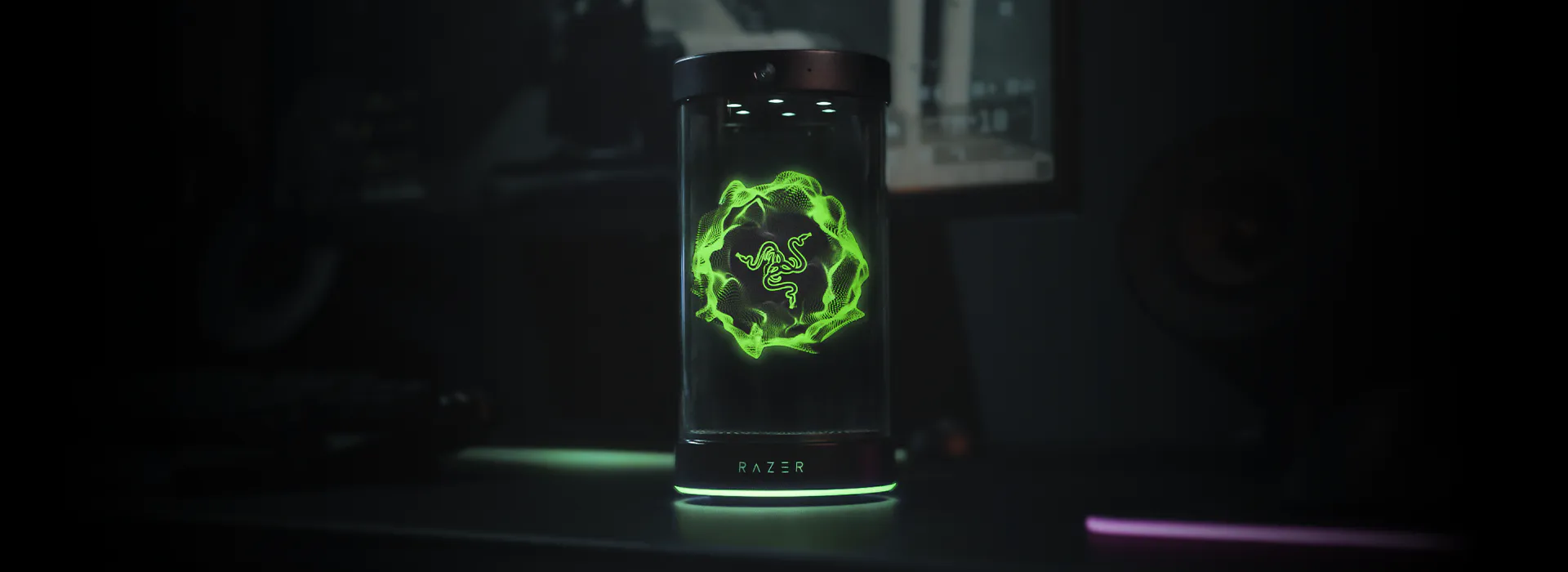

Razer's Project AVA Could Be the Streaming Assistant We Didn't Know We Needed
Imagine starting a stream and having an AI sitting beside your monitor.
It can hear you, understand what is happening on your screen, remember previous conversations and respond with its own personality.
That is the idea behind Razer AVA.
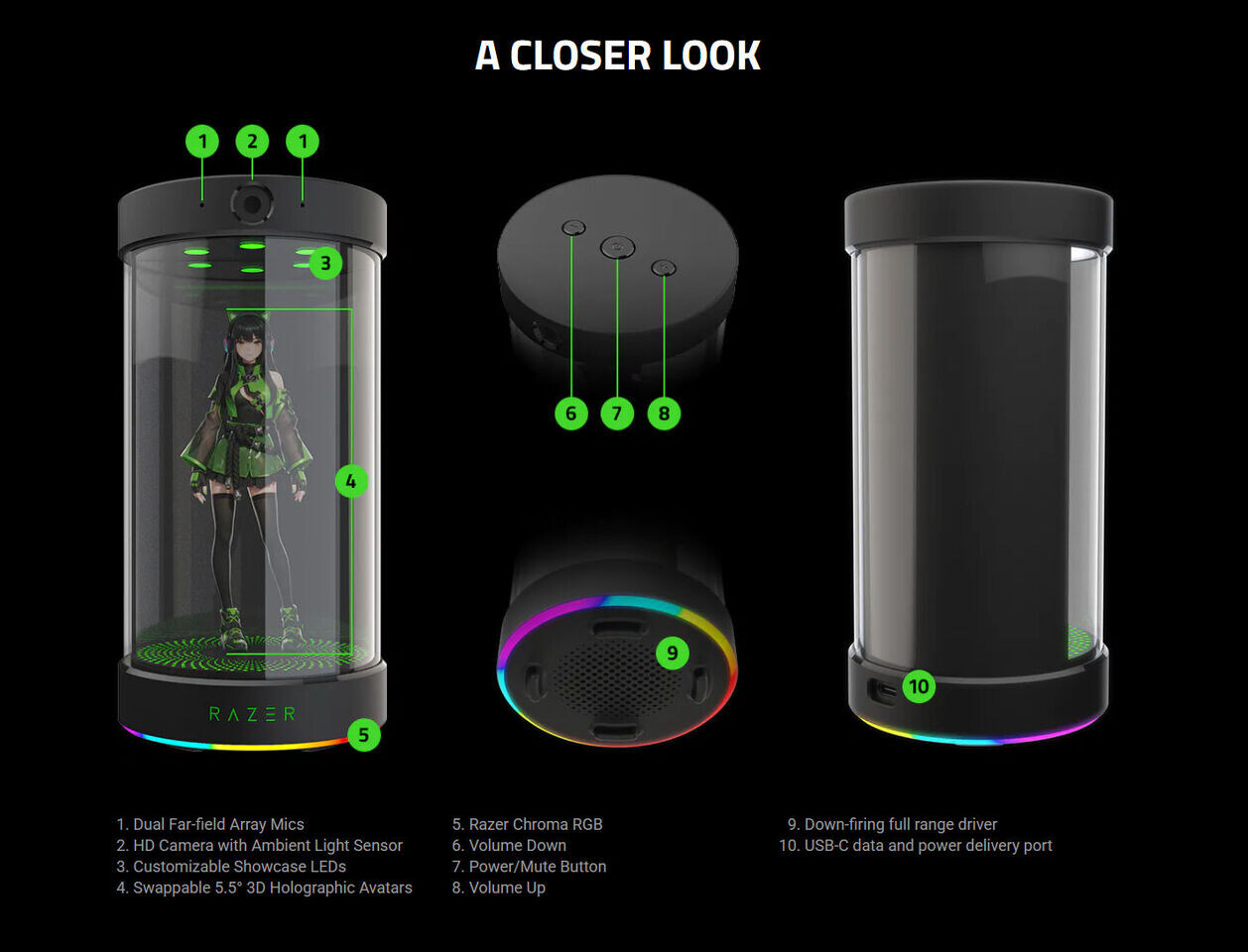
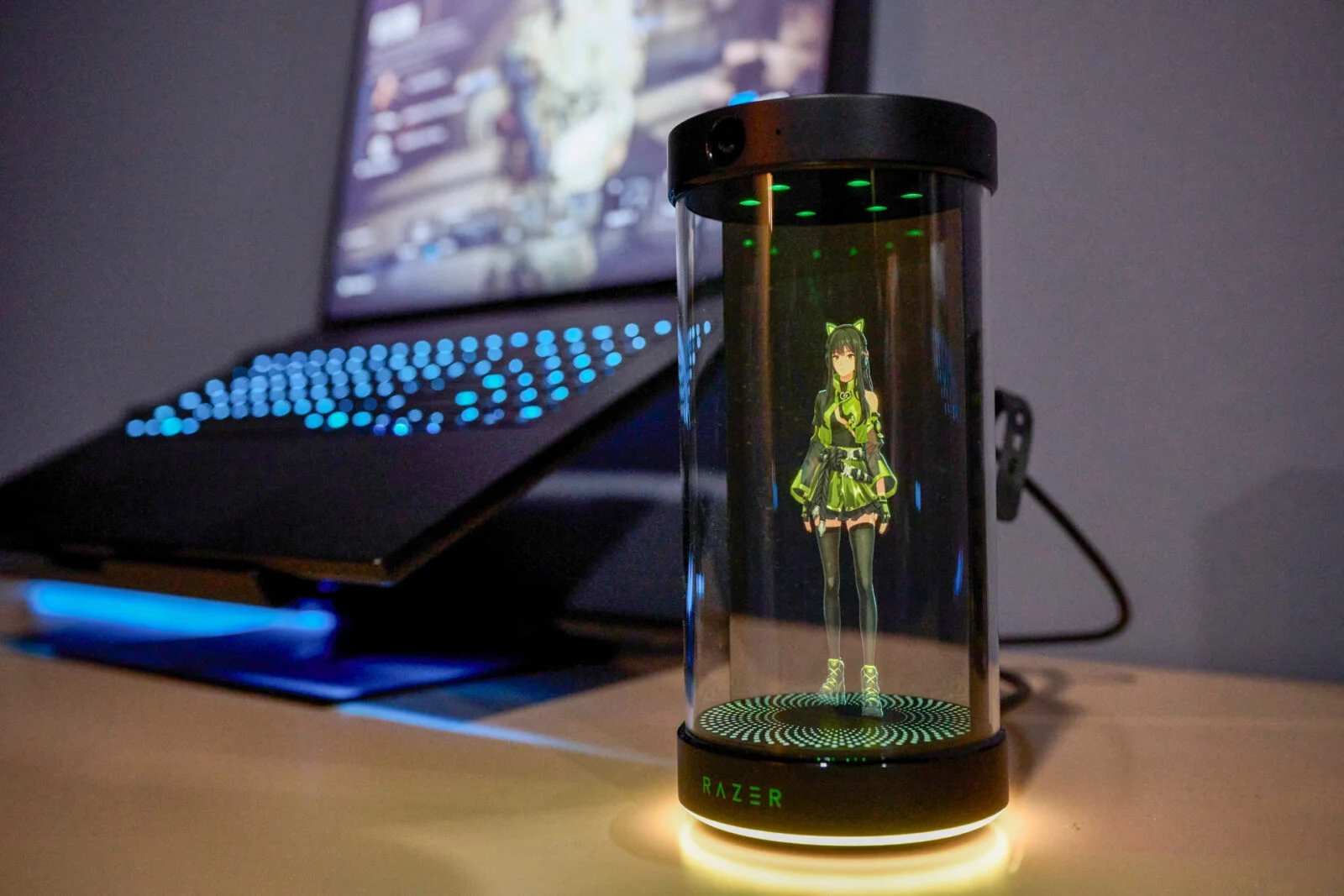
Originally introduced as an AI gaming coach, Project AVA has evolved into a 3D holographic AI companion designed to exist alongside users rather than simply inside an app. Razer's current version combines a 5.5 inch holographic display with a camera, microphones, speakers, contextual awareness and AI personalization.
For streamers, that opens up a fascinating question:
Could AVA eventually become the AI sitting between the creator, the audience and the streaming software?
🟢 From Gaming Coach to AI Companion
Project AVA started with a very different purpose.
When Razer revealed AVA at CES 2025, it was presented as an AI esports coach capable of providing real time guidance, game information and performance analysis.
A year later, the concept had changed dramatically.
At CES 2026, Razer presented AVA as a 3D holographic desk companion with an adaptive personality and contextual awareness. It can use vision and audio sensing to understand its environment and can also use PC Vision Mode to interpret what is happening on the user's screen.
That distinction matters for creators.
A normal chatbot waits for a message.
AVA is being designed to become a persistent presence.
🎥 Why Streamers Could Be Interested
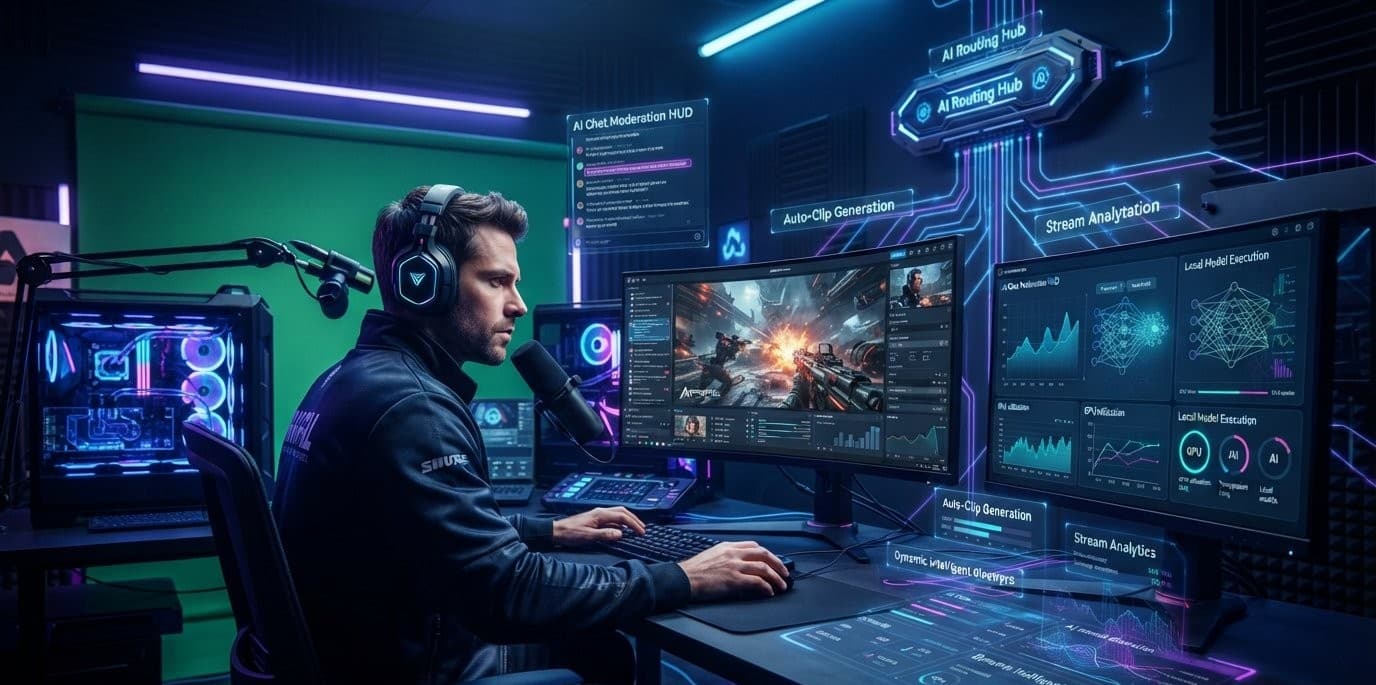
Streaming is already filled with separate tools.
There is one system for alerts, another for chat moderation, another for music, another for scenes and another for analytics.
The streamer sits in the middle and manages everything.
That creates an obvious opportunity for an AI companion.
Imagine a VTuber preparing for a three hour stream. Instead of manually checking every dashboard, an AI assistant could potentially help monitor the workflow, remind the creator about upcoming segments and react when something important happens.
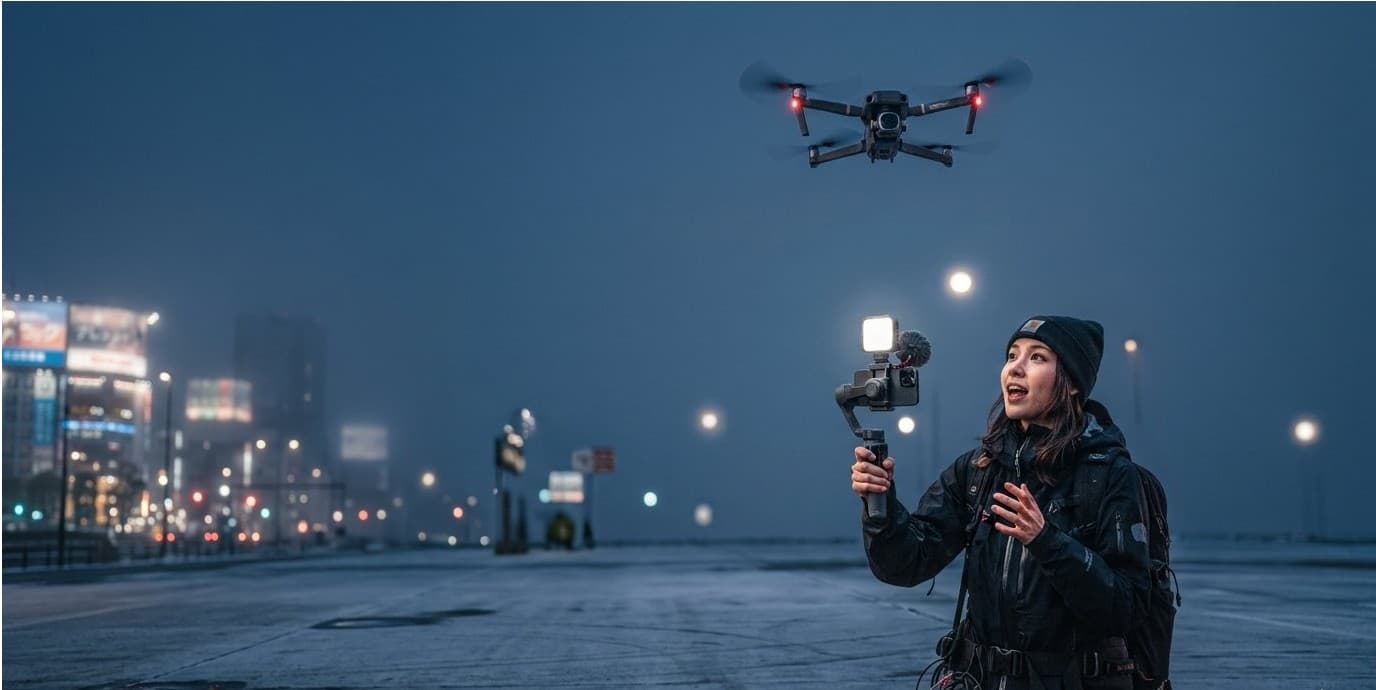
For an IRL streamer, the possibilities could become even more interesting.
An AI that can understand voice commands and contextual information could potentially help the creator manage parts of the broadcast without constantly looking at a PC or phone.
The real attraction isn't the hologram. It's the possibility of having an intelligent assistant that understands context.
💬 Could AVA Manage Chat and Alerts?
This is where things become particularly interesting.
Razer has already demonstrated AVA's ability to interact with supported applications and services through its newer agentic capabilities. At GDC 2026, Razer described AVA as an assistant capable of understanding goals, planning multiple steps and taking actions across connected tools and services.
For streaming, that architecture could eventually support workflows such as:
- Monitoring important stream events
- Helping identify useful audience questions
- Notifying the creator about important alerts
- Launching or interacting with supported applications
- Helping organize segments and stream tasks
- Providing reminders during long broadcasts
The key word here is could.
Razer has not announced AVA as a full replacement for existing Twitch, YouTube or OBS moderation systems. The streaming use case is better understood as a potential direction for the platform rather than an already established feature.
🤖 The VTuber Opportunity
VTubers may be one of the most interesting audiences for technology like AVA.
Why?
Because VTubing already revolves around digital personalities.
A traditional assistant is invisible. AVA is deliberately designed to have a visible personality and animated presence.
Razer says users can choose different companions, including characters such as Kira and Zane, while customization and additional character integrations are part of the platform's broader vision.
That creates an interesting possibility.
Instead of treating AI as a background utility, a streamer could potentially turn the assistant itself into part of the content.
Imagine a VTuber asking AVA for information during a live broadcast, having the AI react to something happening on screen or using it as a secondary personality during a conversation.
Suddenly, the assistant isn't just managing the stream.
It becomes part of the show.
🌍 IRL Streaming Could Be Even More Interesting
IRL streaming presents a completely different challenge.
Creators are often moving between locations, talking to people and dealing with unpredictable situations.
Traditional streaming software is designed around a desk.
An intelligent companion could potentially make that workflow more flexible.
Voice interaction becomes especially useful when the creator cannot comfortably operate a keyboard or touchscreen.
For example, a streamer could eventually ask an AI assistant to help with a task while continuing to interact with their audience.
Razer's vision and audio sensing are designed around this type of contextual interaction, although the company has not announced a dedicated IRL streaming mode for AVA.
That makes this less about what AVA does today and more about where the technology could go next.
🧠 The Bigger Idea: AI That Understands the Stream
The biggest difference between AVA and a conventional chatbot could be context.
A chatbot might answer:
"What did someone in chat ask?"
A more deeply integrated assistant could potentially understand:
"What is happening on my screen?"
"Who just subscribed?"
"What segment am I currently running?"
"What should I do next?"
"Is there something important I missed?"
Razer's agentic AI direction is already moving toward systems that can interpret intent, plan multiple actions and execute workflows instead of simply responding to questions.
That is a much more interesting future for creators.
The streamer doesn't necessarily need another chatbot.
They need an AI that understands the entire broadcast.
⚠️ There Is Still a Big Problem
There is one major question Razer will have to answer.
How much control should an AI actually have during a live broadcast?
Streaming is unpredictable.
A bad automated response can become a clip within seconds. An incorrect moderation decision can upset an entire community. An AI triggering the wrong action at the wrong moment could create an even bigger problem.
That means streamers will probably want AI assistance without giving AI unlimited control.
The ideal system would allow the creator to decide what AVA can observe, what it can suggest and what it can actually execute.
Razer itself has emphasized user control and responsible AI development as AVA moves toward becoming a real product.
🔮 What Happens Next?
Razer AVA is expected to launch in the second half of 2026, while its current direction includes both desktop holographic interaction and on screen AI experiences.
If Razer continues expanding integrations with applications and services, streaming could become a natural area for experimentation.
The future version of AVA could potentially sit beside a creator and coordinate parts of the broadcast while the human focuses on what actually matters:
entertaining the audience.
And that could be far more important than the holographic display itself.
🎮 The Bottom Line
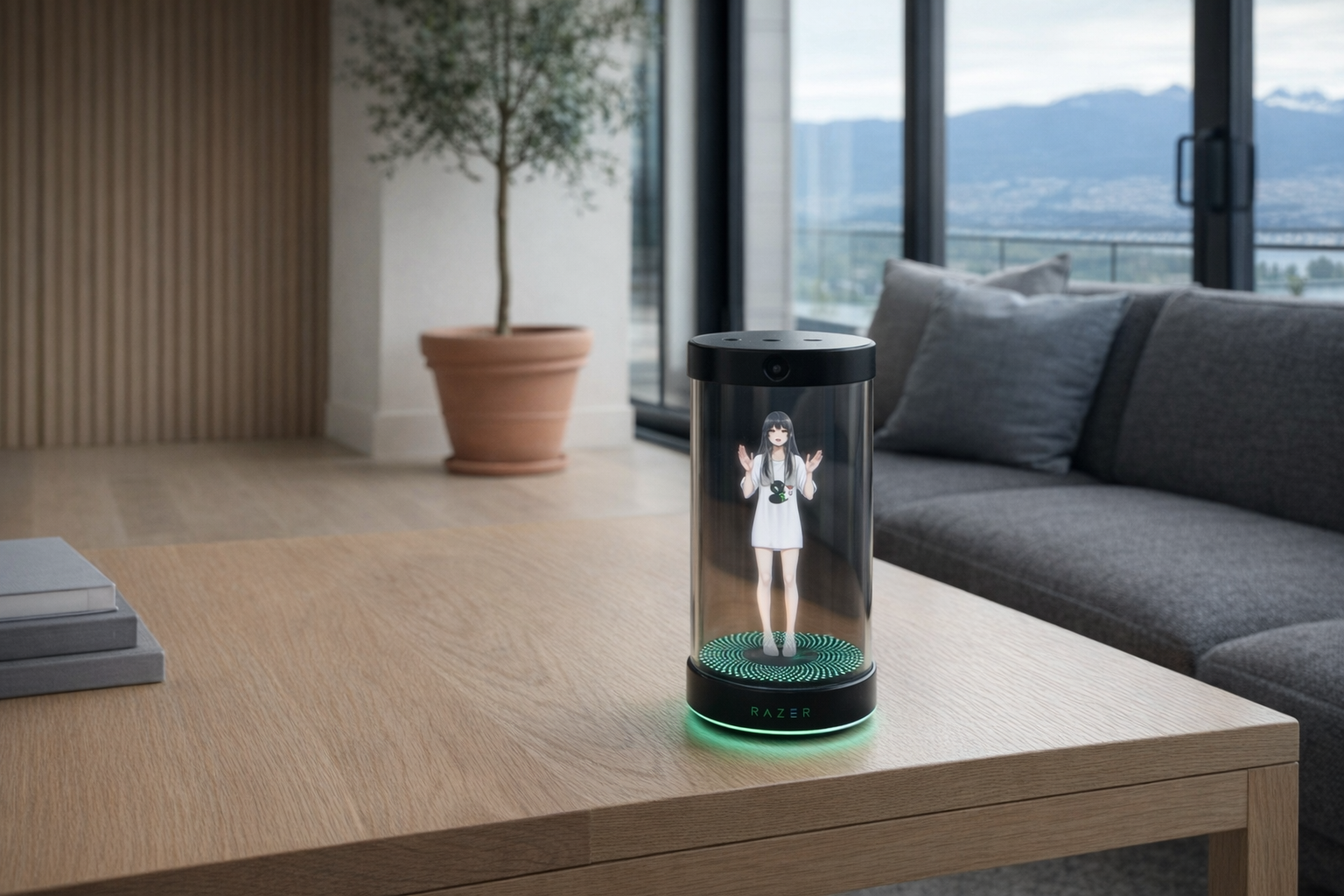
Razer AVA isn't simply another AI chatbot with a fancy screen.
It represents a different idea: an AI companion that physically and digitally exists alongside the creator.
For VTubers, that could mean an AI personality that becomes part of the content.
For IRL streamers, it could eventually mean hands free assistance while moving through unpredictable environments.
For every creator, the bigger promise is the same: an AI that understands the stream instead of simply responding to commands.
The hologram might be what gets everyone's attention.
But context aware AI could be what changes streaming.
What do you think? Would you actually want an AI companion like AVA managing parts of your stream, or would you rather keep full control over chat, alerts and moderation yourself?

Comments
Sign in to join the conversation
Sign inNo comments yet
Be the first to share your thoughts!