
💔 Heart Machine's Mass Layoffs Show Just How Fragile Indie Game Development Can Be
Heart Machine, the studio behind Hyper Light Drifter, has laid off nearly everyone at the company after a publisher decided to stop moving forward with an unannounced game.
Studio founder Alx Preston announced the news on September 16, saying the project had been funded by a publisher and had become a key source of income for the studio. When that publisher backed out, Heart Machine did not have another immediate source of funding to keep its team employed.
For fans who have followed Heart Machine since Hyper Light Drifter, the news is especially difficult. The studio built a reputation around distinctive art, unusual worlds and a willingness to take creative risks.
Now, its own founder says he is not sure what comes next for the company.
💔 A Publisher Pulled Out of Heart Machine's Next Game
The immediate cause of the layoffs was not the cancellation of a publicly announced game.
Heart Machine had been developing an unannounced title with financial backing from a publisher. According to Preston, that publisher decided this week that it would no longer move forward with the project.
Without that funding, and without another immediate project or financial resources available, nearly the entire team had to be laid off.
The publisher has not been publicly identified, and Heart Machine has not revealed what the unannounced game was.
That makes the situation particularly difficult to understand from the outside. A project can exist for years before the public even knows it is being made, while the studio working on it may already depend heavily on its funding.
🎮 The Studio Behind Hyper Light Drifter
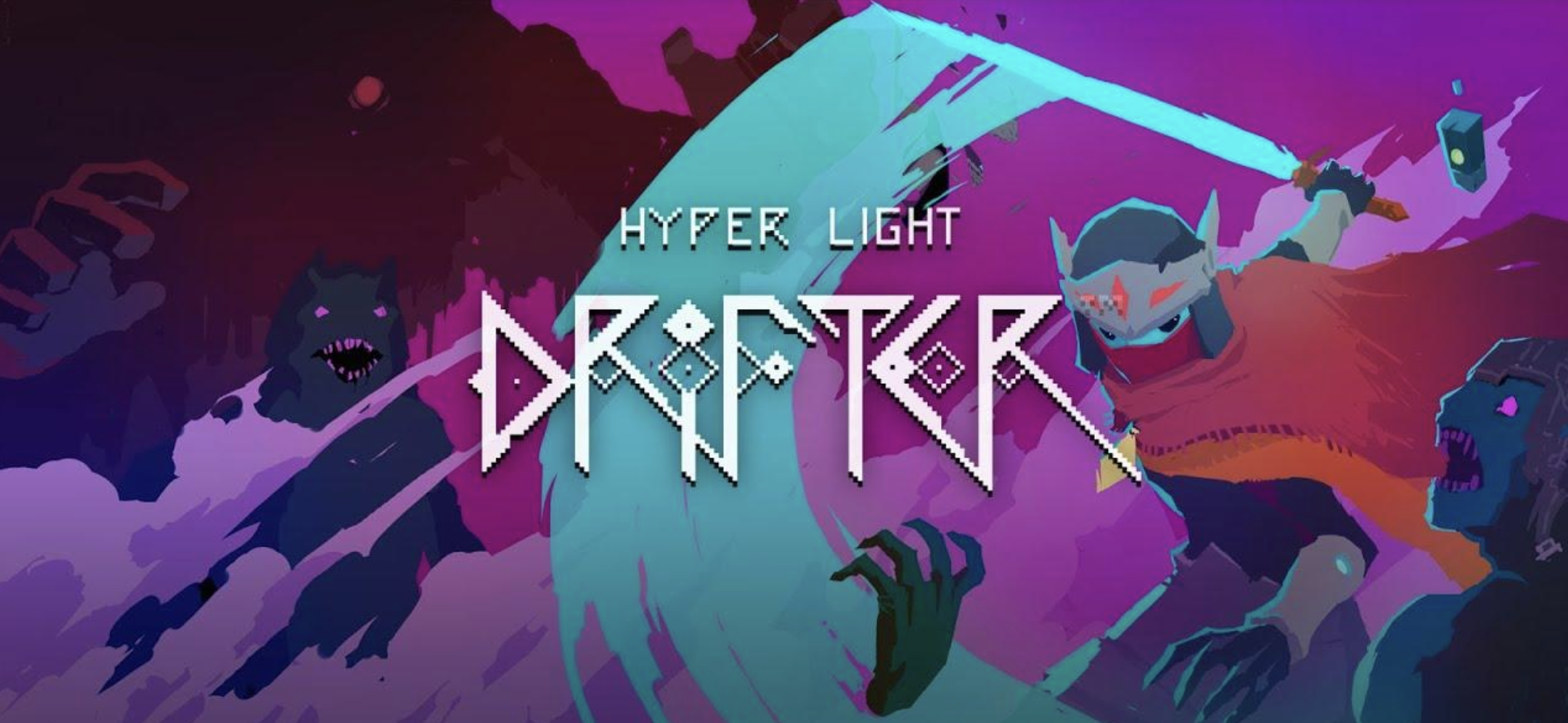
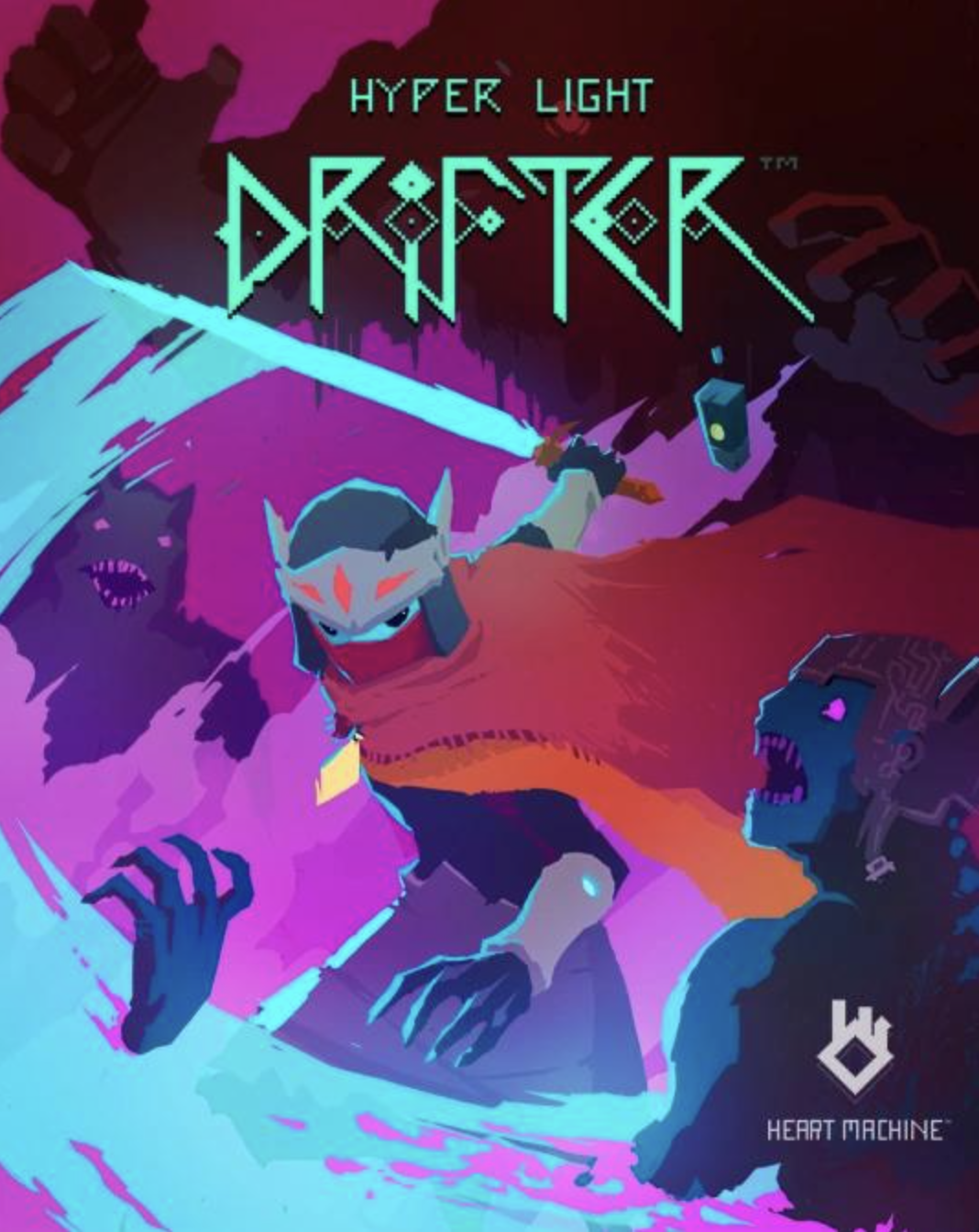
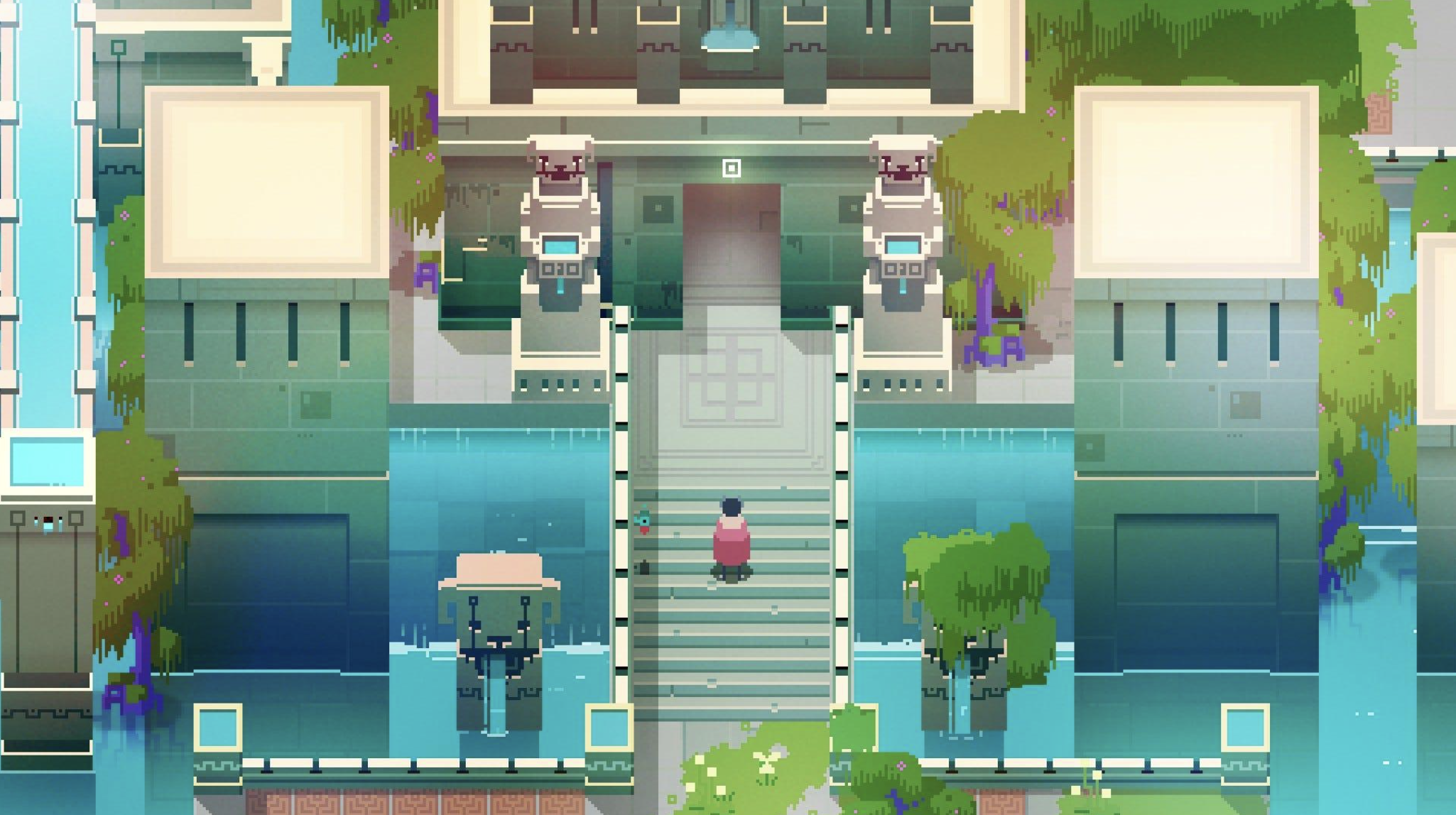
Heart Machine became widely known with Hyper Light Drifter, released in 2016.
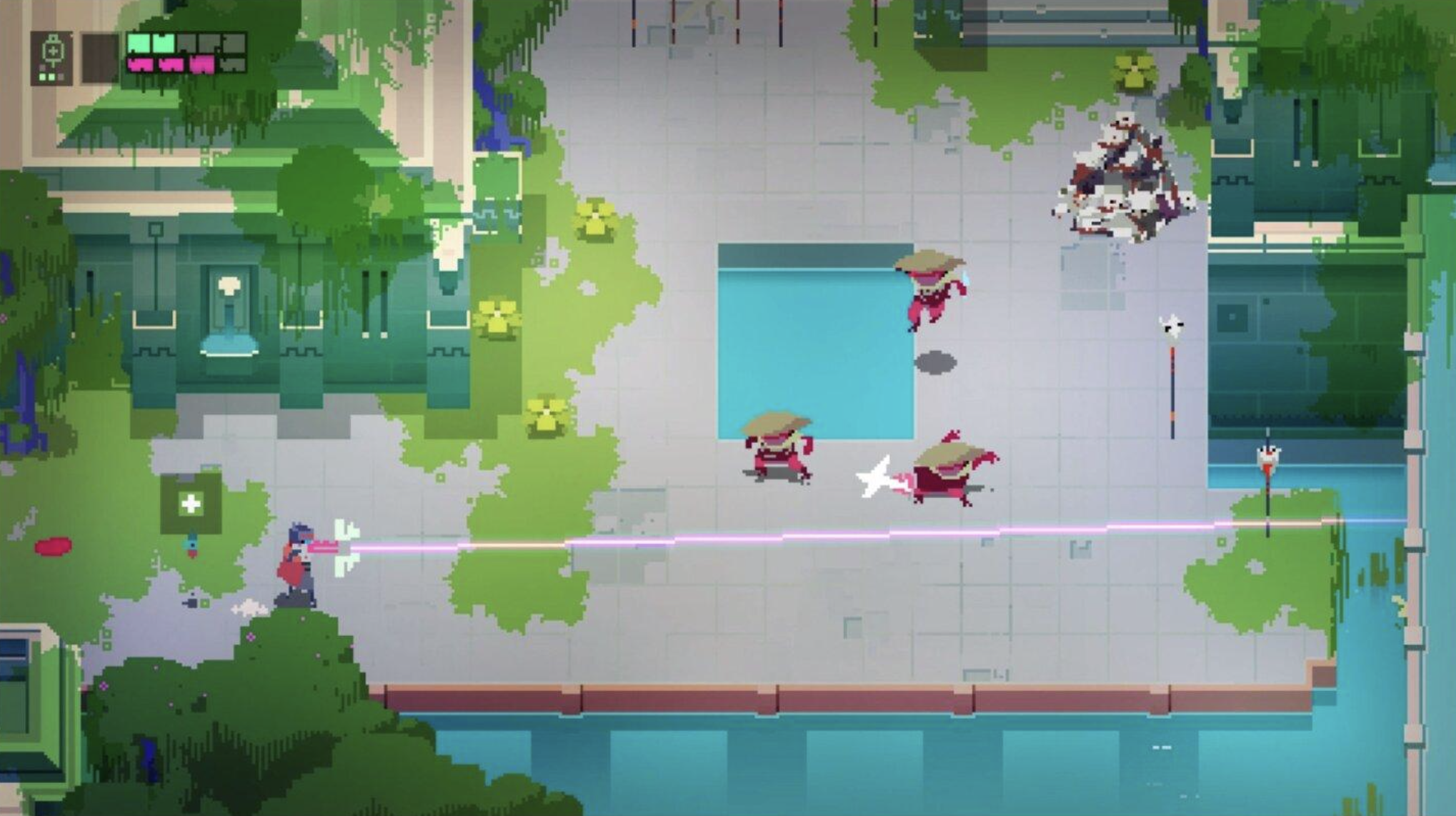
The action-adventure game stood out through its pixel-art presentation, fast combat, atmospheric world and minimalistic storytelling.
It quickly became one of the studio's defining achievements and gave Heart Machine a recognizable identity within the indie development scene.
The game also showed how a relatively small team could build something visually distinctive without following the traditional AAA formula.
🌌 Heart Machine Kept Taking Creative Risks
Heart Machine did not simply try to recreate Hyper Light Drifter.
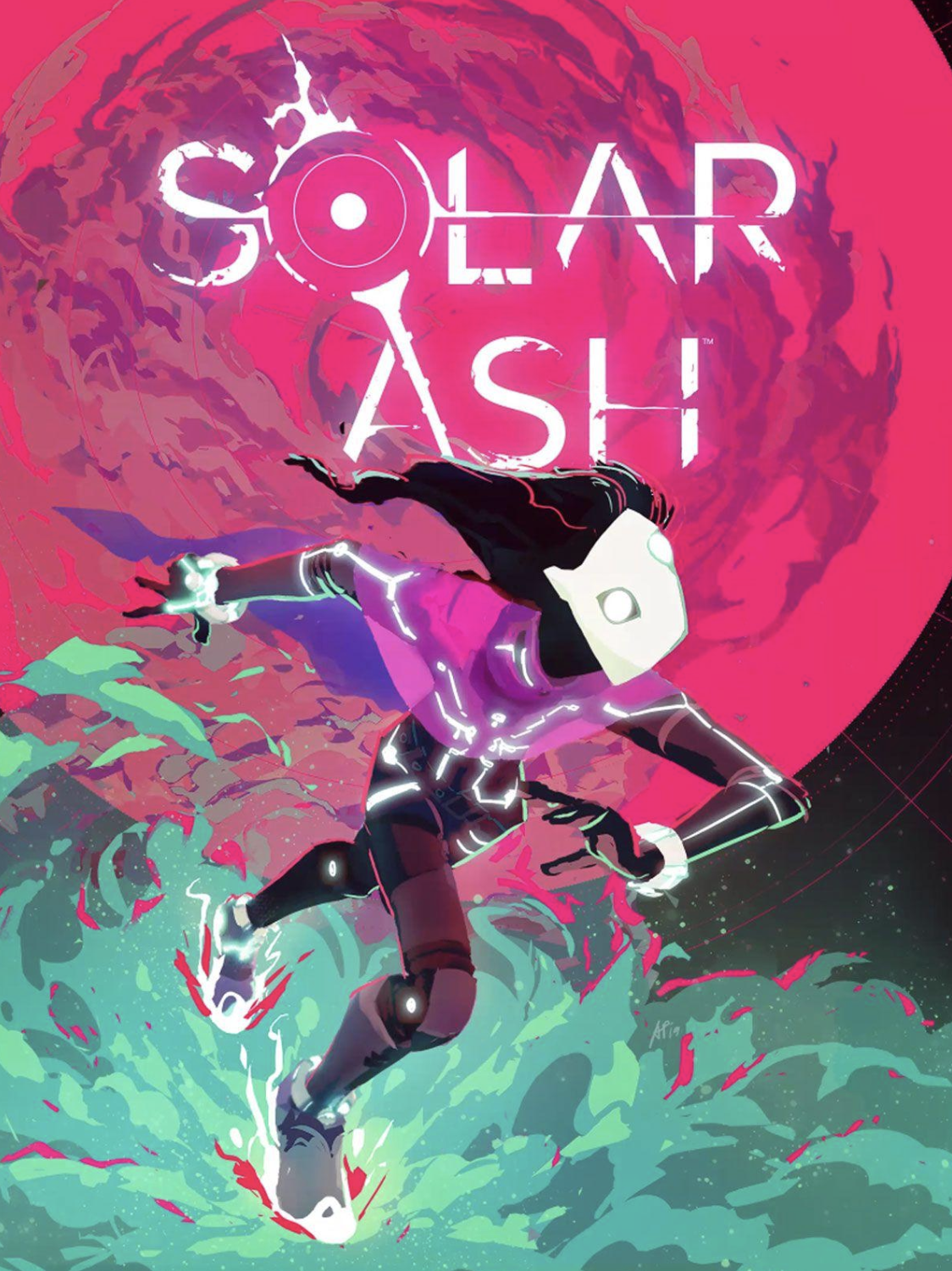
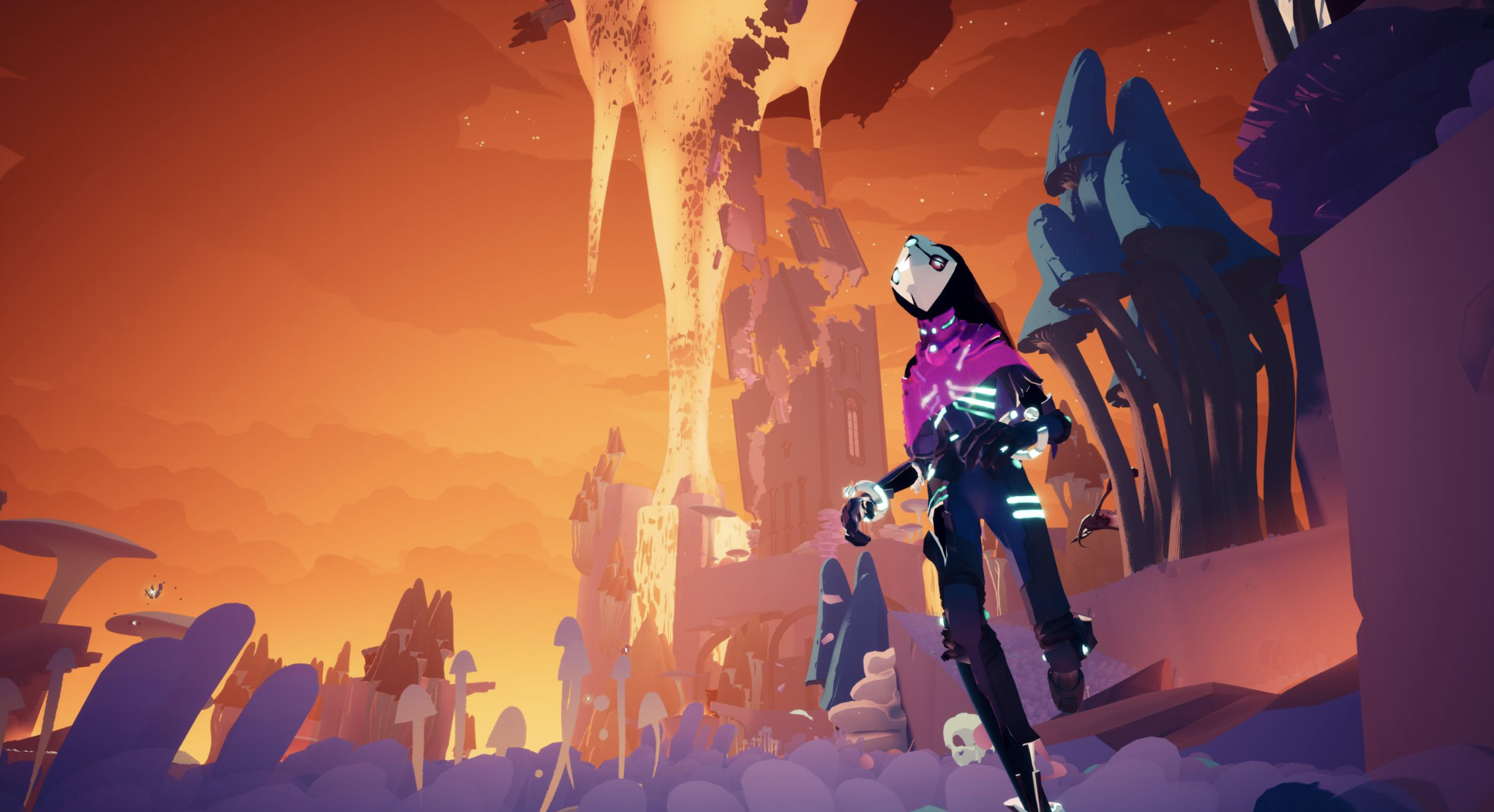
Its next major project, Solar Ash, moved into full 3D and focused heavily on movement, traversal and massive environments.
That was a significant change from the top-down pixel-art structure of Hyper Light Drifter.
The studio was clearly interested in experimenting with different genres and visual styles rather than turning its first success into a formula.
⚡ Hyper Light Breaker Added More Pressure
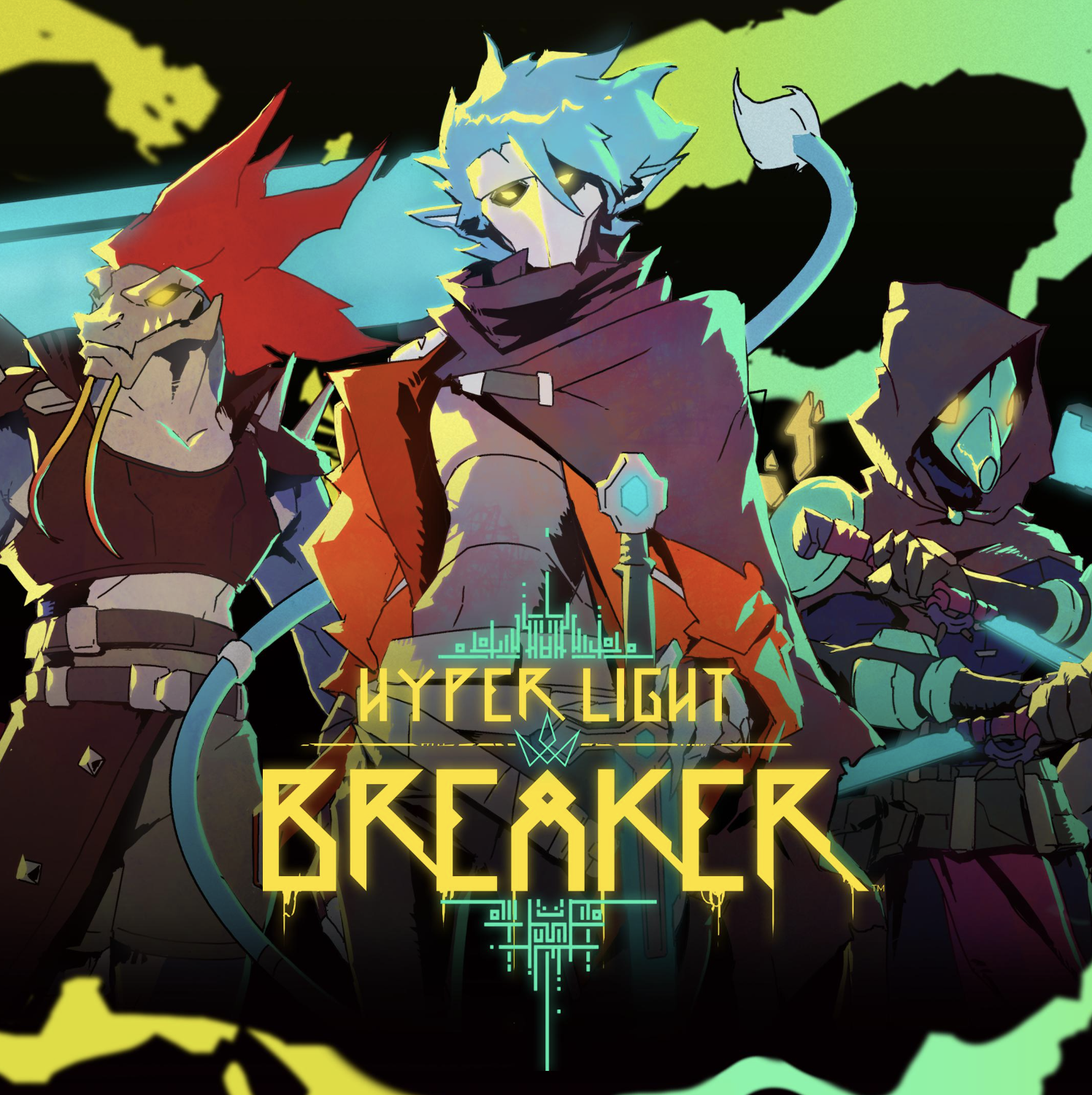
Heart Machine eventually returned to the Hyper Light universe with Hyper Light Breaker.
Unlike the original game, Breaker was designed as a 3D roguelite action experience with an emphasis on replayability and multiplayer.
The project entered Early Access, but development eventually stopped without reaching the full launch that had originally been envisioned.
That became another difficult chapter for the studio.
The game's trajectory also came during a period when Heart Machine was already dealing with broader financial and industry pressures.
🎨 Possessor(s) Was Another New Direction
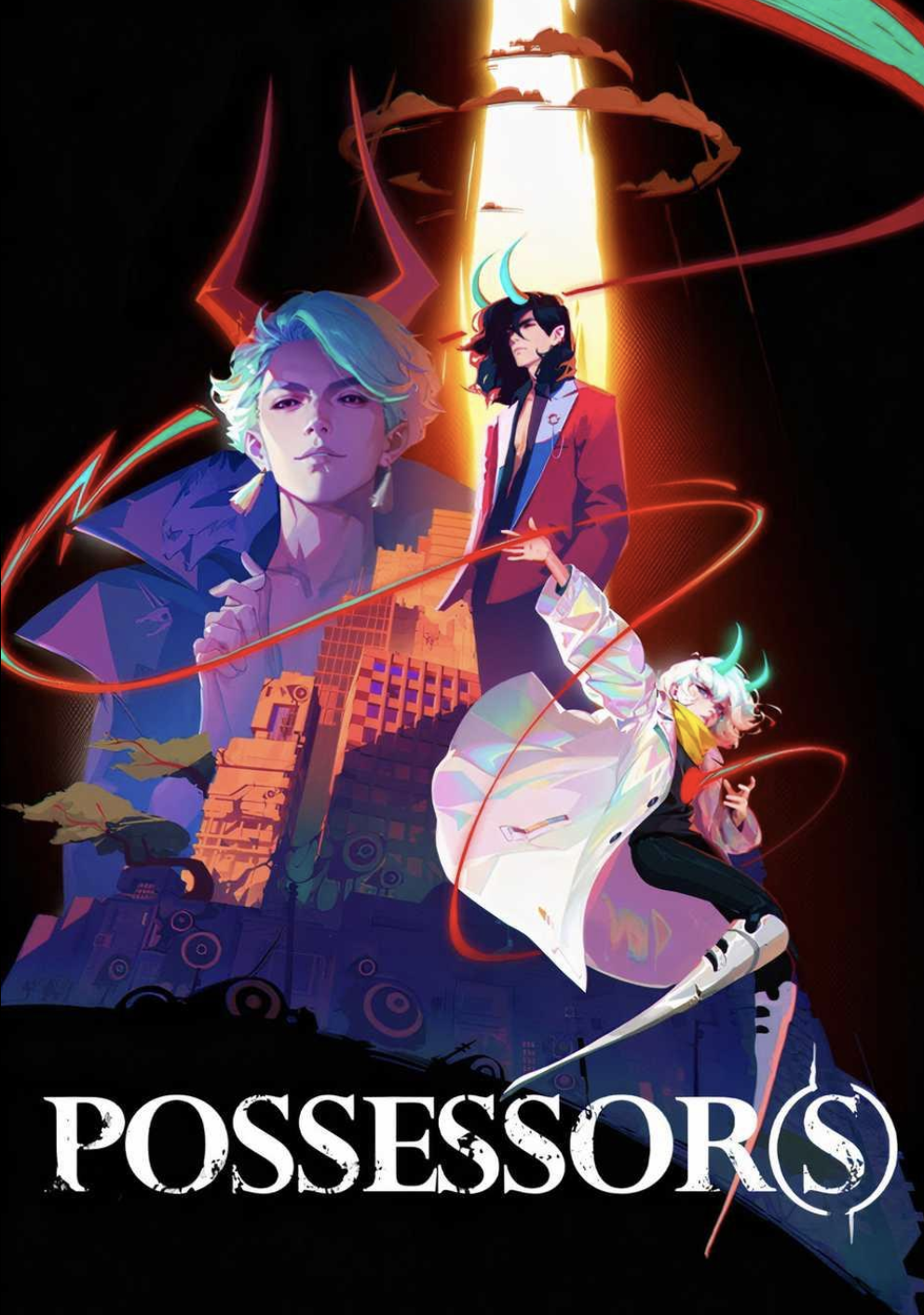
Heart Machine's most recent release, Possessor(s), once again moved into a different style.
The side-scrolling action game combined fast combat with interconnected environments and a darker visual identity.
It continued the studio's pattern of experimenting rather than simply producing another Hyper Light Drifter.
However, the release did not provide the kind of breakthrough that could have immediately solved the studio's wider financial problems.
💰 Why One Publisher Deal Can Matter So Much
The Heart Machine situation highlights a difficult reality of modern indie development.
A small studio does not necessarily have the financial reserves of a major publisher or AAA developer.
When a publisher funds an unannounced project, that money can effectively support the studio's employees while the game is being developed.
Lose that agreement and the consequences can arrive immediately.
The studio still has salaries to pay. Development costs remain. Office expenses and other operational costs do not suddenly disappear.
For Heart Machine, Preston said the publisher-backed project represented key income for the studio. Once that disappeared, there was no immediate replacement.
👥 The People Behind the Games Are the Ones Affected
The biggest impact of the announcement is not the loss of an unannounced game.
It is the number of people who suddenly lost their jobs.
Artists, programmers, designers, producers, writers and other developers who had spent years building games now have to look for their next opportunity.
Preston said Heart Machine would provide affected employees with as much support as possible, including assistance with finding new positions. He also asked companies with available roles to reach out so the studio could help connect those opportunities with the people who were laid off.
That makes this more than another canceled project story.
It is a large group of developers being forced to restart their careers because the financial foundation beneath their current project disappeared.
🏗️ The Bigger Problem With Indie Publishing
Heart Machine's situation also reflects a broader challenge facing independent studios.
Games increasingly require longer development cycles, even when they come from relatively small teams.
A studio might spend several years building a project before it generates any meaningful revenue.
That creates a difficult dependency on publishers and investors.
If funding continues, the team can keep building.
If funding disappears, the studio can suddenly face a situation where it has a game in development but no money to keep the people working on it.
For smaller studios, there may be very little room to absorb that shock.
📉 The Indie Industry Has Become Increasingly Difficult
Heart Machine is not the only developer to face this kind of uncertainty.
Across the games industry, studios have dealt with layoffs, project cancellations, restructuring and publishers becoming more selective about which games they are willing to fund.
For independent developers, those changes can be especially painful.
A large company may have several teams and projects to absorb a setback.
A small studio might have one major project keeping the entire company running.
Heart Machine's founder directly described the industry as increasingly challenging and said he is unsure how or if the studio will survive.
❓ What Happens to Heart Machine Now?
This is the biggest unanswered question.
Heart Machine has not officially announced that it is shutting down.
Instead, Preston has said the studio's future is uncertain and that the remaining team will continue trying to find a path forward.
There are also no public details about:
The identity of the publisher
The name of the unannounced project
How long the project had been in development
Whether the project could find another publisher
How many employees remain
Whether existing Heart Machine projects will receive further support
For now, there are more questions than answers.
💔 What This Means for Hyper Light Drifter Fans
For fans, the news inevitably brings attention back to Hyper Light Drifter.
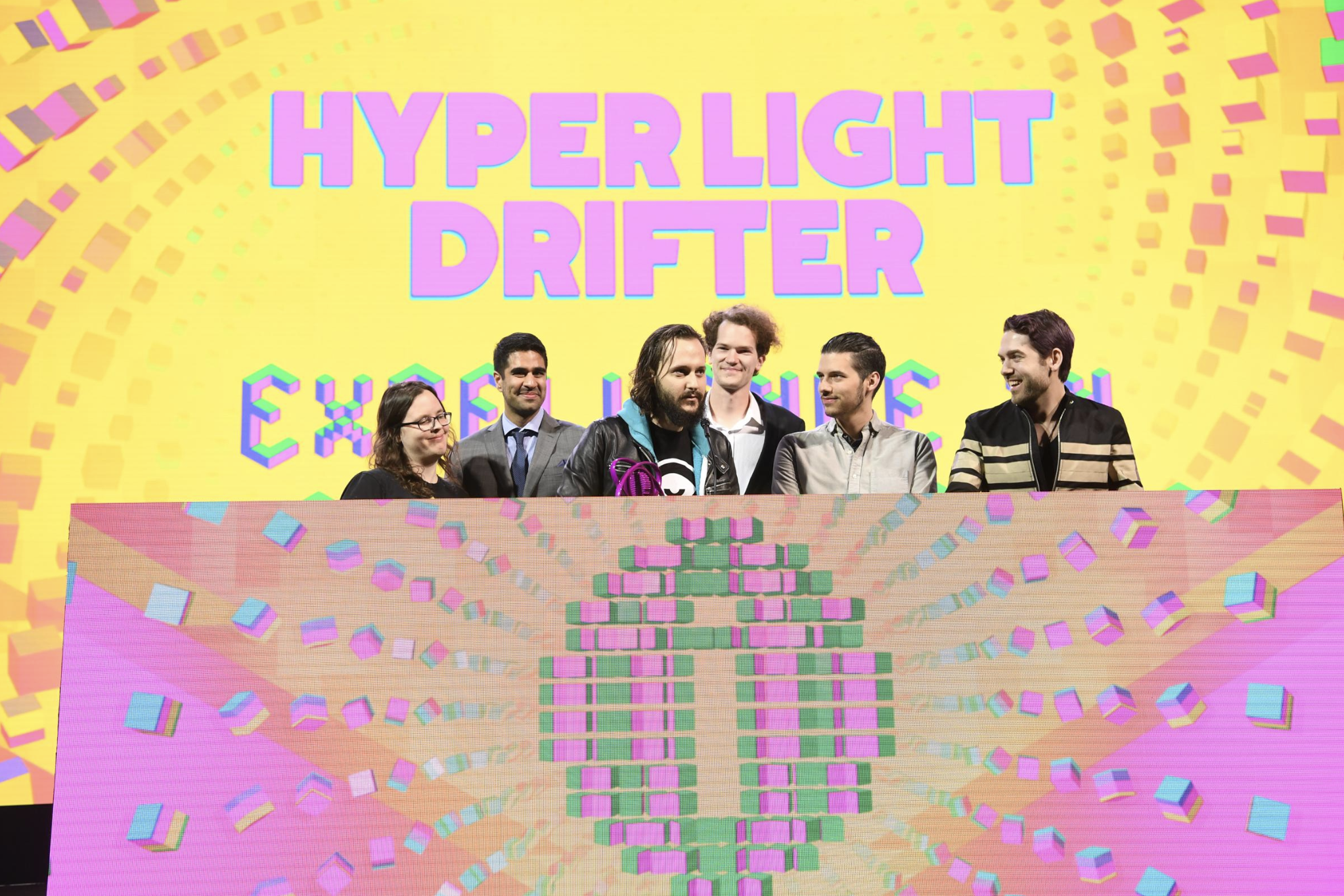
The game helped establish Heart Machine as a respected independent developer and created an audience that followed the studio's projects for years.
Solar Ash demonstrated that Heart Machine could move beyond its original formula.
Hyper Light Breaker attempted to expand the franchise into a larger multiplayer-oriented experience.
Possessor(s) showed another willingness to experiment.
Now, after years of development challenges, the people responsible for those games have been scattered by one of the most severe layoffs in the studio's history.
🔗 Read More
For the original statement from Heart Machine founder Alx Preston:
Alx Preston's original announcement
For additional reporting on the layoffs:
Game Developer's report on Heart Machine
For more details about the studio's current situation:
Gematsu's report on the layoffs
🎮 The Future Is Still Unclear
Heart Machine's story is not officially over.
The studio has not announced a permanent closure, and Preston says the remaining team will keep trying to find a way forward.
But the situation is undeniably serious.
A publisher-backed project disappeared, the funding supporting the studio disappeared with it, and nearly everyone working there lost their job.
For an indie developer known for taking creative risks, it is a painful reminder that making ambitious games is only one part of surviving the modern games industry.
Hyper Light Drifter gave Heart Machine a name.
What happens next will determine whether the studio gets the opportunity to build another chapter.