
🎮 Final Fantasy VII Revelation PC Version: Why Square Enix is Promising a Much Smoother Launch Than Rebirth
Final Fantasy VII Rebirth eventually became a strong PC release, but getting there was not completely smooth.
Square Enix had to issue multiple PC updates addressing stability, graphical quality, frame-rate improvements and other technical issues. Its March 2025 update, for example, specifically included stability fixes and improvements to frame rates and graphical quality.
With Final Fantasy VII Revelation, Square Enix appears determined to avoid repeating that experience.
Director Naoki Hamaguchi has now indicated that the PC version of the trilogy's final chapter should run significantly better than Rebirth. At the same time, one major PC technology question remains unanswered: DLSS 5.
🖥️ Learning From Final Fantasy VII Rebirth
The PC version of Rebirth was ambitious from the start.
Square Enix supported high-end hardware with resolutions up to 4K and frame rates of up to 120 FPS, while also trying to make the game playable across a much wider range of PC hardware.
But the game's enormous environments and demanding visuals created challenges.
That makes Rebirth an important learning experience for the development team.
For Revelation, Hamaguchi has reportedly said the developers are aiming for a much smoother PC experience than its predecessor.
That promise matters because Revelation is not becoming a smaller game.

🌍 Revelation Is Even More Ambitious
The technical challenge may actually be greater this time.
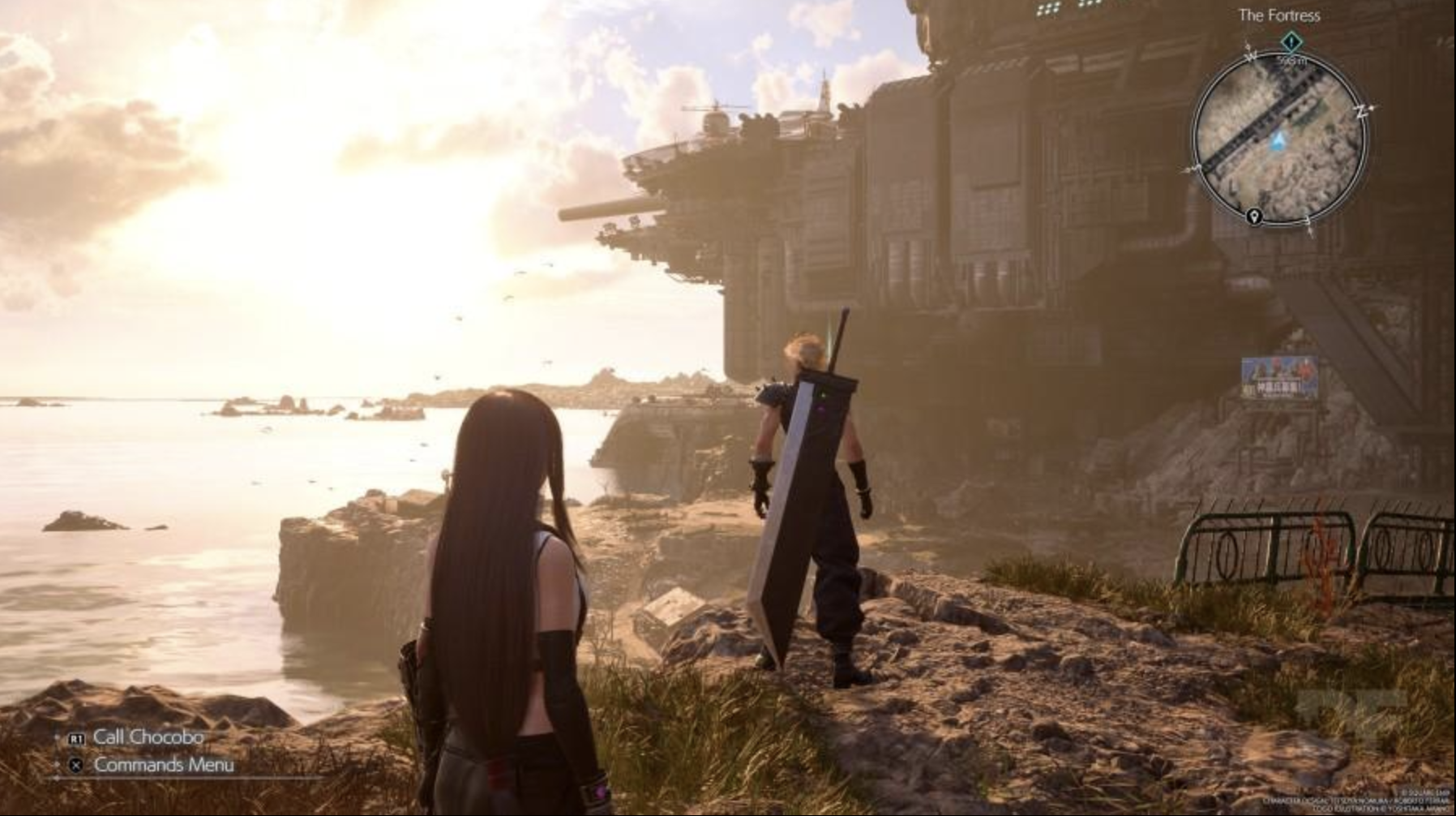
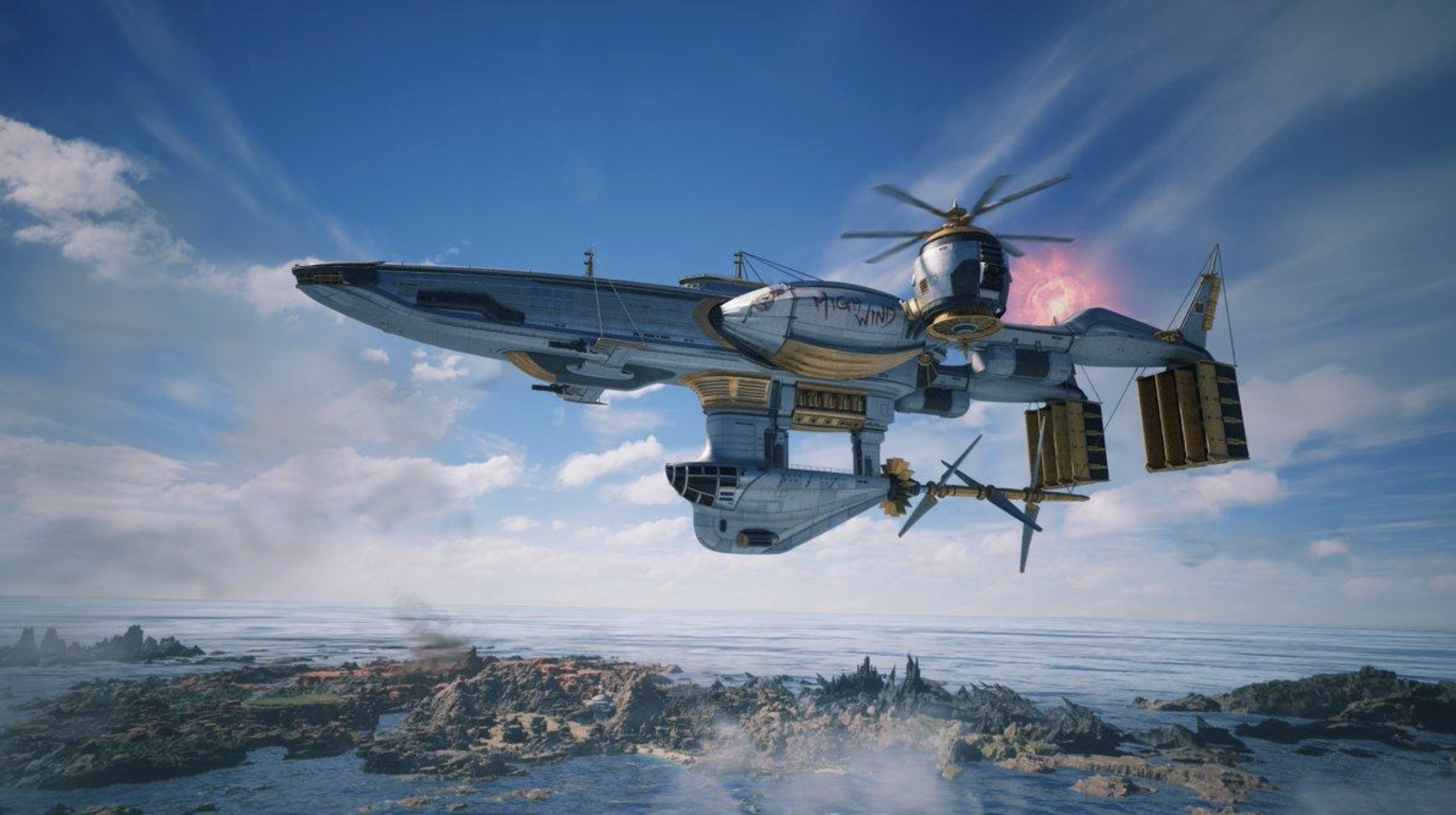
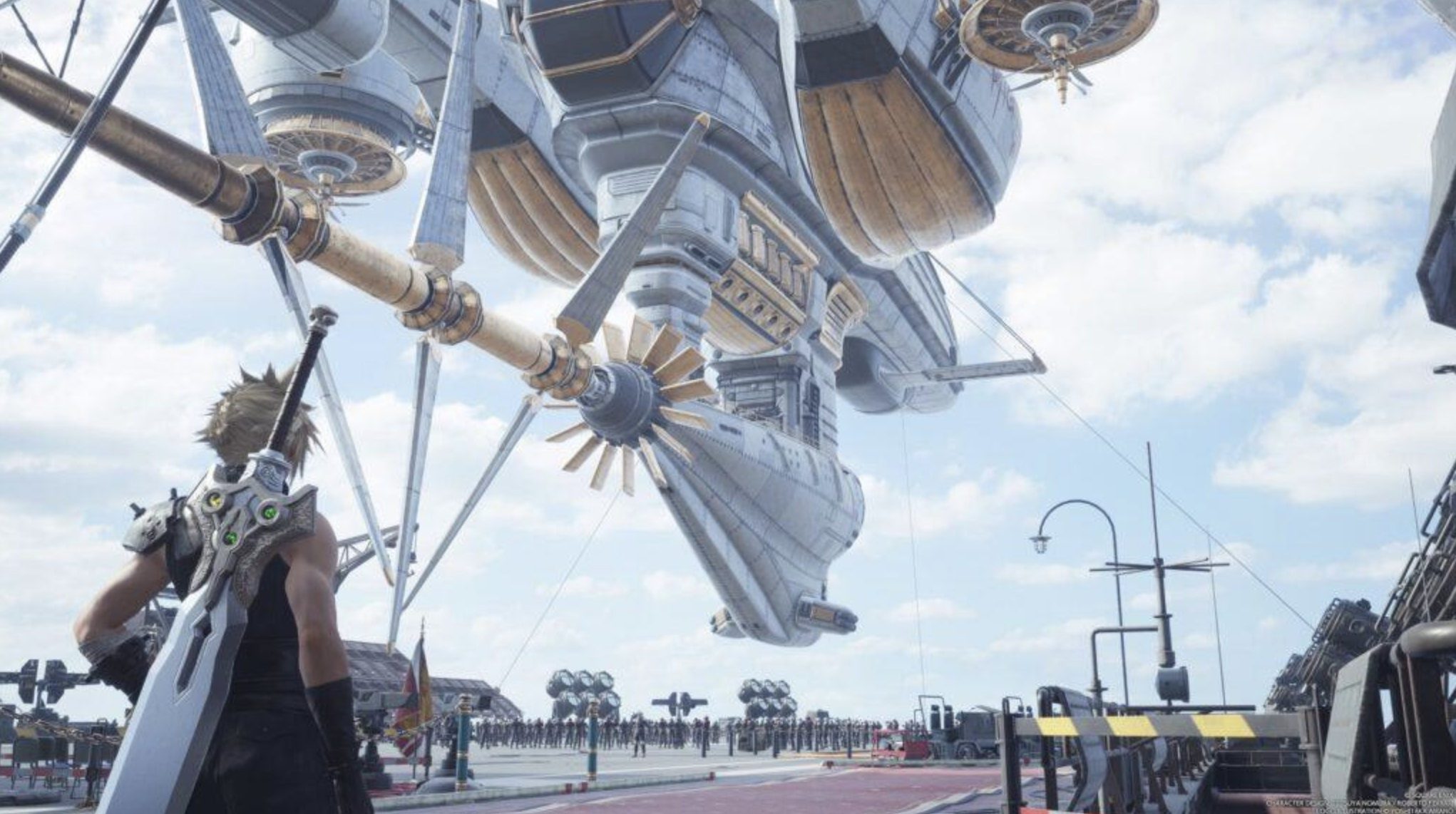
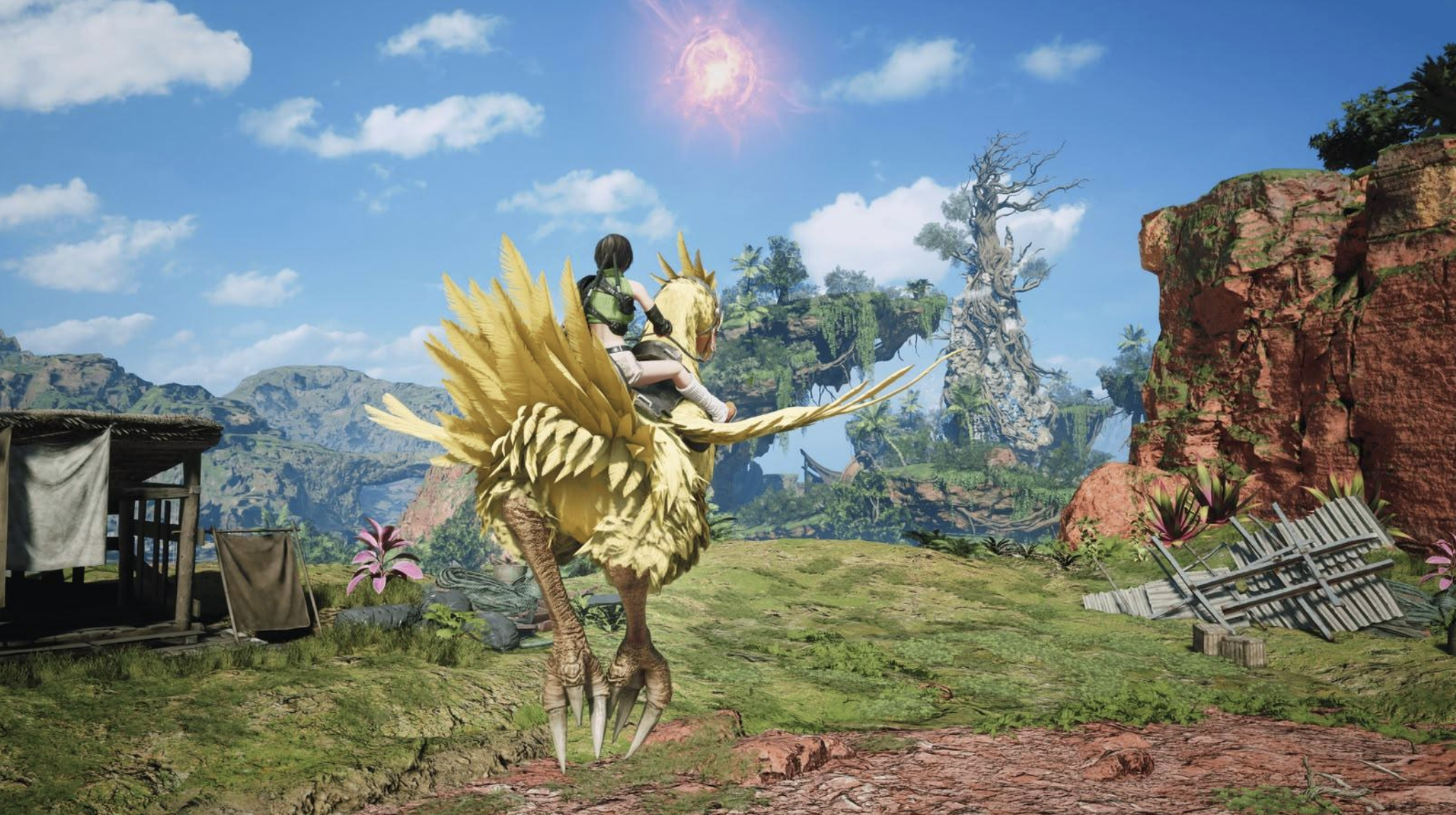
Square Enix is building Revelation around a huge world with Highwind airship exploration, expanded environments and more freedom to travel across the planet. The September gameplay reveal showed locations including Wutai, Mideel and the Northern Continent.
The Highwind is particularly important.
Instead of simply acting as a traditional vehicle, it is being used to open up planetary exploration on a much larger scale. That means the PC version needs to handle more than high-quality character models and combat effects.
It also has to stream a massive world smoothly.
That makes optimization one of the most important technical challenges facing the final game.
⚙️ What "Much Smoother" Actually Means
The promise of better optimization is encouraging, but it is still a promise rather than a complete technical specification.
Square Enix has not yet published the final PC system requirements for Revelation, nor has it provided a complete breakdown of every graphics feature that will be available at launch.
That means players should be careful about interpreting the current comments as a guarantee of specific frame rates.
A genuinely better PC version would ideally mean:
- More consistent frame times
- Better CPU and GPU utilization
- Reduced shader-compilation problems
- Fewer traversal stutters
- Better performance across different hardware configurations
- Stronger image-quality options
- More scalable graphics settings
Those details remain to be fully confirmed.
🤖 What About DLSS 5?
This is where things get particularly interesting.
NVIDIA's DLSS technology has become increasingly important for demanding PC games, especially those targeting high resolutions and frame rates.
However, there is currently no official confirmation that Final Fantasy VII Revelation will support DLSS 5.
Hamaguchi was reportedly asked about the technology and did not confirm it. That does not mean DLSS 5 will not be included. It simply means Square Enix has not officially committed to it yet.
That's an important distinction.
The game is still months away from its April 2027 release, so the final PC feature set could change.
🎮 Why PC Optimization Matters More This Time
Revelation is scheduled to launch simultaneously on PlayStation 5, Xbox Series X|S, Nintendo Switch 2 and PC on April 8, 2027.
That makes PC optimization part of the launch strategy rather than an afterthought.
Square Enix also has the benefit of experience from Rebirth.
The developers now know where the previous game struggled, what PC players expected from its graphics settings and which areas needed improvement after launch.
The goal should therefore be simple: make the PC version feel finished on day one.
🚀 The Highwind Could Be the Biggest Technical Test
The Highwind may ultimately tell us how successful Square Enix's optimization work really is.
The new game promises a much larger world, and players will be able to use the airship to travel across it.
Fast movement through a large open environment places significant pressure on asset streaming and CPU/GPU workloads.
If Square Enix can make that transition feel seamless on PC, it would be a major improvement over the technical concerns surrounding Rebirth.
And it would demonstrate that the team has learned from the previous release.
📅 When Does Final Fantasy VII Revelation Release?
Square Enix has officially confirmed April 8, 2027 as the release date.
The game will launch simultaneously on:
- PlayStation 5
- Xbox Series X|S
- Nintendo Switch 2
- PC via Steam
- Epic Games Store
- Xbox on PC
The PC version will therefore be available from day one rather than arriving later.
🔗 Official Final Fantasy VII Revelation Website
For the latest official trailers, release information and PC details, Square Enix's Final Fantasy VII portal is the best source.
Official Final Fantasy VII Portal


🎮 The Bottom Line
Final Fantasy VII Revelation has something to prove on PC.
Square Enix knows that Rebirth had technical issues that required post-launch fixes, and the development team is now promising a significantly smoother experience for the trilogy's finale.
The interesting part is that Revelation is arguably an even more demanding game. Its larger world, Highwind exploration and expanded gameplay systems could push PC hardware harder than ever.
As for DLSS 5, the situation is simple: it has not been officially confirmed yet.
If Square Enix delivers the optimization improvements it is promising, however, players may care less about the name of the upscaling technology and more about one thing: whether Revelation runs smoothly from day one.
Would you rather see Square Enix prioritize rock-solid PC performance or push the graphics as far as possible, even if it means higher hardware requirements?