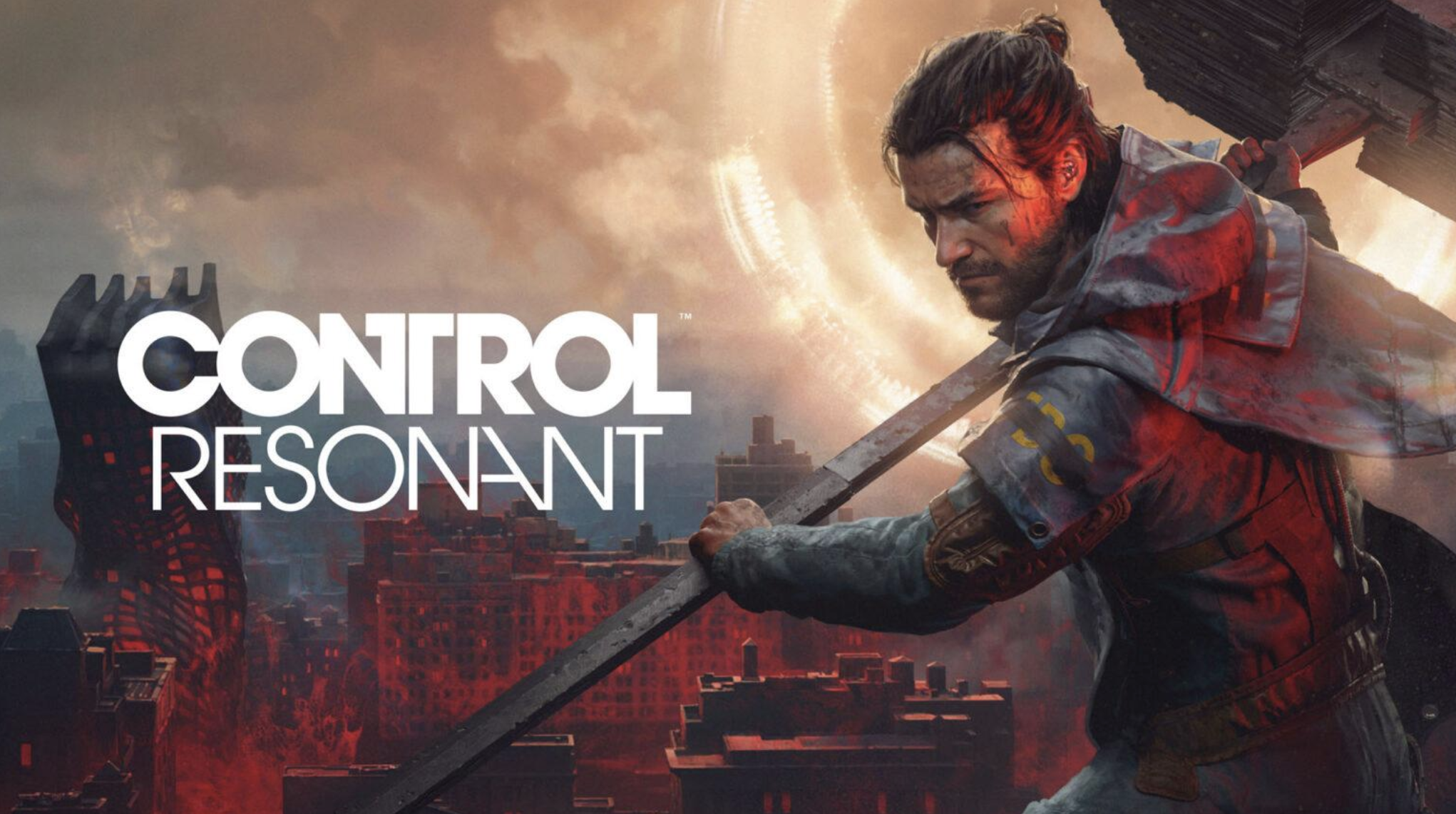

🎮 Control Resonant Reviews Are Live
Sequels usually have an easy formula: take what worked, make it bigger and avoid changing too much.
Remedy Entertainment clearly did not get that memo.
With Control Resonant, the studio has taken the 2019 original and pushed its formula in several major directions at once. The review embargo lifted on September 18, six days before launch, giving critics an early look at the full game.
The result is a sequel that keeps the strange atmosphere and paranormal storytelling of Control, while changing the protagonist, setting, traversal and combat philosophy.
And that gamble is exactly what has dominated the reviews.

🧑🦱 Jesse Is Out. Dylan Is In.
The biggest immediate change is the protagonist.
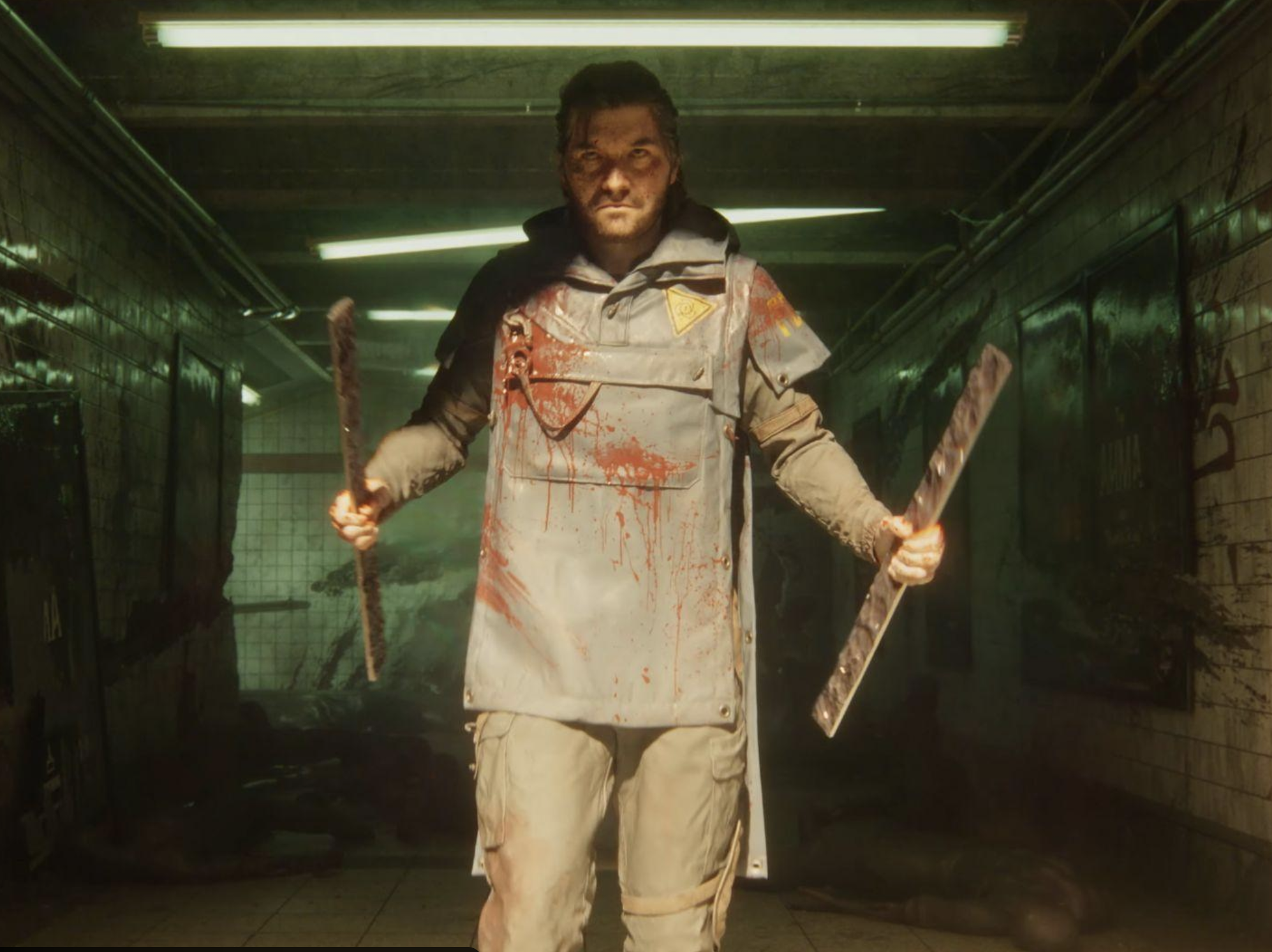
Instead of returning as Jesse Faden, players take control of Dylan Faden, Jesse's brother. Dylan emerges after years of containment and finds himself dealing with a paranormal crisis that has spread far beyond the Oldest House.
That change gives Remedy room to tell a different kind of Control story.
Dylan is not simply a replacement for Jesse. His personality, history and relationship with Jesse become important parts of the narrative, giving the sequel a different emotional center.
Several reviews have specifically praised the character work and voice performances, even when their opinions on other parts of the game differ.
🏙️ The Oldest House Has Been Left Behind
The original Control was heavily defined by the mysterious Oldest House.
Resonant breaks away from that structure.
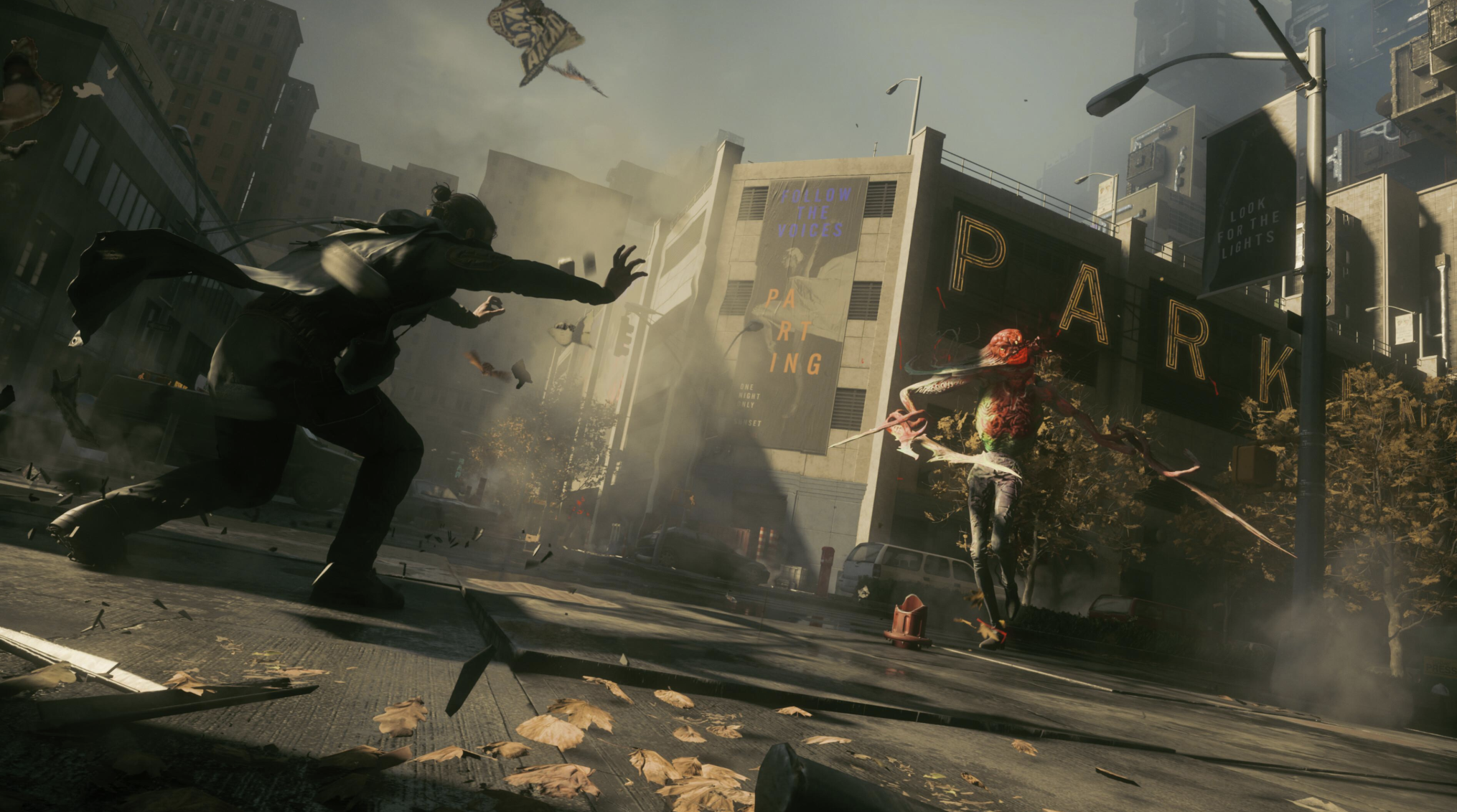
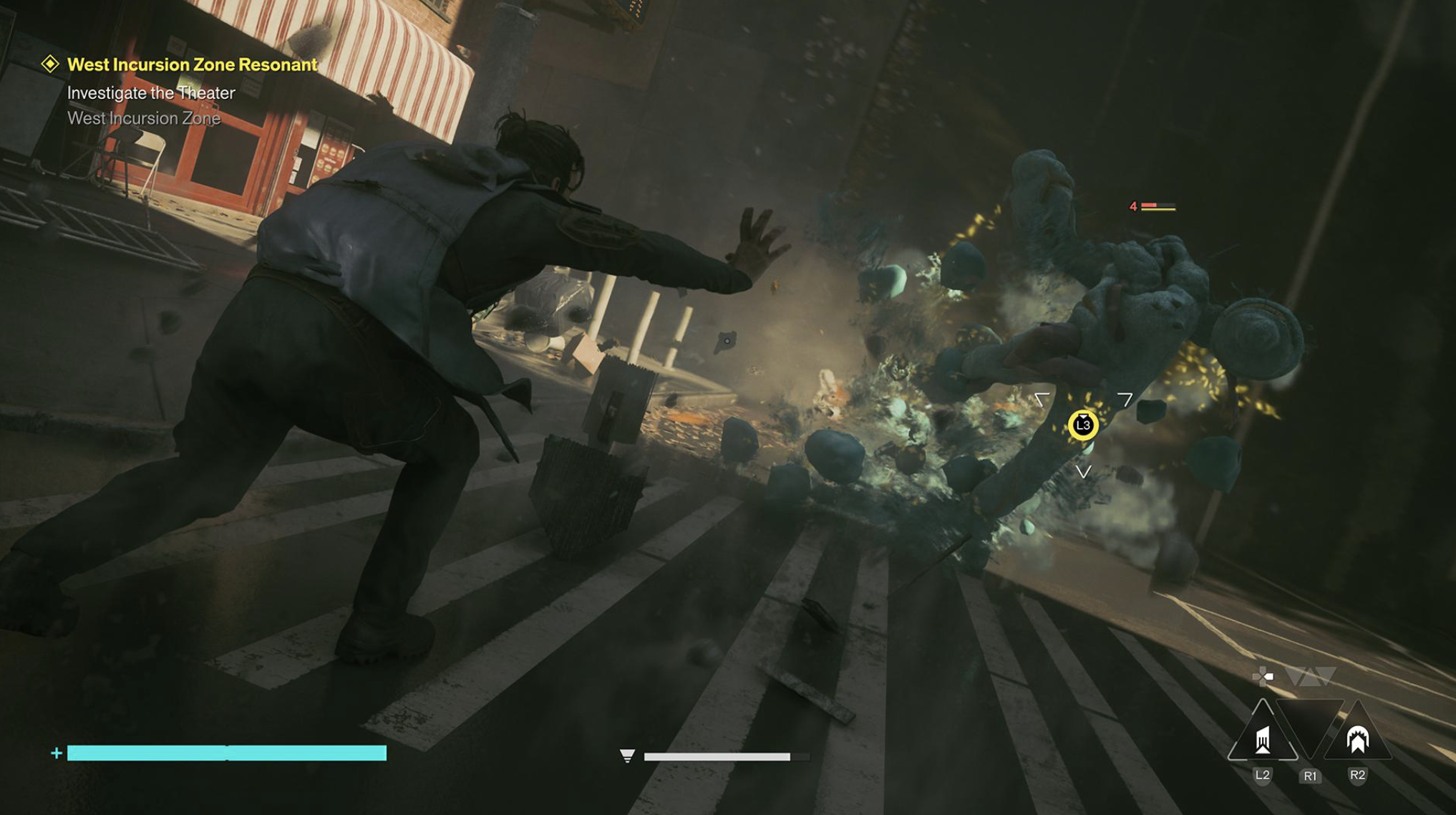
The sequel moves into a distorted version of Manhattan, turning a much larger urban environment into the backdrop for its paranormal story.
This is one of the biggest reasons critics describe Resonant as a major departure.
Instead of repeatedly navigating the strange architecture of one enormous building, players explore a broader world filled with altered locations, supernatural threats and side stories.
TechRadar praised the open-ended exploration and visual design, while PC Gamer highlighted the game's environmental storytelling and bizarre version of Manhattan.
🥊 Remedy Completely Reworked the Combat
Perhaps the most noticeable mechanical change is the heavier focus on melee combat.
The first Control became known for its combination of supernatural powers and telekinetic gunplay. Resonant takes that foundation and puts considerably more emphasis on close-range combat, movement and supernatural abilities.
Reviews have noticed the difference immediately.
One review praised the new dynamic combat system and melee focus, while another argued that the combat does not always match the quality of the game's world and storytelling.
That split is important.
The sequel is not simply giving players more weapons and abilities. It is asking them to approach encounters differently.
🌀 Movement Is a Much Bigger Part of the Game
Traversal has also received a major upgrade.
Dylan gains abilities that allow him to move around the environment in ways that go beyond conventional running and jumping, including hovering and other supernatural movement options.
That mobility works particularly well with the larger environment.
Instead of treating the world as a collection of rooms connected by corridors, Resonant encourages players to think vertically and explore spaces more freely.
TechRadar specifically praised the smooth traversal mechanics, while PC Gamer highlighted Dylan's evolving mobility powers as one of the game's strengths.
👁️ The Weirdness Still Matters
For all the changes, Remedy has not abandoned what made Control distinctive.
The paranormal world, bizarre environments and strange storytelling remain central to the experience.
Game Informer's review in progress noted that moving beyond the Oldest House allows Remedy to create even stranger situations, while the game's side stories were singled out as particularly memorable.
That may be the most important part of the sequel's identity.
The world is bigger, but it is still unmistakably a Remedy world.
📖 Reviews Are Split on the New Direction
The overall reception has been positive, but critics are not completely aligned.
The strongest praise tends to focus on:
Environmental design
Exploration
Visual presentation
World-building
Dylan's character
Traversal
Supernatural gameplay
The more critical reactions tend to focus on:
Combat balance
Enemy durability
Progression
Pacing
The move toward a more conventional open-world structure
PC Gamer praised the world-building and narrative while criticizing aspects of the combat and progression. The Guardian similarly argued that the move toward a more conventional Manhattan setting loses some of the unusual charm of the original.
At the same time, VGC described the genre shift as a bold move that successfully paid off, while TechRadar praised the larger world and exploration.
📊 What the Early Scores Tell Us
The early aggregate reception sits in the mid-80s, with Metacritic and OpenCritic both landing around that range as reviews accumulated.
More interesting than the number itself is the spread of opinions.
Some reviewers have treated Resonant as a successful reinvention of the franchise, while others believe its more conventional open-world design and combat changes weaken some of the qualities that made the original Control special.
That makes the critical conversation less about whether Remedy simply made a good sequel and more about whether players enjoy the direction the series has taken.
🔥 Why This Sequel Is So Different
The biggest changes can be summarized pretty simply:
| Control | Control Resonant |
|---|---|
| Jesse Faden | Dylan Faden |
| Oldest House | Paranormal Manhattan |
| Shooter-focused combat | Heavier melee focus |
| More contained environments | Larger open-world structure |
| Telekinetic abilities | Expanded powers and traversal |
| Metroidvania-style exploration | More open exploration |
This is not a sequel designed around repeating the original game's formula.
It is a sequel designed around expanding it.
🚀 The September 24 Launch
Control Resonant launches on September 24, 2026 for PC, PlayStation 5 and Xbox Series X|S.
Remedy has also confirmed multiple PS5 performance options, including performance, quality and balanced modes, alongside DualSense features.
The launch therefore represents more than another entry in the series. It is the point where players can finally decide whether Remedy's much larger and more experimental interpretation of Control works for them.
🎯 Final Take
Control Resonant does not feel like a sequel interested in playing it safe.
Remedy changed the protagonist, moved the action into Manhattan, expanded the world, rebuilt traversal and pushed melee combat much further. The reviews show that those decisions have produced both strong praise and meaningful criticism.
The important takeaway is that Resonant isn't simply trying to be more Control.
It is trying to figure out what Control can become next.
And with launch day arriving on September 24, players are finally about to find out whether that ambition can carry the series into its next era.