
Claude Fable 5.1 vs Mythos 5.1: Anthropic Just Changed the AI Game
Anthropic didn't just release another Claude update.
It released two versions of essentially the same model-and deliberately gave them very different levels of access.
Claude Fable 5.1 is now generally available for demanding coding and knowledge work.
Claude Mythos 5.1, meanwhile, is being kept behind a much smaller gate for vetted organizations working in areas such as cybersecurity and biology.
And that difference tells us something important about where frontier AI is heading.
🧠 Fable 5.1 Is Built for Long-Horizon Work
Anthropic is positioning Fable 5.1 for tasks that don't end after one prompt.
The model is designed for long-running agentic work, including complex coding projects, multi-step research, document analysis, and workflows that can span hours.
It has a 1-million-token context window and can generate up to 128,000 tokens in a response.
That makes the pitch pretty straightforward:
Instead of asking Claude to solve one problem...
You give it a project.
It can plan the work, use tools, recover when something goes wrong, and continue working toward the larger goal.
💰 The Interesting Upgrade Isn't Just Intelligence
One of the more interesting parts of Fable 5.1 isn't a benchmark score.
It's cost.
Anthropic kept the base input and output pricing at $10 and $50 per million tokens, respectively, but cut cache-read pricing to $0.25 per million tokens.
Anthropic says that can reduce typical workload costs by around 25%, with highly agentic workloads potentially costing up to 45% less than Fable 5.
That's important because long-running AI agents can make enormous numbers of model calls.
If companies want AI agents working for hours rather than minutes, the economics matter almost as much as intelligence.
And Anthropic clearly knows it.
🧬 Then There's Mythos 5.1
Here's where things get much more interesting.
Claude Mythos 5.1 is essentially the same underlying model as Fable 5.1.
The major difference is the safeguard and access layer.
Mythos is designed for advanced work in areas including cybersecurity and biology, where greater capability can also create greater risks.
That's why Anthropic isn't simply putting Mythos on Claude for everyone.
Access is currently limited to vetted organizations through trusted-access programs.
The model has the same 1M-token context window, 128K maximum output, and $10/$50 token pricing as Fable 5.1.
So the distinction isn't:
Smart model vs smarter model.
It's closer to:
Same frontier capability, different level of access.

🛡️ Why Anthropic Is Splitting the Models
This may actually be the most important part of the announcement.
Anthropic says Mythos-level capabilities in areas such as cybersecurity and biology could potentially be misused to create serious harm.
So instead of releasing the most capable version without restrictions, Anthropic is creating a controlled-access path.
Fable 5.1 gets more precise safeguards.
For example, Anthropic says Fable can now identify software vulnerabilities, while safeguards still prevent penetration testing and exploit generation. Its biology safeguards have also been adjusted to reduce unnecessary intervention on benign requests.
That creates an interesting model for the future:
Capability doesn't necessarily determine availability.
Two users can technically be interacting with the same underlying intelligence while receiving very different levels of access.
⚔️ What Does This Mean for the AI Race?
This launch isn't happening in isolation.
The frontier AI competition is increasingly moving away from:
"Which chatbot gives the best answer?"
and toward:
"Which model can actually do the work?"
Coding.
Research.
Browser use.
Document processing.
Long-running agents.
Enterprise workflows.
That's exactly where Fable 5.1 is positioned.
Anthropic's own documentation recommends Fable 5.1 for demanding reasoning and long-horizon agentic work, while suggesting Opus 5 for most workloads.
So the company isn't simply trying to make Claude answer questions better.
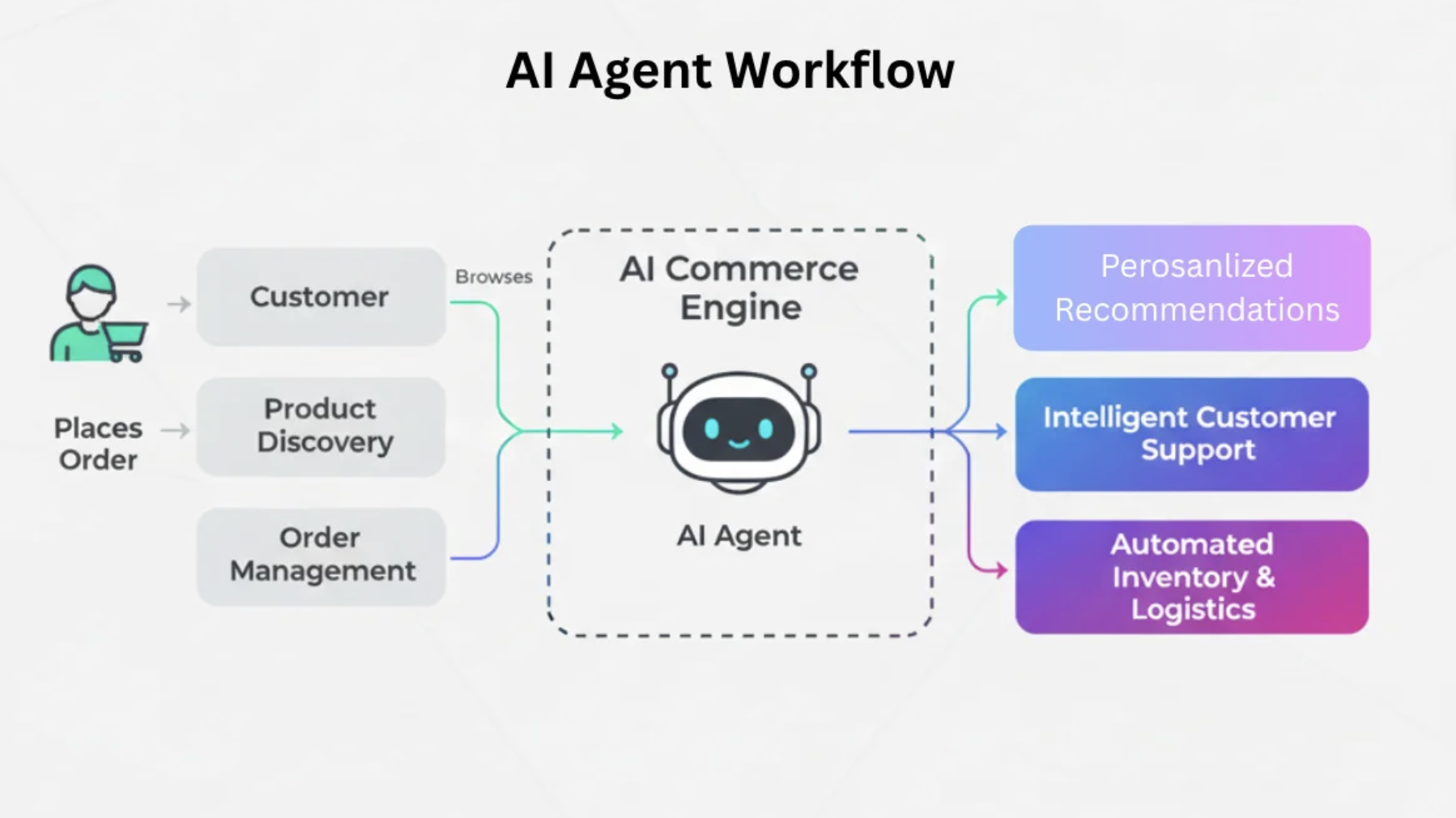
It's trying to make Claude operate as a worker.



Comments
Sign in to join the conversation
Sign inNo comments yet
Be the first to share your thoughts!