
Channel Obfuscation Explained: Why Your Bots Can No Longer See Hidden Channels
Discord Is Making Hidden Channels Actually Hidden
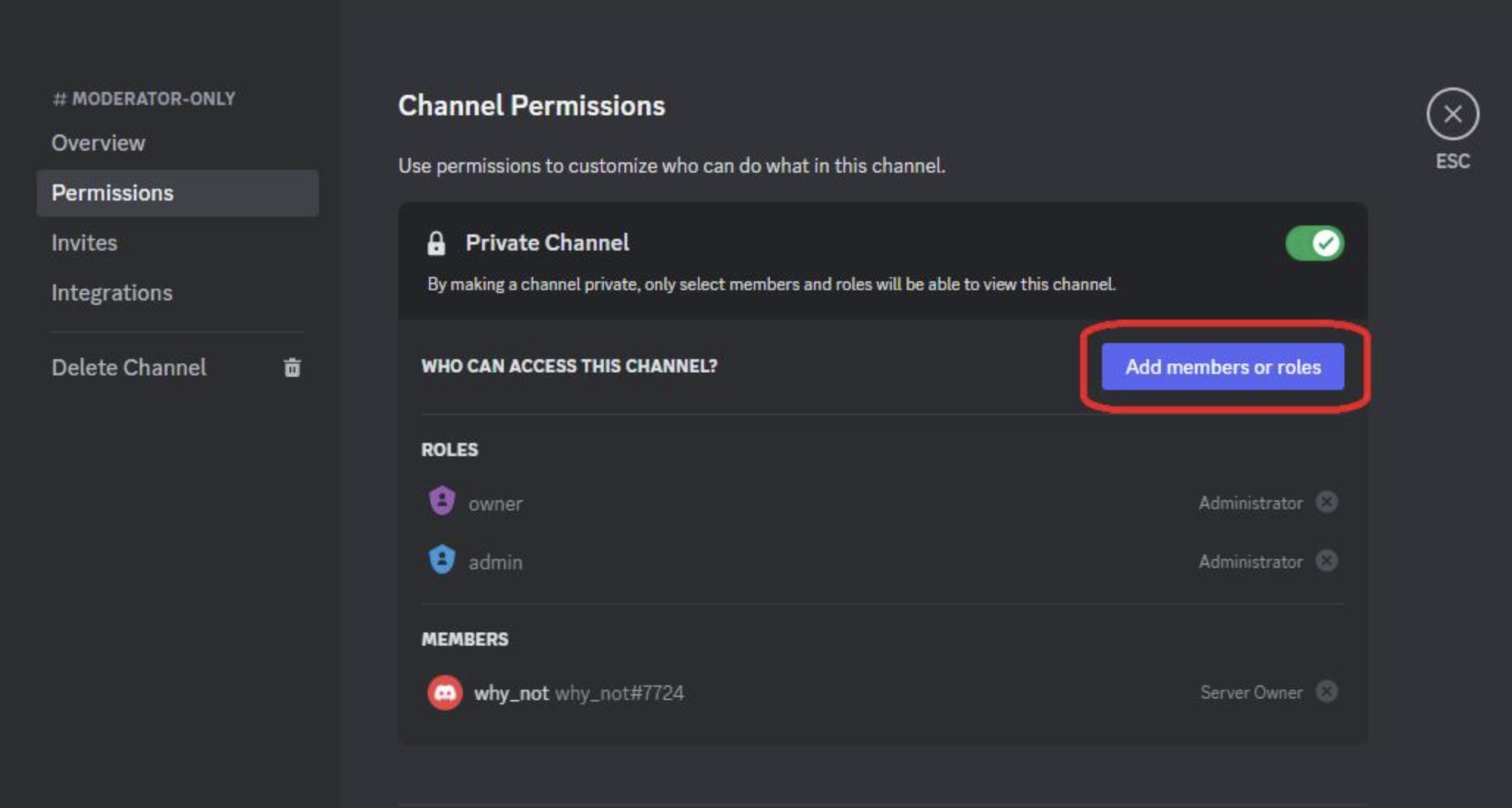
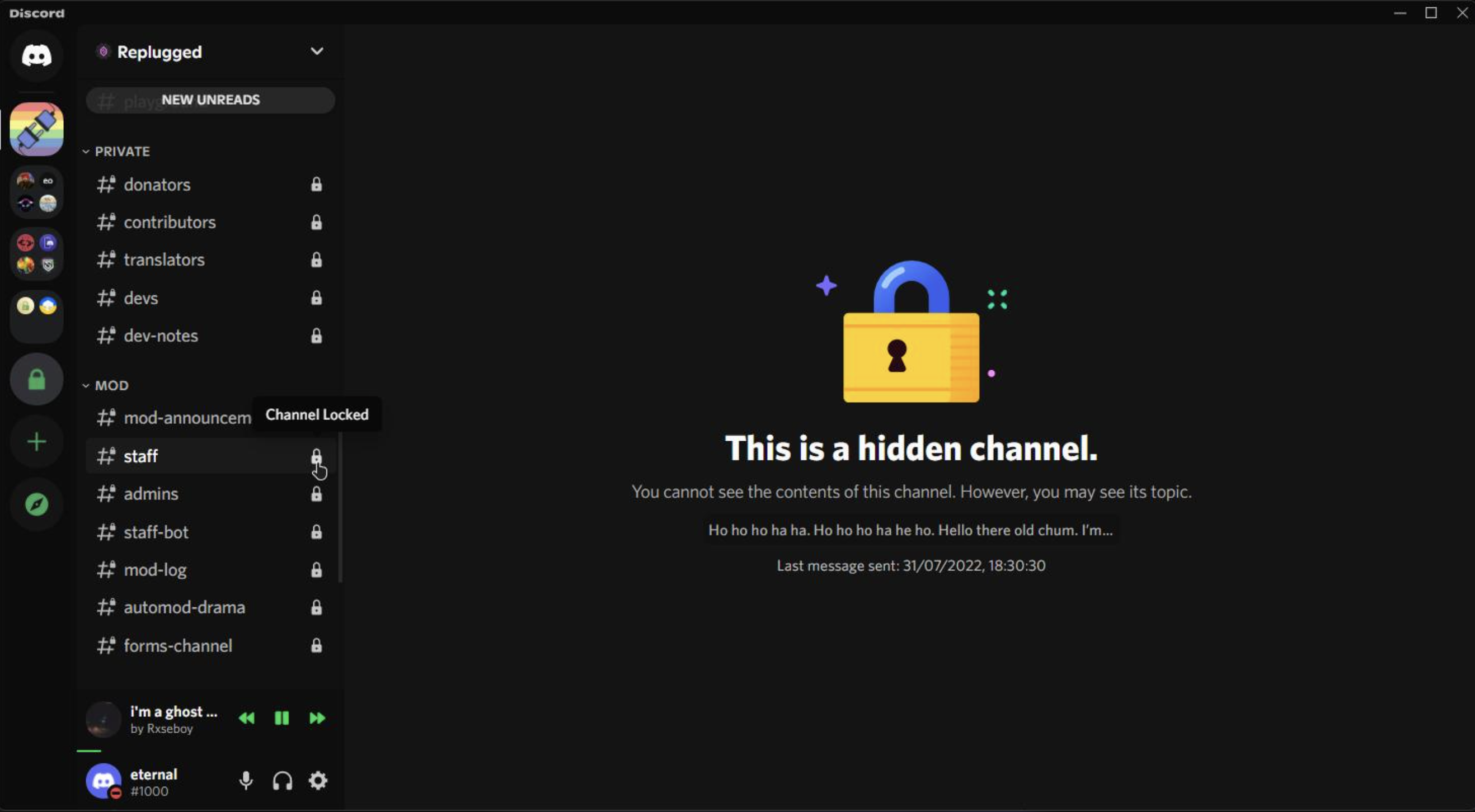
For years, Discord's permission system could hide a channel from a user in the normal interface while API responses could still reveal that the channel existed.
That distinction is changing.
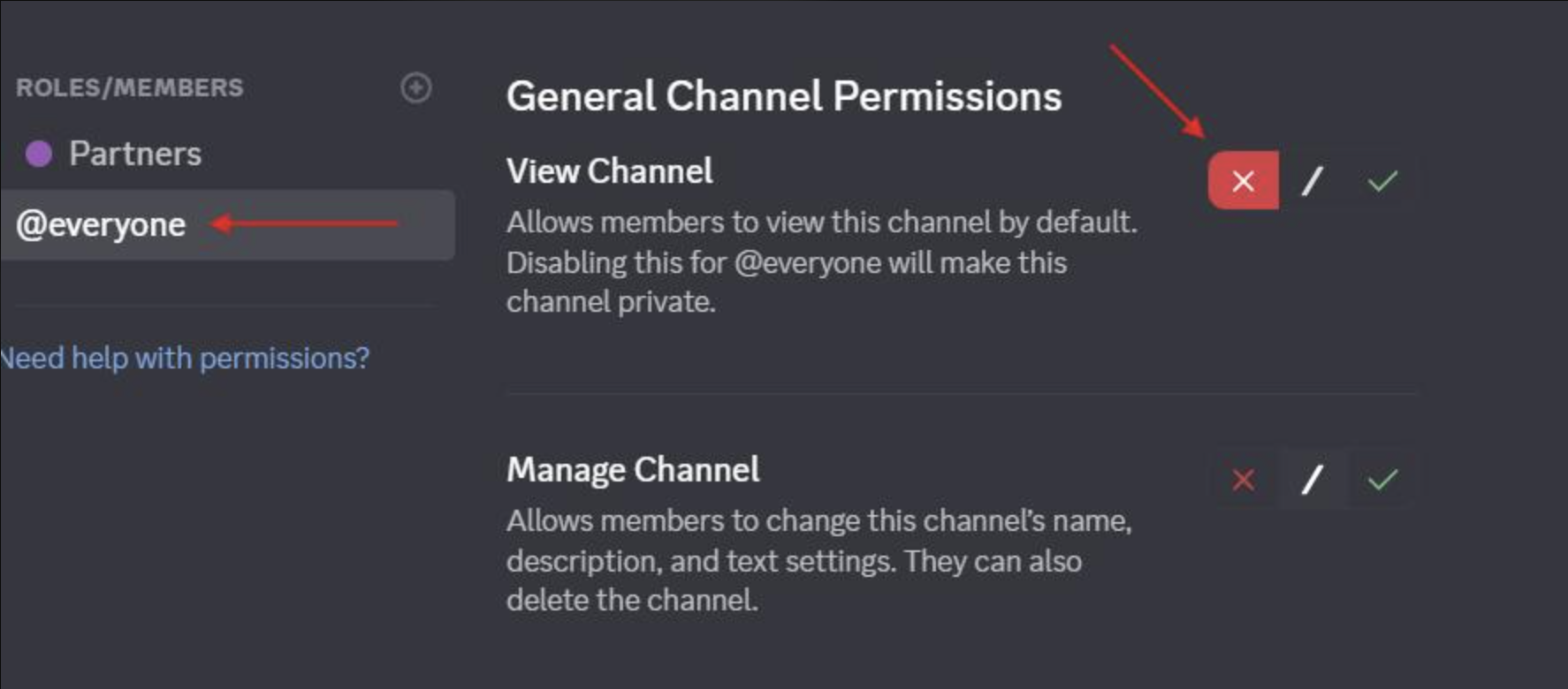
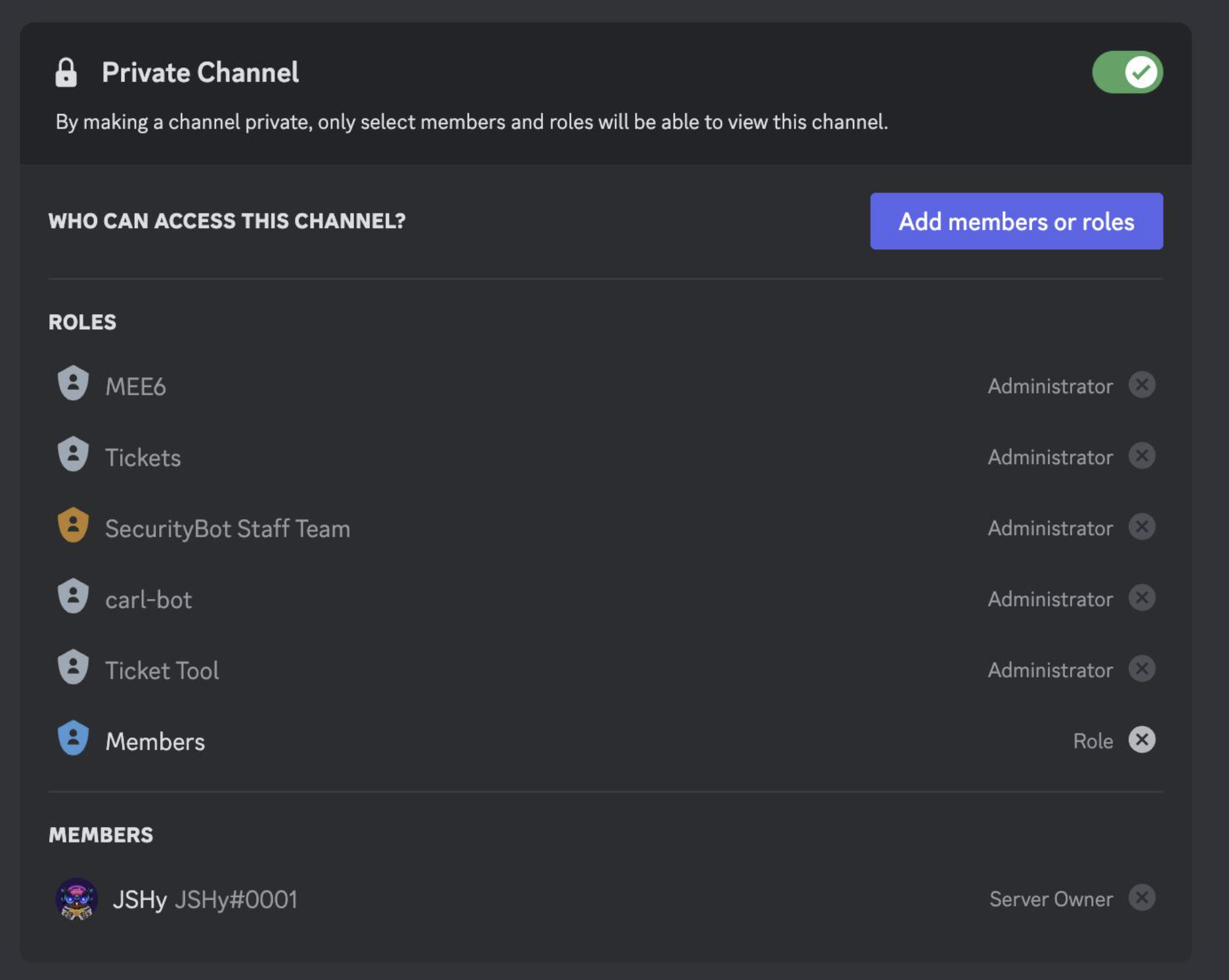
Discord's channel permission system already uses View Channel to determine whether someone can see a channel. When disabled, Discord says the channel becomes invisible rather than simply appearing locked. Discord Support
Now the API is moving closer to that same privacy model.
For developers, that means a channel that a bot cannot access shouldn't be expected to appear when it retrieves a guild's channel list.
What Changed?
The important endpoint is:
GET /guilds/{guild.id}/channels
Previously, developers could potentially receive channel objects for channels the bot could not actually view.
With channel obfuscation, inaccessible channels are omitted from the response.
So instead of receiving something like:
#general
#staff
#admin
#moderation
a bot without access to the private channels may simply receive:
#generalThe API doesn't need to tell the bot that #staff, #admin, or #moderation exist.

Why This Matters for Bots
This is bigger than a cosmetic API change.
Many bots use the guild channel endpoint to:
- Build channel selectors
- Generate dashboards
- Cache server structure
- Create moderation tools
- Synchronize channel lists
- Let administrators choose where a bot should operate
Developers can no longer assume that the returned channel list represents every channel in the server.
It represents the channels that are available to that API client.
Discord's broader developer policy also requires applications to respect privacy and security features rather than bypassing them. Discord Support
Permission Is Now Part of Discovery
The important distinction is:
Server membership ≠ channel visibility
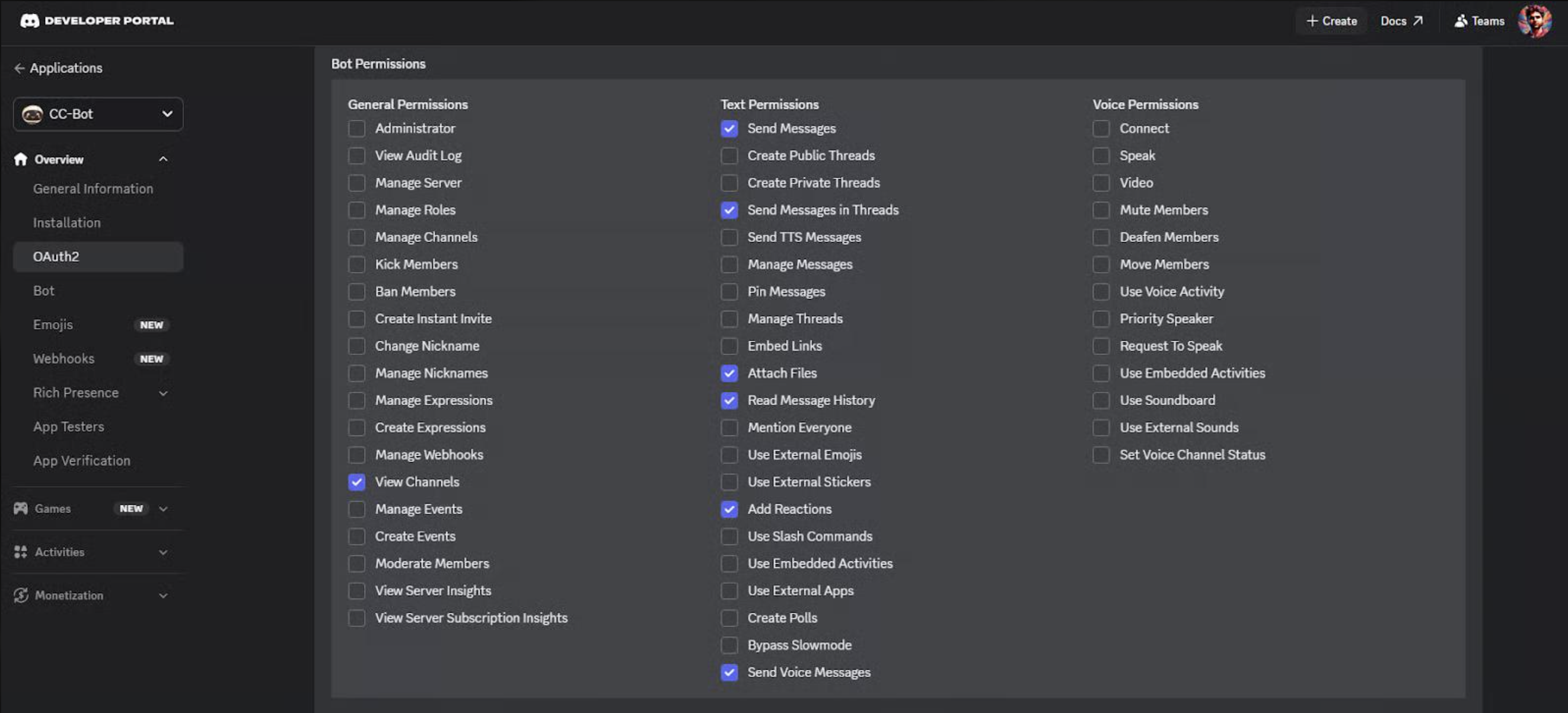
A bot can be installed in a server without having access to every channel.
Discord's permission system allows channel-specific overrides, meaning access can differ between roles, members, and individual channels. Discord Support
This makes the API response more privacy-aware.
If the bot cannot view a channel, developers should design their applications as if that channel doesn't exist.
What Developers Need to Change
If your bot relies on /guilds/{guild.id}/channels, audit assumptions like:
"Every server channel will be returned."That assumption is no longer safe.
Instead:
- Treat the response as the bot's accessible channel set.
- Don't assume a missing channel ID means the channel was deleted.
- Don't build private-channel discovery mechanisms.
- Re-check permissions when performing channel operations.
- Handle missing channels gracefully in cached data.
Why Discord Is Doing This
This is fundamentally a privacy improvement.
Discord has explicitly said privacy and safety are priorities around bot data access, and its bot data-access model already limits what information different applications can access. Discord Support
The API should ideally follow the same principle as the Discord client:
If you aren't allowed to see it, the API shouldn't casually reveal that it exists.
🎮 The Bottom Line
Channel obfuscation changes an important developer assumption: the guild channel endpoint is no longer something bots should treat as a complete map of the server.
For bot developers, the fix is simple: build around accessible channels and permissions, not the assumption that every channel will be returned.
Have you had a Discord bot break because it expected to see every channel in a server?
Comments
Sign in to join the conversation
Sign inNo comments yet
Be the first to share your thoughts!