
Building for the Voice Channel: The Discord Embedded App SDK
Discord Is Turning Voice Channels Into App Platforms
For years, Discord bots mostly lived in text channels.
You typed a command.
/play
/poll
/translate
The bot responded.
That model still works, but Discord has been building something much more interactive.
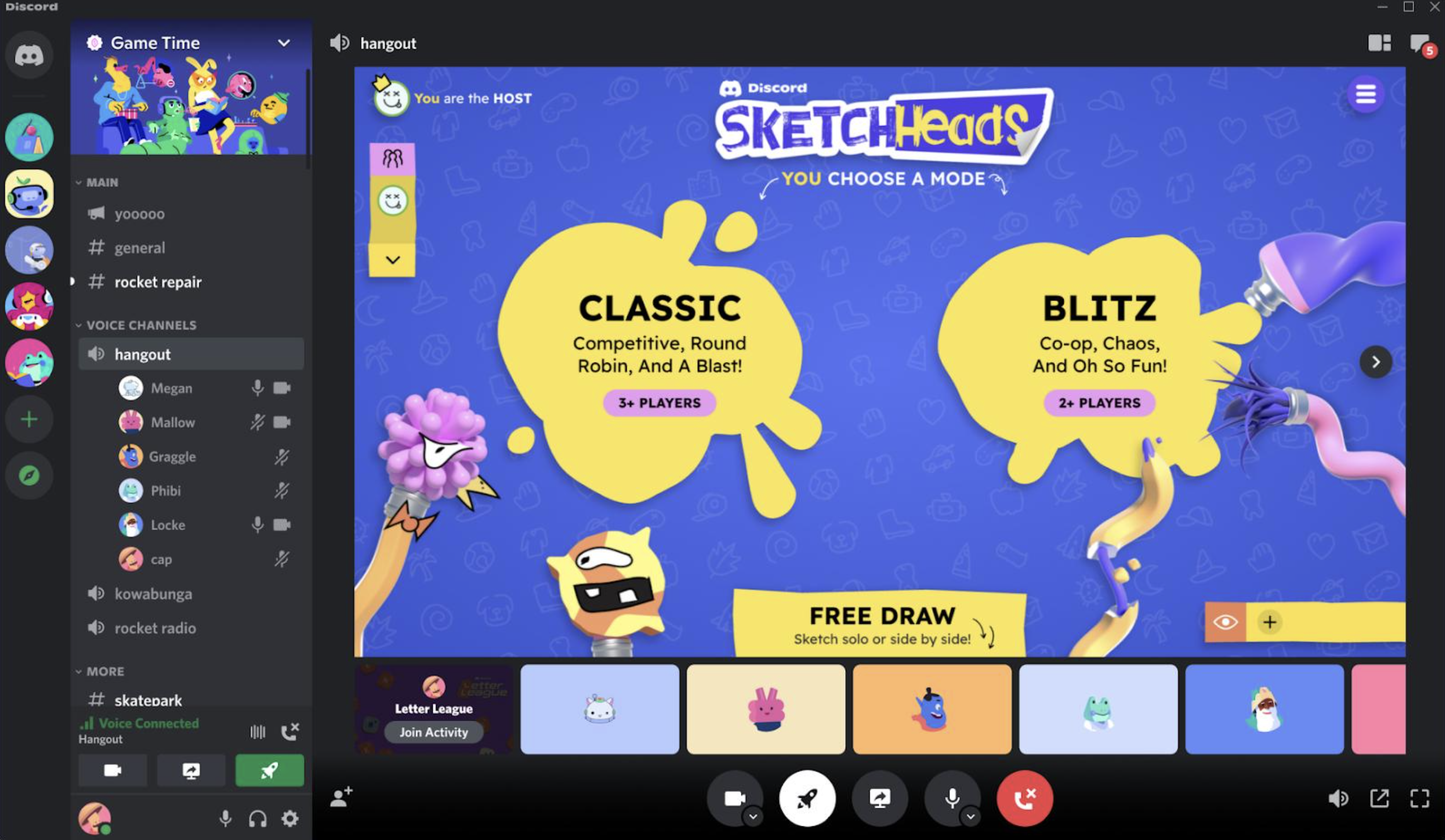
Instead of simply responding to messages, applications can now run directly inside Discord.
That's where the Discord Embedded App SDK comes in.
The SDK allows developers to build web applications that run inside Discord and interact with the Discord environment. This opens the door to multiplayer games, collaborative experiences, shared canvases, productivity tools and other interactive applications that users can launch while hanging out in a voice channel.
The result is a very different kind of Discord experience.
You're no longer just talking while an app runs somewhere else.
The app can become part of the conversation.
What Is the Embedded App SDK?
The Embedded App SDK is Discord's toolkit for developers who want to build applications that run inside Discord.
Instead of forcing users to open another browser tab, developers can create an experience designed to run within Discord's embedded environment.
The application can interact with Discord's environment and, depending on the capabilities being used, access information and functionality associated with the current Discord session.
This makes the SDK particularly interesting for applications designed around shared experiences.
Think:
- Multiplayer games
- Collaborative whiteboards
- Watch-together experiences
- Interactive quizzes
- Social games
- Shared canvases
- Productivity tools
- Educational applications
- Other real-time web experiences
The important difference is that these aren't simply bots replying to commands.
They're applications users can interact with.
From /command to Interactive Experiences
Consider a traditional Discord bot.
You might type:
/poll "Where should we eat?"The bot creates a poll.
That's useful.
Now imagine launching an interactive voting application directly inside the conversation.
Everyone can see the interface, interact with it and watch the results change in real time.
That's the direction Discord's embedded application model enables.
The interaction changes from:
Message → Bot → Response
to:
Voice Channel → Launch App → Everyone Interacts
That's a much more powerful model for social software.
Why Voice Channels Are the Perfect Home
The biggest opportunity isn't actually the embedded window itself.
It's the combination of the application with Discord's existing social layer.
People already use voice channels to hang out.
They're playing games, studying, watching streams, talking with friends or simply sitting in a call.
An embedded application can become another activity inside that shared space.
Imagine joining a voice channel with five friends.
Instead of telling everyone:
"Open this website."
You launch the application directly from Discord.
Everyone can participate without leaving the conversation.
That removes a surprisingly large amount of friction.
Multiplayer Games Are an Obvious Use Case
Games are one of the clearest examples.
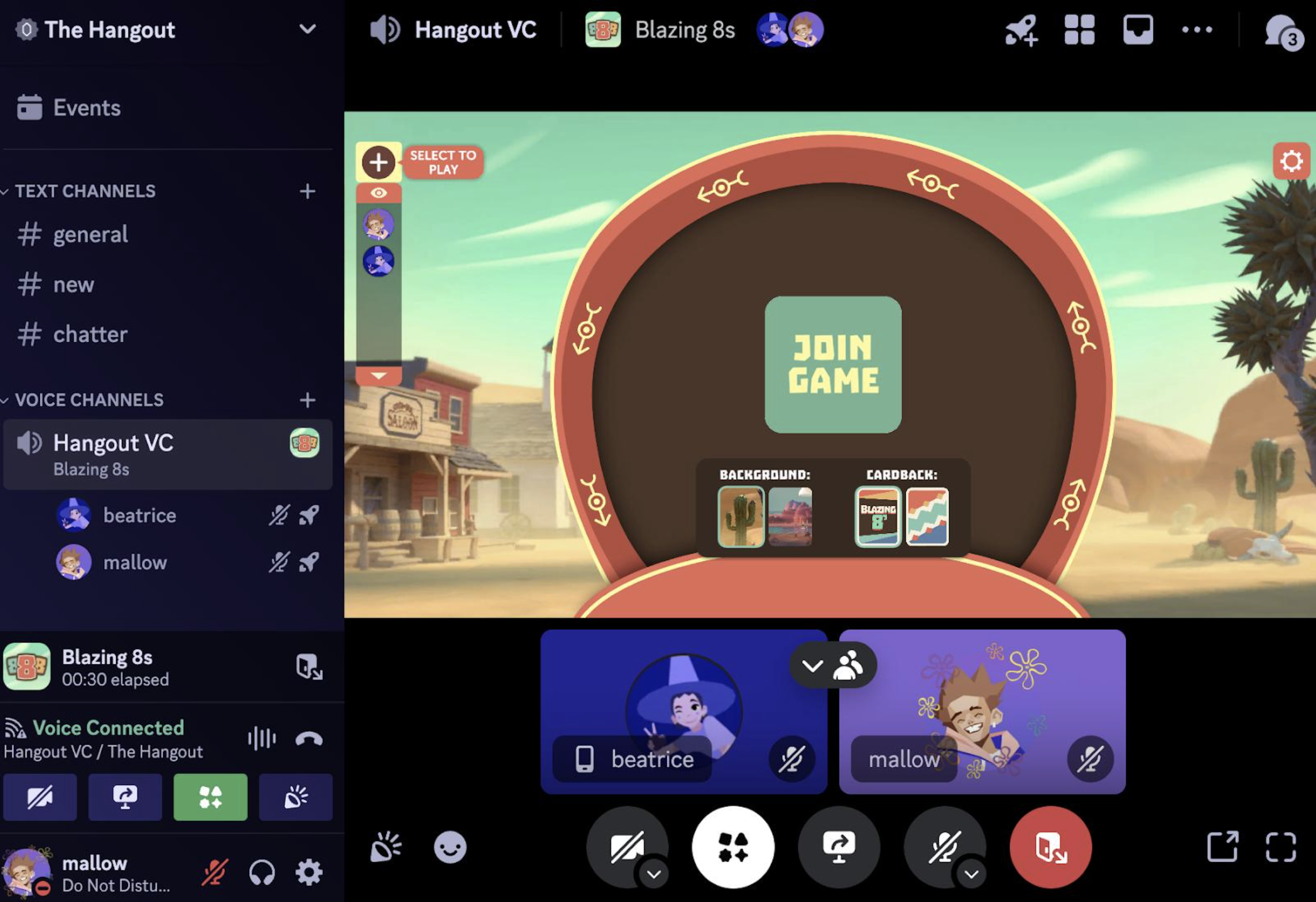
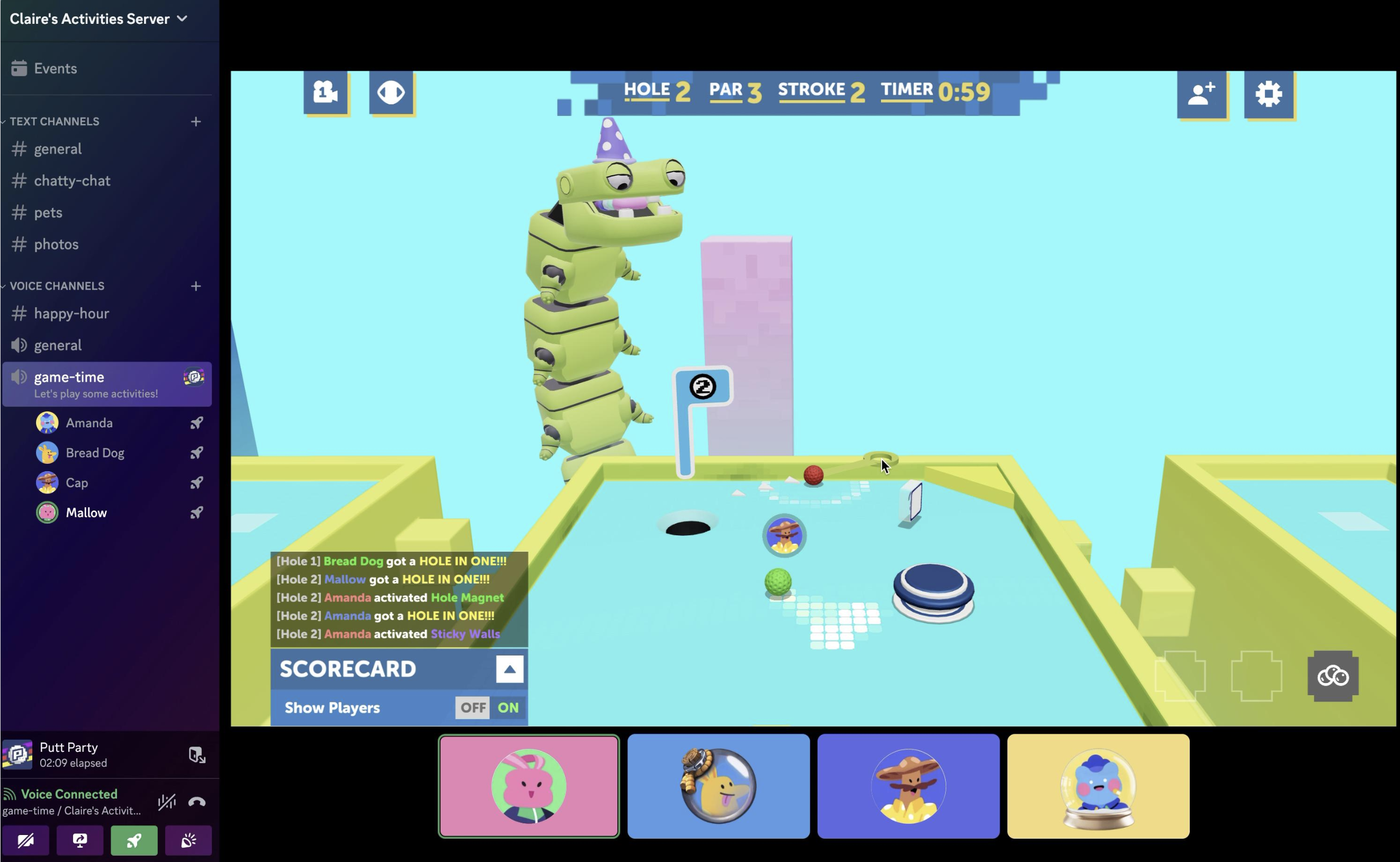
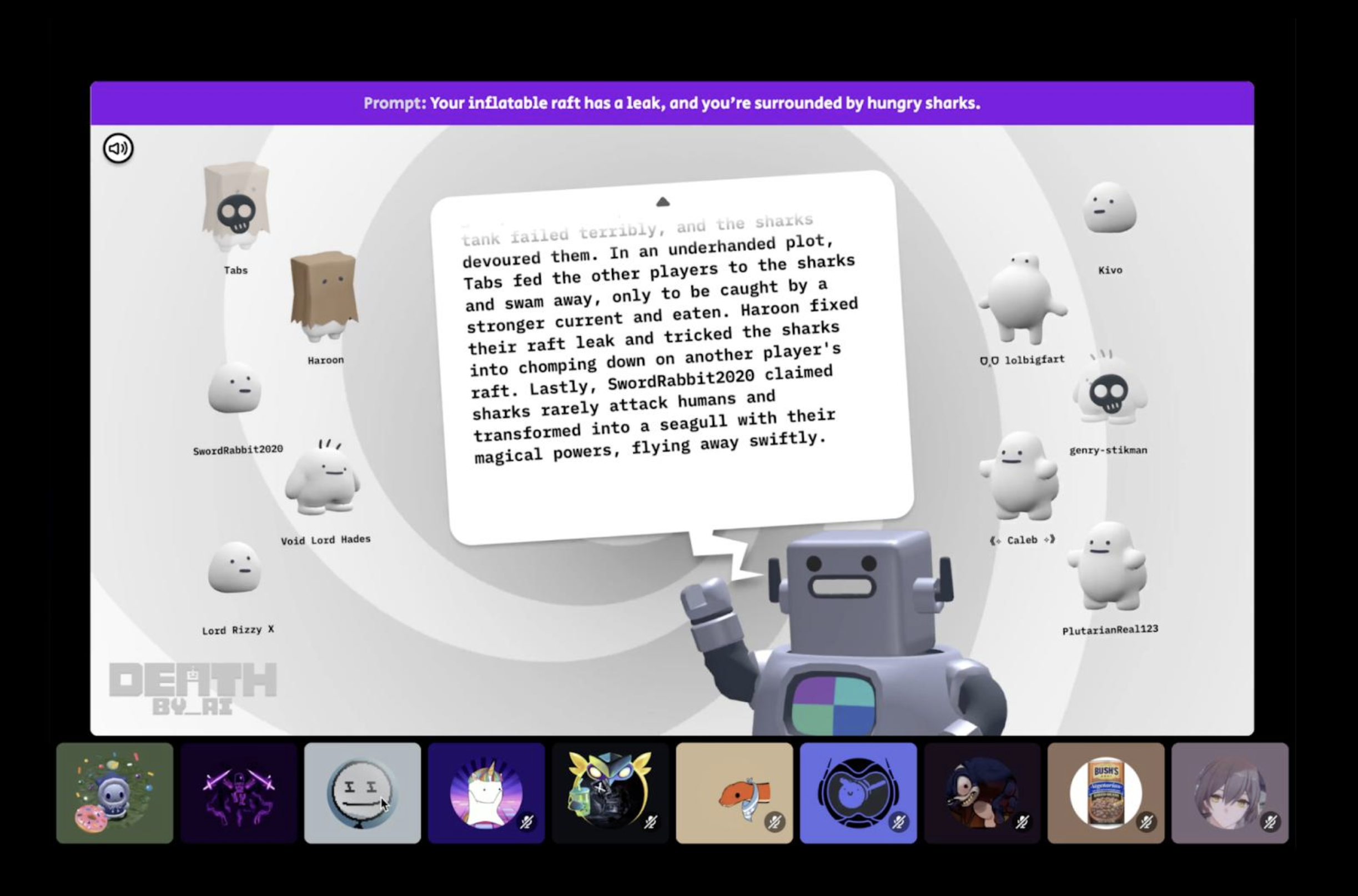
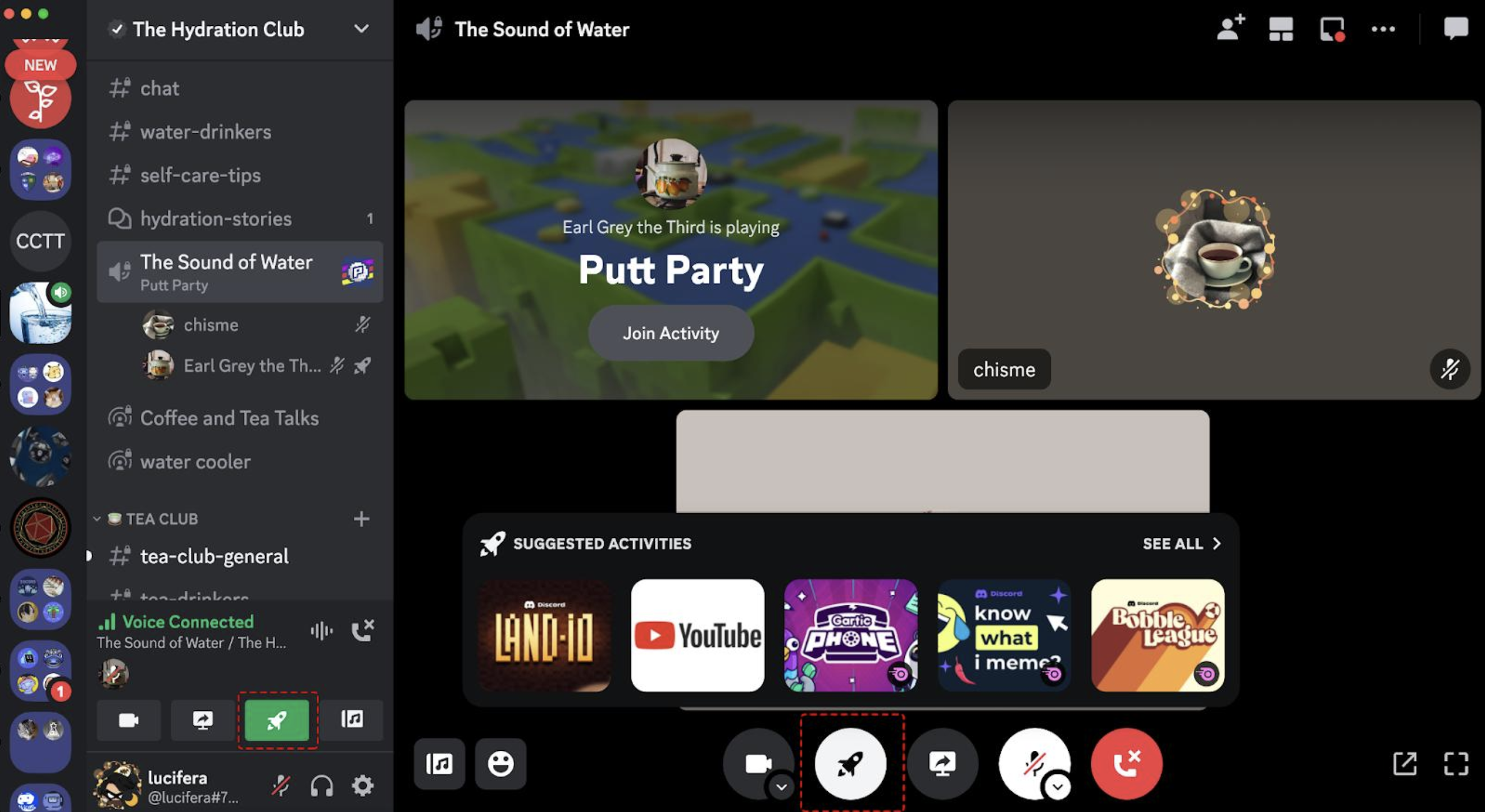
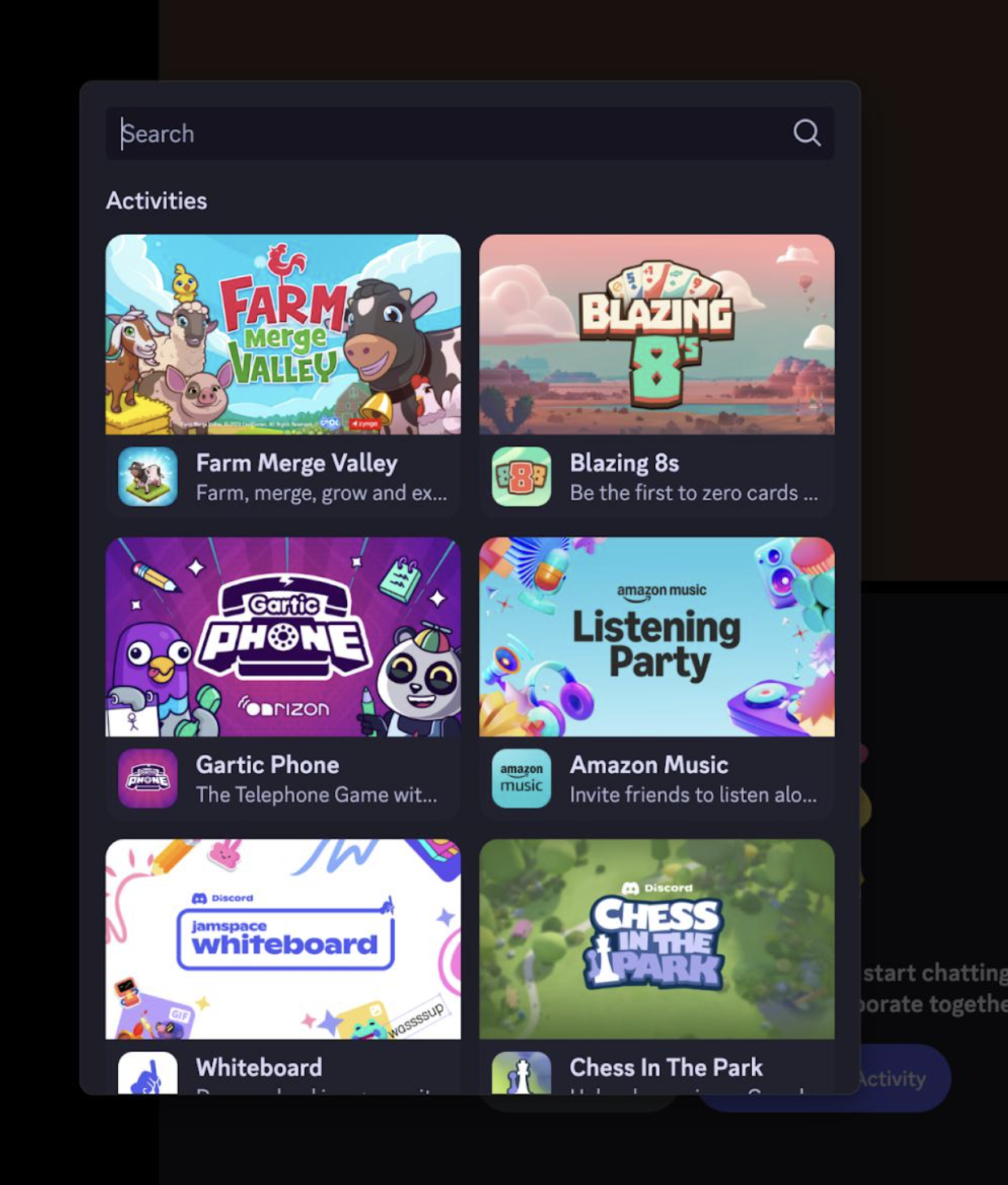
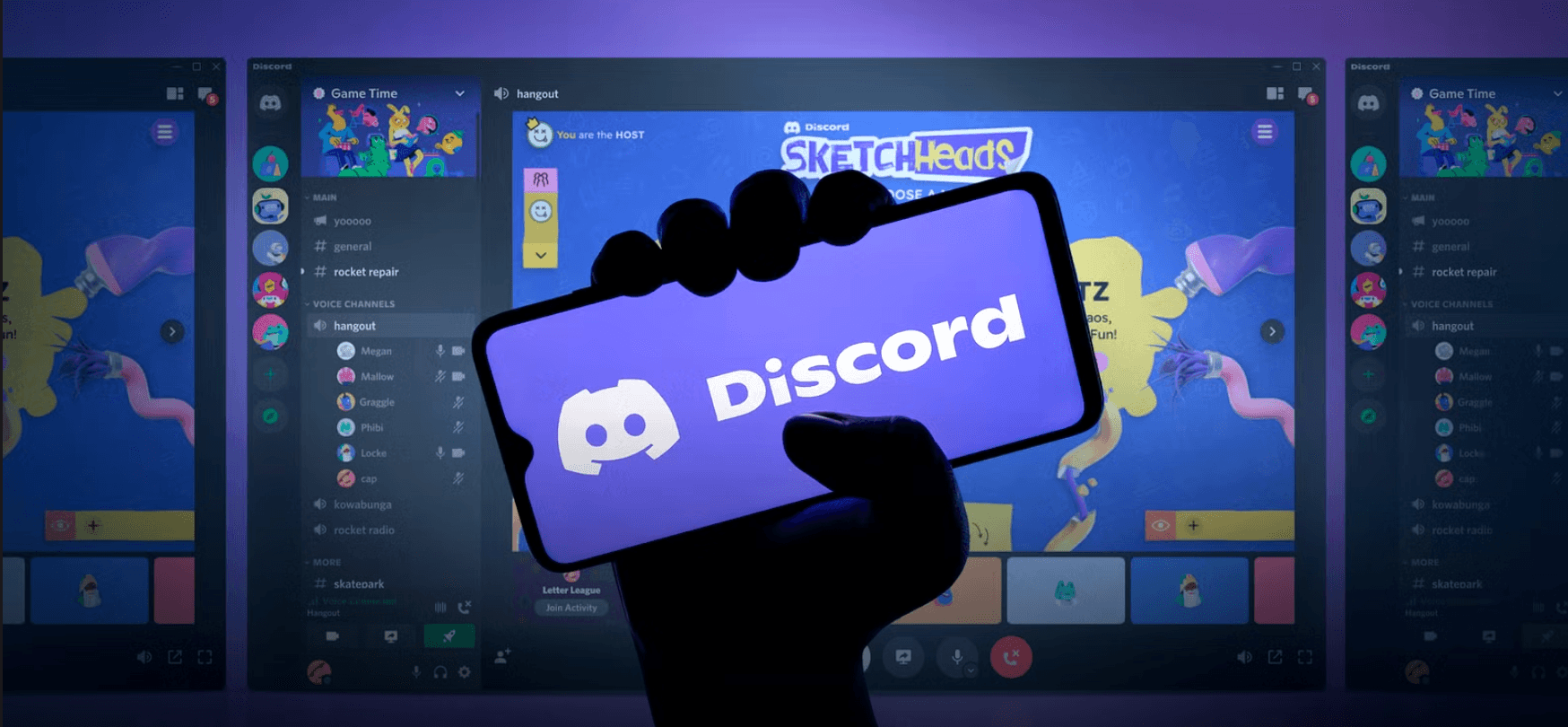
Discord has already demonstrated the potential of Activities, where users can launch interactive games and experiences directly inside Discord.
The Embedded App SDK gives developers the underlying framework to create these kinds of experiences.
A developer could build a lightweight multiplayer game where:
- Friends join a Discord voice channel.
- Someone launches the application.
- The game opens inside Discord.
- Other participants join.
- Everyone keeps talking through Discord voice while playing.
The voice channel becomes the social lobby.
The application becomes the game.
And Discord becomes the place where both experiences meet.
Shared Canvases Could Be Just as Interesting
Games get the attention, but collaborative tools could be even more useful.
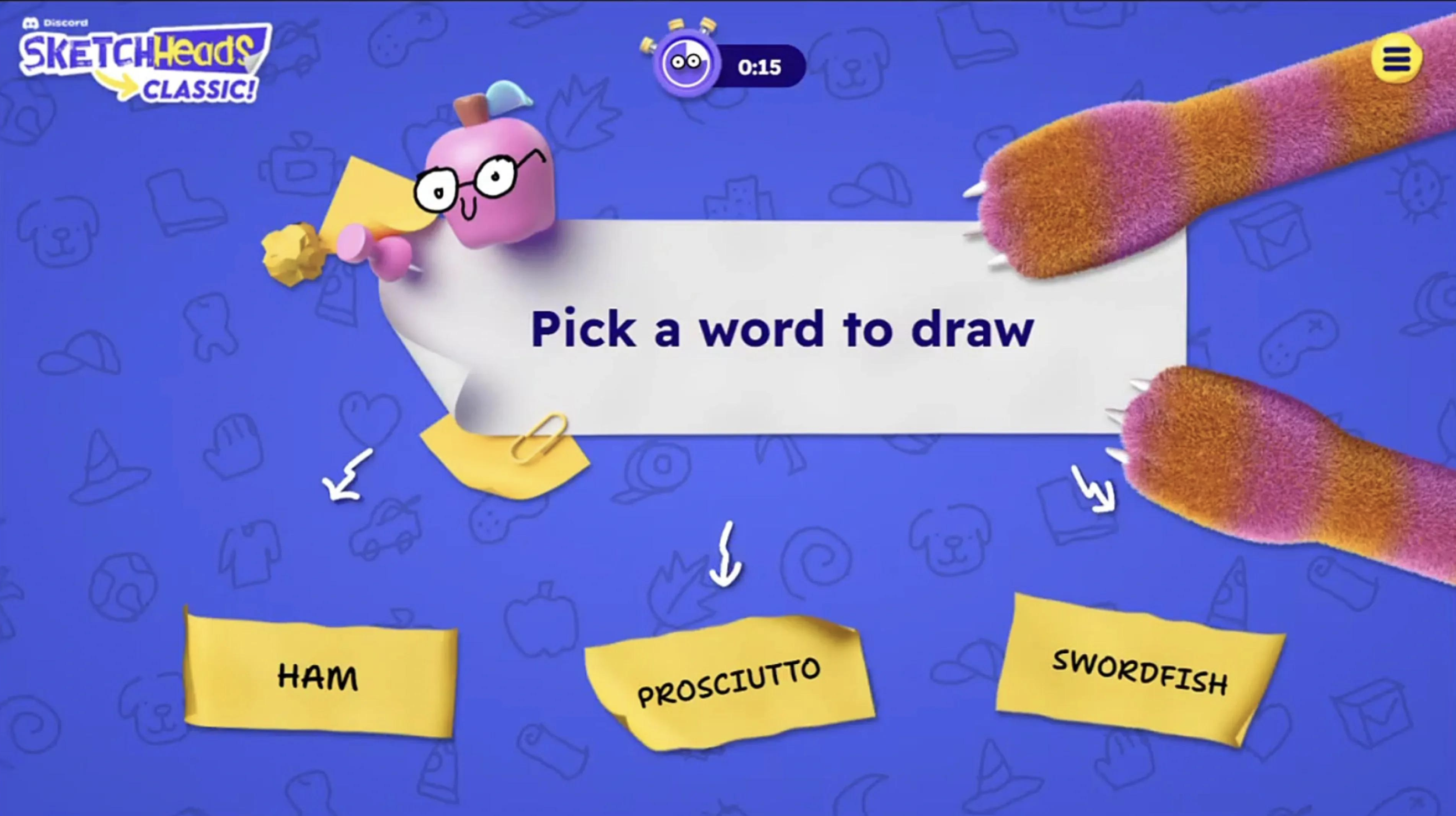
Imagine a shared canvas inside a Discord call.
One person sketches an idea.
Another adds notes.
Someone else moves objects around.
Everyone discusses the changes through voice.
The important part isn't that Discord becomes a replacement for every productivity application.
It's that the application and the conversation can happen in the same place.
That can be useful for:
- Brainstorming
- Game planning
- Study sessions
- Design discussions
- Community events
- Creative projects
- Online workshops
Developers Can Build Web Apps Instead of Traditional Bots
This is one of the biggest changes in mindset.
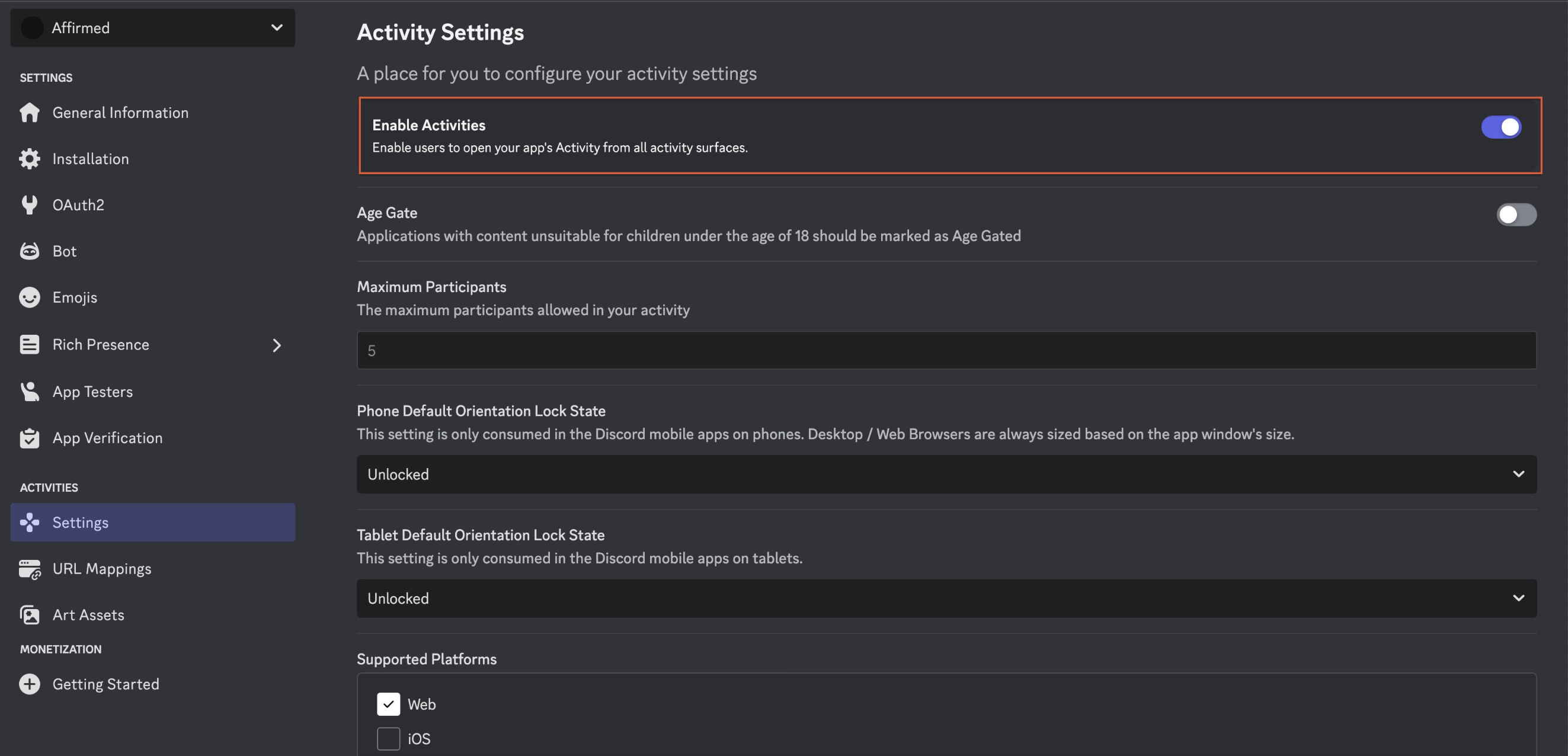
Developers familiar with web development don't necessarily need to think of their Discord project as a traditional bot.
An embedded application can use familiar web technologies to create an actual interface.
That means the experience can contain:
- Buttons
- Menus
- Images
- Animations
- Game boards
- Canvas elements
- Forms
- Real-time interactions
- Custom layouts
Instead of making Discord commands do all the work, the command or Activity launch can simply become the entry point into the application.
Discord Becomes the Social Layer
This is where the Embedded App SDK becomes particularly interesting.
Developers don't have to build an entire social platform from scratch.
Discord already provides:
- User accounts
- Friends and communities
- Voice channels
- Text chat
- Presence
- Notifications
- Invitations
- Existing social relationships
The embedded application can sit on top of that infrastructure.
So instead of building:
App + Voice Chat + Friends System + Community System
a developer can focus much more heavily on:
App
Discord handles much of the surrounding social experience.
How an Embedded App Works
At a high level, the experience looks something like this:
User joins Discord voice channel
             ↓
      Launches the app
             ↓
 Discord opens embedded app
             ↓
   App connects to SDK
             ↓
 Users interact with the app
             ↓
   Discord remains the social layer
The exact implementation depends on what the developer is building, but the fundamental idea is simple.
The application lives inside the Discord experience instead of sending users somewhere else.
The SDK Connects the App to Discord
The Embedded App SDK provides APIs that allow an embedded application to communicate with Discord and understand its environment.
For example, developers can work with information and functionality related to the current user, channel, participants and application lifecycle, depending on the permissions and SDK capabilities involved.
That makes the SDK more than a simple webview.
It's designed specifically for applications that need to understand that they're running inside Discord.
Authentication and User Identity Matter
A developer building an embedded application also needs to think about identity.
Who is currently using the application?
Who else is participating?
What Discord context did the application launch from?
The Embedded App SDK provides mechanisms for applications to work with Discord's authentication and authorization systems.
This is particularly important for multiplayer applications.
A game needs to know which Discord user is participating, while a collaborative application may need to associate actions with specific participants.
The Browser Tab Problem
There's another reason embedded applications are attractive.
Think about how many times you've been in a Discord call and someone says:
"Everyone go to this website."
Then:
- Someone can't find the link.
- Someone opens it on mobile.
- Someone has to create an account.
- Someone's browser blocks something.
- Someone forgets what they're supposed to click.
Every extra step creates friction.
Embedding the experience inside Discord doesn't eliminate every problem, but it can dramatically simplify the starting point.
The app is already where the conversation is happening.
This Doesn't Mean Bots Are Going Away
It's important not to confuse embedded applications with the death of Discord bots.
Bots remain extremely useful.
Moderation bots need to manage servers.
Automation bots need to respond to events.
Utility bots can handle commands.
Notification bots can monitor external services.
The Embedded App SDK is solving a different problem.
A useful way to think about it is:
Bots automate Discord.
Embedded apps create experiences inside Discord.
There is plenty of room for both.
Activities Are a Preview of the Bigger Idea
Discord Activities have already shown users what it feels like to launch an interactive experience directly inside Discord.
Instead of:
Discord → Browser → Game
you get:
Discord → Game
The Embedded App SDK gives developers the tools to build experiences around that same concept.
That means Activities aren't just a novelty.
They demonstrate what Discord could become as an application platform.
What Developers Should Build
The best embedded applications won't simply take an existing website and squeeze it into a Discord window.
They should take advantage of the fact that users are already socializing.
Multiplayer games
Small social games are an obvious fit.
Collaborative tools
Whiteboards, planning boards and brainstorming tools can work well in voice calls.
Community experiences
Trivia, polls, competitions and interactive events can become much more engaging when everyone participates together.
Learning tools
Study groups could use shared quizzes, flashcards or interactive exercises without leaving Discord.
Creative applications
Drawing, music, storytelling and other collaborative experiences could benefit from the same model.
The key is shared participation.
If an application works exactly the same for one person alone, Discord's social layer isn't adding much value.
The Biggest Opportunity Is the Social Context
That's probably the most important thing developers should understand.
The Embedded App SDK isn't interesting simply because Discord can display a web application.
Web browsers have been doing that for decades.
What's interesting is that the application can exist next to an already active social group.
You already know who's there.
You're already talking.
You can launch something together.
That combination is difficult to reproduce with a standalone website.
What Happens Next?
The next stage of Discord's development platform could be less about creating better bots and more about creating better shared experiences.
Bots will continue handling automation and server management.
But embedded applications can handle the things that are difficult to express through slash commands alone.
Games.
Tools.
Interactive media.
Collaborative workspaces.
Social experiences.
As more developers experiment with the Embedded App SDK, Discord could increasingly feel less like a messaging application with bots attached and more like a social operating environment for interactive applications.
🎮 The Bottom Line
The Discord Embedded App SDK represents a major shift in how developers can think about the platform.
The old model was largely:
User → Message → Bot → Response
The newer model is:
Users → Voice Channel → Embedded App → Shared Experience
That's a much bigger canvas.
A bot can answer your question.
An embedded application can give your entire group something to do together.
And that's why the voice channel could become one of Discord's most important platforms for developers.
Would you rather use a traditional Discord bot or launch a full interactive app directly inside your voice channel?
Comments
Sign in to join the conversation
Sign inNo comments yet
Be the first to share your thoughts!