
🎬 007 First Light Delays Path Tracing: Why RTX 50-Series Is Required for Ultra Settings
For a game built around cinematic espionage, 007 First Light was always going to have a lot riding on its visuals.
IO Interactive's new James Bond adventure launched in May 2026 with an upgraded version of the studio's Glacier engine, DLSS 4.5 Super Resolution and Dynamic Multi Frame Generation. But one of its most ambitious graphical features was missing at launch.
Full path tracing had been pushed back.
That feature has now arrived.
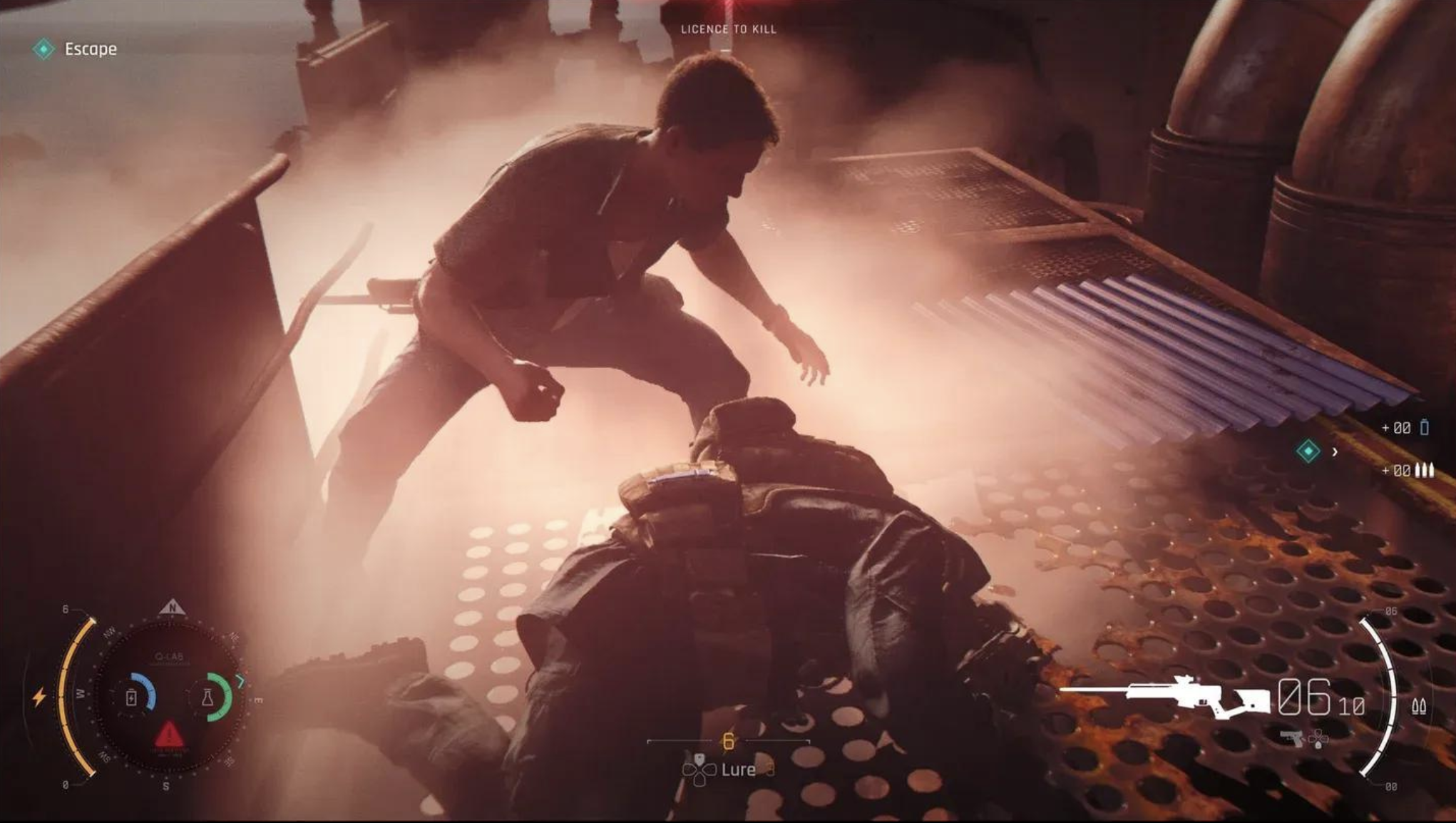
On September 15, 2026, IO Interactive released the long-awaited path tracing and DLSS 4.5 Ray Reconstruction update for the PC version. The update adds fully path-traced lighting, shadows and reflections, taking the game's already detailed environments toward a more unified lighting model.
The catch is hardware.
IO Interactive's recommended path tracing configurations start at an RTX 5070 for 1080p Medium, while 1440p Medium calls for an RTX 5080 and 4K High is designed around an RTX 5090.
That makes the update less of a simple graphics toggle and more of a showcase for how demanding real-time path tracing has become.
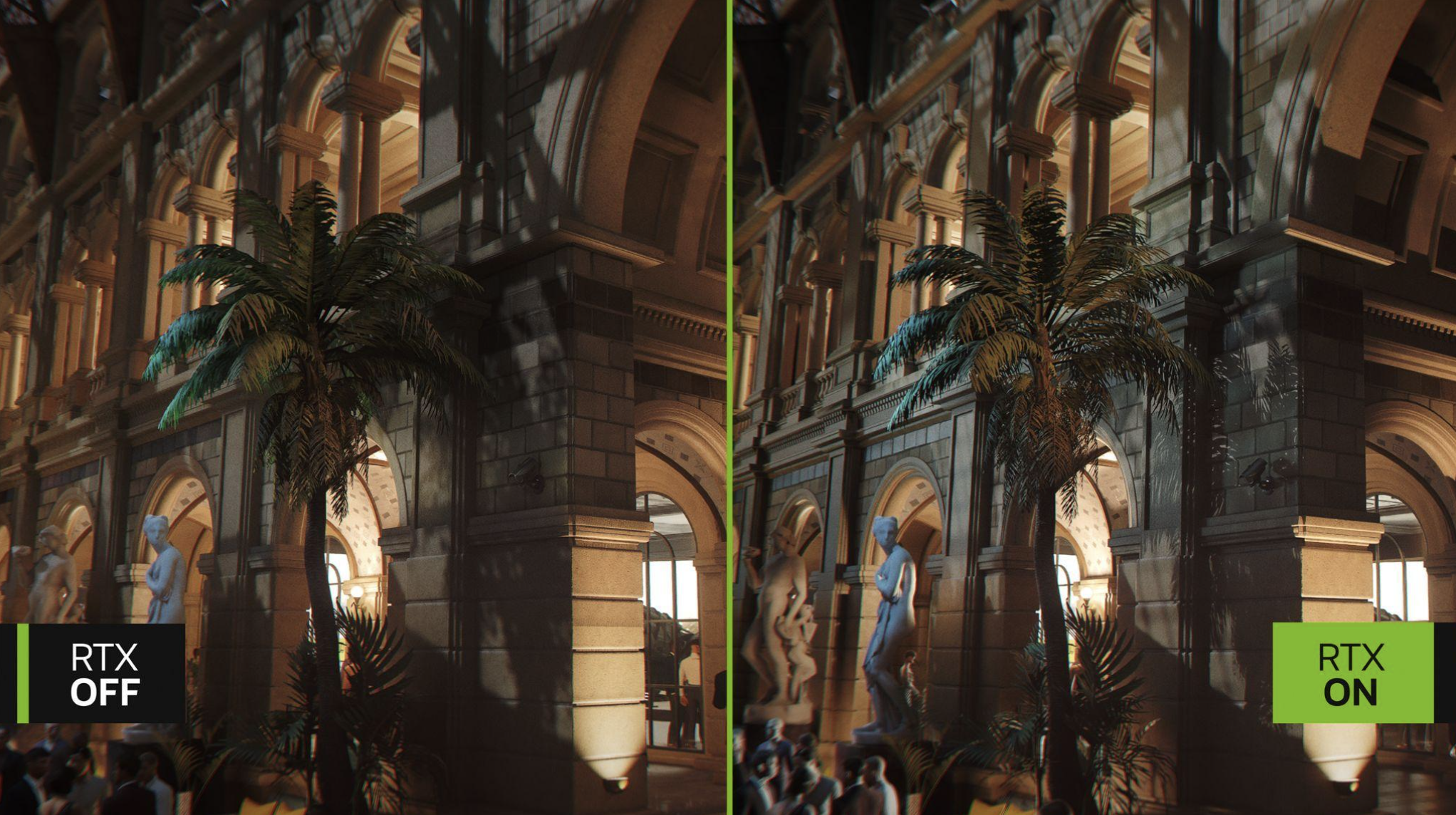
⏳ What Happened to 007 First Light's Path Tracing?
The original plan was for 007 First Light to launch with path tracing.
IO Interactive and NVIDIA announced in March 2026 that the game would use path tracing alongside DLSS 4.5 technologies. The feature was intended to provide more advanced lighting while taking advantage of RTX hardware.
However, path tracing did not arrive with the May launch.
Instead, players received the game's rasterized renderer alongside DLSS 4.5 Super Resolution and Dynamic Multi Frame Generation, while the more demanding path tracing implementation was scheduled for later.
That delay ultimately lasted until September 15.
Rather than simply enabling a hidden setting, IO Interactive used the additional development time to integrate NVIDIA technologies directly into its Glacier engine.
The final update includes:
- Full path tracing
- DLSS 4.5 Ray Reconstruction
- Path-traced lighting
- Path-traced reflections
- Path-traced shadows
- NVIDIA RTX Global Illumination
- Opacity Micro-Maps
- Continued DLSS Super Resolution support
- Continued Dynamic Multi Frame Generation support
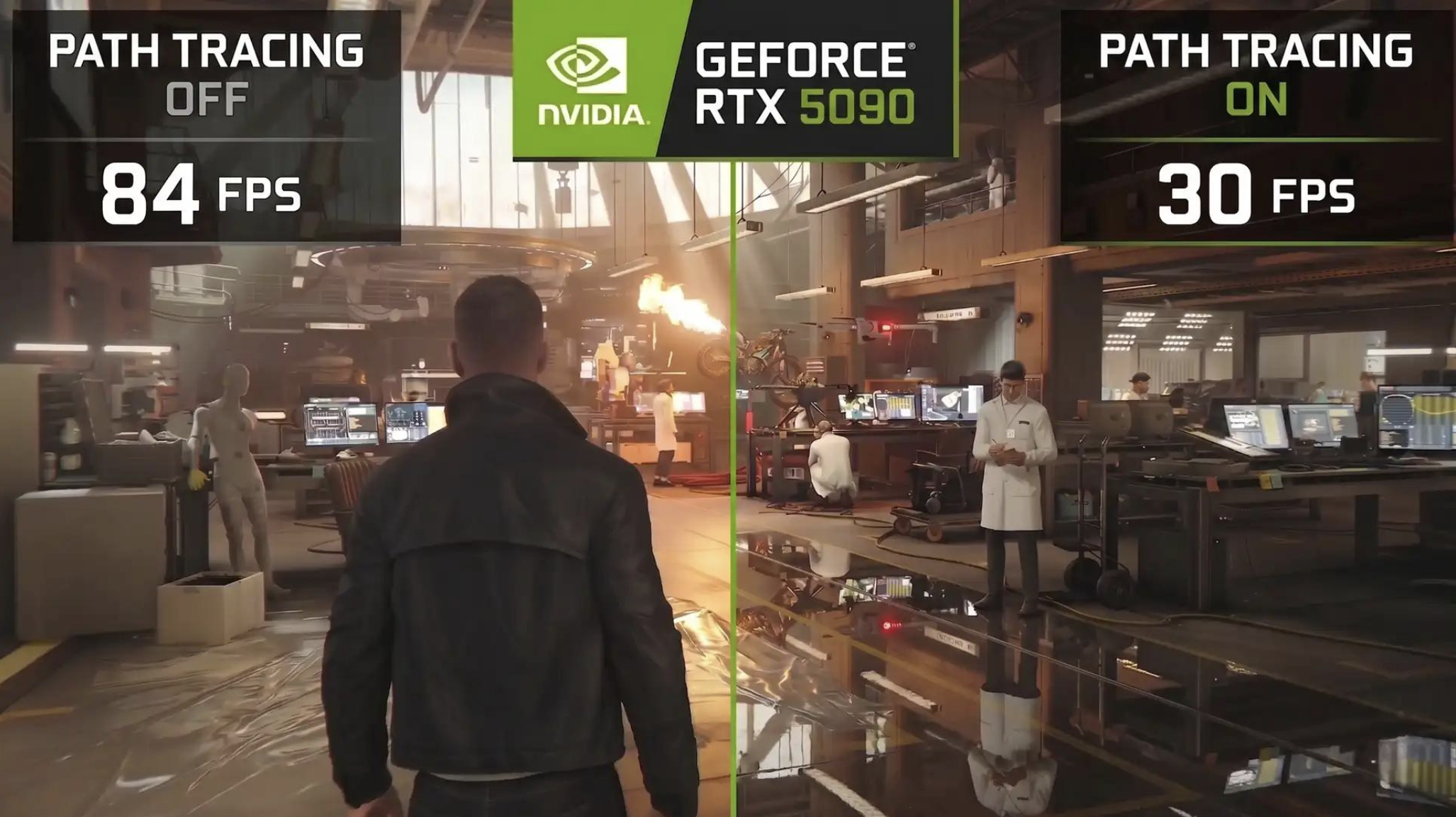
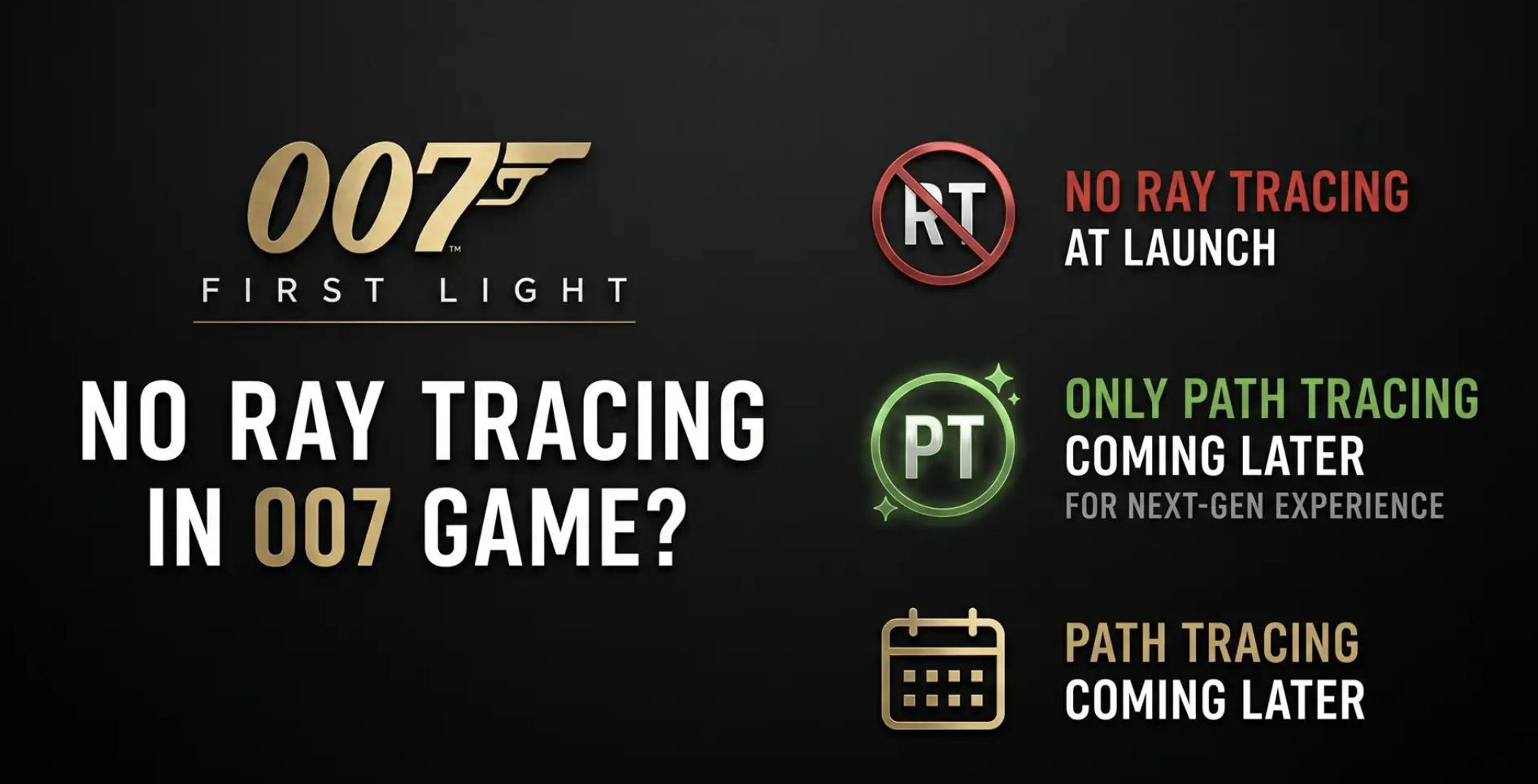
🛠️ Why Was Path Tracing Delayed?
The simple answer is that path tracing is extremely demanding.
But the technical reason is more interesting.
Traditional real-time rendering uses a collection of different techniques to approximate lighting.
Shadows may use shadow maps.
Reflections can use screen-space techniques or dedicated ray tracing.
Global illumination may rely on probes, screen-space calculations and other approximations.
These techniques can produce excellent results, but developers have to make them work together.
Path tracing approaches the problem differently.
Instead of using separate approximations for every lighting effect, it attempts to simulate the movement of light through a scene in a unified process.
IO Interactive describes this as a way of resolving direct light, indirect bounce, reflections and shadows through a single light transport approach.
That sounds simple.
It is not.
Every additional ray represents more work for the GPU.
And 007 First Light has some particularly difficult environments.
💡 What Path Tracing Actually Changes
Path tracing is not simply "better ray tracing."
It changes how lighting information is calculated.
Imagine a chandelier inside a large ballroom.
With traditional rendering, the engine may use different systems to calculate:
- Direct illumination
- Reflections
- Shadows
- Indirect lighting
- Ambient light
With path tracing, those lighting interactions can be calculated as part of the same light transport simulation.
The result can be more consistent lighting.
Reflections can respond more naturally to surrounding light.
Shadows can integrate more naturally with indirect illumination.
And light bouncing around a room can produce a more unified result.
The downside is obvious.
The GPU has significantly more work to do.
🏛️ The Kensington Gala Is the Ultimate Stress Test
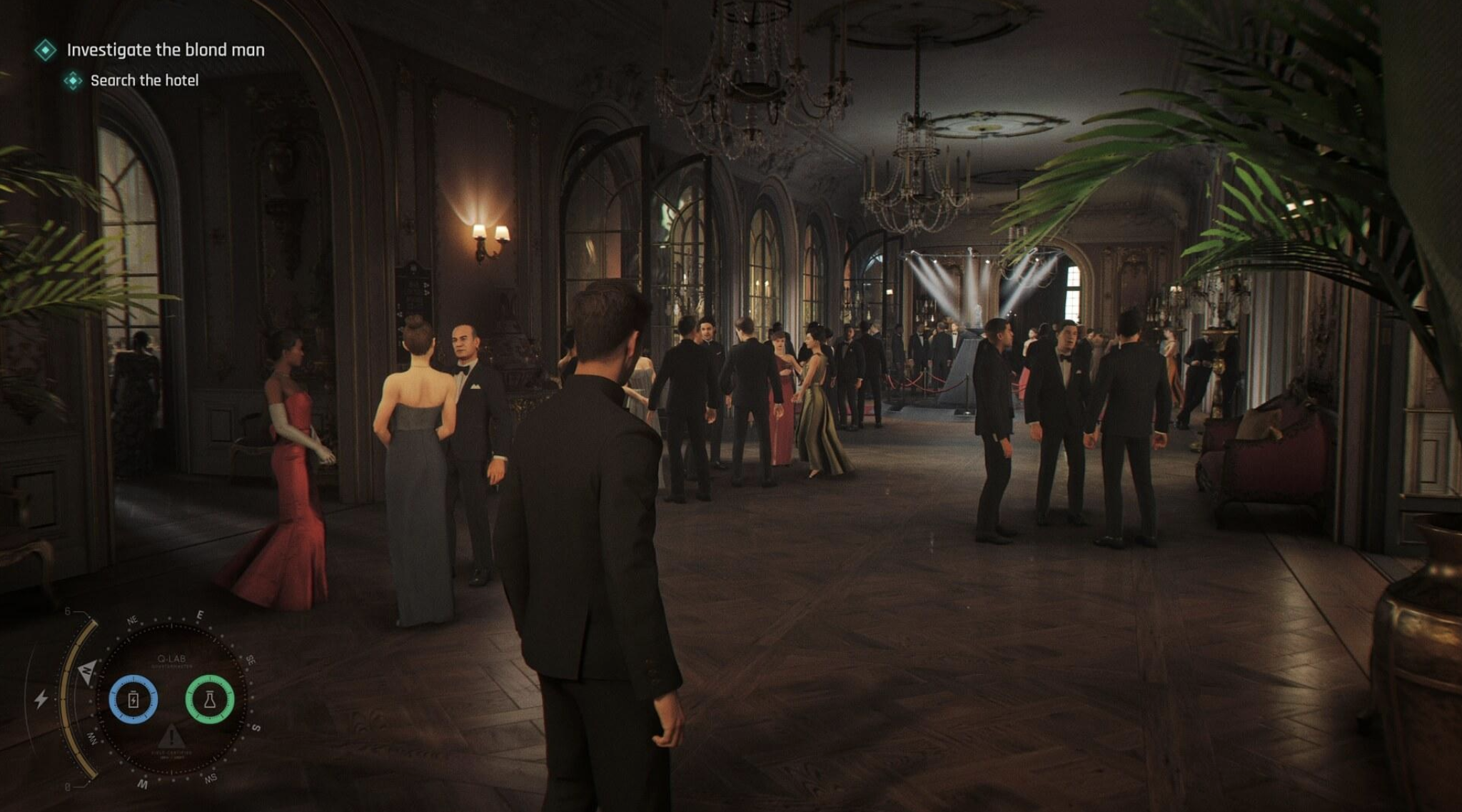
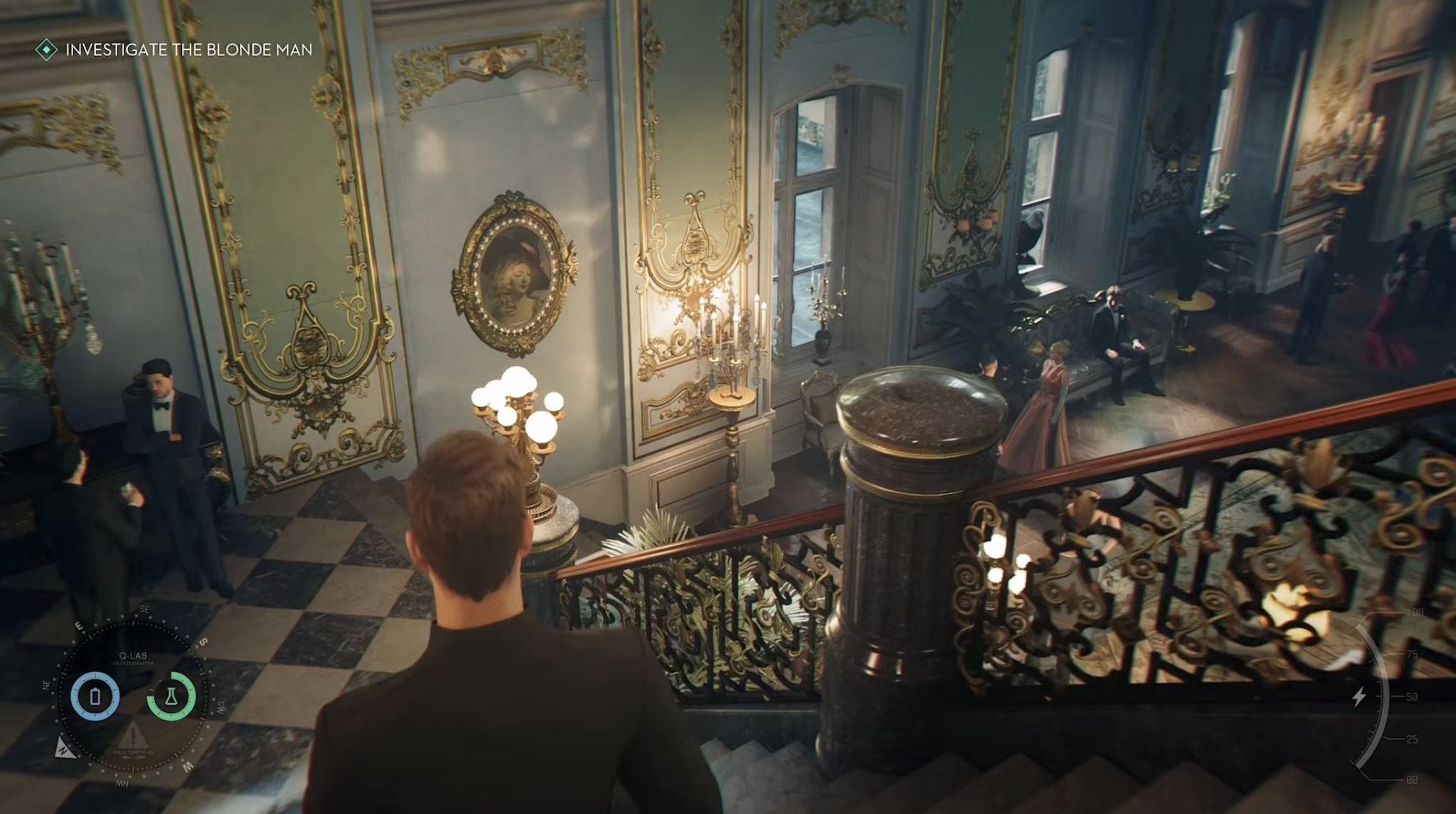
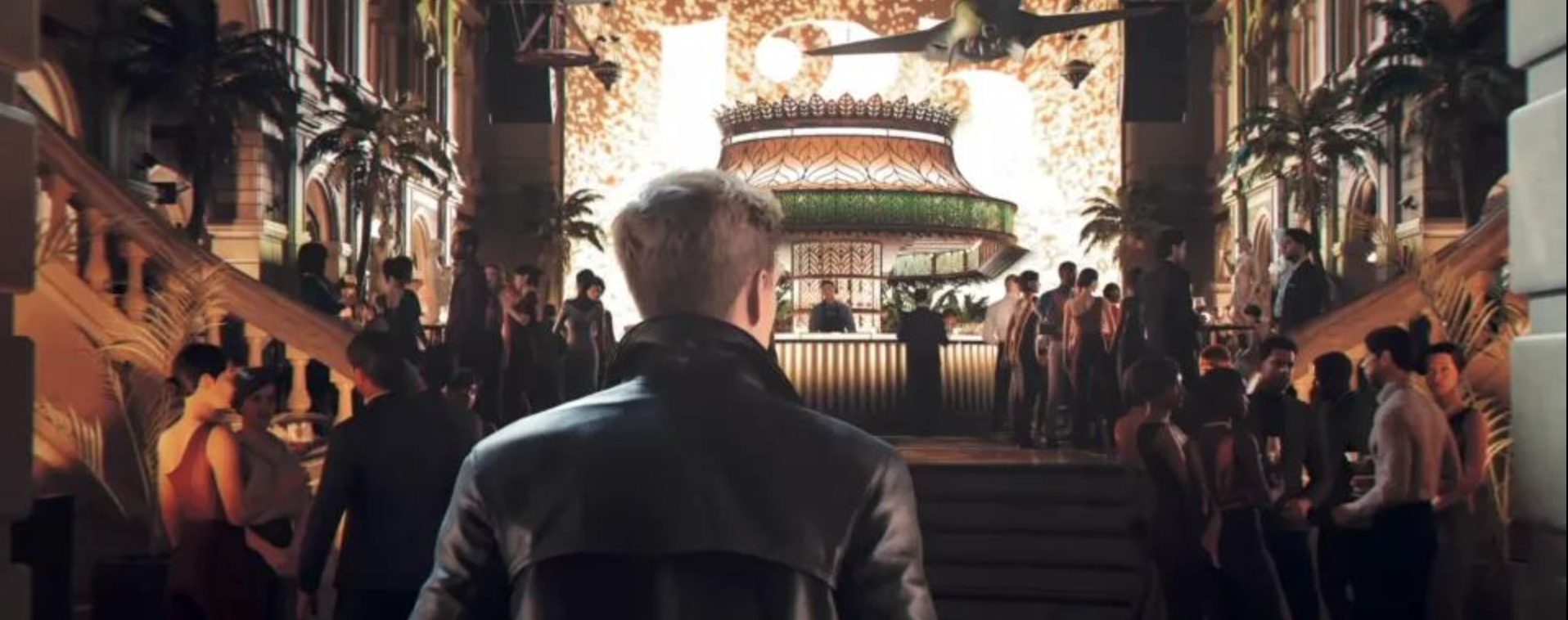
IO Interactive specifically highlights the Kensington gala as one of the most challenging environments for the new rendering system.
Why?
Because the location combines huge numbers of practical light sources with reflective surfaces.
Think chandeliers, polished materials, glass, bright fixtures and complex interiors all occupying the same scene.
For conventional rendering, developers can carefully tune individual lighting systems.
For path tracing, the engine has to determine which light sources actually contribute meaningful information to the final image.
IO Interactive says its RTX Path Tracing system uses feedback to determine which lights matter most to the scene and directs ray calculations toward them.
That optimization is essential.
Without it, the computational cost would become even harder to manage.
🖥️ Why RTX 50-Series Hardware Matters
This is where the update becomes particularly interesting.
IO Interactive does not say that RTX 50-Series is the only hardware capable of running path tracing.
The official developer material says path tracing is available on GeForce RTX GPUs, with DLSS 4.5 Ray Reconstruction enabled automatically.
However, the refreshed performance requirements make RTX 50-Series the practical starting point for the recommended configurations.
The official requirements reported alongside the update specify:
| Target | CPU | RAM | GPU |
|---|---|---|---|
| 1080p Path Tracing Medium | Core i5-13500 / Ryzen 5 7600 | 16GB | RTX 5070 |
| 1440p Path Tracing Medium | Core i5-13500 / Ryzen 5 7600 | 16GB | RTX 5080 |
| 4K Path Tracing High | Core i5-13600K / Ryzen 7 7700X | 32GB | RTX 5090 |
These requirements illustrate the real story.
Path tracing isn't simply demanding because the game looks pretty.
The rendering workload itself is enormous.
⚙️ RTX 5070 vs RTX 5080 vs RTX 5090
The GPU requirements scale almost exactly with the resolution and quality target.
RTX 5070
The RTX 5070 is positioned as the entry point for the recommended path tracing experience.
The target is:
1080p + Path Tracing Medium
That makes it the most accessible RTX 50-Series option for players specifically interested in enabling the feature.
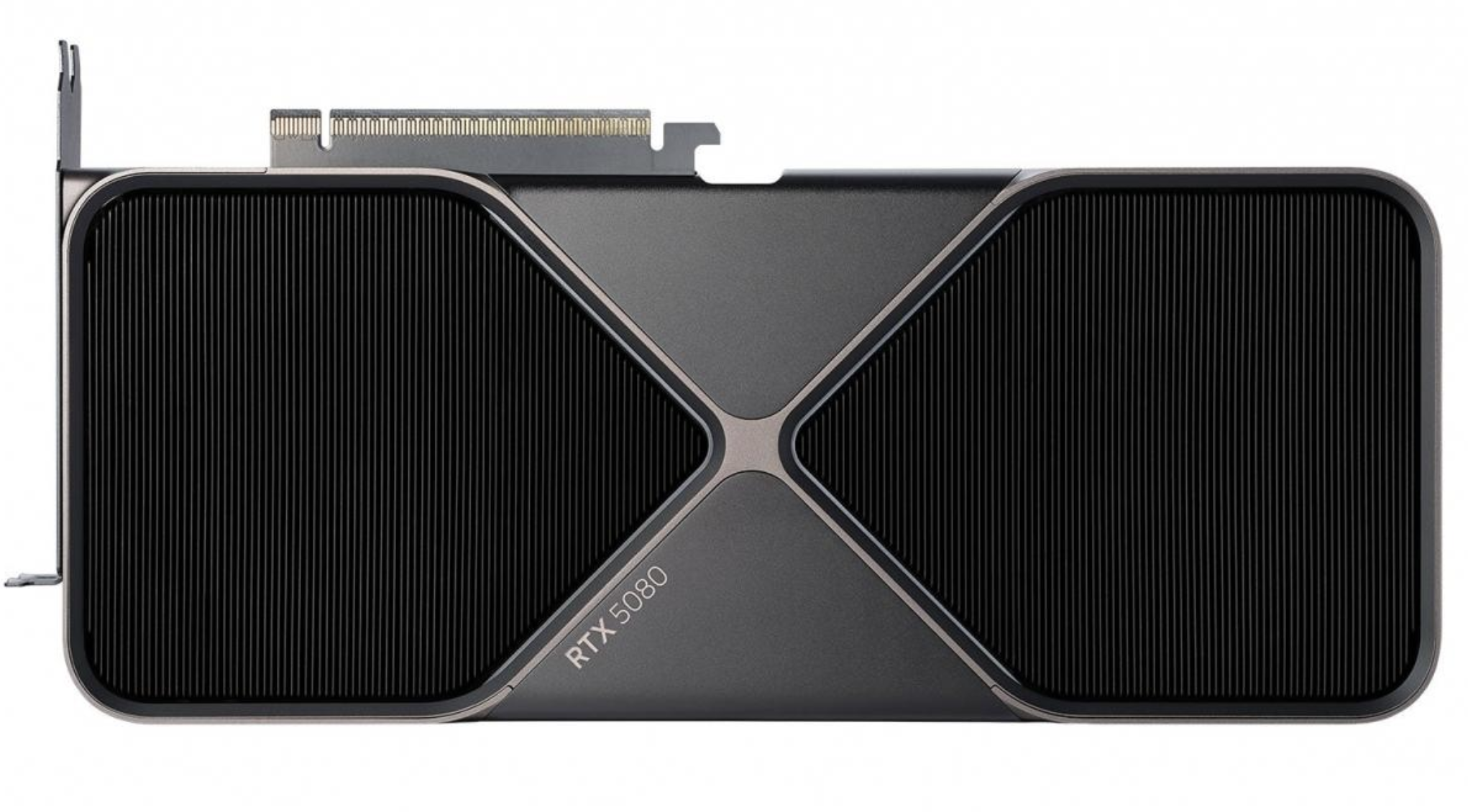
RTX 5080
Move up to 1440p and the requirement increases to the RTX 5080.
The target becomes:
1440p + Path Tracing Medium
This demonstrates how quickly GPU requirements increase as resolution rises.
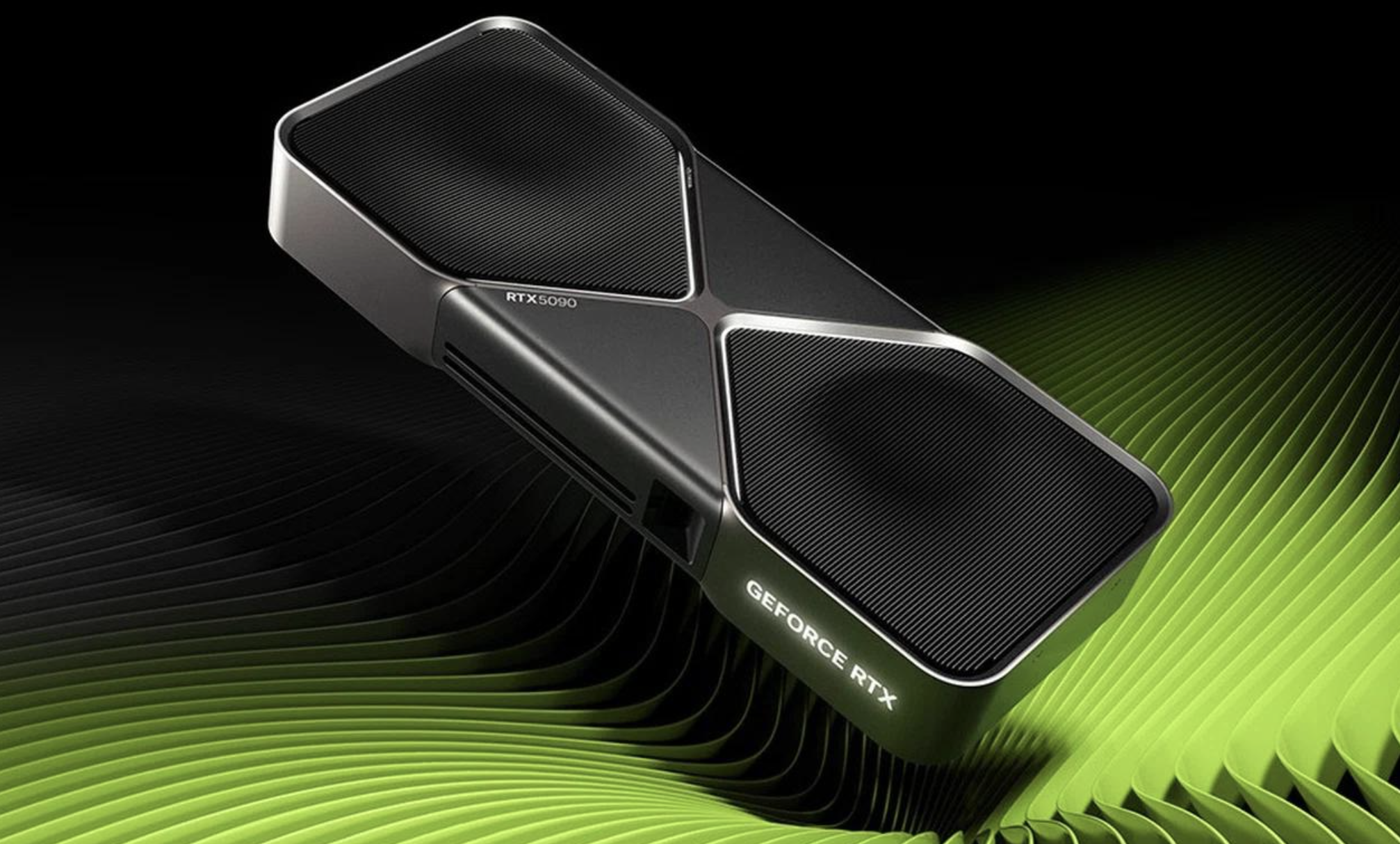
RTX 5090
The flagship RTX 5090 is where the game pushes toward its highest path-traced experience.
The official target is:
4K + Path Tracing High
That is an enormous workload for any GPU.
🧠 DLSS 4.5 Is Doing More Than Upscaling
Path tracing would be significantly harder to run without reconstruction technology.
That is where DLSS 4.5 Ray Reconstruction becomes important.
A path-traced frame can contain incomplete or noisy lighting information because the renderer cannot calculate an unlimited number of rays for every pixel.
The resulting image needs to be reconstructed.
NVIDIA's Ray Reconstruction technology uses a neural model to improve the quality of ray-traced and path-traced image data.
In 007 First Light, IO Interactive feeds the reconstruction system information generated through its path-tracing pipeline.
The goal is not simply more frames.
It is a cleaner image from the limited information that the renderer can afford to calculate.
🔬 Why Ray Reconstruction Matters
Path tracing creates a difficult balancing act.
More rays generally mean better information.
But more rays also mean more GPU work.
Developers therefore need ways to extract better images from fewer samples.
That is where reconstruction becomes critical.
IO Interactive says the game's implementation uses DLSS 4.5 Ray Reconstruction with a newer transformer-based architecture and temporal accumulation designed around the game's path-traced content.
This combination is important:
Path tracing provides the lighting data.
Ray Reconstruction helps turn that data into a stable image.
DLSS Super Resolution can then help produce the final resolution efficiently.
And on RTX 50-Series hardware, Multi Frame Generation can further increase displayed frame rates.
🧱 Glacier Engine's Biggest Rendering Upgrade
007 First Light uses IO Interactive's proprietary Glacier engine.
The studio had to significantly expand that technology to support the new rendering features.
The path tracing implementation uses:
- RTX Global Illumination
- RTX Path Tracing
- Opacity Micro-Maps
- DLSS 4.5 Ray Reconstruction
IO Interactive says the implementation had to work with complicated environments including vegetation, glass-heavy buildings and rapidly changing lighting conditions.
That matters because the goal was not to create a separate "tech demo."
The path-traced renderer needed to work with the existing game.
IO Interactive says its constraint was that the path-traced version had to remain additive, without forcing artists to completely recreate the game's content for the new renderer.
🖼️ What Happens on Older RTX Hardware?
This is where the story needs some clarification.
The new path tracing update does not mean older GPUs suddenly cannot run 007 First Light.
Players who don't use the new path tracing mode can continue using the game's rasterized renderer.
IO Interactive explicitly says the rasterized renderer remains fully supported.
So there are effectively two experiences.
Standard rendering
Designed for a much broader range of hardware.
Path-traced rendering
Designed for much more powerful RTX hardware and heavily dependent on reconstruction and frame-generation technologies.
That distinction is important because calling RTX 50-Series a universal requirement for the entire game would be inaccurate.
It is the recommended hardware class for the demanding path-traced configurations.
📉 The Performance Problem
The update's demanding nature became even clearer after release.
On September 17, IO Interactive released Game Update 1.2.1, described as the first path tracing hotfix.
The studio acknowledged that some players were experiencing performance problems and said it was working with NVIDIA to investigate the reports and improve performance.
The hotfix addressed several issues, including:
- A path tracing lighting problem that could make interrogation-room walls appear black
- A crash during a Chapter 9 arrival cinematic
- A crash when returning to the main menu after path tracing rendering became corrupted
The update also added AMD FSR 4.1 support for compatible Radeon hardware.
This is a useful reminder that adding a new rendering pipeline to an already complex game is not simply a matter of switching on a graphics option.
🔥 Is Path Tracing Worth Using?
That depends on what you want from the game.
If you're playing on an RTX 5070-class system or above and care primarily about image quality, the feature is one of the most interesting additions to the PC version.
But there is a trade-off.
Path tracing consumes substantially more rendering resources.
If maintaining a high native resolution and consistent performance is more important to you than maximum lighting fidelity, the standard renderer remains a perfectly valid option.
For most players, the choice comes down to:
Maximum visual quality vs performance headroom.
DLSS helps narrow that gap, but it cannot make the underlying path tracing workload disappear.
🎥 Why This Matters for a James Bond Game
There is also a creative reason why IO Interactive invested so heavily in this technology.
James Bond stories depend heavily on atmosphere.
A dark casino.
A brightly lit gala.
A rainy street.
A luxurious hotel.
A nighttime infiltration.
These environments rely on lighting to establish mood.
Path tracing can be particularly useful in these situations because light interactions are central to the visual identity of the scene.
Reflections on polished floors.
Light bouncing through windows.
Shadows cast across crowded rooms.
Neon reflecting from wet surfaces.
These are exactly the situations where physically consistent lighting can make a noticeable difference.