
The Complete Wiki to Phantom Blade Zero Classes
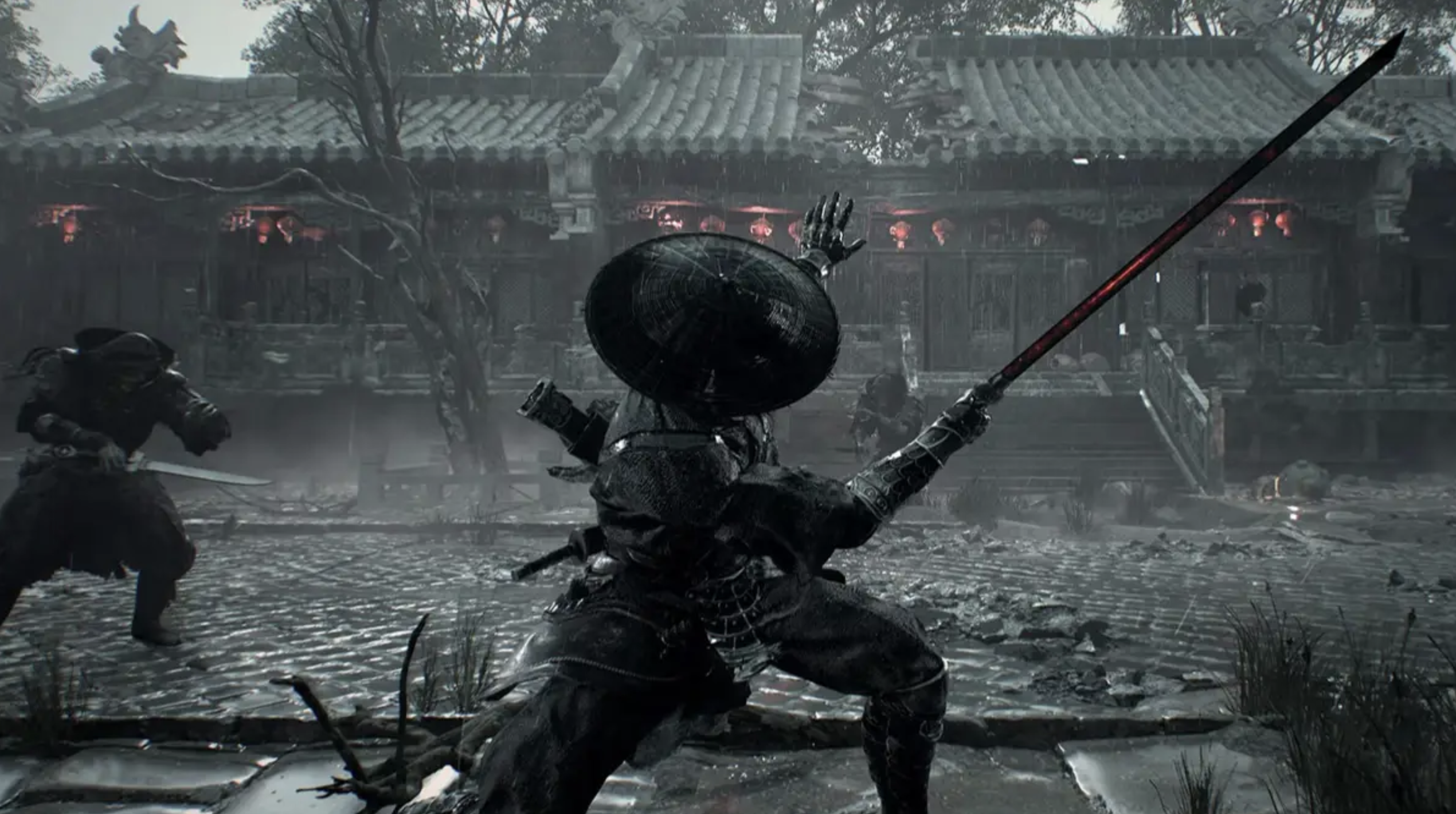
Phantom Blade Zero doesn't approach classes like a traditional RPG.
Instead of picking a permanent Warrior, Rogue or Mage at the beginning, the game revolves around Soul, its protagonist, and the weapons and martial arts techniques he can bring into combat.
The result is a combat system built around speed, weapon switching, precise attacks, dodging and highly stylized Wuxia techniques.
With the game scheduled for October 2026, understanding these combat styles is one of the easiest ways to see what makes Phantom Blade Zero different from a conventional action RPG.
Does Phantom Blade Zero Have Traditional Classes?
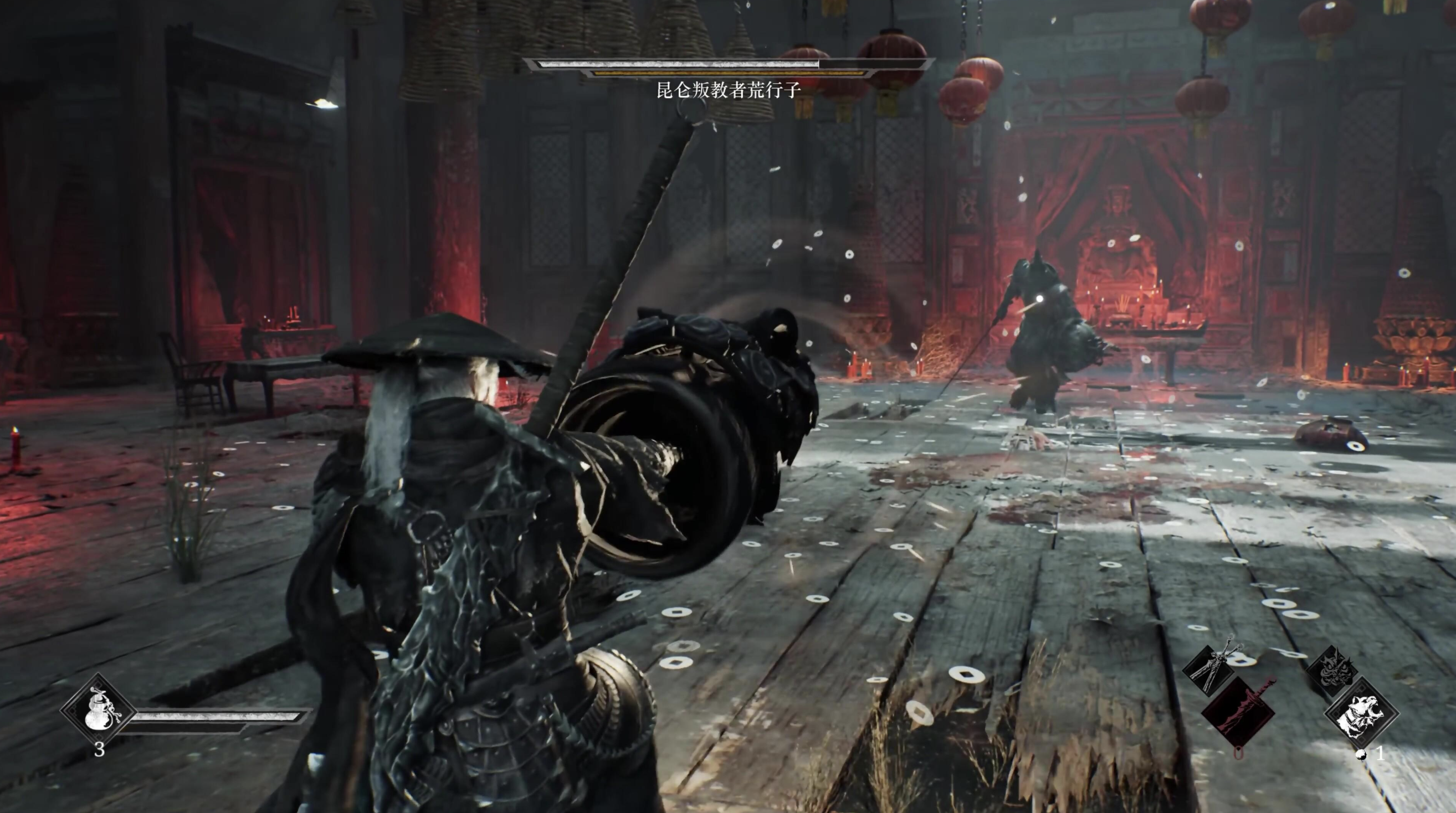
Not in the usual RPG sense.
There aren't traditional character classes where you permanently select something like a Knight or Assassin.
Instead, Soul's combat identity changes according to the weapons and martial arts techniques you equip.
This makes the game's "classes" better understood as combat styles.
A player who prefers fast blade attacks can build around that style, while another can use heavier weapons, ranged options or techniques that change how encounters are approached.
Soul: The Main Combat Character
Soul is the game's protagonist and the foundation of every combat style.
He is an elite assassin who has been given only 66 days to live after being poisoned.
That short lifespan is reflected in the game's aggressive combat philosophy.
Rather than slowly wearing enemies down, Soul can chain attacks, counter incoming strikes and move rapidly around the battlefield.
The game's developers have described Phantom Blade Zero as a spiritual successor to the Rainblood series, combining traditional Chinese martial arts with modern action-game design.
The Weapon System
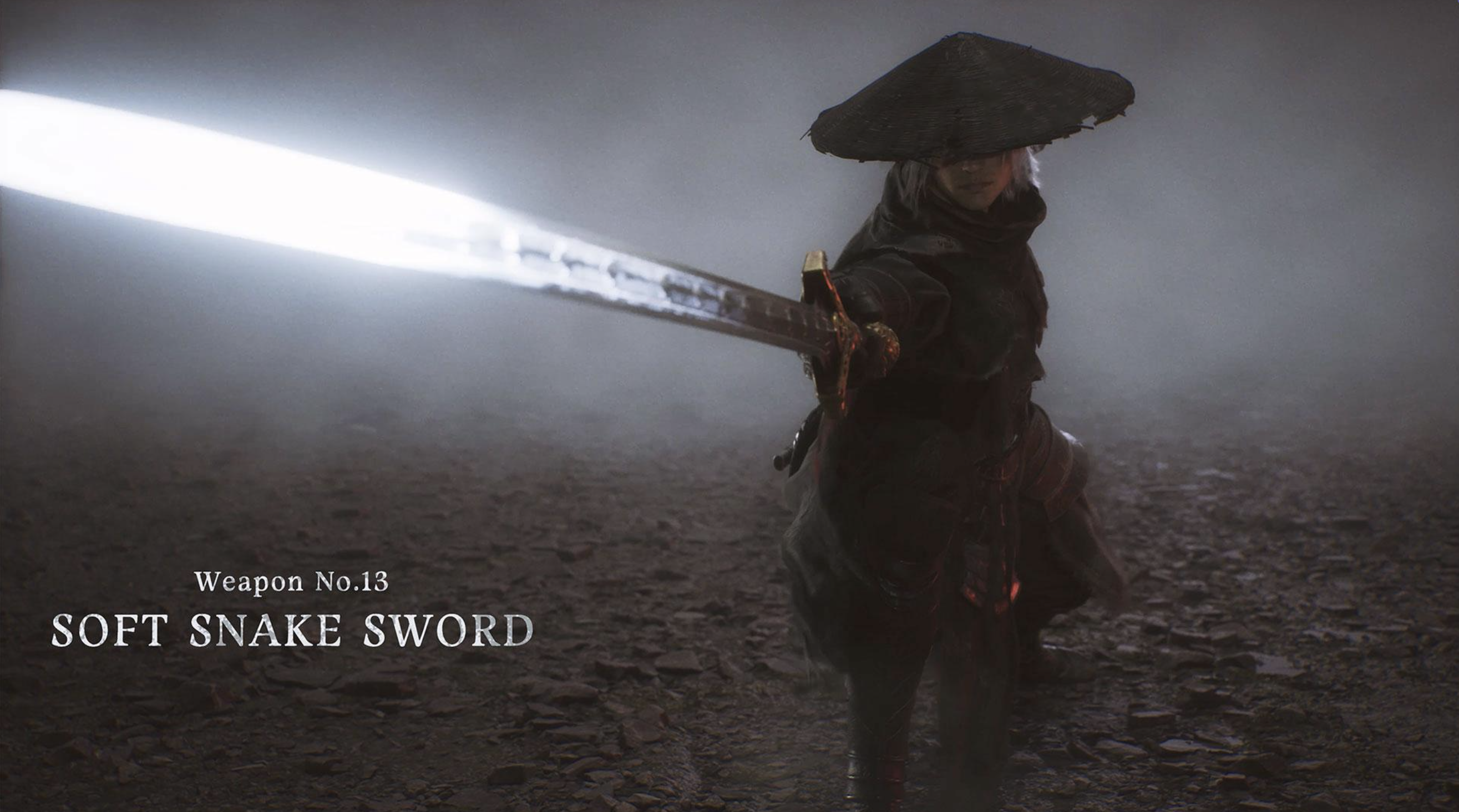
Weapons are one of the most important parts of Phantom Blade Zero's combat.
The game features a wide variety of weapons rather than locking Soul into a single moveset.
Known weapons and weapon types shown in official material include:
- Swords
- Dual blades
- Greatswords
- Spears
- Daggers
- Ranged weapons
- Specialized martial-arts weapons
Each weapon can dramatically change the rhythm of combat.
A fast weapon can prioritize quick attacks and mobility, while a heavier weapon can create slower but more powerful attack patterns.
Martial Arts Styles
This is where Phantom Blade Zero becomes particularly interesting.
The developers have drawn inspiration from real-world Chinese martial arts, rather than creating every movement entirely from scratch.
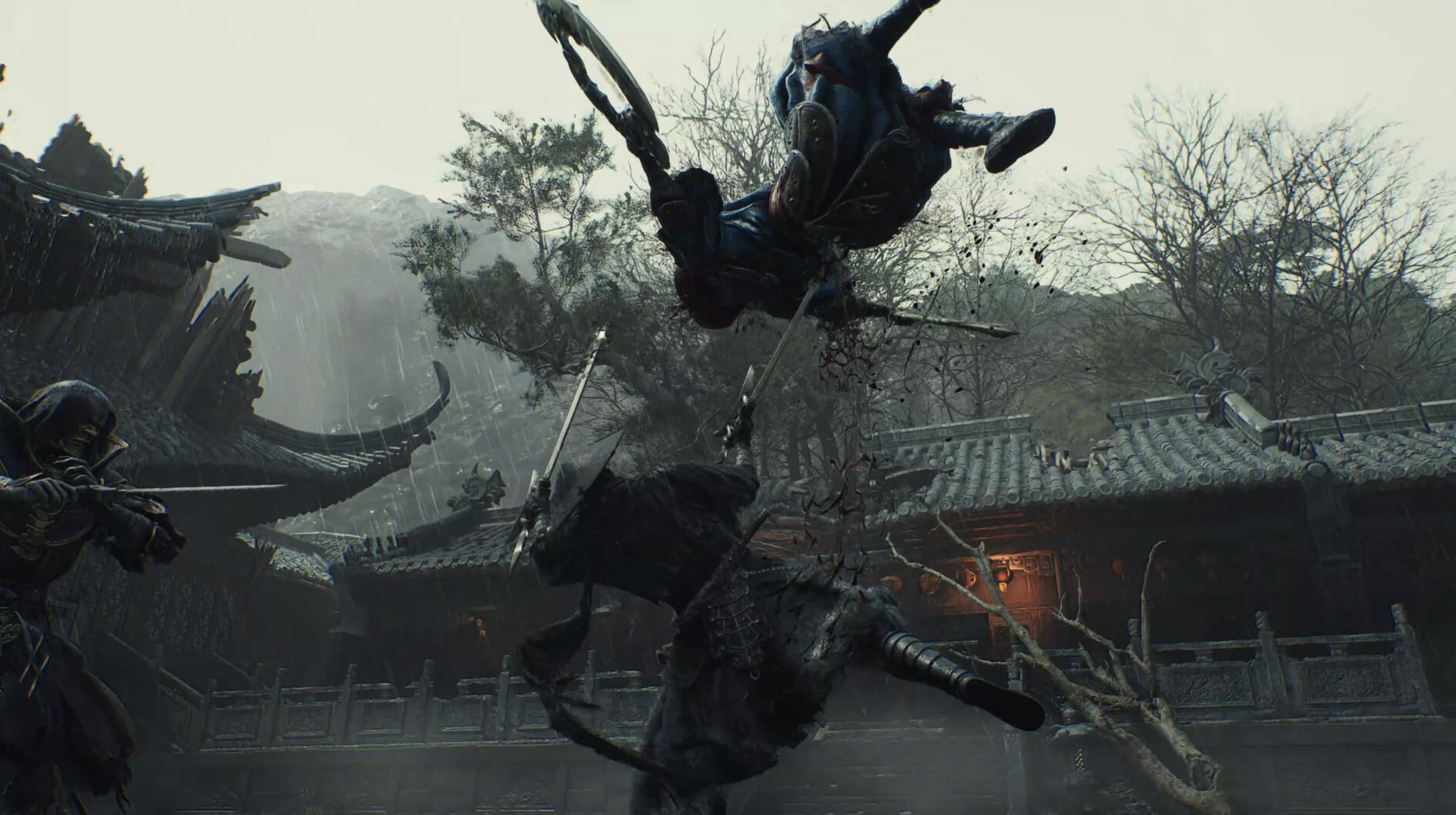
The combat is designed to resemble the exaggerated but grounded movements commonly associated with Wuxia cinema.
That means attacks aren't simply animations attached to statistics.
Footwork, weapon positioning, counters and momentum all contribute to how a fighting style feels.
Wuxia Meets Modern Action Combat
The game's combat takes the fantasy of classic Wuxia and pushes it into a modern action-game framework.
Expect to see:
- Extremely fast sword exchanges
- Counterattacks
- Dodges and evasive movement
- Weapon-specific combos
- Parrying
- Martial arts techniques
- Air attacks
- Environmental interactions
- Special finishing moves
The goal is to make fights feel closer to a choreographed martial-arts duel than a conventional RPG damage rotation.
What Makes the Combat Different?
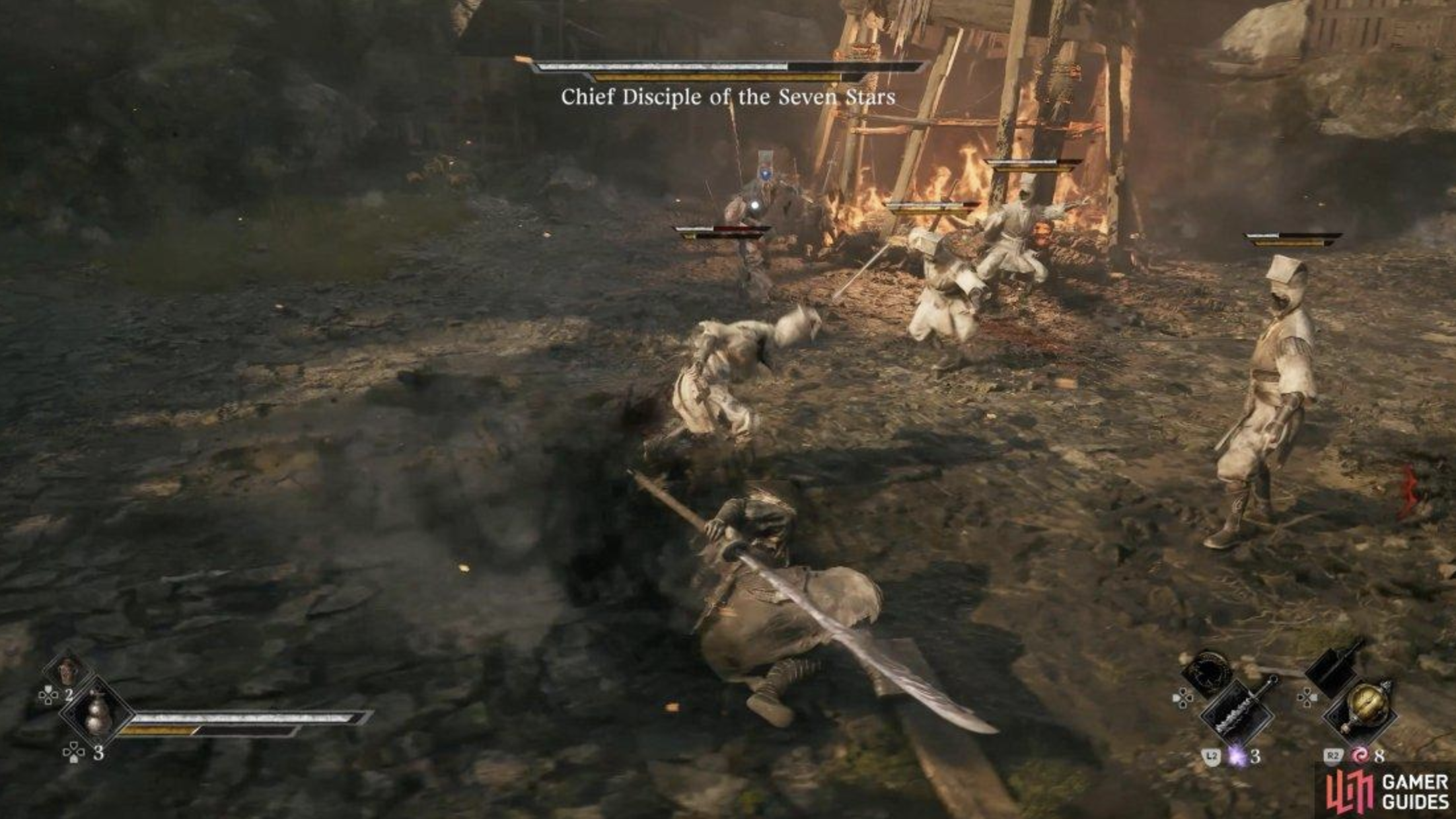
One of Phantom Blade Zero's biggest differences is its emphasis on skill rather than traditional RPG statistics.
The player needs to understand enemy attack patterns, recognize openings and react quickly.
Boss fights are particularly important because enemies can attack aggressively and force players to combine defensive and offensive mechanics.
This gives each weapon style a practical purpose.
A weapon isn't simply stronger because it has better numbers. It can change how you approach an enemy.
Are There Different Playstyles?
Yes.
Even without traditional classes, the weapon system allows players to develop recognizable playstyles.
Fast Blade Style
Focused on speed, mobility and rapid attacks.
Good for players who enjoy staying close to enemies and continuously applying pressure.
Heavy Weapon Style
Uses larger weapons for powerful attacks.
The trade-off is generally slower movement and attack timing.
Dual-Wield Style
Uses two weapons to create extremely fast attack sequences.
This style emphasizes aggressive combinations and stylish finishers.
Ranged Style
Some weapons allow Soul to attack from a greater distance.
This can provide breathing room against dangerous enemies and create opportunities to reposition.
Real-World Martial Arts Influence
One of Phantom Blade Zero's most interesting development details is its connection to real martial arts choreography.
Rather than relying entirely on generic fantasy combat animations, S-GAME has worked to create movements that feel rooted in Chinese martial-arts traditions.
The result is a combat system where attacks can look almost impossible at first glance while still maintaining recognizable martial-arts principles.
That's a major part of the game's dark Wuxia identity.
Quick Facts
| Feature | Details |
|---|---|
| Developer | S-GAME |
| Genre | Action RPG / Wuxia |
| Protagonist | Soul |
| Combat | Fast-paced melee action |
| Classes | No traditional permanent classes |
| Core system | Weapons + martial arts techniques |
| Setting | Dark Wuxia-inspired world |
| Platform | PlayStation 5, PC |
| Release | October 2026 |
| Playstyle | Weapon-dependent combat builds |
Why the Class System Matters
Phantom Blade Zero's approach gives players considerably more flexibility than a traditional class system.
You aren't permanently choosing what Soul will be.
Instead, your equipment determines how Soul fights.
That fits the game's cinematic combat philosophy because switching weapons can effectively change the choreography of an encounter.
It also means players can experiment with different fighting styles instead of committing to one class for an entire playthrough.
🎮 The Bottom Line
Phantom Blade Zero doesn't really have classes. It has combat styles.
Soul's weapons, martial arts techniques and equipment determine how he approaches a fight, allowing players to build fast, heavy, defensive or ranged approaches without being locked into a traditional RPG archetype.
Combined with real-world martial-arts influence and dark Wuxia storytelling, that system is shaping up to be one of the game's biggest selling points when Phantom Blade Zero arrives in October 2026.
Comments
Sign in to join the conversation
Sign inNo comments yet
Be the first to share your thoughts!