

The Complete Wiki to ArcheAge S Economy Fixes
ArcheAge S: Strait of Freedom is rebuilding several of the systems that made the original ArcheAge economy difficult to sustain. Following the game's first developer documentary on September 29, 2026, XL Games and Kakao Games revealed how crafting, equipment progression, resources, housing and player competition are being redesigned for the upcoming PC MMORPG.
What Is Changing?
The developers say the original ArcheAge had several structural problems. Limited housing land created competition that could prevent newer players from participating, while production could generate more resources than the economy actually needed. Equipment trading also encouraged players to repeatedly pursue whichever activities generated the most currency.
ArcheAge S is designed around a more connected progression loop, with character growth, combat, gathering, production, trade and PvP feeding into one another.
Crafting and Gear Progression
One of the biggest changes is how players obtain equipment.
In the original ArcheAge, crafting was heavily tied to gear progression. Because crafted equipment could also be traded, players could become focused on maximizing their most profitable activities.
ArcheAge S introduces several progression routes instead:
Field hunting
Dungeons
Gathering
Production
Trade
Different activities can provide different equipment and skill combinations. Some resources will also require players to participate directly in the relevant content rather than simply purchasing everything through the economy.
This means crafting remains important, but it is no longer intended to be the only meaningful route to equipment progression.
No Fixed Classes
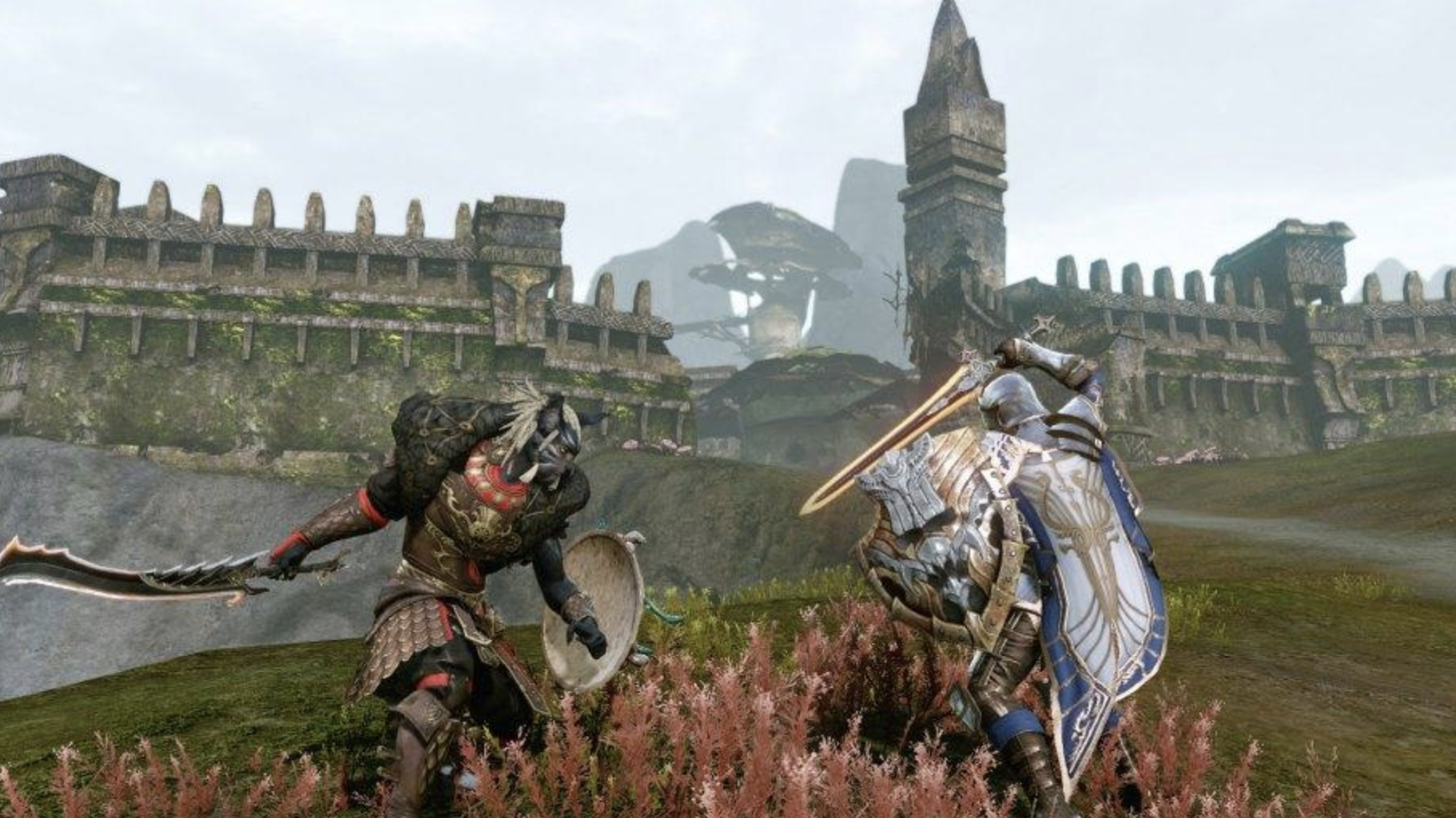
ArcheAge S is also removing the traditional fixed-class restriction.
Players build their combat style through combinations of weapons and armor. Each weapon provides four combat skills, while armor also contributes abilities.
Instead of selecting one permanent class, players can create different combat setups based on the equipment they use.
This gives the economy a direct connection to character progression because equipment is also responsible for defining a player's combat identity.
Housing Scarcity Is Being Removed
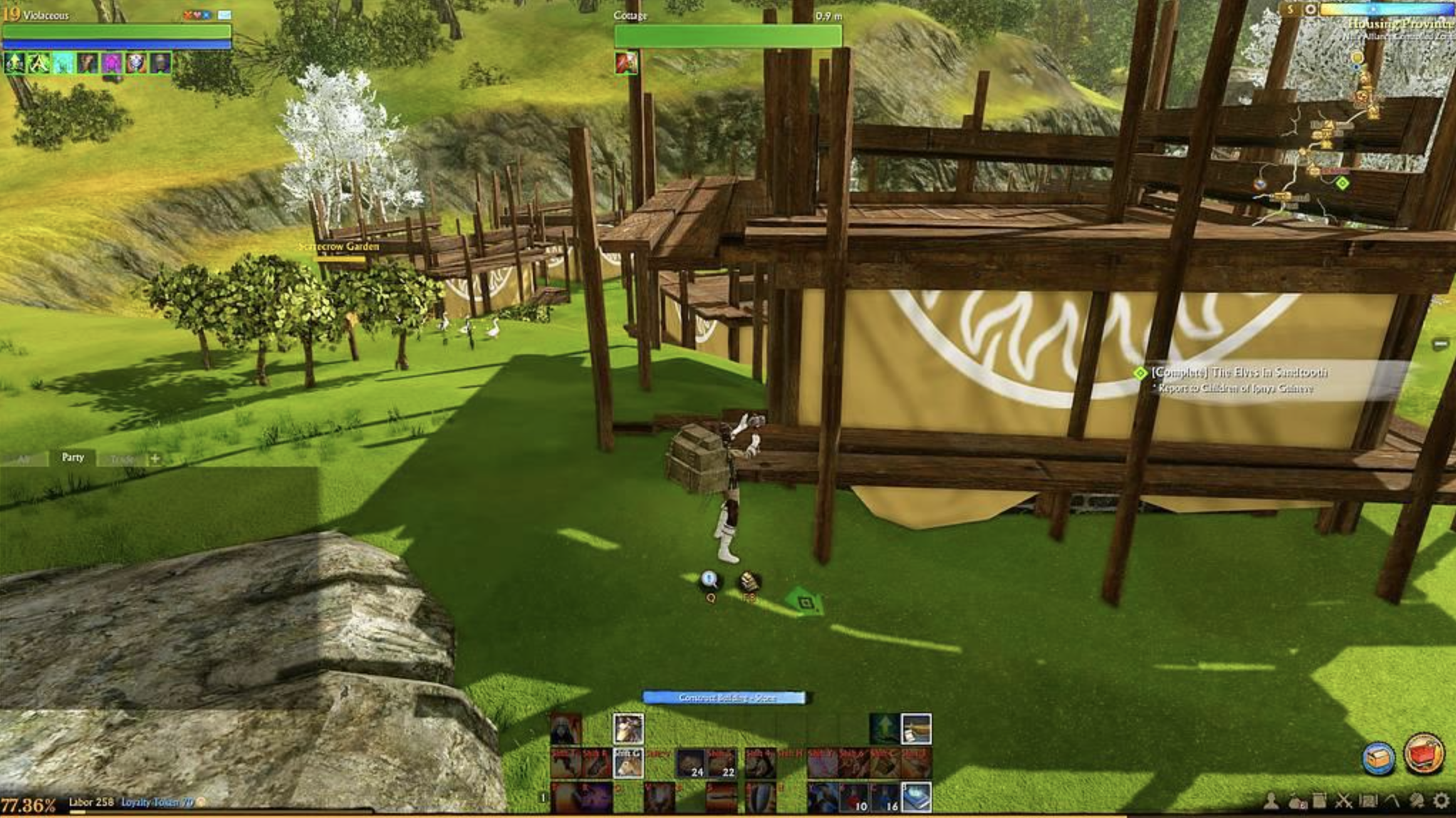
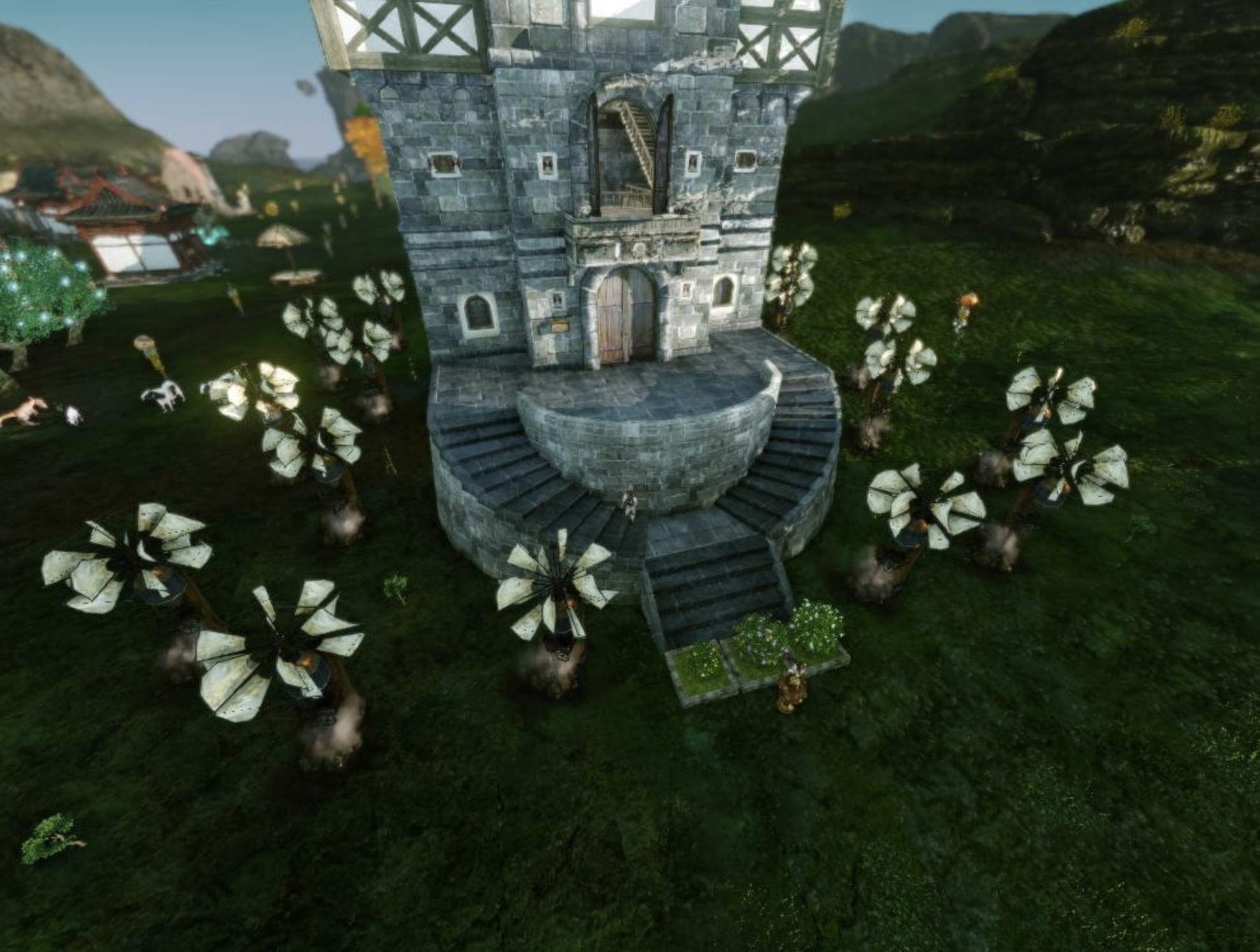
Housing was another major economic bottleneck in the original ArcheAge.
The limited supply of building land created competition and made it difficult for new players to participate in the housing system. ArcheAge S is addressing this by giving every player a personal housing space tied to their account.
The important change is that scarcity is not disappearing completely.
Instead, the developers are moving scarcity toward resources and production rather than making players compete for basic housing space.
What Happened to Pay-to-Win?
The developers directly acknowledged that the original game's economic structure, combined with its monetization model, contributed to pay-to-win concerns.
ArcheAge S is designed to reduce that pressure by making progression less dependent on simply purchasing or trading for powerful equipment. Some materials will require actual participation in the content that produces them.
However, the game's complete monetization model has not yet been fully established publicly, so it is too early to describe ArcheAge S as definitively having eliminated every form of pay-to-win monetization.
Quick Facts
| Detail | ArcheAge S Economy |
|---|---|
| Developer | XL Games |
| Publisher | Kakao Games |
| Platform | PC |
| Target Release | Q2 2027 |
| Classes | No fixed classes |
| Gear Sources | Hunting, dungeons, gathering, production and trade |
| Crafting | Still part of progression |
| Housing | Personal housing space |
| Resources | Intentionally limited |
| Trade | Connected to production and progression |
| Monetization | Further details pending |
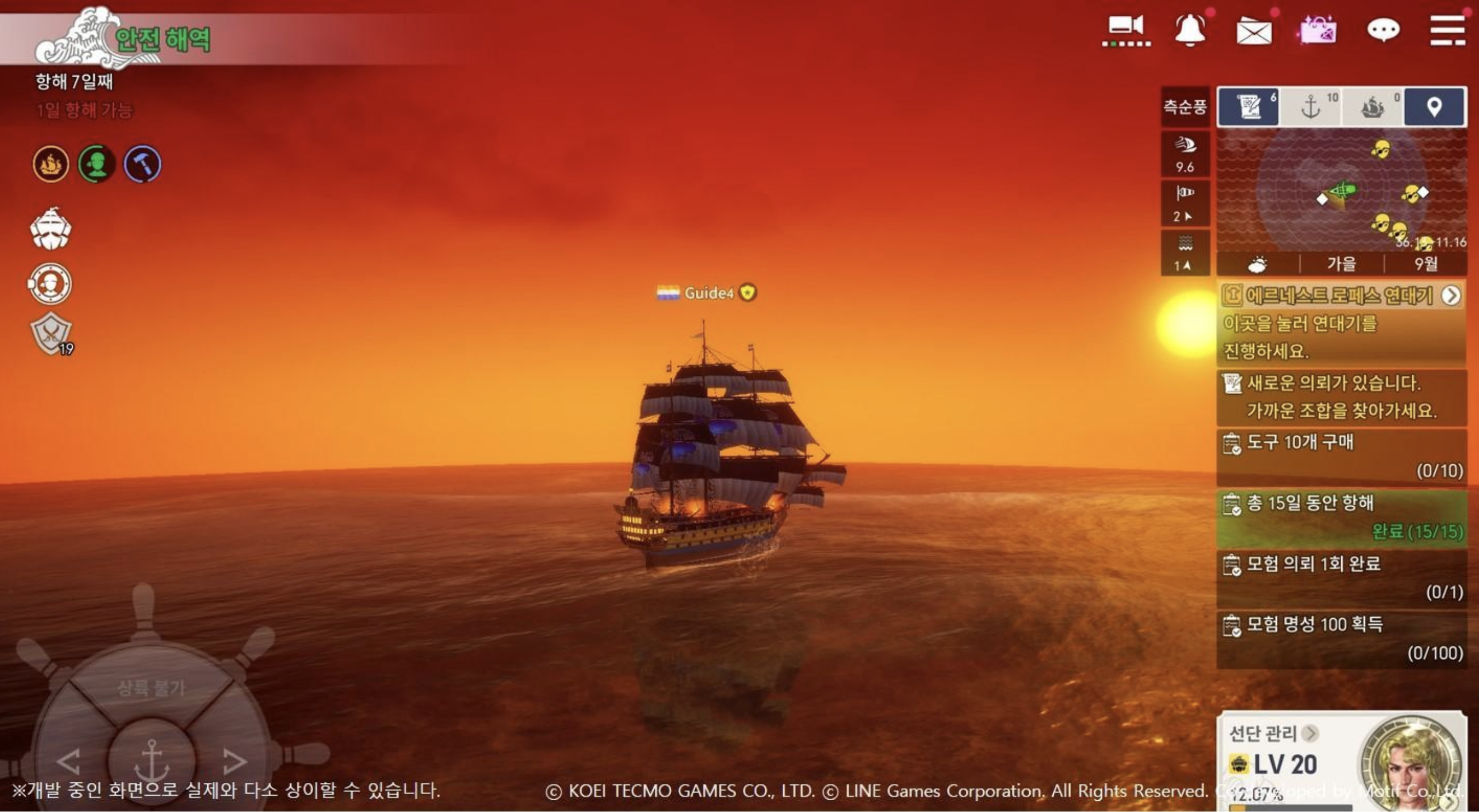
Kakao Games currently targets a Q2 2027 global PC release, with Steam positioned as the primary service platform.
What's Next?
The September 29 developer documentary is the first major look at ArcheAge S, and the developers are expected to reveal more details through additional developer updates.
For now, the central economic philosophy is clear: keep scarcity and player interaction, but remove the bottlenecks that made the original economy difficult for new players and overly dependent on specific progression routes.
Whether those changes successfully prevent the same economic problems will only become clear once players can actually test the systems at scale.