
xQc's Subathon Rant: Are Endless Streams Just 'Begging For Money'?
The modern livestreaming world has turned the subathon into one of its biggest spectacles. What started as a relatively simple idea, where a streamer extends a broadcast every time viewers subscribe, has evolved into enormous productions featuring celebrity guests, elaborate sets, sponsorships and streams that can continue for days or even weeks.
But xQc has a problem with where the format has ended up.
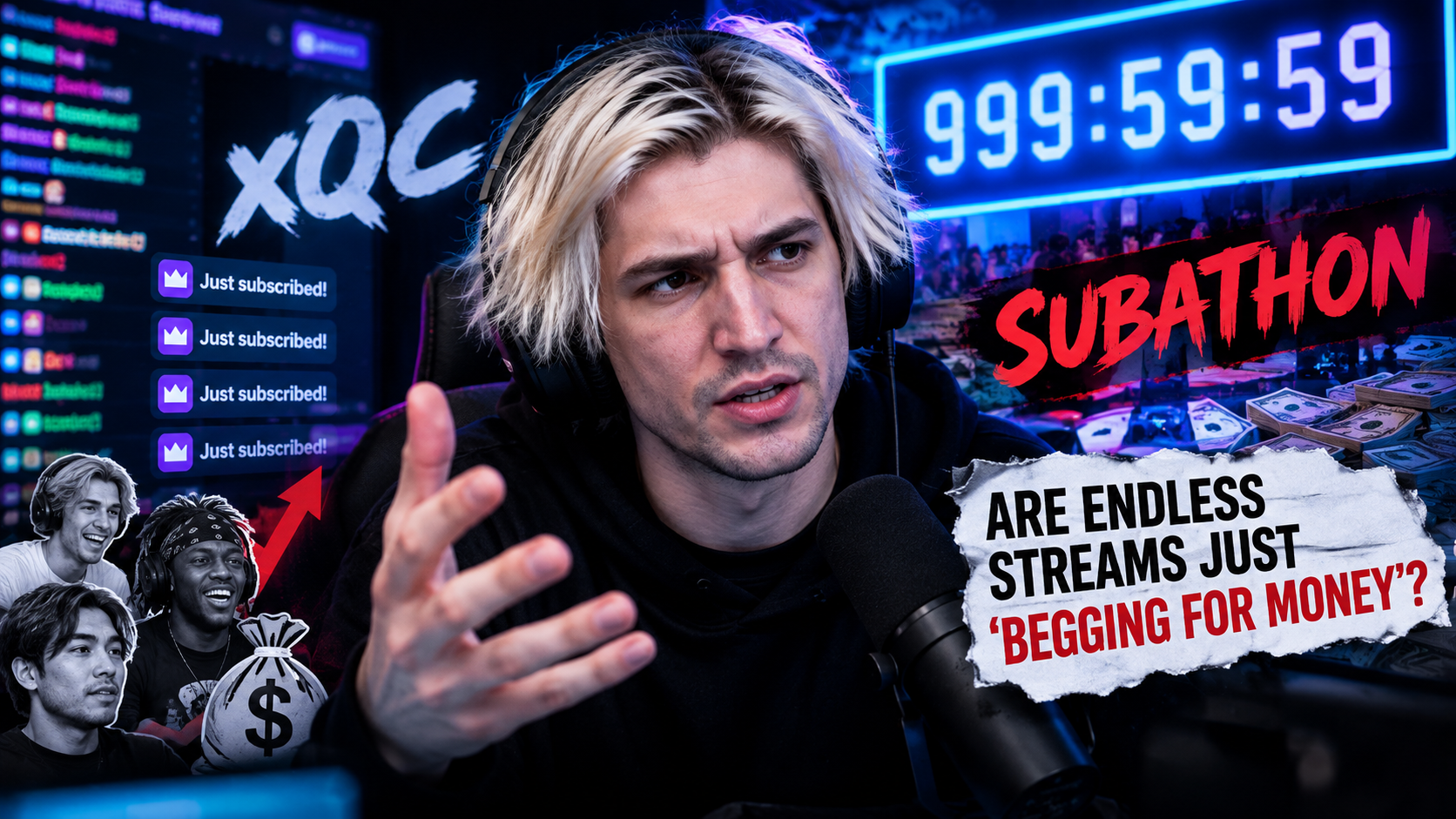
During a recent livestream, Felix "xQc" Lengyel discussed the evolution of subathons after coming across a search asking whether he had ever hosted one. His response was less about whether he could run a subathon and more about why he believes the format has changed.
According to xQc, early subathons were primarily a way for smaller creators to generate enough income to support themselves for an extended period. Today's biggest events, he argued, can look very different, with already-successful streamers using extremely long broadcasts to maximize revenue.
That criticism raises a bigger question for the streaming industry:
Have subathons evolved from community-driven events into sophisticated monetization machines?
────────────────────────────────────────
────────────────────────────────────────
What Did xQc Actually Say?
xQc's comments came while he was discussing his history with the subathon format.
The streamer has talked about doing a subathon several times over the years. He mentioned possible 60-day, 90-day and other marathon streaming plans at different points, but never actually followed through with one.
His latest comments focused on how the format has changed.
According to coverage from Win.gg, xQc described older subathons as something smaller streamers could use to generate enough subscription revenue to help support themselves for weeks or months.
He contrasted that with what he sees as the modern version, where major creators can already be extremely successful financially but still use extended streaming events to push subscriber numbers even further.
That is where his "begging for money" criticism comes into the conversation.
Importantly, xQc's statement is his characterization of the business model. It does not establish that every modern subathon is simply a money grab.
────────────────────────────────────────
────────────────────────────────────────
How the Original Subathon Worked
The basic concept behind a subathon is remarkably simple.
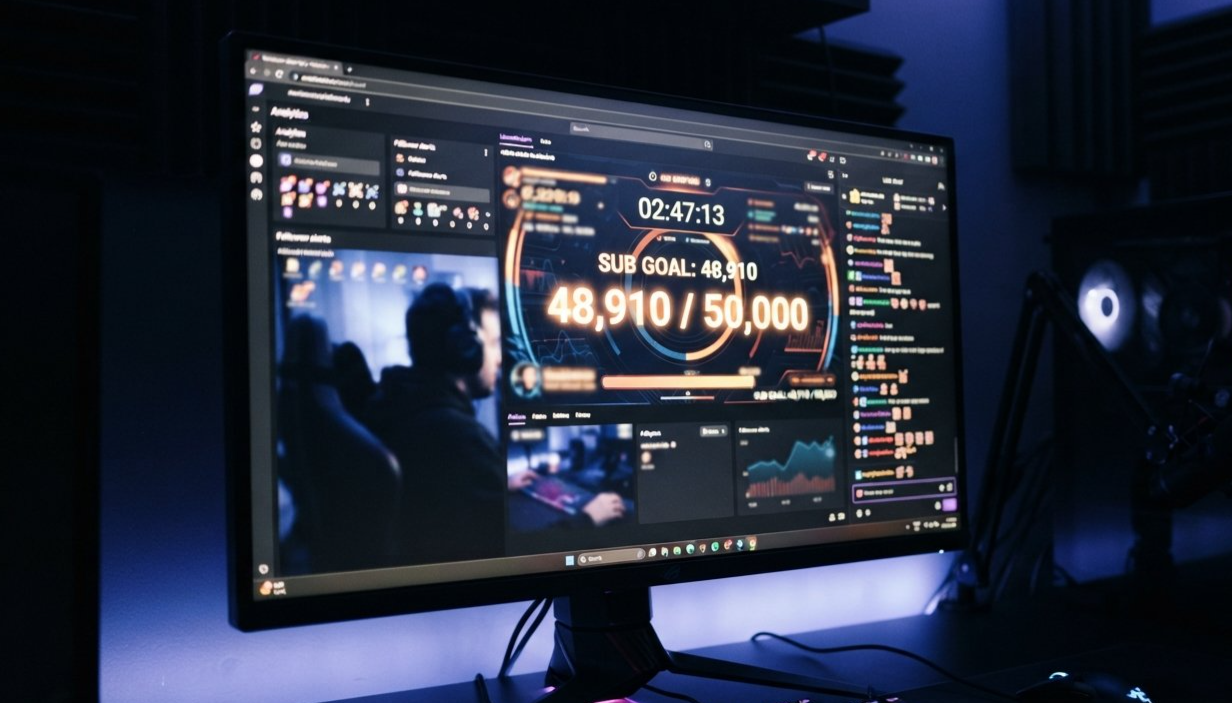
A streamer starts a broadcast with a timer. Viewer subscriptions add additional time to that timer, meaning the stream continues as long as enough people keep subscribing.
The format creates a direct relationship between viewer spending and stream duration.
For smaller creators, that relationship can be particularly attractive.
Instead of asking viewers to donate without receiving anything tangible in return, a subathon turns the subscription itself into part of the event. Viewers can feel like their support is directly helping determine what happens next.
The model also creates urgency.
A timer approaching zero gives viewers a reason to subscribe immediately rather than waiting for another stream.
That psychological loop is one of the reasons the format can become so effective.
────────────────────────────────────────
The Ludwig Effect
The modern subathon was transformed dramatically by Ludwig Ahgren's 2021 event.
Ludwig's original subathon was designed around the same basic timer concept, but the broadcast continued far longer than many people expected.
The event ultimately lasted 31 days.
During that period, the stream became much more than someone sitting in front of a webcam. It evolved into an ongoing reality show involving games, guests, challenges, daily routines and increasingly unpredictable moments.
The enormous attention surrounding Ludwig's event demonstrated something important to the streaming industry:
A livestream did not necessarily have to be a single session.
It could become an event that audiences followed continuously.
That idea would later influence some of the biggest creators in the world.
────────────────────────────────────────
How Kai Cenat Changed the Format
Kai Cenat pushed the concept in another direction.
His Mafiathon events transformed the subathon into something closer to a large-scale entertainment production.
Instead of relying purely on the novelty of watching a streamer remain live, the format increasingly incorporated celebrity appearances, collaborations, challenges and highly produced moments.
The result was a livestream that could function more like television programming while retaining the interactive nature of Twitch.
Kai's events also demonstrated how subscription goals could become part of the spectacle itself.
The bigger the subscriber milestones became, the bigger the surrounding conversation became.
That created a feedback loop:
More viewers created more subscriptions.
More subscriptions created bigger milestones.
Bigger milestones created more attention.
More attention brought in additional viewers.
This is a very different environment from the smaller creator subathons xQc was describing.
────────────────────────────────────────
────────────────────────────────────────
Why xQc Thinks the Modern Version Is Different
The central point behind xQc's criticism is not that subscriptions themselves are bad.
It is the scale and context surrounding them.
In the early days of livestreaming, a streamer asking viewers for subscriptions could represent a relatively direct form of financial support.
The creator needed the money.
The audience understood that supporting the channel helped keep the creator online.
But the economics of top-level streaming have changed.
Major creators can now generate revenue through subscriptions, advertising, sponsorships, merchandise, platform deals, brand partnerships and other business arrangements.
That changes how viewers can perceive an aggressive subscription-driven event.
If a creator already has a massive audience and multiple revenue sources, some viewers may question why the stream needs to continuously emphasize additional subscriptions.
That is essentially the tension behind xQc's argument.
────────────────────────────────────────
The Economics Behind Endless Streaming
There is another side to the discussion that is easy to overlook.
A subathon is not simply a creator asking for money.
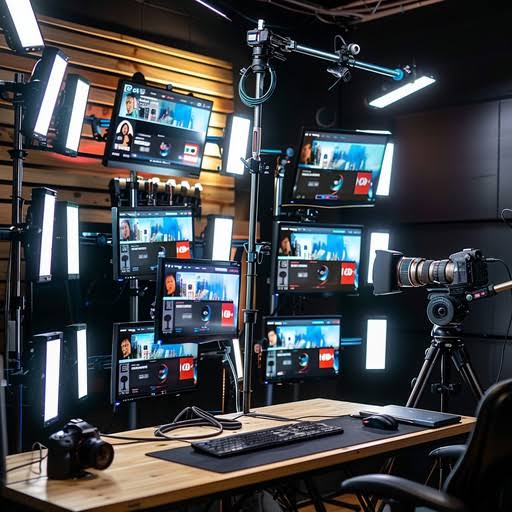
It can also be an extremely expensive production.
Large events may involve:
| Cost Area | Potential Expenses |
|---|---|
| Production | Cameras, lighting, audio and technical staff |
| Location | Studios, houses or event venues |
| Guests | Travel, accommodation and production logistics |
| Staff | Moderators, producers, editors and assistants |
| Content | Challenges, games, sets and activities |
| Marketing | Promotional videos and social media campaigns |
| Technology | Streaming hardware, internet and backup systems |
The larger a subathon becomes, the more it can resemble a temporary media production.
That means revenue is not necessarily equivalent to personal profit.
This is one reason the debate cannot be reduced to a simple "streamer gets subscriptions, therefore streamer gets rich" equation.
At the same time, xQc's criticism raises a legitimate question about incentives.
If every additional subscription extends the broadcast, the structure naturally encourages creators to keep monetization active for as long as possible.
────────────────────────────────────────
────────────────────────────────────────
Is Asking for Subs Really "Begging"?
This is where xQc's language becomes controversial.
Calling subscription-driven streaming "begging for money" frames the behavior as fundamentally different from selling entertainment.
But livestreaming has always depended on some form of audience monetization.
A viewer buying a movie ticket, subscribing to Netflix, purchasing a game or donating to a creator are all different versions of paying for entertainment.
The distinction with livestreaming is the level of interaction.
The viewer can directly influence what happens.
A subscription may extend a timer.
A donation may trigger an alert.
A membership milestone may unlock an event.
That interaction can make spending feel less like a conventional purchase and more like participation.
For fans, that is part of the appeal.
For critics, it can make the monetization harder to separate from the entertainment itself.
────────────────────────────────────────
Why Viewers Keep Paying
If subathons were purely about extracting money from viewers, they would not work for long.
There has to be something on the other side of the transaction.
For many viewers, that something is access.
They get to watch a creator for hours or days, interact through chat and potentially influence the event.
There is also a social component.
Large livestream events can become shared experiences. Viewers discuss what happened on social media, watch clips together and return repeatedly because they do not want to miss the next major moment.
The longer the event continues, the stronger the feeling of being part of something ongoing can become.
This is particularly important for younger internet audiences who increasingly consume entertainment through livestreams rather than traditional television.
────────────────────────────────────────
The Problem With Endless Streams
There is still a potential downside to the format.
When the financial incentive is directly connected to the length of a stream, there is an obvious reason to keep extending it.
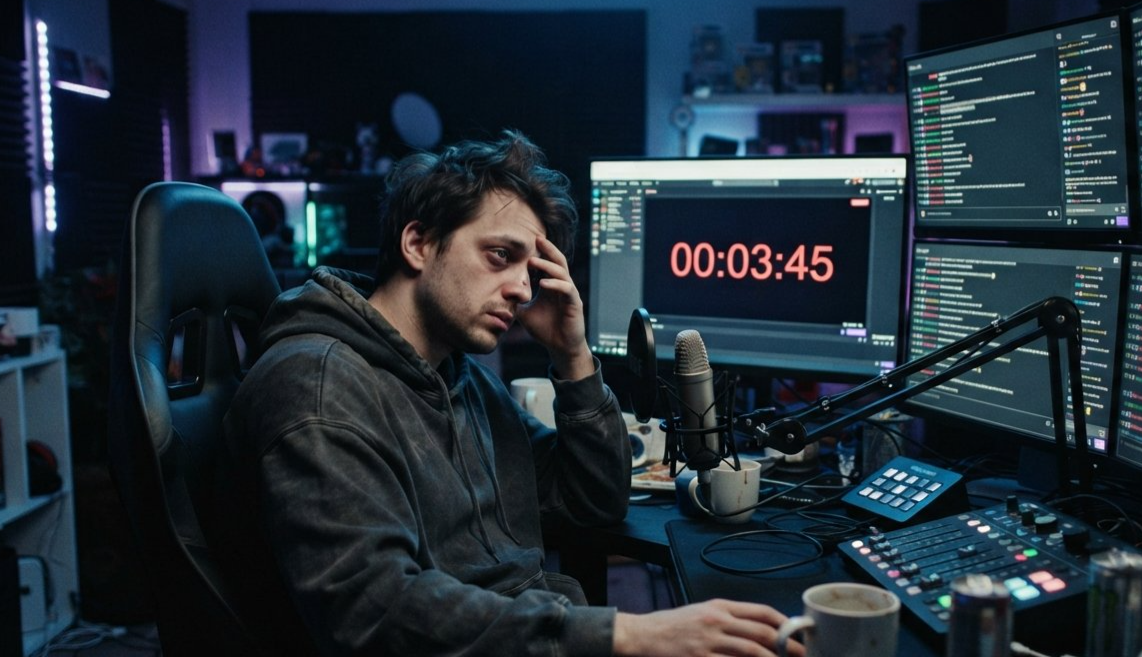
That can create pressure on creators to remain online even when the content itself is becoming repetitive.
The result can be a strange contradiction.
The stream becomes financially successful because it is long.
But the longer it becomes, the harder it may be to maintain genuinely interesting content throughout the entire broadcast.
That can encourage filler.
Background conversations.
Sleeping streams.
Reaction segments.
Repeated challenges.
Long stretches of waiting.
None of these are automatically bad. Some viewers genuinely enjoy the slower parts of livestreaming.
But they raise the question of whether the timer itself has become the content.
────────────────────────────────────────
────────────────────────────────────────
What Subathons Have Become
The modern subathon is arguably several different things at once.
For smaller creators, it can still be a straightforward fundraising strategy.
For established creators, it can become an entertainment event.
For platforms, it can generate enormous amounts of viewer activity.
For advertisers, it can create a concentrated period of attention.
And for audiences, it can become a social event that people follow for days.
That complexity makes xQc's criticism interesting.
He is essentially comparing two different eras of streaming.
The earlier model was built around survival and community support.
The modern model can be built around scale.
That does not automatically make one legitimate and the other illegitimate. It does, however, explain why the same word, "subathon," can describe very different types of broadcasts.
────────────────────────────────────────
The Bigger Streaming Industry Question
The real debate may not be whether subathons are good or bad.
It is whether livestreaming has reached a point where monetization mechanics are becoming inseparable from content design.
Traditional television does not usually tell viewers that buying another subscription will extend tonight's episode by ten minutes.
Livestreaming can.
That creates a unique economic relationship between creator and audience.
The viewer is not simply watching the show.
The viewer can help determine how long the show exists.
That is a powerful idea.
It is also exactly why the format can generate so much debate.
────────────────────────────────────────

────────────────────────────────────────
FAQ
What is a subathon?
A subathon is a livestream marathon where subscriptions or other forms of audience support can extend the length of the broadcast.
Has xQc done a subathon?
Despite discussing and proposing subathons several times over the years, xQc has not actually hosted the large-scale subathon events he previously talked about.
Why does xQc criticize modern subathons?
xQc has argued that older subathons were primarily used by smaller creators to generate enough income to support themselves, while modern events can involve already-successful streamers using extended broadcasts to maximize revenue.
Who popularized the modern subathon?
Ludwig Ahgren's 31-day 2021 subathon played a major role in transforming the format into a mainstream livestream event.
How did Kai Cenat change subathons?
Kai Cenat expanded the format into large-scale entertainment events involving celebrities, collaborations, challenges and major subscriber milestones.
Are subathons only about making money?
No. Revenue is a major component of the format, but subathons can also function as community events, entertainment productions, promotional campaigns and interactive broadcasts.
────────────────────────────────────────
Final Takeaway
xQc's subathon rant touches on a much larger change in the creator economy.
The original idea behind a subathon was relatively simple: viewers support a streamer, and that support keeps the broadcast alive.
Today, the biggest subathons can be enormous entertainment productions with celebrity guests, elaborate sets, sponsorships and massive subscriber goals.
That evolution has created new opportunities for creators, but it has also made the financial mechanics of livestreaming impossible to ignore.
For xQc, the modern version can look like wealthy creators continuously asking already-engaged audiences for even more money.
For supporters of the format, the same events can represent a new form of interactive entertainment where viewers willingly pay because they enjoy participating in something larger than a normal stream.
The interesting question is therefore not simply whether subathons are "begging for money."
It is whether the audience still feels that the entertainment they receive is worth the price of keeping the timer running.
And as livestreaming continues moving toward longer, larger and more commercially sophisticated productions, that question is unlikely to disappear.