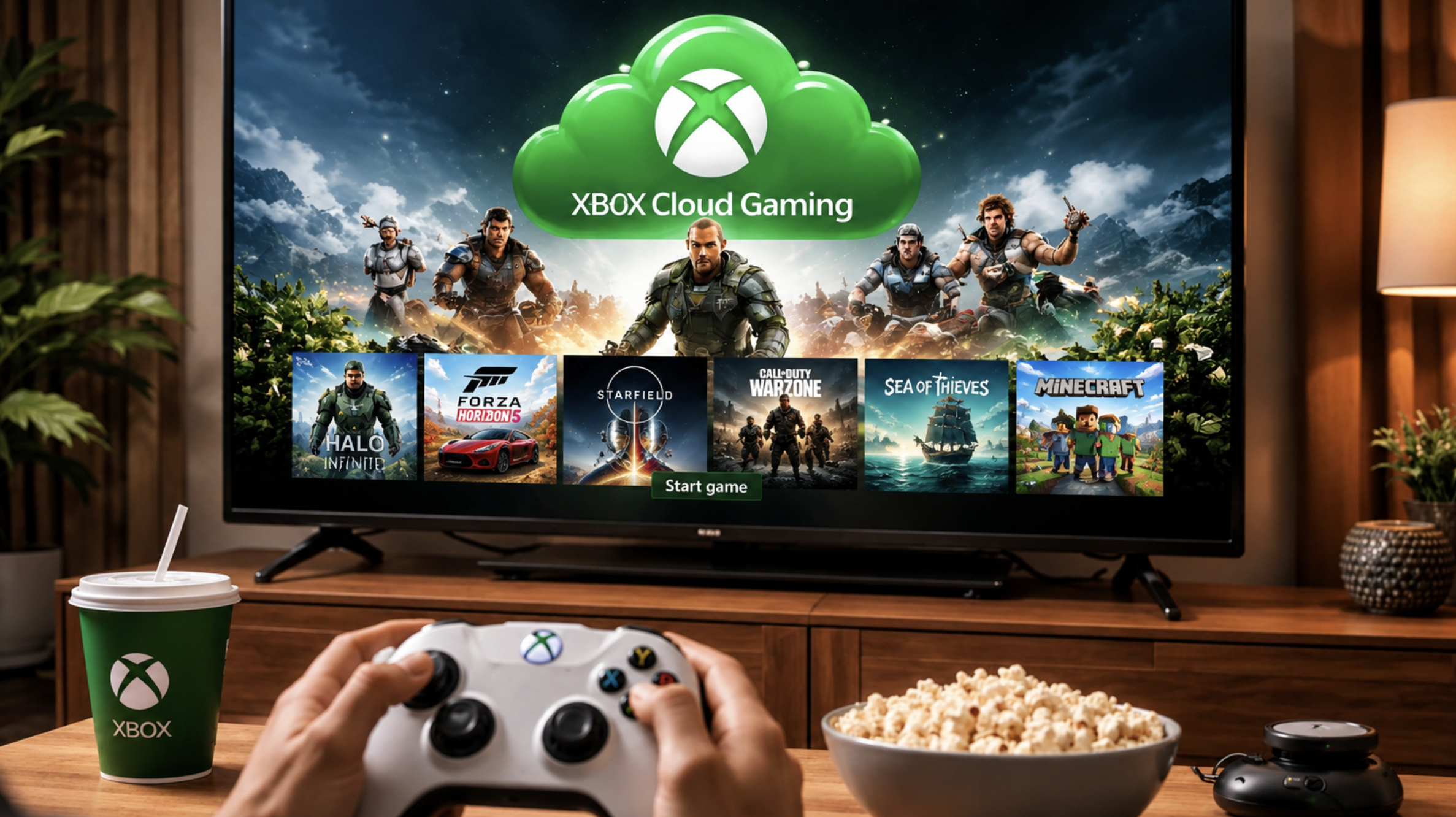

Xbox Just Put a Clock on Cloud Gaming
For years, Xbox Cloud Gaming was one of Game Pass's biggest selling points: pay your subscription and stream supported games without worrying about downloads or hardware.
That's about to change.
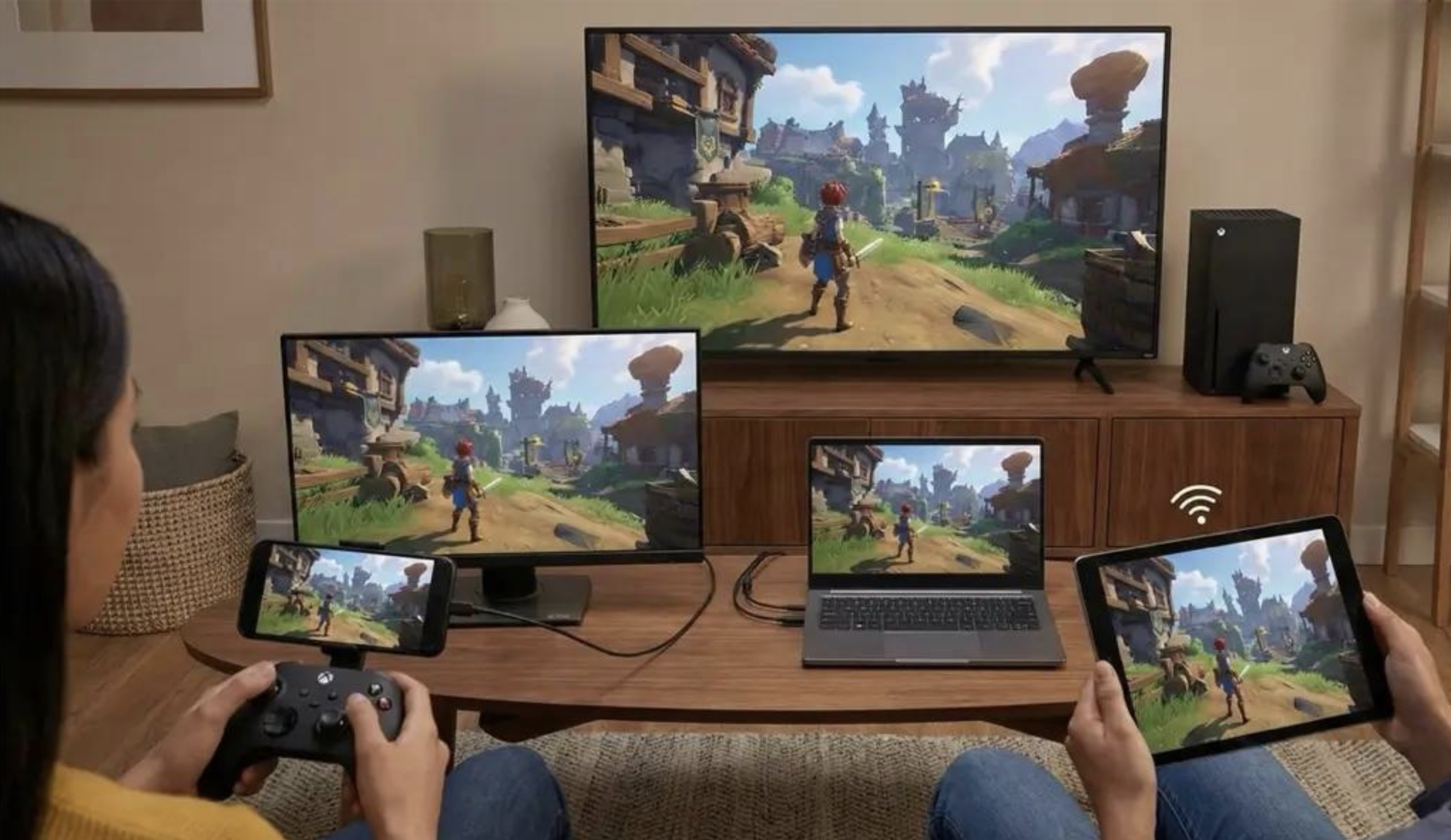
Starting in November 2026, Microsoft will introduce monthly cloud gaming limits across Game Pass. Ultimate subscribers will receive 15 hours per month, Premium gets 10 hours, and Essential gets just 5.
Once those hours run out, players can purchase additional cloud playtime through the Xbox Store.
For Microsoft, it's a way to control the growing cost of running cloud gaming.
For players, it raises a much bigger question:
If cloud gaming is no longer effectively unlimited, what exactly is Game Pass becoming?
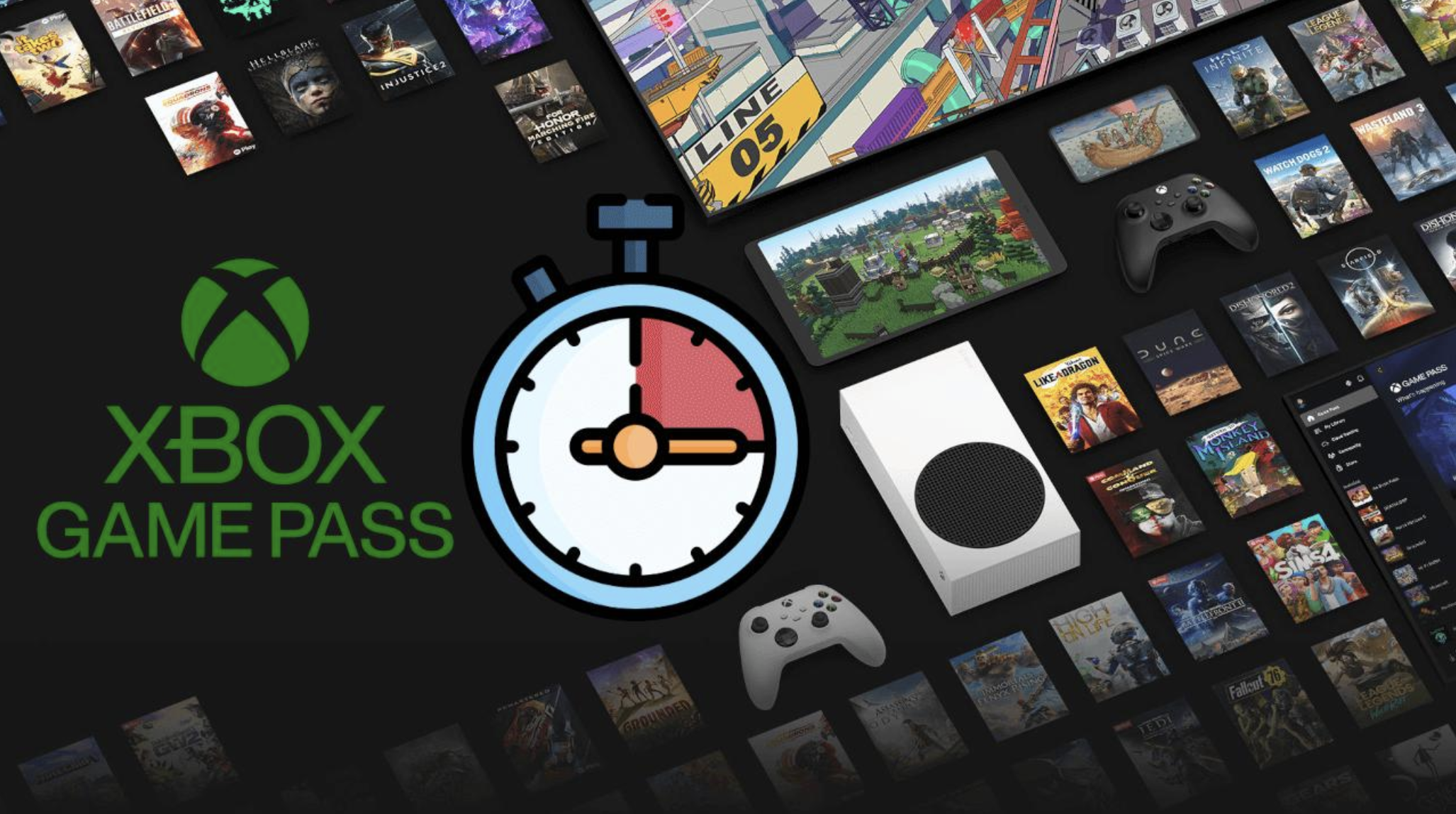
Game Pass Cloud Gaming Is No Longer Unlimited
The change is significant because Xbox Cloud Gaming has traditionally been an unlimited benefit for eligible Game Pass subscribers.
Microsoft says the new limits are expected to affect around 4% of Game Pass subscribers.
The new monthly allowances are:
| Game Pass plan | Monthly cloud gaming |
|---|---|
| Ultimate | 15 hours |
| Premium | 10 hours |
| Essential | 5 hours |
Fifteen hours might sound reasonable until you actually compare it with how people play games.
A single large RPG can take dozens of hours.
A multiplayer player can easily spend 15 hours in a few sessions.
And someone using cloud gaming as their primary way of playing Xbox games could burn through the allowance surprisingly quickly.
That's why the change feels much bigger than a simple subscription adjustment.
Why Microsoft Is Doing This
Microsoft isn't hiding the reason.
Cloud gaming gets more expensive as people use it more.
Every streamed game requires Microsoft's infrastructure to render the game and deliver the video feed to the player. More players and longer sessions mean higher operating costs.
Microsoft says the new model allows it to continue investing in the service's reliability and performance while managing those costs.
There's another important detail, though.
Microsoft isn't abandoning cloud gaming.
It's actually expanding it.
Starting in November, people without Game Pass will also be able to purchase cloud playtime and stream eligible games they already own.
That creates a fascinating contradiction.
Xbox is simultaneously making cloud gaming more accessible and more heavily metered.
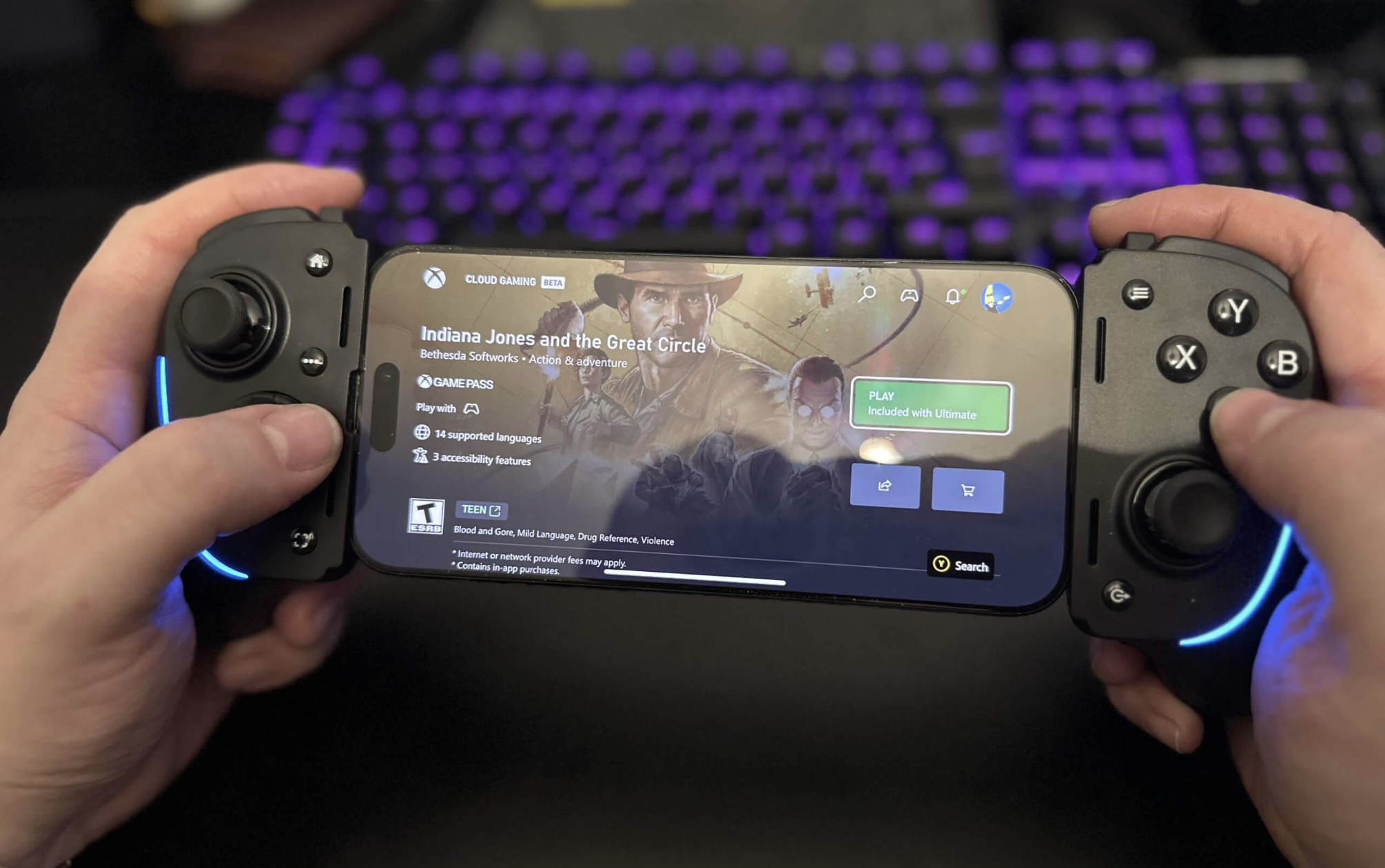
Xbox Is Turning Cloud Gaming Into a Pay-As-You-Go Service
This may be the most important part of the announcement.
Previously, cloud gaming was largely positioned as a subscription benefit.
Now Microsoft is introducing a second model:
Don't want Game Pass? Buy cloud hours when you need them.
That could make sense for casual players.
Someone who only wants to stream a game occasionally doesn't necessarily need an ongoing Game Pass subscription.
But it also changes the way Microsoft can monetize cloud gaming.
Instead of selling unlimited access and absorbing the cost of heavy users, Xbox can increasingly separate subscription access from actual cloud usage.
The exact price of additional hours hasn't been announced yet. Microsoft says it will provide more information before the November changes take effect.
And that price could determine whether players see this as a reasonable change or a serious downgrade.
The 15-Hour Limit Is Especially Interesting for Console-Free Gaming
Cloud gaming has become one of Microsoft's biggest tools for expanding Xbox beyond the traditional console.
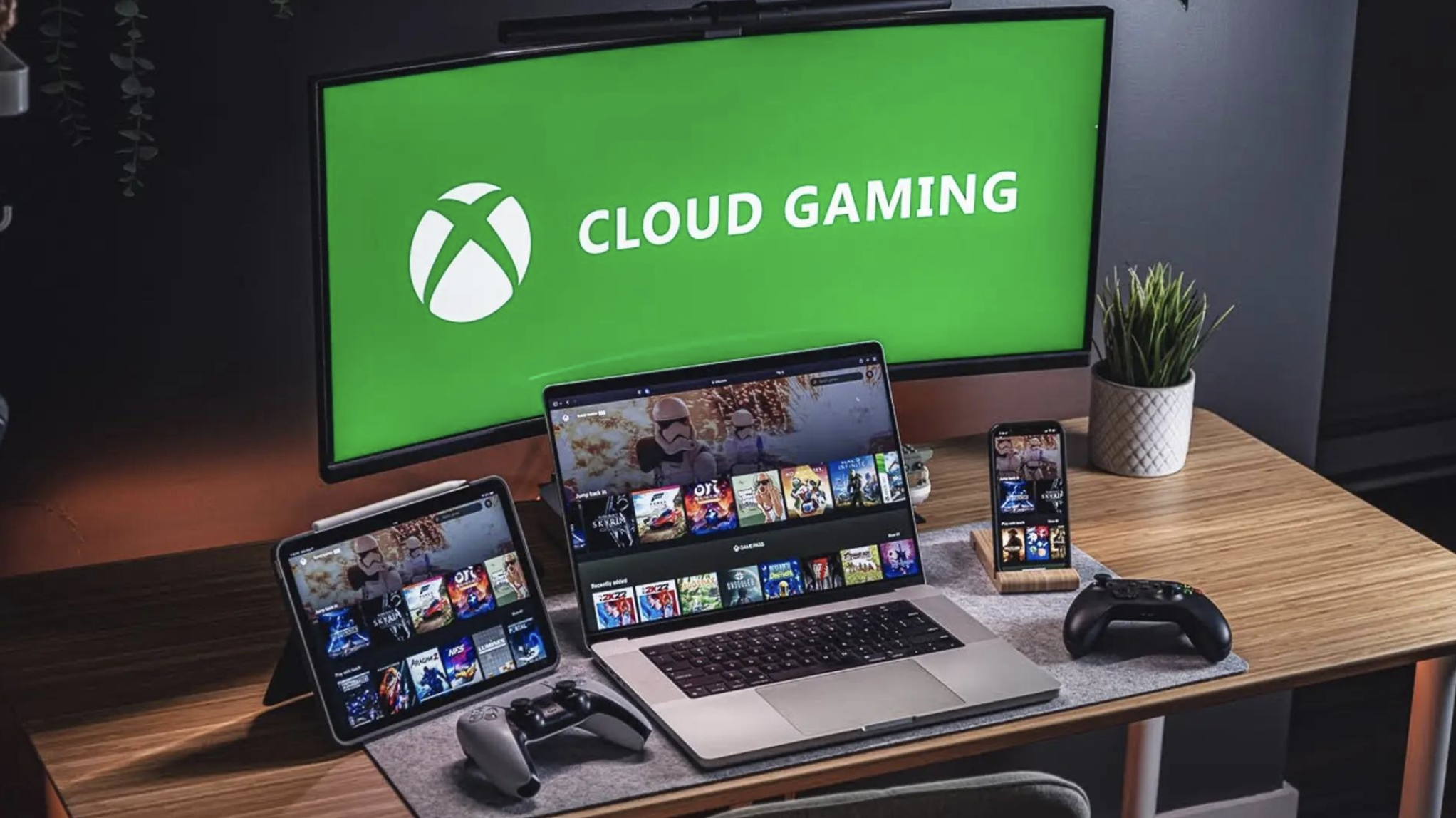
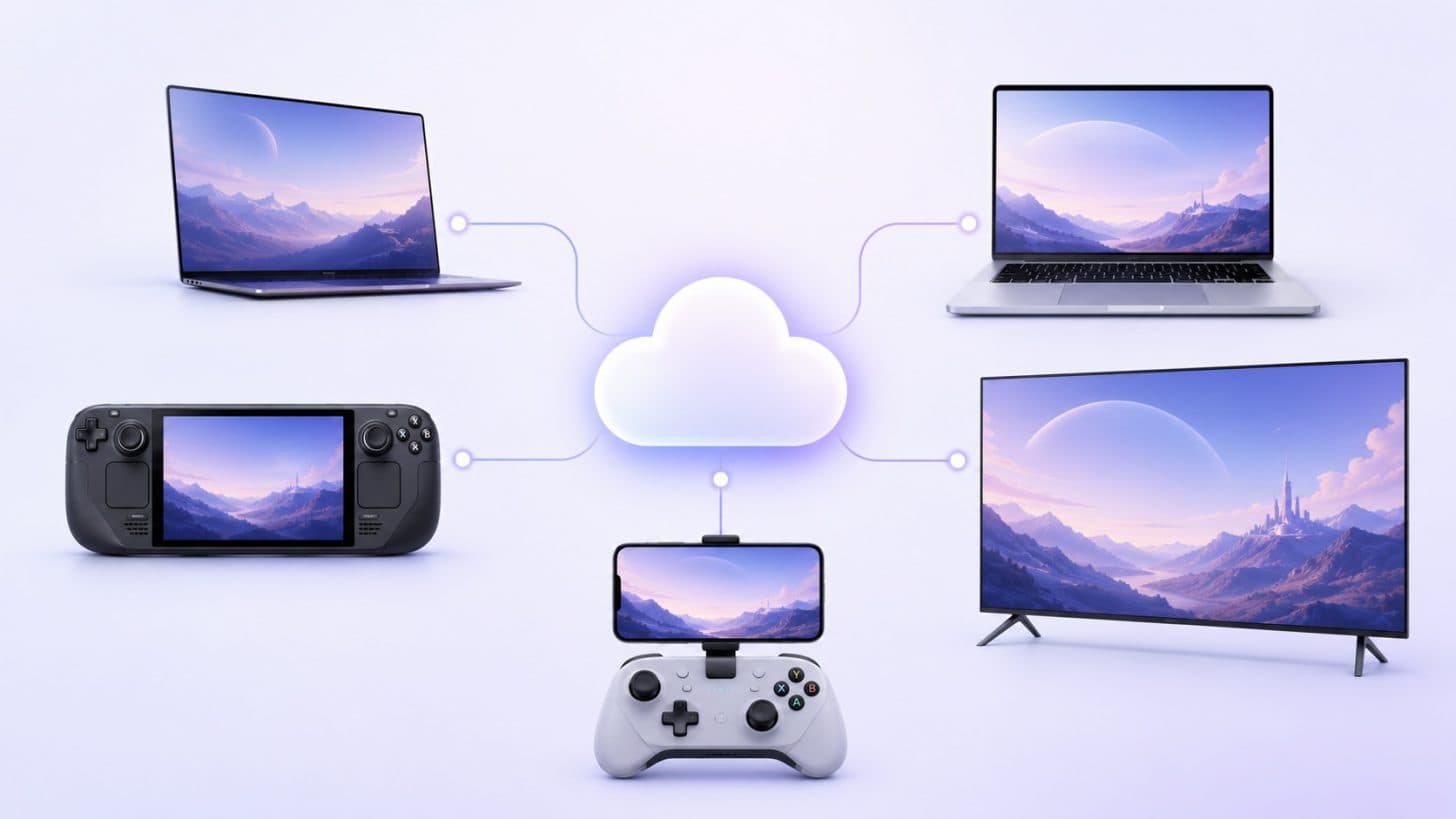
You can already play supported Xbox games across phones, PCs, tablets and compatible TVs.
Microsoft is also expanding the Xbox app to TCL Smart TVs, giving players another way to access Xbox games without an Xbox console.
That's where the new limits become awkward.
The entire appeal of cloud gaming is convenience:
No console. No huge download. Just press play.
But if someone is using cloud gaming as their primary gaming platform, 15 hours a month suddenly becomes a meaningful restriction.
A player could spend that entire allowance on one weekend.
That doesn't make cloud gaming useless.
But it does make the economics much more complicated.
Why Players Are Already Angry
The backlash isn't really about Microsoft charging for cloud gaming.
It's about removing something players already had.
Game Pass users currently have cloud access without these monthly hour limits. Microsoft itself acknowledges that introducing the limits is a meaningful change.
Online reactions have been particularly negative toward the 15-hour Ultimate allowance, with players questioning how anyone is supposed to finish larger games through cloud streaming within that limit.
And there's a psychological difference between:
"Cloud gaming is included with your subscription."
and
"Cloud gaming is included for 15 hours."
The second makes every gaming session feel like you're spending a limited resource.
That could change how people use the service.
What Happens Next?
The biggest missing piece is pricing.
Microsoft hasn't revealed how much additional cloud playtime will cost, how the purchasing bundles will work, or whether unused hours will carry over. Those details are expected before the November rollout.
Those decisions could determine whether this becomes a minor annoyance or a major problem for Game Pass.
There's also a bigger question about Microsoft's long-term cloud strategy.
Xbox has spent years building the idea that Xbox is an ecosystem rather than a box.
Cloud gaming is central to that vision.
If Microsoft wants more people to play Xbox without buying Xbox hardware, it needs cloud gaming to remain attractive.
And that means finding a balance between keeping the service profitable and keeping players interested enough to use it.
🎮 The Bottom Line
Xbox Cloud Gaming isn't disappearing.
If anything, Microsoft is trying to make it available in more places and to more people.
But the 15-hour Ultimate limit changes the relationship between Game Pass and the cloud.
Microsoft is moving from an effectively unlimited subscription model toward something closer to a hybrid system: a fixed amount of cloud access, with additional usage available for purchase.
That could make financial sense for Microsoft.
For players, though, the real question is simple:
How much is "unlimited gaming" worth if the cloud has a clock attached to it?
What do you think? Is 15 hours of cloud gaming per month enough, or should Microsoft have kept unlimited cloud play as a core Game Pass benefit? Let us know in the comments.
Comments
Sign in to join the conversation
Sign inNo comments yet
Be the first to share your thoughts!