
The Fall of the Subathon: Why 2026 Streamers Are Shifting to “Event Broadcasting”
For years, the biggest question in livestreaming was how long a creator could stay online.
Ludwig turned the subathon into a cultural phenomenon. Kai Cenat pushed marathon streaming even further with Mafiathon. The formula was simple: keep the stream running, keep the audience watching, and let subscriptions extend the clock.
But the biggest creator broadcasts of 2026 are showing a different formula.
Instead of asking viewers to watch for weeks, creators are increasingly building specific events worth showing up for.
Streamer University. Creator tournaments. IRL competitions. Concerts. Large-scale productions.
The stream is no longer the entire attraction.
The event itself is becoming the content.
For years, the biggest question in livestreaming was how long a creator could stay online.
Ludwig turned the subathon into a cultural phenomenon. Kai Cenat pushed marathon streaming even further with Mafiathon. The formula was simple: keep the stream running, keep the audience watching, and let subscriptions extend the clock.
But the biggest creator broadcasts of 2026 are showing a different formula.
Instead of asking viewers to watch for weeks, creators are increasingly building specific events worth showing up for.
Streamer University. Creator tournaments. IRL competitions. Concerts. Large-scale productions.
The stream is no longer the entire attraction.
The event itself is becoming the content.
From Marathon Streams to Appointment Viewing
The traditional subathon works because of its unpredictability.
Something could happen at any moment, which encourages viewers to leave a stream running in the background. But that model also creates a problem: the longer a broadcast lasts, the harder it becomes to make every hour meaningful.
Event broadcasting solves that problem differently.
A creator can spend weeks preparing a production that lasts a few days — or even a single weekend — and pack that window with competitions, guests, performances, challenges and storylines.
That creates something closer to appointment television.
You don't watch because the streamer happens to be live.
You watch because something is happening.
The traditional subathon works because of its unpredictability.
Something could happen at any moment, which encourages viewers to leave a stream running in the background. But that model also creates a problem: the longer a broadcast lasts, the harder it becomes to make every hour meaningful.
Event broadcasting solves that problem differently.
A creator can spend weeks preparing a production that lasts a few days — or even a single weekend — and pack that window with competitions, guests, performances, challenges and storylines.
That creates something closer to appointment television.
You don't watch because the streamer happens to be live.
You watch because something is happening.
Streamer University Shows What the New Model Looks Like
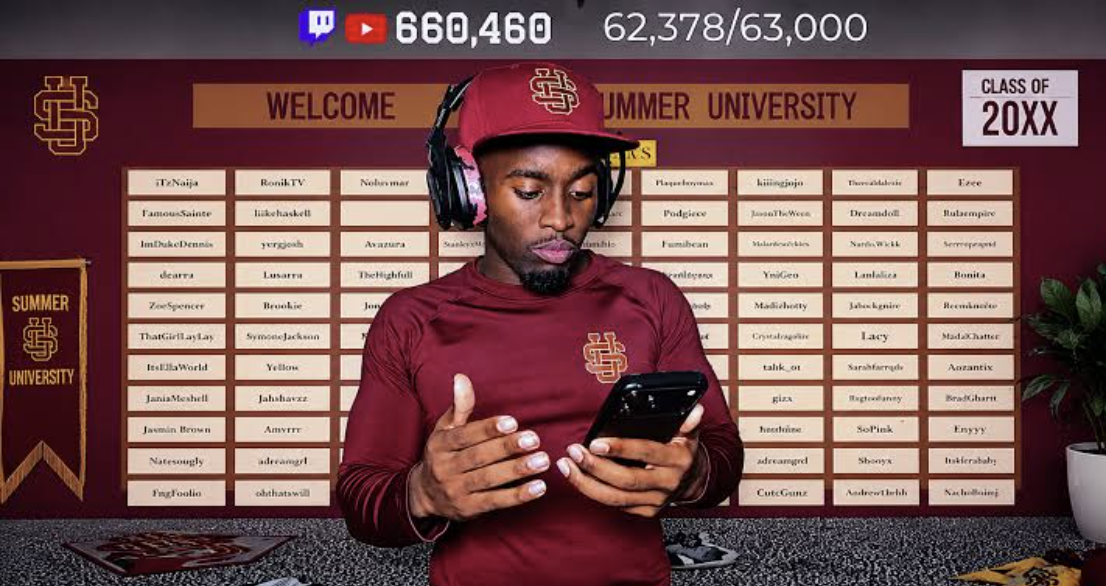
Kai Cenat's Streamer University 2026 is one of the clearest examples of this shift.
The six-day creator event brought 120 students together at Hendrix College, with creators and mentors turning the campus into a massive livestreaming environment. The event generated 56.79 million hours watched and reached 1.45 million peak viewers across coverage from around 6,000 channels, according to Streams Charts.
That's a very different proposition from simply leaving a camera running.
There were classes, personalities, challenges, collaborations and IRL moments happening across the event.
Even smaller creators benefited from being part of the ecosystem. Suburbbaby, for example, reached a personal record of 195,300 peak viewers while covering the event from around campus.
The important part isn't just the size of those numbers.
It's the distribution model.
One event created content for hundreds or thousands of channels.
Kai Cenat's Streamer University 2026 is one of the clearest examples of this shift.
The six-day creator event brought 120 students together at Hendrix College, with creators and mentors turning the campus into a massive livestreaming environment. The event generated 56.79 million hours watched and reached 1.45 million peak viewers across coverage from around 6,000 channels, according to Streams Charts.
That's a very different proposition from simply leaving a camera running.
There were classes, personalities, challenges, collaborations and IRL moments happening across the event.
Even smaller creators benefited from being part of the ecosystem. Suburbbaby, for example, reached a personal record of 195,300 peak viewers while covering the event from around campus.
The important part isn't just the size of those numbers.
It's the distribution model.
One event created content for hundreds or thousands of channels.
Creators Are Building Shows, Not Just Streams
This is where “event broadcasting” becomes more interesting.
A traditional stream usually revolves around the creator.
An event can revolve around a concept.
Think:
-
Creator game shows
-
IRL competitions
-
Live concerts
-
Creator tournaments
-
Reality-style events
-
Travel productions
-
Community challenges
-
Multi-creator broadcasts
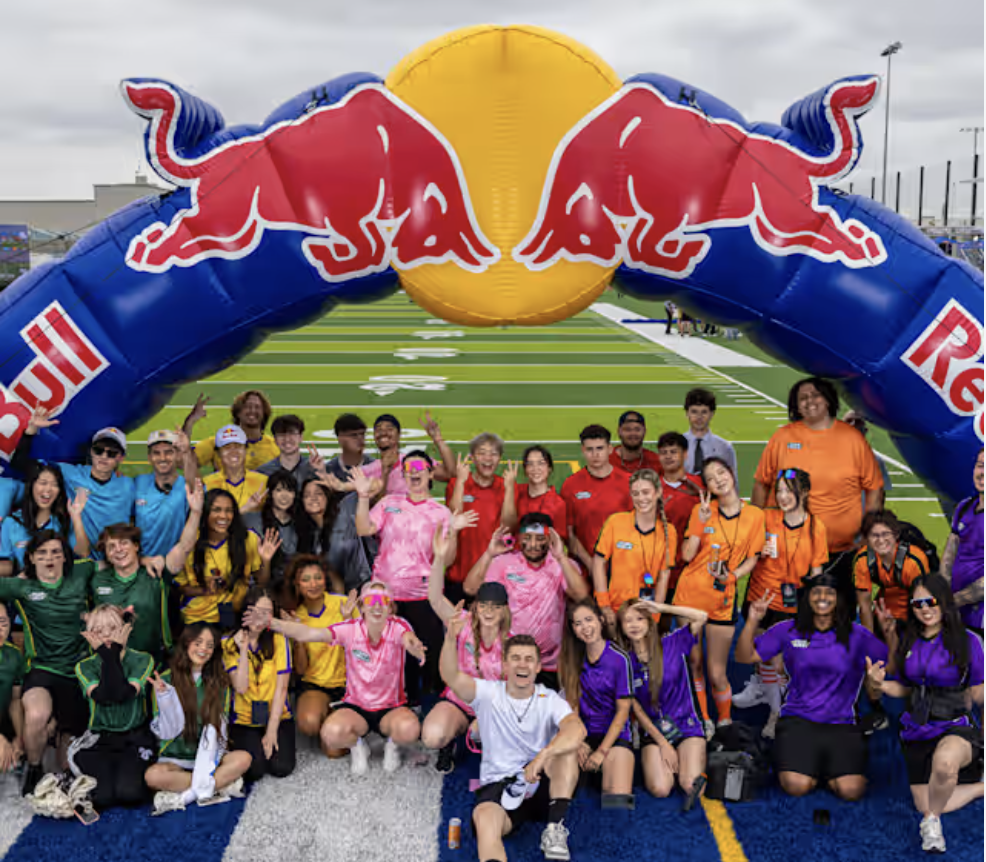
Jynxzi's recently announced 100-player Fortnite tournament, for example, is bringing 50 creator duos together for a dedicated competition rather than relying on an ordinary gaming stream. The announced lineup includes creators such as Ludwig, Valkyrae, Tyler1, SypherPK, Stable Ronaldo, Sketch and Emiru.
That's an important distinction.
The audience isn't being asked to watch someone play Fortnite for eight hours.
They're being given a specific competition with participants, stakes and a scheduled ending.
This is where “event broadcasting” becomes more interesting.
A traditional stream usually revolves around the creator.
An event can revolve around a concept.
Think:
- Creator game shows
- IRL competitions
- Live concerts
- Creator tournaments
- Reality-style events
- Travel productions
- Community challenges
- Multi-creator broadcasts
Jynxzi's recently announced 100-player Fortnite tournament, for example, is bringing 50 creator duos together for a dedicated competition rather than relying on an ordinary gaming stream. The announced lineup includes creators such as Ludwig, Valkyrae, Tyler1, SypherPK, Stable Ronaldo, Sketch and Emiru.
That's an important distinction.
The audience isn't being asked to watch someone play Fortnite for eight hours.
They're being given a specific competition with participants, stakes and a scheduled ending.
Why Shorter Events Can Be Bigger
There is a simple advantage to a weekend event:
Scarcity.
A stream running continuously for three weeks can become background noise.
A major event happening Saturday night feels different.
Viewers know when it starts. They know other people will be watching. They know clips will immediately spread across social media.
That creates a shared moment.
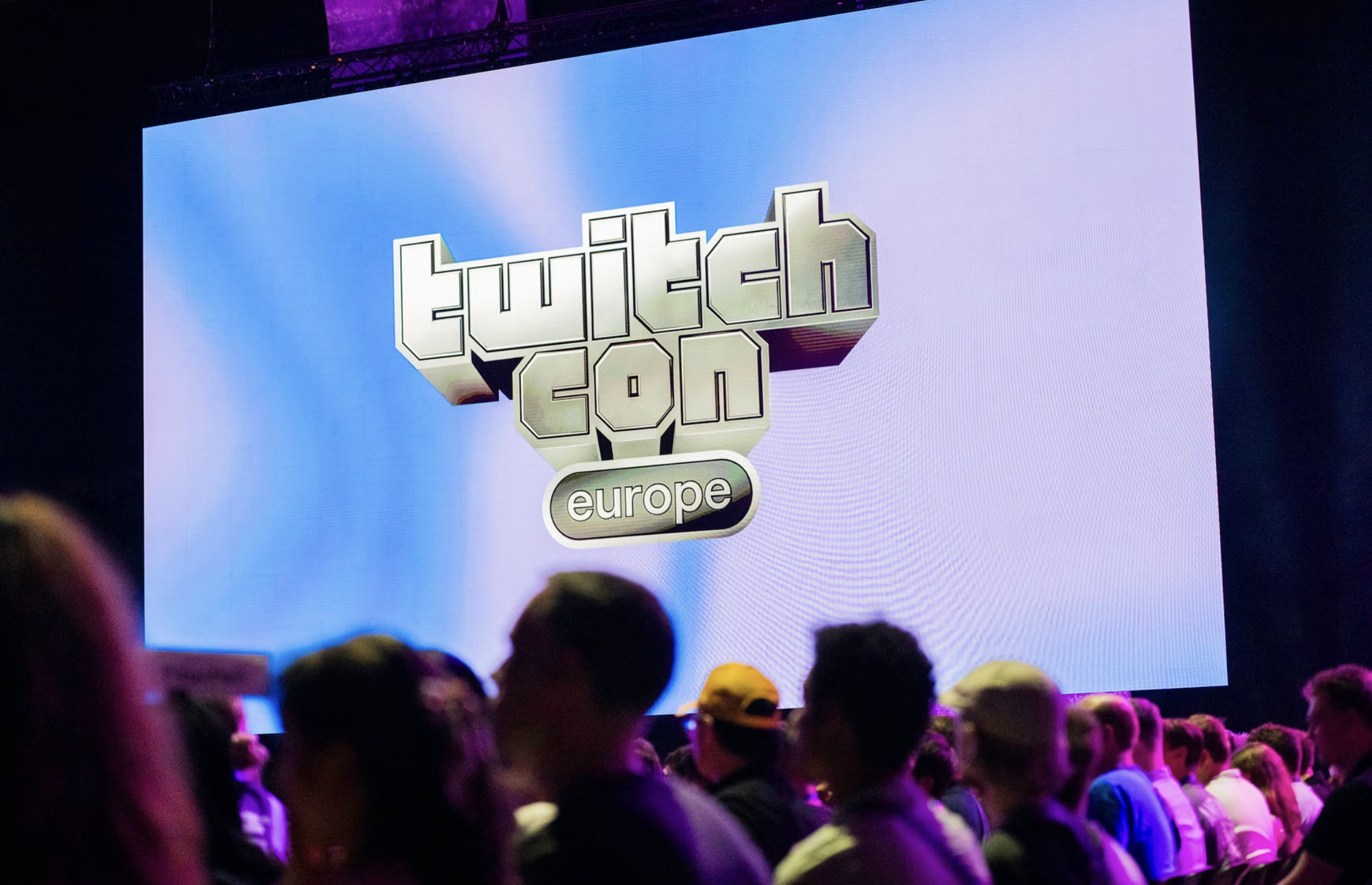
And the wider streaming industry is already moving toward these kinds of experiences. Twitch has promoted dedicated IRL programming, including its 2026 IRL Takeover, while TwitchCon increasingly combines tournaments, shows, creators, music and in-person experiences into a single event environment.
The platform itself is effectively treating livestreaming as live entertainment programming.
There is a simple advantage to a weekend event:
Scarcity.
A stream running continuously for three weeks can become background noise.
A major event happening Saturday night feels different.
Viewers know when it starts. They know other people will be watching. They know clips will immediately spread across social media.
That creates a shared moment.
And the wider streaming industry is already moving toward these kinds of experiences. Twitch has promoted dedicated IRL programming, including its 2026 IRL Takeover, while TwitchCon increasingly combines tournaments, shows, creators, music and in-person experiences into a single event environment.
The platform itself is effectively treating livestreaming as live entertainment programming.
The Production Budget Is Becoming Part of the Content
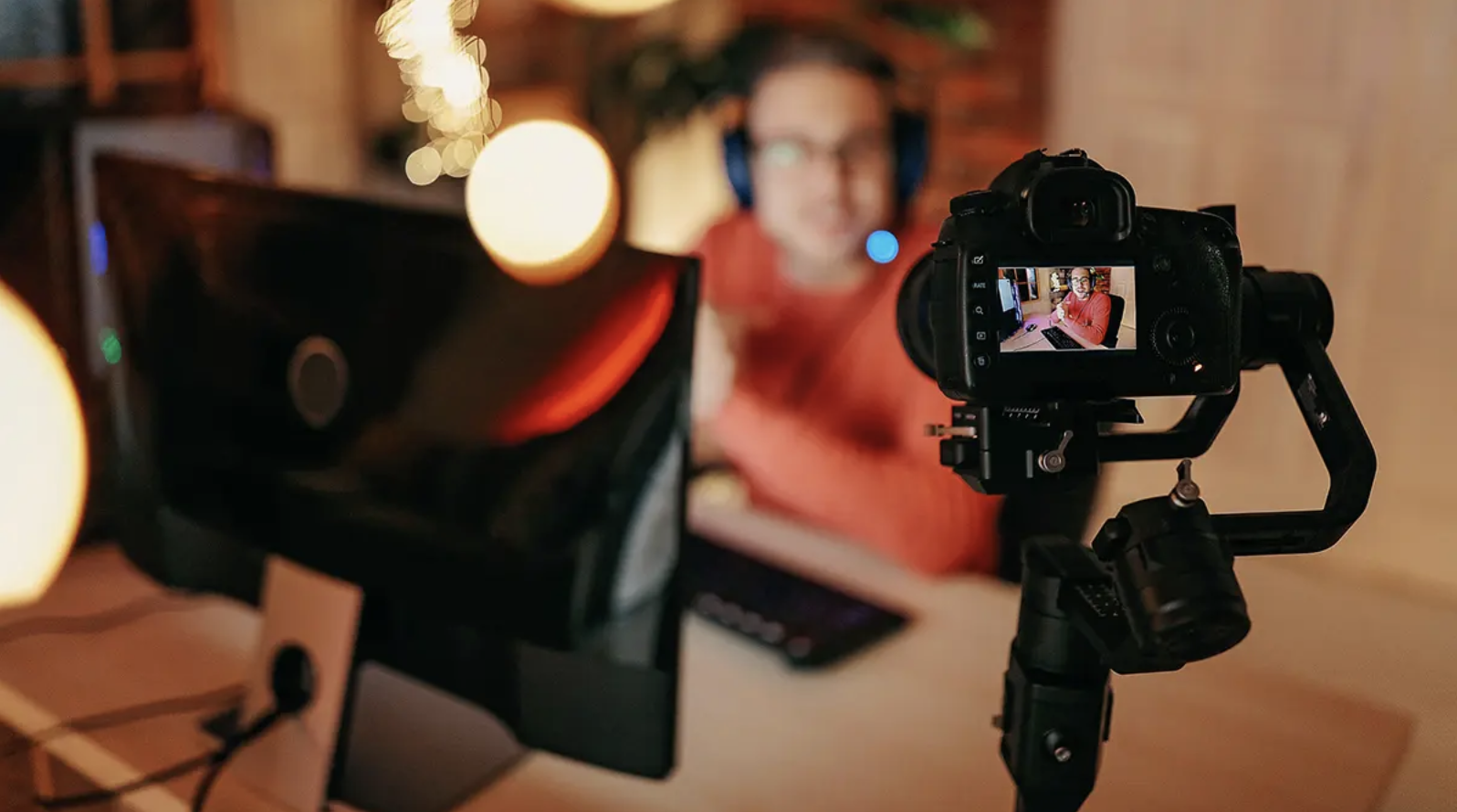
The biggest difference between an ordinary stream and an event broadcast is what happens behind the camera.
Large creator events can involve:
Production crews.
Dedicated locations.
Multiple cameras.
Guests and performers.
Sponsors.
Custom sets.
Graphics and broadcast infrastructure.
That investment isn't just about making the stream look better.
It gives brands something much bigger to participate in.
A sponsor can become part of a competition, a venue, a challenge or an entire segment instead of simply appearing in a five-minute advertisement.
Streamer University demonstrated this particularly well. The 2026 event attracted more than 20 sponsors, while its thousands of participating and covering creators created a distributed network of audiences.
For creators, that changes the economics.
They're not simply selling access to an audience.
They're producing an entertainment property.
The biggest difference between an ordinary stream and an event broadcast is what happens behind the camera.
Large creator events can involve:
Production crews.
Dedicated locations.
Multiple cameras.
Guests and performers.
Sponsors.
Custom sets.
Graphics and broadcast infrastructure.
That investment isn't just about making the stream look better.
It gives brands something much bigger to participate in.
A sponsor can become part of a competition, a venue, a challenge or an entire segment instead of simply appearing in a five-minute advertisement.
Streamer University demonstrated this particularly well. The 2026 event attracted more than 20 sponsors, while its thousands of participating and covering creators created a distributed network of audiences.
For creators, that changes the economics.
They're not simply selling access to an audience.
They're producing an entertainment property.
The Subathon Isn't Actually Dead
Calling this the “fall” of the subathon needs one important qualification.
Subathons still work.
Kai Cenat's Mafiathon 3 proved that marathon broadcasts can still produce enormous audience and subscription numbers. And Twitch itself continues to build features around major creator moments, including Creator Badge Drops designed specifically for milestones and events such as subathons.
The bigger change is that creators now have another option.
They don't have to rely on duration to create scale.
They can rely on production and anticipation.
That may ultimately be the more sustainable model for creators who have grown large enough to operate like media companies.
Calling this the “fall” of the subathon needs one important qualification.
Subathons still work.
Kai Cenat's Mafiathon 3 proved that marathon broadcasts can still produce enormous audience and subscription numbers. And Twitch itself continues to build features around major creator moments, including Creator Badge Drops designed specifically for milestones and events such as subathons.
The bigger change is that creators now have another option.
They don't have to rely on duration to create scale.
They can rely on production and anticipation.
That may ultimately be the more sustainable model for creators who have grown large enough to operate like media companies.
Analysis / Why It Matters
The shift toward event broadcasting represents a bigger change than simply replacing one streaming format with another.
It changes how creators think about content.
The subathon rewards endurance.
Event broadcasting rewards planning.
A creator can spend months developing a concept, bringing together other personalities, securing sponsors and building a production around a single weekend.
Then that event can produce content long after the livestream ends.
A two-day production can become:
-
YouTube videos
-
Shorts
-
TikTok clips
-
Highlight compilations
-
Behind-the-scenes content
-
Memes
-
Interviews
-
Reaction videos
That makes the livestream only one part of a much larger content machine.
And this is where the model starts looking increasingly similar to traditional entertainment.
The difference is that creators still have something television never had at this scale:
a direct relationship with their audience.
Chat can influence events. Creators can react instantly. Viewers can participate rather than simply watch.
That's a powerful combination.
The shift toward event broadcasting represents a bigger change than simply replacing one streaming format with another.
It changes how creators think about content.
The subathon rewards endurance.
Event broadcasting rewards planning.
A creator can spend months developing a concept, bringing together other personalities, securing sponsors and building a production around a single weekend.
Then that event can produce content long after the livestream ends.
A two-day production can become:
- YouTube videos
- Shorts
- TikTok clips
- Highlight compilations
- Behind-the-scenes content
- Memes
- Interviews
- Reaction videos
That makes the livestream only one part of a much larger content machine.
And this is where the model starts looking increasingly similar to traditional entertainment.
The difference is that creators still have something television never had at this scale:
a direct relationship with their audience.
Chat can influence events. Creators can react instantly. Viewers can participate rather than simply watch.
That's a powerful combination.
What Happens Next?
The next stage of livestreaming probably won't mean the complete disappearance of subathons.
Instead, expect more specialization.
Some creators will continue using marathon streams for community milestones and subscription drives.
Others will increasingly build dedicated productions around specific moments.
The biggest creators have the audience size to make that investment worthwhile, while platforms have an incentive to promote events that generate huge bursts of concurrent viewing.
And as more creators collaborate, the event model becomes even more powerful.
One streamer can bring the audience.
Another can bring the production.
Another can bring the competition.
Another can bring the music.
Suddenly, a livestream isn't just a broadcast.
It's a creator ecosystem.
The next stage of livestreaming probably won't mean the complete disappearance of subathons.
Instead, expect more specialization.
Some creators will continue using marathon streams for community milestones and subscription drives.
Others will increasingly build dedicated productions around specific moments.
The biggest creators have the audience size to make that investment worthwhile, while platforms have an incentive to promote events that generate huge bursts of concurrent viewing.
And as more creators collaborate, the event model becomes even more powerful.
One streamer can bring the audience.
Another can bring the production.
Another can bring the competition.
Another can bring the music.
Suddenly, a livestream isn't just a broadcast.
It's a creator ecosystem.
🎮 The Bottom Line
The subathon changed livestreaming by proving that time itself could become entertainment.
But 2026 is demonstrating another possibility.
Creators don't necessarily need to stay live for weeks to create a massive moment. They can build something viewers actively want to attend — a tournament, a creator competition, an IRL show, a concert or an entirely new format.
The future of livestreaming may be less about who can stay online the longest and more about who can create the biggest reason to tune in.
The subathon isn't dead.
But the era of “just keep the stream running” may be giving way to something much bigger.
Would you rather watch a creator stream for 30 days or tune in for one massive weekend event? Let us know in the comments.
The subathon changed livestreaming by proving that time itself could become entertainment.
But 2026 is demonstrating another possibility.
Creators don't necessarily need to stay live for weeks to create a massive moment. They can build something viewers actively want to attend — a tournament, a creator competition, an IRL show, a concert or an entirely new format.
The future of livestreaming may be less about who can stay online the longest and more about who can create the biggest reason to tune in.
The subathon isn't dead.
But the era of “just keep the stream running” may be giving way to something much bigger.
Would you rather watch a creator stream for 30 days or tune in for one massive weekend event? Let us know in the comments.
Comments
Sign in to join the conversation
Sign inNo comments yet
Be the first to share your thoughts!