
What happens when the biggest streaming convention in the world starts looking less like a streamer meetup and more like an anime convention, esports arena, music festival, and creator expo at the same time?
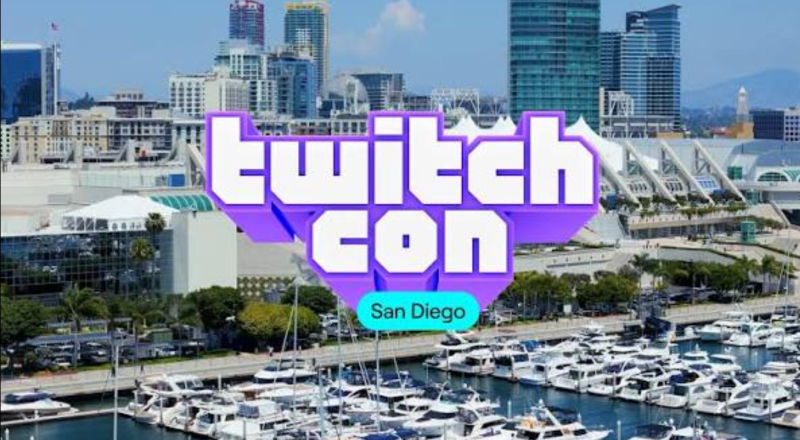
That is exactly what makes TwitchCon San Diego 2026 interesting.
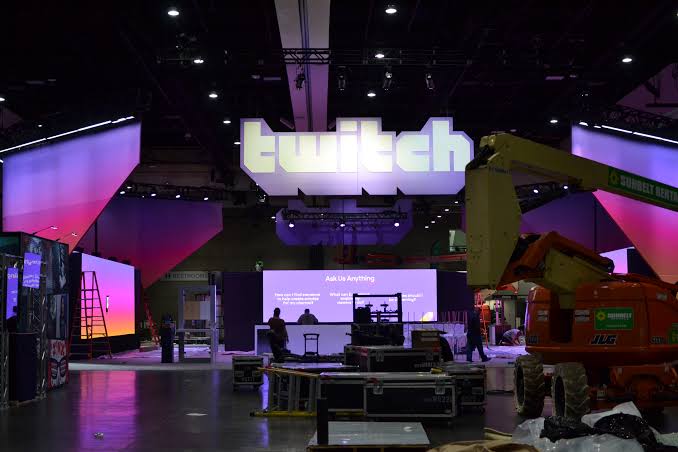
Taking place from November 13–15 at the San Diego Convention Center, this year's event is built around live shows, creator panels, meet-and-greets, Twitch Rivals, community gatherings and interactive experiences. Twitch itself describes the convention as a place where online communities come together in real life.
But one group increasingly stands out in that ecosystem:
VTubers.
Virtual creators are no longer a niche corner of streaming culture. They have become major entertainment brands, complete with agencies, merchandise, music, live performances, dedicated communities and highly organized fan events.
And that changes what TwitchCon can be.
From Streamers to Virtual Superstars
For years, the typical TwitchCon image was easy to understand.
A popular streamer walked onto a stage.
Fans screamed.
There was a Q&A.
Maybe there was a gaming tournament afterward.
That formula still exists, but streaming culture has become much bigger.
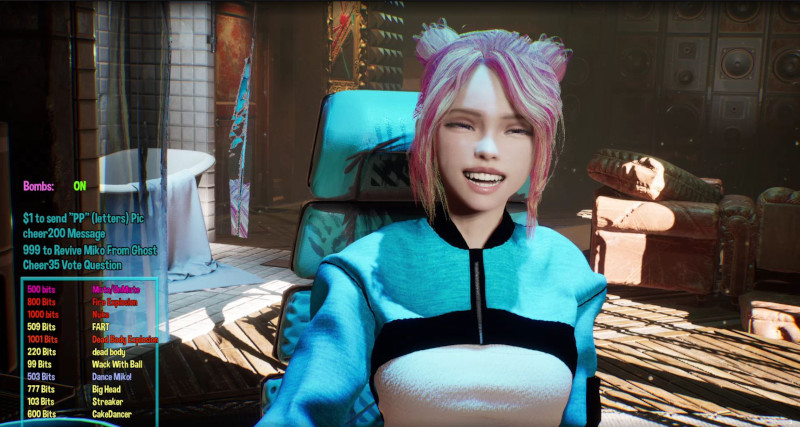
Today's creators can operate like entertainment companies.
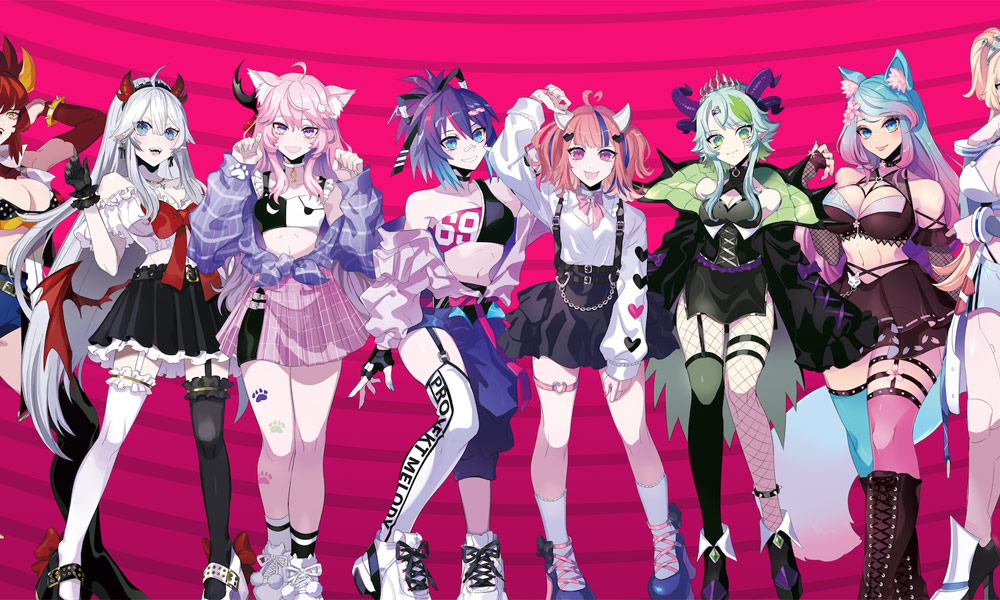
VTuber agencies such as Hololive have helped push that evolution. Instead of relying on a single personality, an agency can build an entire ecosystem of virtual performers around gaming, music, comedy, collaborations and merchandise.
The result is a fandom that behaves differently from a traditional streamer audience.
Fans don't simply watch a creator.
They follow characters, lore, music releases, collaborations and entire generations of talent.
That makes VTubers particularly valuable for physical conventions.
Why VTubers Work So Well at Conventions?🤔
There is an obvious problem with bringing a VTuber to a physical event.
The creator isn't physically there.
But that limitation has turned into part of the appeal.
A VTuber can appear through a giant screen, augmented production, motion capture, stage performance or interactive digital experience.
Instead of asking fans to simply watch someone talk, organizers can create something closer to a live entertainment show.
That opens the door to:
- Interactive panels
- Live gameplay
- Musical performances
- Character appearances
- Fan Q&As
- Agency showcases
- Merchandise activations
- Digital photo opportunities
- Community meetups
And TwitchCon already has the infrastructure for this kind of programming.
The 2026 event includes Glitch Theater, the Twitch Rivals Arena, meet-and-greets, Artist Alley and community panels. Twitch describes Glitch Theater as a home for major shows and performances, while community programming is designed around different interests and fandoms.
That environment is almost perfectly suited to virtual creators.
The Hololive Effect
Hololive is particularly important because it demonstrates how far the VTuber business model has evolved.
The company doesn't simply produce livestreams.
Its creators can participate in concerts, games, merchandise campaigns, collaborations, fan events and large-scale productions.
The 2026 hololive SUPER EXPO itself featured dedicated stages, gameplay segments, interactive tours, character appearances and special programming across multiple days.
That is a useful preview of what happens when virtual entertainment becomes a physical event experience.
The audience doesn't have to choose between watching a livestream and attending a convention.
They can experience both.
And that could become increasingly important for TwitchCon.
TwitchCon Is Becoming More Interactive
There is another reason VTubers fit the future of TwitchCon so well.
People don't travel across the country just to watch something they could have watched online.
They travel for experiences.
Twitch's 2026 event programming reflects that shift.
The convention includes meet-and-greets, community panels, live shows, competitive events and spaces designed specifically for fans to interact with creators and other members of their communities.
That changes the value of a stage appearance.
A panel isn't simply a panel anymore.
It can become:
content + fandom + performance + social interaction.
VTubers are particularly good at combining all four.
The Demographics of Streaming Are Changing
This may be the biggest story hiding underneath TwitchCon 2026.
Streaming audiences aren't one giant group anymore.
They are divided across gaming communities, music fandoms, cosplay, esports, anime culture, meme communities, lifestyle creators and virtual entertainment.
VTubers sit directly in the middle of several of those categories.
A single virtual creator can attract:
- Gamers
- Anime fans
- Cosplayers
- Music fans
- Digital artists
- Collectors
- Long-time livestream viewers
That makes the demographic opportunity enormous.
Instead of designing a convention exclusively around people who watch traditional gaming streamers, Twitch can build experiences that appeal to a much wider entertainment audience.
And the official TwitchCon programming already reflects that broader direction, with Twitch highlighting gaming, cosplay, fan art, music, community panels and creator experiences alongside traditional streaming activities.
Why Agencies Could Change the Convention Business
There is also a business reason agencies matter.
A traditional streamer is one creator.
An agency can bring an entire roster.
That means one partnership can potentially create:
Multiple creators + multiple communities + multiple events + merchandise + sponsorship opportunities.
For convention organizers, that is incredibly attractive.
A successful agency appearance can generate interest across an entire fandom rather than relying on one creator's individual audience.
It also creates opportunities for coordinated programming.
Imagine a VTuber agency having:
- A live stage appearance
- A gaming challenge
- A fan Q&A
- A merchandise booth
- A creator meetup
- A sponsor activation
- A digital experience
Suddenly, the agency isn't simply attending TwitchCon.
It is helping shape the experience.
This Doesn't Mean Traditional Streamers Are Disappearing
The rise of VTubers doesn't mean TwitchCon is abandoning traditional creators.
Quite the opposite.
The event remains heavily focused on streamers, esports and creator education. Twitch Rivals, for example, remains a major part of the San Diego programming, while Creator Camp focuses on subjects including sponsorships, monetization, analytics and audience retention.
The bigger change is that the definition of a creator is expanding.
A creator no longer needs to appear on camera.
They don't even need to exist as a conventional public personality.
They can be a character, performer, musician, gamer or virtual identity.
And audiences are perfectly comfortable with that.
Why This Matters for Twitch
TwitchCon has always been about bringing the online world offline.
But VTubers challenge the meaning of "offline."
A virtual creator can exist entirely digitally and still generate an enormous physical fandom.
Fans can buy merchandise.
Attend concerts.
Meet other fans.
Watch live performances.
Take photographs with character displays.
And participate in community events.
The physical world becomes an extension of the virtual one.
That could make VTuber programming one of the most interesting experiments at future TwitchCons.
What Happens Next?
The real question isn't whether VTubers will appear at TwitchCon.
They already have.
The question is how much space they will eventually occupy.
If virtual creators continue growing, expect conventions to experiment with more ambitious formats:
- Larger VTuber stages
- Agency-specific programming
- Virtual concerts
- Interactive holographic or AR experiences
- More anime and cosplay crossover events
- Creator collaborations across physical and virtual formats
- Dedicated VTuber networking spaces
And Twitch has plenty of room to test those ideas.
TwitchCon San Diego is scheduled to continue through 2028, giving the event several years to experiment with what a modern streaming convention can look like.
The audience will ultimately decide what works.
If fans consistently show up for virtual creators, organizers will notice.
🎮 The Bottom Line
TwitchCon 2026 isn't simply a convention about watching streamers.
It's becoming a convention about experiencing internet culture in real life.
VTubers are a perfect example of that transformation.
They prove that a creator doesn't need a physical face to build a physical fandom. They can fill stages, sell merchandise, inspire cosplay, create communities and turn digital characters into real-world entertainment brands.
Hololive and other VTuber agencies have helped demonstrate just how powerful that model can become.
So don't be surprised if TwitchCon's biggest evolution isn't another gaming tournament or streamer panel.
It might be the moment virtual creators stop feeling like guests at the convention and start feeling like one of its main attractions.
What do you think? Should TwitchCon give VTubers bigger stages and more dedicated programming, or should the convention stay focused primarily on traditional streamers? Let us know in the comments.
Comments
Sign in to join the conversation
Sign inNo comments yet
Be the first to share your thoughts!