
Twitch is more than a platform for broadcasting gameplay or chatting with viewers. It is a social community where streamers can discover new audiences, build relationships, and grow together. Among the most useful tools for creating these connections are raids, hosts, and collaborations.
Whether you are a new streamer trying to build your first audience or an established creator looking to strengthen your community, understanding how these features work can make your Twitch experience much more rewarding. In this blog, we will explore Twitch raids, hosts, and collaborations, explain their benefits, and share practical ways to use them effectively.
What Are Twitch Raids?
A Twitch raid allows a streamer to send their viewers to another live channel when their own stream ends. Instead of simply ending the broadcast and leaving viewers to find another stream themselves, the streamer can redirect the audience to another creator.
For example, imagine you have 50 viewers watching your gaming stream. When you finish, you can raid another streamer who is playing a similar game. Your viewers are sent to that channel together, creating an opportunity for the two communities to interact.
Why Are Raids Important?
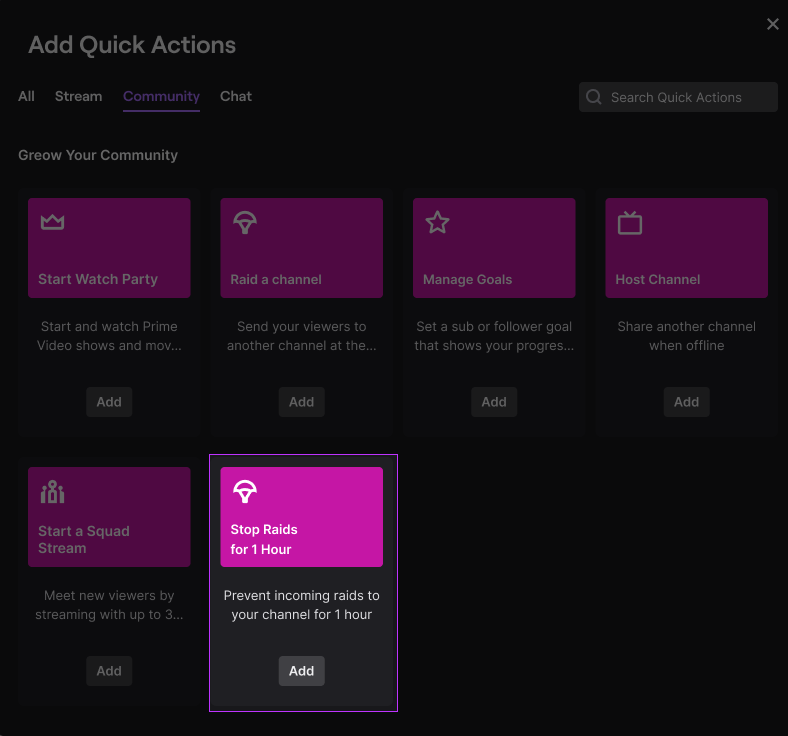
Raids are one of the easiest ways for Twitch creators to support one another. They can:
- Introduce viewers to new streamers.
- Help smaller creators gain exposure.
- Create relationships between communities.
- Encourage viewers to participate in another stream.
- Make the end of your broadcast feel like a community event.
A successful raid is not necessarily about finding the biggest streamer. In many cases, raiding a creator with similar content and a compatible community can lead to better interactions.
For example, a variety streamer might raid another variety streamer, while a competitive gaming channel might choose another creator who plays the same title.
Understanding Twitch Hosts
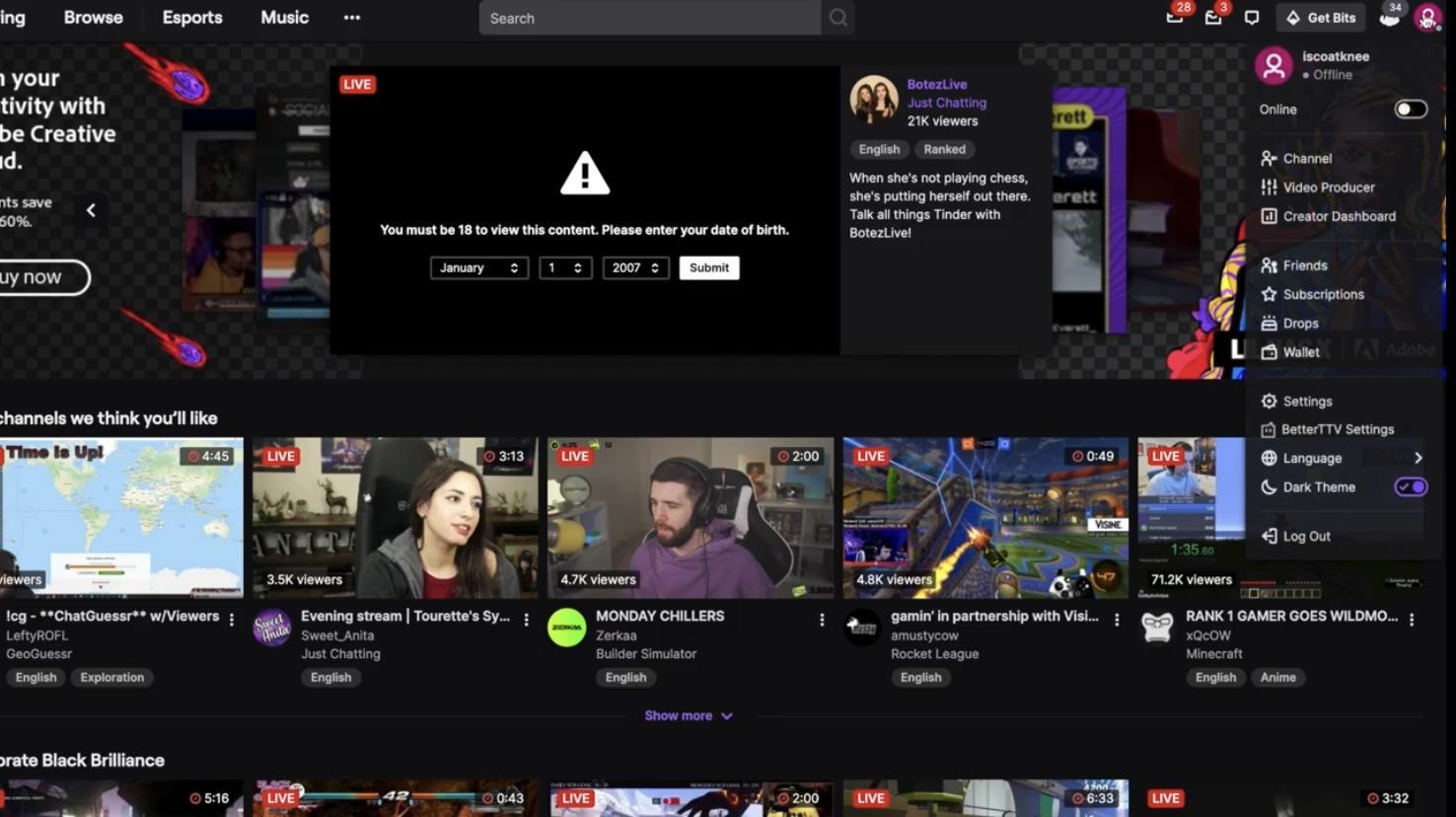
The term host has historically referred to a Twitch feature that allowed a channel to display another creator's live stream on its own channel page. This was different from a raid because viewers were not necessarily moved into the other stream.
However, Twitch has changed and retired some of its older hosting functionality over time. This means streamers should distinguish between the traditional concept of "hosting" and the currently available tools for sending viewers to another live channel.
Today, when creators talk about supporting another streamer through Twitch's built-in community features, raiding is generally the more relevant concept.
The broader idea behind hosting, however, remains valuable: creators can use their platforms to help audiences discover other channels and creators.
What Are Twitch Collaborations?
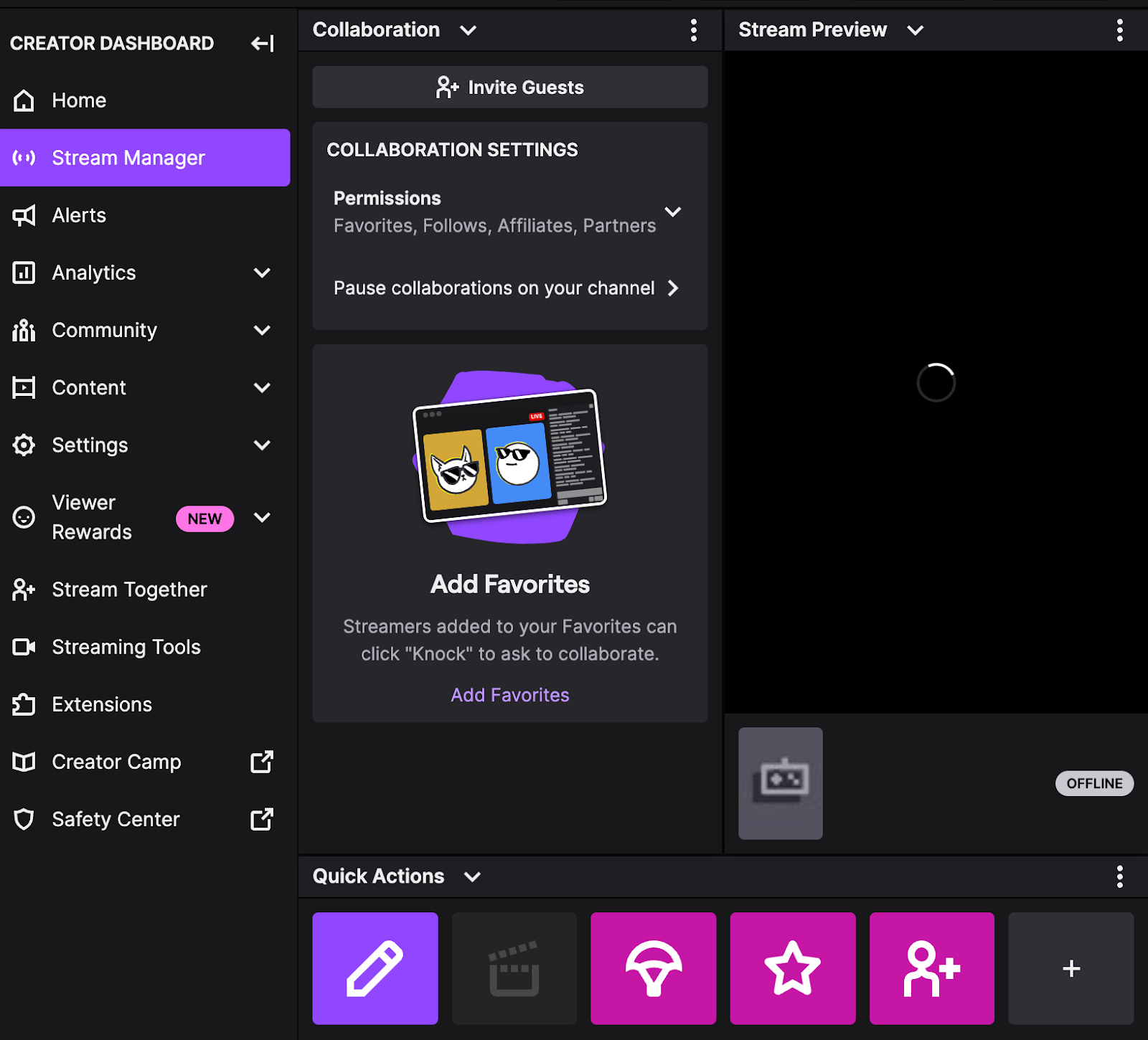
Collaborations, often called collabs, involve two or more creators working together to produce content. Unlike a raid, which usually happens at the end of a stream, a collaboration can be planned as an entire content experience.
Streamers can collaborate through multiplayer games, interviews, challenges, discussions, creative projects, or special events.
For instance, two gaming creators might play a cooperative game together. Two Just Chatting creators could organize a discussion or debate. A music streamer might collaborate with another musician for a live performance.
Benefits of Collaborating
Collaboration can be particularly powerful because it combines the personalities and audiences of multiple creators.
Some major benefits include:
1. Audience discovery: Viewers from one community may discover the other creator.
2. Fresh content: Collaborations can make streams more entertaining and prevent content from becoming repetitive.
3. Stronger networking: Building genuine relationships with other creators can lead to future opportunities.
4. Shared creativity: Different creators bring different ideas, personalities, and skills to a project.
5. Community building: When two communities interact positively, both creators can benefit from a larger social network.
Raids vs. Collaborations: What's the Difference?
Although raids and collaborations can both help streamers grow, they serve different purposes.
A raid is primarily a way to transfer your audience to another live channel after your stream. It is quick, simple, and often spontaneous.
A collaboration is a joint content activity involving multiple creators. It usually requires planning and communication.
Think of a raid as saying, "My stream is ending, so let's go support this creator together." A collaboration is more like saying, "Let's create something together for both of our audiences."
Both approaches can complement each other.
How to Make Raids More Effective
Simply sending viewers to another channel is only the beginning. Streamers can make raids more meaningful by choosing recipients carefully.
Look for creators who:
- Produce content similar to yours.
- Have communities that are likely to interact positively.
- Treat their viewers and fellow creators respectfully.
- Are at a similar or slightly different stage of growth.
- You genuinely enjoy watching.
Before starting the raid, tell your audience who they are visiting and why you chose that creator. Encourage viewers to participate rather than silently dropping into the new channel.
Most importantly, raid because you want to support someone, not because you expect something in return. Genuine community support is more sustainable than transactional networking.
Tips for Successful Twitch Collaborations
A good collaboration starts before you go live.
First, agree on the purpose of the stream. Are you trying to entertain viewers, teach something, compete, or simply have a conversation?
Next, discuss practical details such as the schedule, game or topic, responsibilities, and technical setup. Testing microphones, cameras, game audio, and communication software beforehand can prevent unnecessary problems during the broadcast.
It is also important to respect each creator's boundaries and audience. Avoid turning every conversation into self-promotion. Give both creators opportunities to participate and interact with their communities.
Finally, think beyond a single stream. A successful collaboration can become the foundation for a recurring series, community event, or long-term creator partnership.
Building a Stronger Twitch Community
Raids, hosts, and collaborations are ultimately about relationships rather than numbers. A streamer may have excellent equipment, attractive graphics, and entertaining content, but community relationships can be what keep viewers coming back.
Support other creators, participate genuinely in their communities, and look for opportunities to create something together. You do not need thousands of followers to start networking. Even a small creator can make meaningful connections.
Remember that Twitch growth is rarely instantaneous. Consistent content, authentic interactions, and mutual support are much more valuable in the long run than chasing a single viral moment.
Conclusion
Twitch raids, the traditional concept of hosting, and creator collaborations all represent different ways to connect communities. Raids can help viewers discover new channels, while collaborations allow creators to combine their personalities and ideas into new content. Although Twitch's features evolve over time, the underlying principle remains the same: streaming is more powerful when creators support one another.
By choosing raid targets thoughtfully, collaborating with creators who share your interests, and focusing on genuine relationships, you can create a stronger community while helping other streamers grow too.
On Twitch, success does not always have to be a solo journey. Sometimes, the best way to grow is to bring people together.

Comments
Sign in to join the conversation
Sign inNo comments yet
Be the first to share your thoughts!