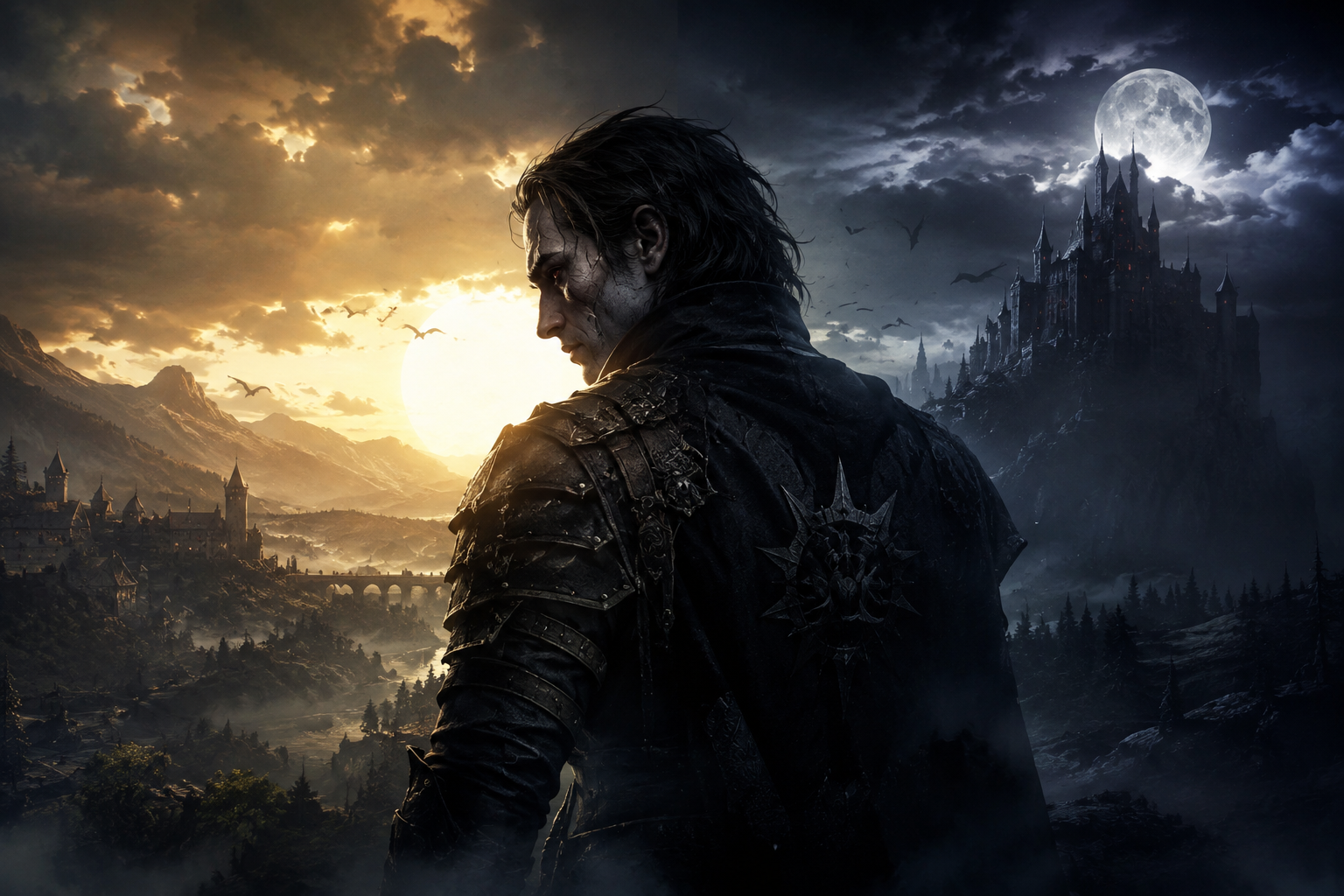

What if an RPG gave you 30 days to save your family and every decision you made could cost you precious time?
That's the question at the heart of The Blood of Dawnwalker.
Releasing on September 3, 2026, Rebel Wolves' debut action RPG is arriving in a year already packed with major releases. But unlike the familiar franchises surrounding it, Dawnwalker doesn't have decades of history or an established fanbase to lean on.
It has something potentially more valuable:
A genuinely interesting idea.
Set in a dark, fictionalized version of 14th-century Europe, the game puts players in control of Coen, a young man caught between two worlds. During the day, he's human.
When the sun goes down?
He becomes a vampire.
And somewhere in the middle of all that is a 30 day clock counting down to the moment his family could be lost forever.
🧛 The Team Behind the Game Has Serious RPG DNA
The name Rebel Wolves might be new, but the people behind it certainly aren't.
The Polish studio was founded by veteran developers from CD Projekt Red, including Konrad Tomaszkiewicz, who directed The Witcher 3: Wild Hunt. The team has also worked on projects including Cyberpunk 2077. https://www.bandainamcoent.com/news/rebel-wolves-unveils-details-on-its-action-rpg-the-blood-of-dawnwalker
That background immediately explains why The Blood of Dawnwalker has attracted so much attention.
The game isn't trying to recreate The Witcher.
Instead, Rebel Wolves appears to be taking the philosophy that made those games memorable dense storytelling, meaningful choices and a world full of complicated characters and building something of its own.
And that's an important distinction.
Because the last thing the RPG genre needs is another game that simply looks like The Witcher.
⏳ You Only Have 30 Days
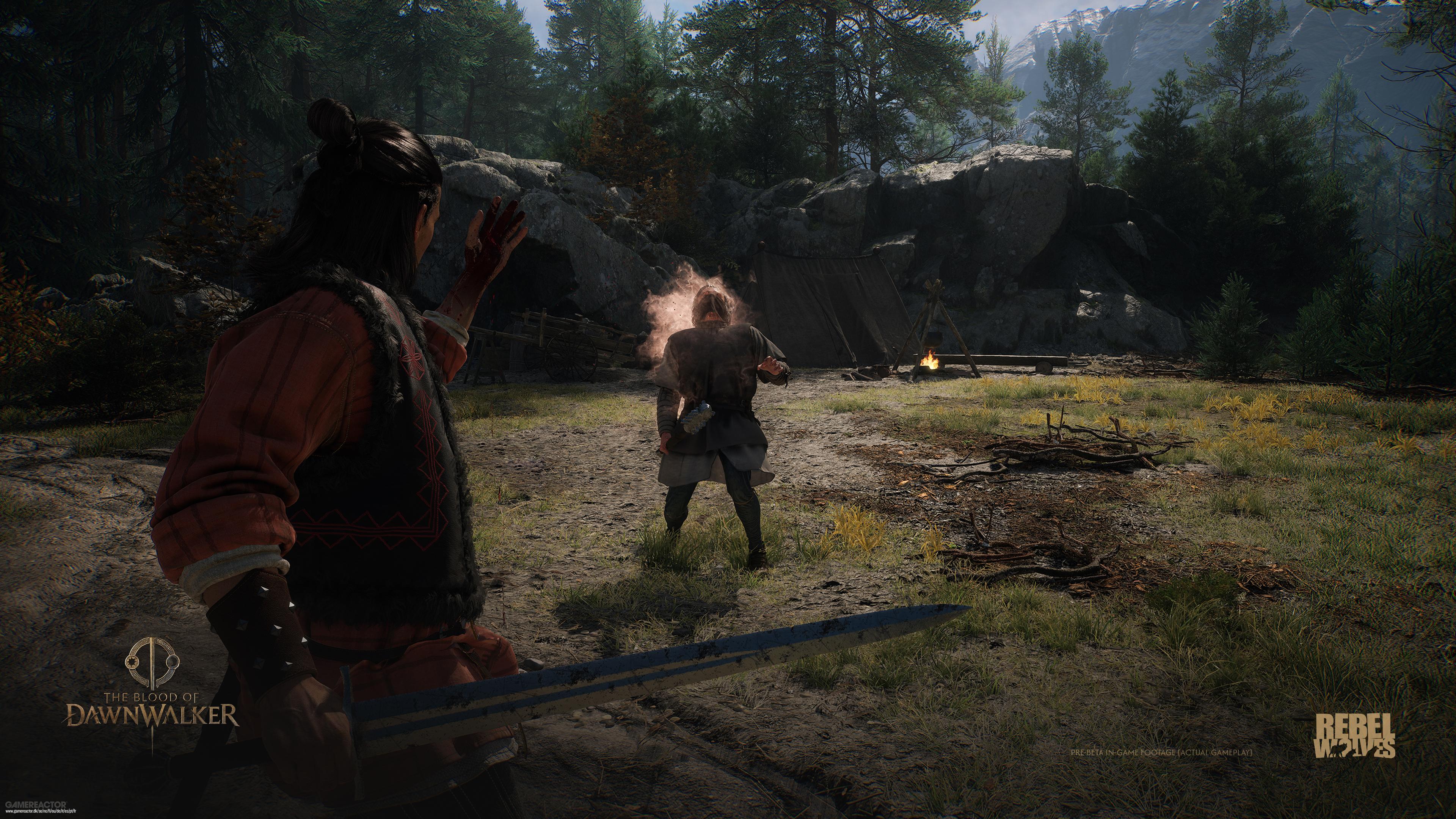
Here's where Dawnwalker gets really interesting.
Most open world RPGs operate on an invisible clock.
You can spend 50 hours exploring a random cave, completing side quests and collecting herbs, then return to the main story as if absolutely nothing has happened.
Dawnwalker wants to challenge that formula.
Coen has 30 days to rescue his family, turning time itself into a gameplay resource.
That means your decisions aren't simply about:
"Which quest should I do?"
They're also about:
"Is this quest worth spending part of my limited time on?"
- Rest.
- Exploration.
- Side quests.
- Investigations.
- Relationships.
The game wants you to think about how you spend every day.
And that could completely change how players approach an open-world RPG.
🌞 Human by Day. Vampire by Night.
The 30 day system becomes even more interesting because Coen isn't the same character throughout the day.
During daylight hours, Coen operates as a human.
That means conventional exploration, conversations, investigation and combat are more prominent.
Then night arrives.
And everything changes.
Coen's vampiric abilities give him access to supernatural powers, enhanced movement and a completely different approach to combat. https://www.bandainamcoent.com/games/dawnwalker
This isn't simply a cosmetic transformation.
The two identities are designed around different strengths and weaknesses.
You aren't just waiting for nighttime because it looks cool.
You're deciding how to use it.
Do you spend the night hunting?
Do you explore an area that is dangerous during the day?
Do you use your vampire abilities to overcome an enemy that would be much harder to defeat as a human?
Or do you sacrifice that opportunity because another objective is more important?
That's where the day/night system could become something much more meaningful than a visual gimmick.
🌙 The World Doesn't Wait for You
This may be the game's most intriguing philosophy.
The world keeps moving even when you're not looking.
Rebel Wolves describes Dawnwalker as a narrative sandbox, with the story and world reacting to player decisions rather than forcing everyone through exactly the same sequence of events. https://news.xbox.com/en-us/2025/06/09/the-blood-of-dawnwalker-details-xbox-games-showcase/
That philosophy extends beyond the main storyline.
Characters have their own motivations.
Factions have their own interests.
Relationships can change.
And the choices you make can influence how events unfold.
The result could be an RPG where two players finish the game with dramatically different stories.
Not because they selected a different dialogue option once.
But because they spent their limited time differently.
🏰 Welcome to Vale Sangora
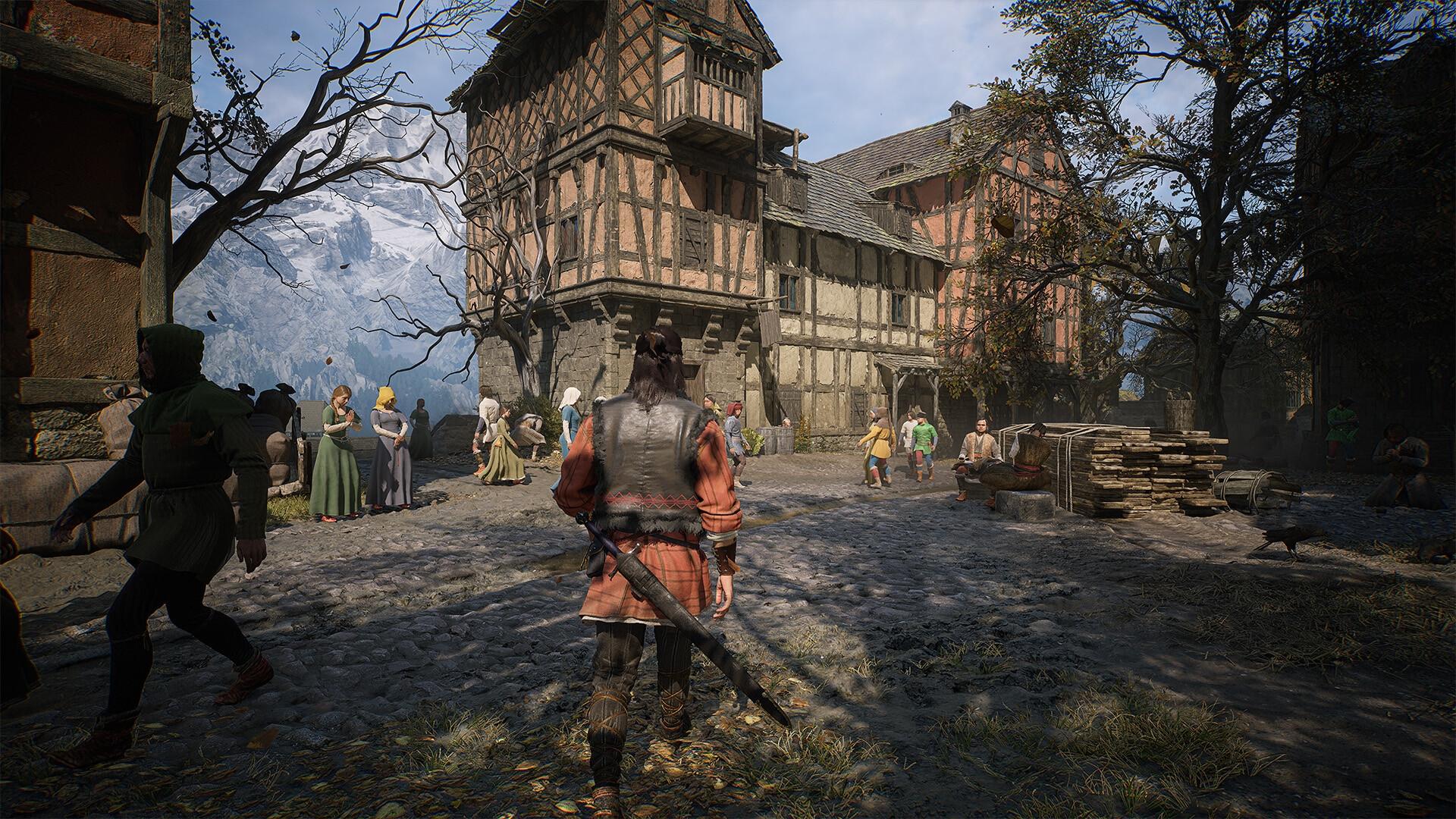
The game takes place in Vale Sangora, a fictional region hidden within the Carpathian Mountains.
It's a world inspired by 14th century Europe, but this isn't intended to be a straightforward historical recreation.
The region is already suffering from enormous upheaval when the supernatural forces arrive.
War.
Disease.
Political instability.
And then vampires.
Rebel Wolves has built the world around forests, mountains, settlements, ruins and other hand-crafted environments designed to encourage exploration. https://www.bandainamcoent.com/games/dawnwalker
But there's something particularly appealing about the setting.
It isn't another fantasy kingdom where magic has always been normal.
Instead, the supernatural is emerging into a world that already feels brutally grounded.
History is colliding with horror.
⚔️ Two Forms of Combat, Two Ways to Play
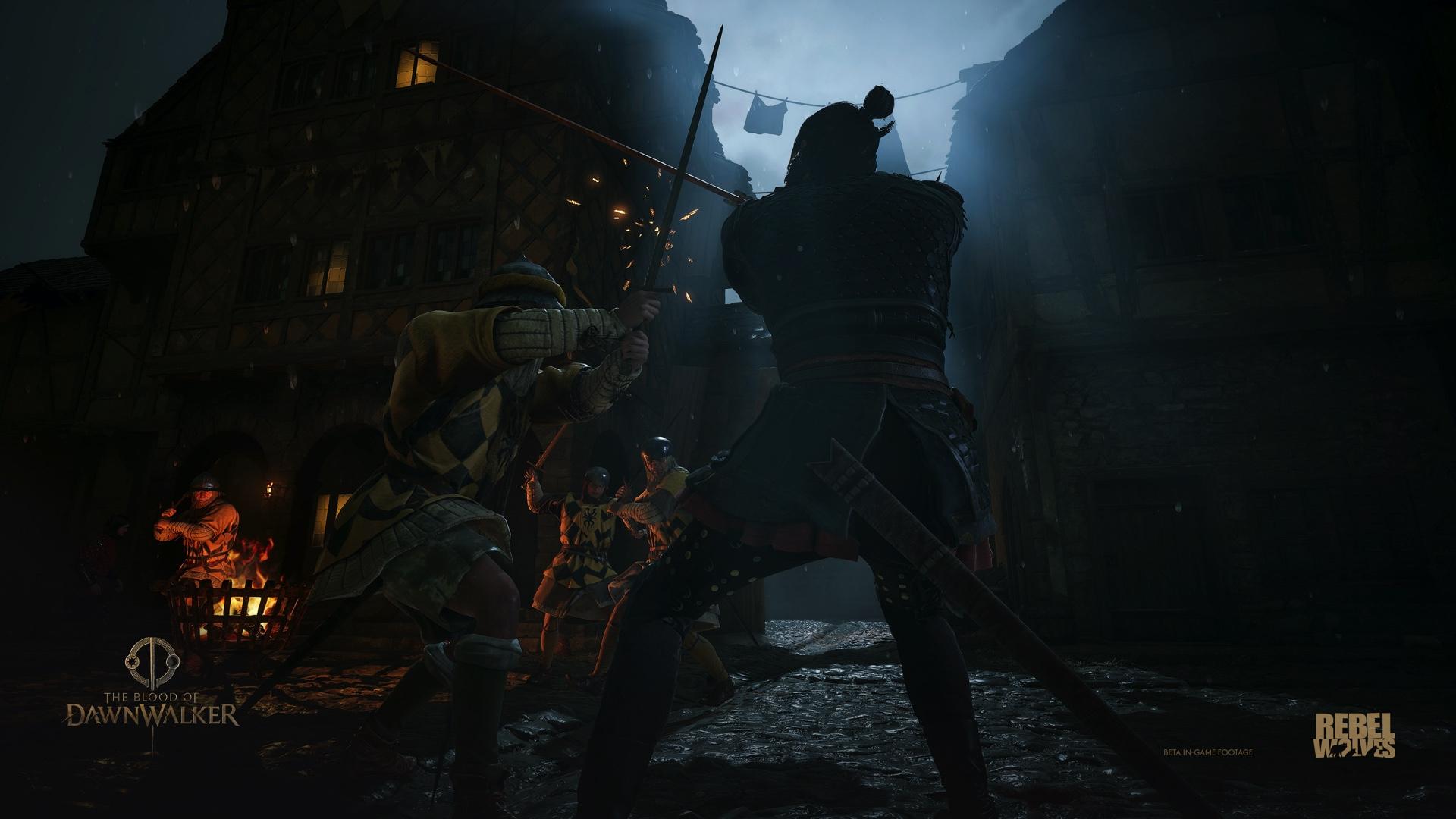
The human-vampire split also affects combat.
As a human, Coen relies on conventional weapons and abilities.
As a vampire, he gains access to supernatural powers that dramatically change how he approaches enemies. https://www.bandainamcoent.com/games/dawnwalker
That creates an interesting strategic question:
Which version of Coen should you be using right now?
The answer won't always be obvious.
A vampire may be incredibly powerful, but the game is designed around the strengths and weaknesses of both forms.
That means players aren't simply unlocking a stronger version of their character.
They're learning how to switch between two different playstyles.
🩸 Vampires Aren't Just Generic Enemies
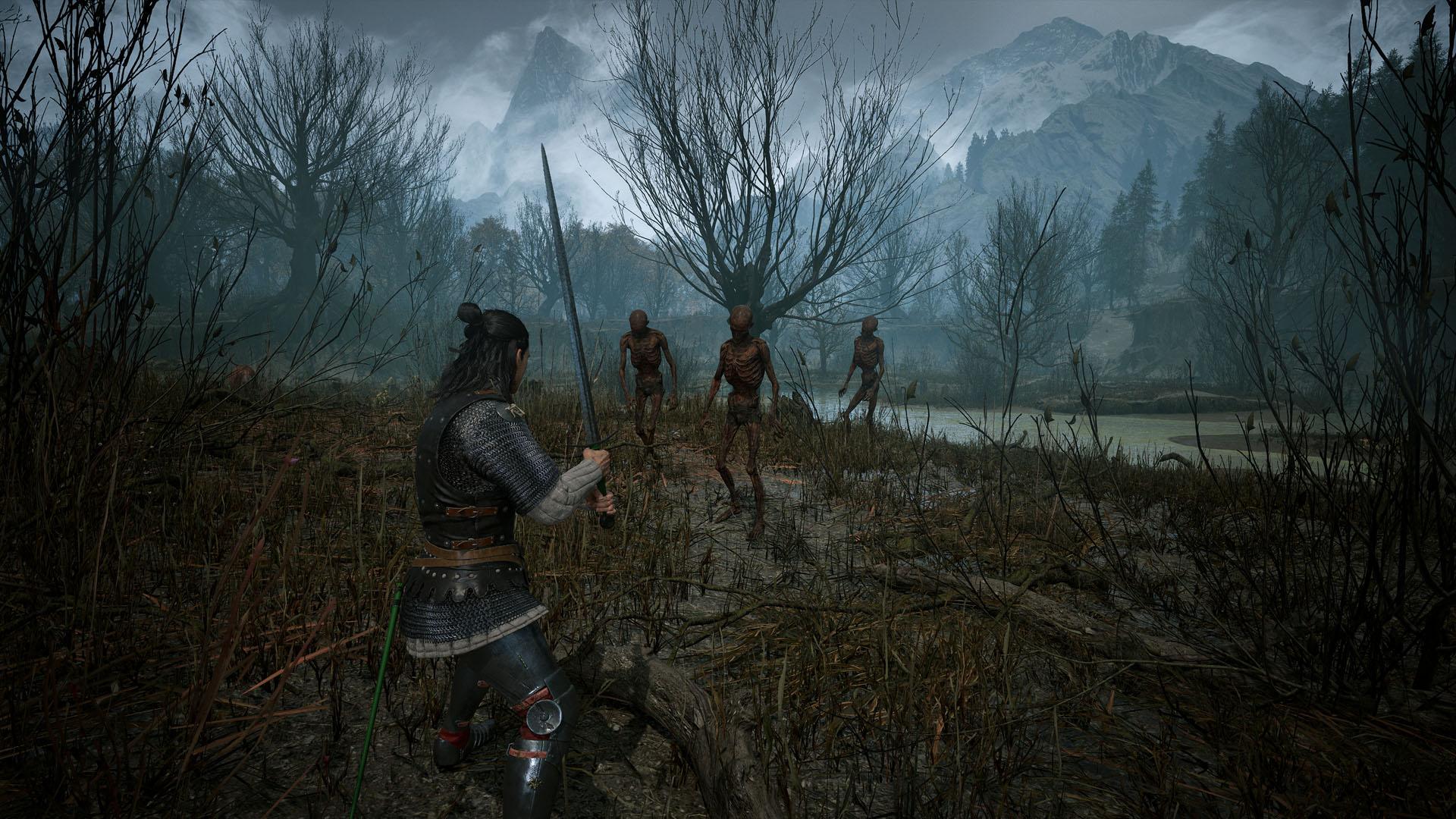
The supernatural side of Dawnwalker goes much deeper than simply putting vampires into a medieval setting.
The game features different vampire factions, each with their own interests and power structures.
At the center of the conflict is Brencis, a powerful vampire who has taken Coen's family and effectively turned the protagonist's 30 day deadline into a race against an enemy who has enormous control over the region.
That gives the story a much more personal foundation.
This isn't:
"Save the world."
It's:
"Save your family before time runs out."
And that smaller objective could ultimately make the story hit harder.
❤️ Choices, Relationships and Consequences
If there's one thing the developers clearly want players to associate with Dawnwalker, it's choice.
The game includes relationships and romance alongside its broader narrative systems, with player decisions affecting how characters respond and how certain events unfold. https://gameinformer.com/preview/2026/05/15/exclusive-details-on-how-romance-and-infamy-are-handled
That's important because a time limit creates an unusual problem.
You can't necessarily do everything.
You might discover a character you genuinely want to help.
But helping them could consume valuable time.
You might uncover a mystery that leads somewhere fascinating.
But pursuing it could mean neglecting another objective.
The game is essentially asking players to accept something most RPGs try to avoid:
You are going to miss things.
And that's potentially what makes another playthrough interesting.
🎮 Why This Could Be 2026's Sleeper RPG
The biggest challenge for The Blood of Dawnwalker is also its biggest advantage.
It's a new IP.
That means it doesn't have the automatic attention of GTA, The Elder Scrolls, God of War or The Witcher.
But it also means Rebel Wolves doesn't have to follow a decades-old formula.
The studio is taking familiar RPG ingredients open-world exploration, character relationships, branching choices, supernatural combat and combining them around one particularly strong idea:
Time is your enemy.
That's the kind of mechanic that can change the way you play an entire RPG.
And early previews have already highlighted the game's writing, reactive systems and approach to the passage of time.
https://news.xbox.com/en-us/2026/07/07/the-blood-of-dawnwalker-hands-on-preview/
📅 Release Date and Platforms
The Blood of Dawnwalker launches on September 3, 2026.
It is coming to:
- PlayStation 5
- Xbox Series X|S
- PC
The game is being developed by Rebel Wolves and published by Bandai Namco Entertainment.
https://www.bandainamcoent.com/games/dawnwalker
🔥 The Real Question: Can It Escape The Witcher's Shadow?
There's an unavoidable comparison hanging over The Blood of Dawnwalker.
The people behind it helped create The Witcher 3, one of the most influential RPGs of the last decade.
That gives the game enormous credibility.
But it also creates enormous expectations.
If Dawnwalker spends its entire life being described as "the new Witcher", it risks becoming trapped by someone else's legacy.
Fortunately, its most interesting systems suggest that Rebel Wolves wants to do something different.
A vampire protagonist.
A day/night identity system.
A 30 day deadline.
A reactive narrative.
A world that doesn't simply wait for the player.
Those aren't The Witcher.
They're Dawnwalker.
🎮 The Bottom Line
The Blood of Dawnwalker doesn't need to replace The Witcher.
It needs to prove that the developers behind one of gaming's greatest RPGs can still surprise us.
And the foundation is certainly promising.
A dark medieval world.
A protagonist split between humanity and vampirism.
A family that needs saving.
And only 30 days to make it happen.
That final element might be the secret weapon.
Because when an RPG tells you that you can explore everything, players usually believe it.
Dawnwalker is effectively telling you the opposite:
You can't save everyone. You can't do everything. Choose carefully.
And that's exactly why September 3 might be the beginning of something special.
Would you rather play Coen primarily as a human or embrace the vampire side? And do you think a 30-day time limit makes an RPG more exciting or just stressful?



Comments
1Sign in to join the conversation
Sign in