
Tesla's Cybercab Reveal: Why Elon Musk Put Starlink Inside a Taxi
Tesla Just Put Starlink Inside Its Robotaxi
Tesla's Cybercab has always been about removing the human driver from the equation.
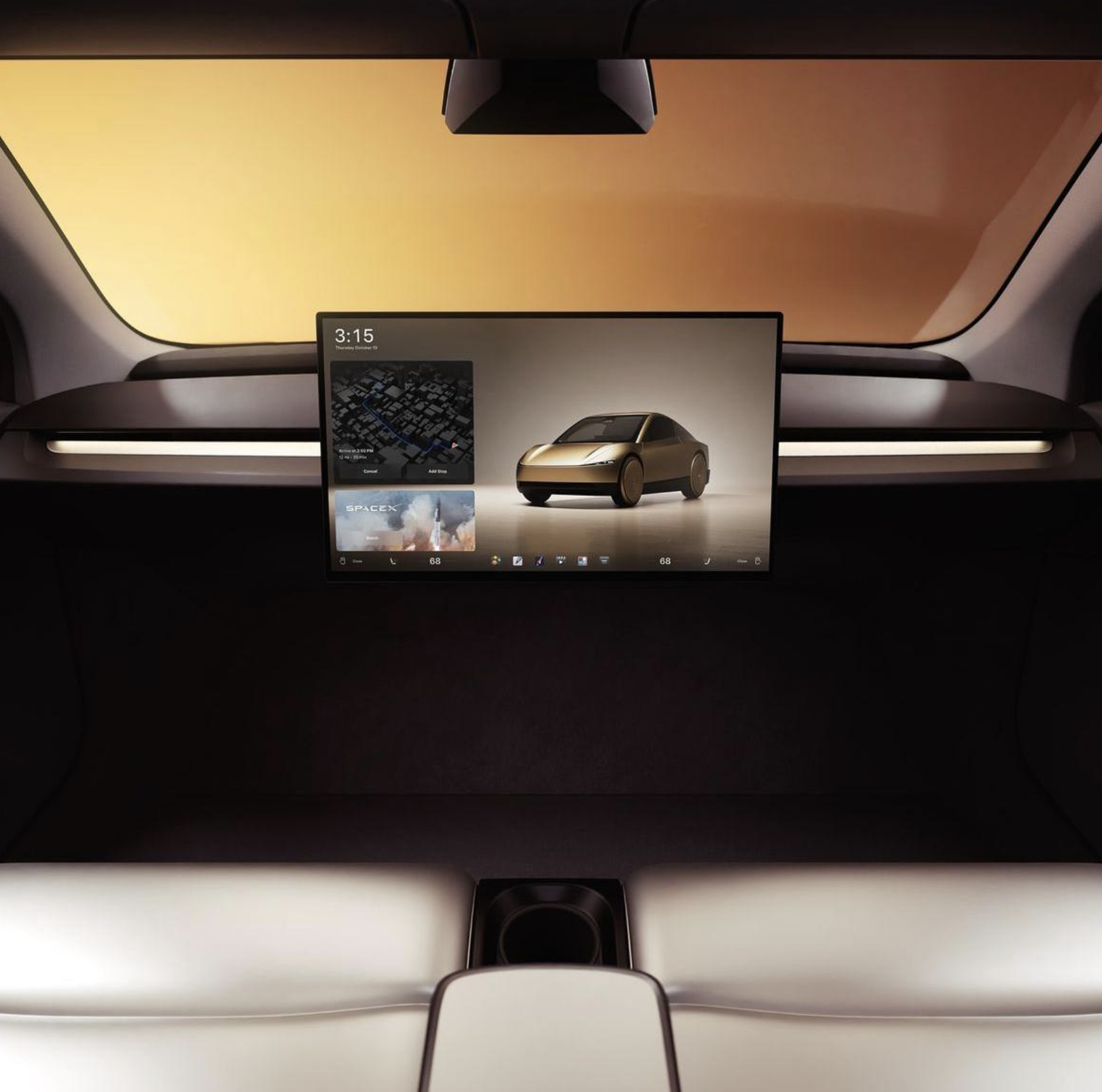
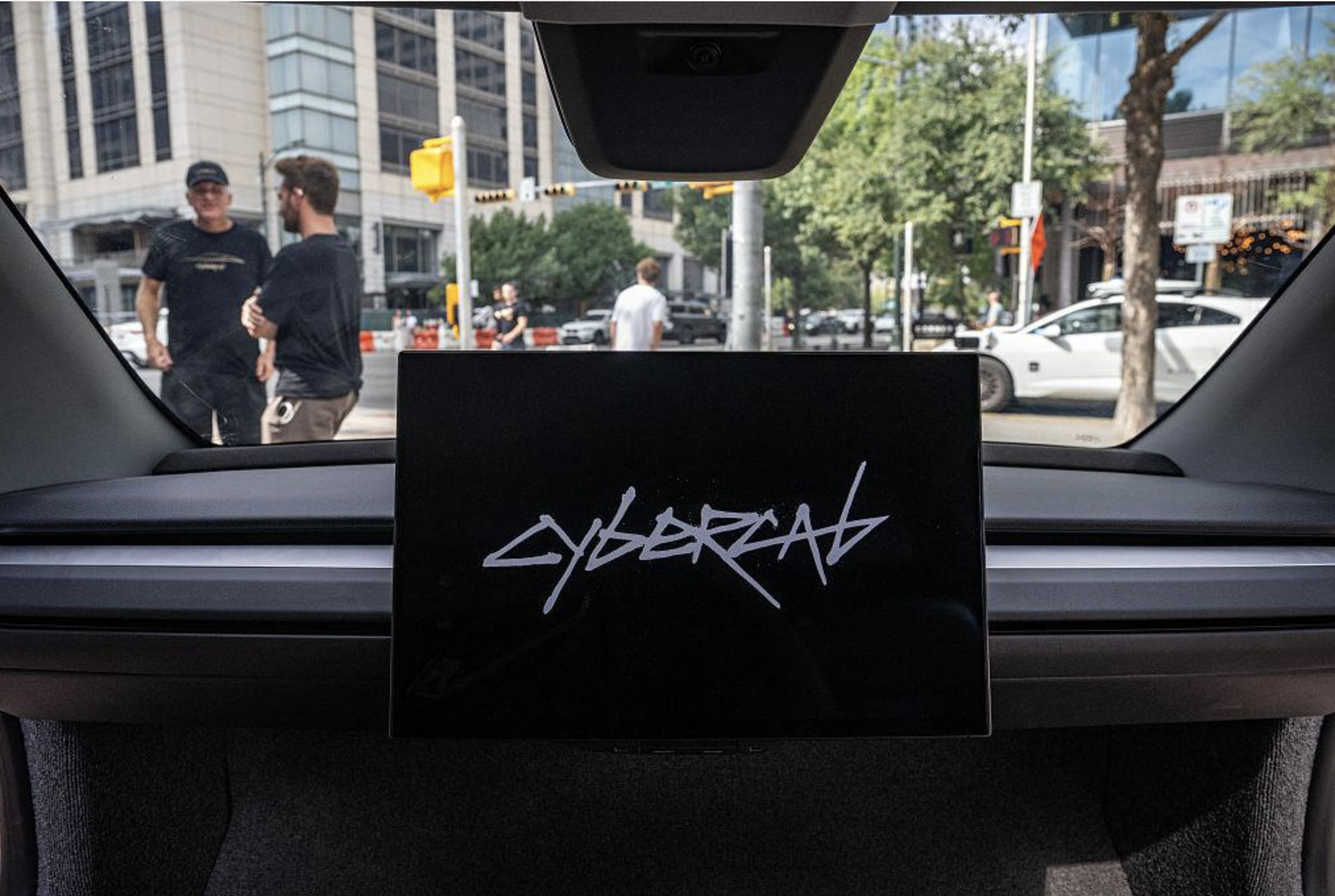
There is no steering wheel. No pedals. Just two seats, a central touchscreen and a computer system designed to handle the driving itself. Tesla has now added something unexpected to that formula: Starlink.
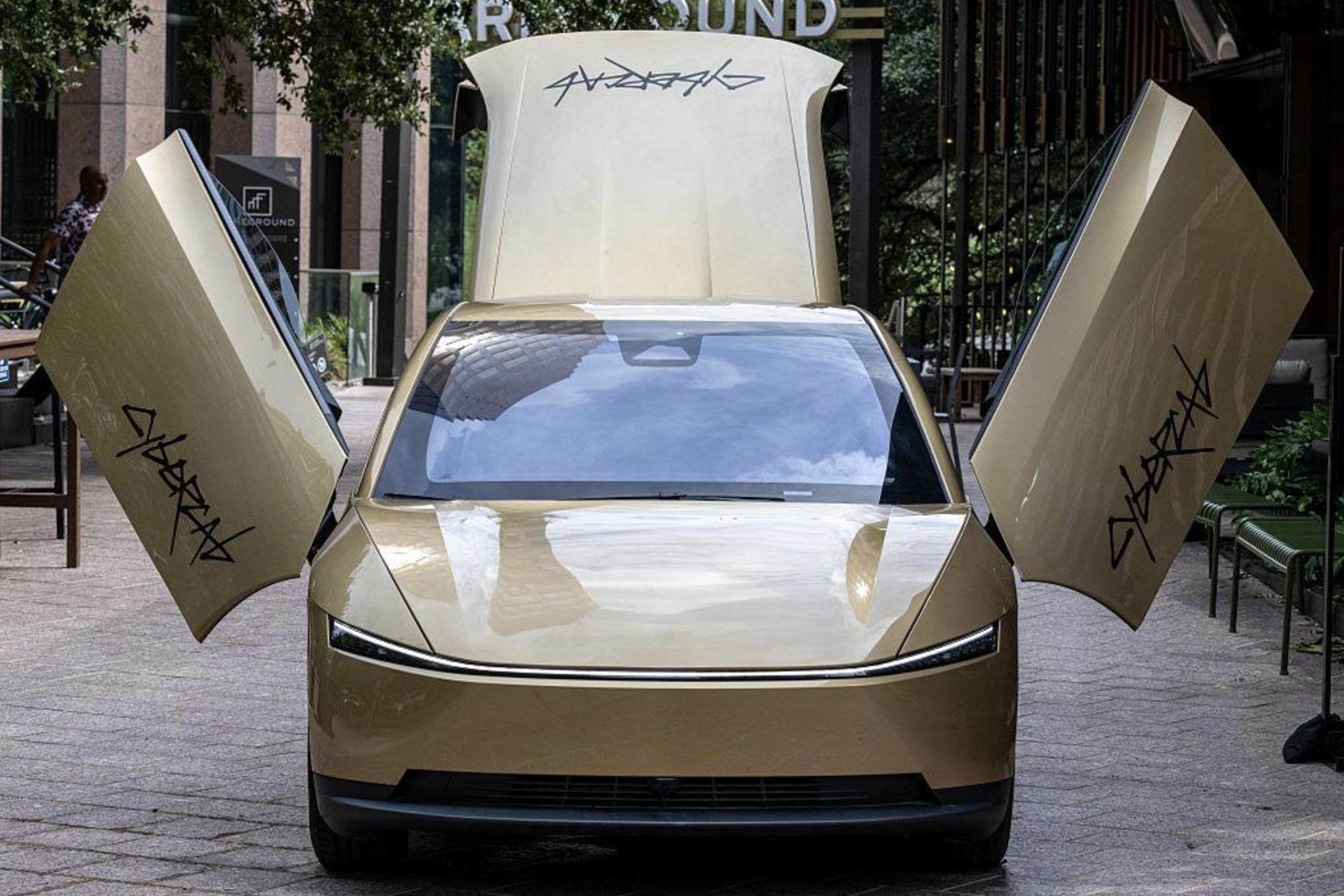
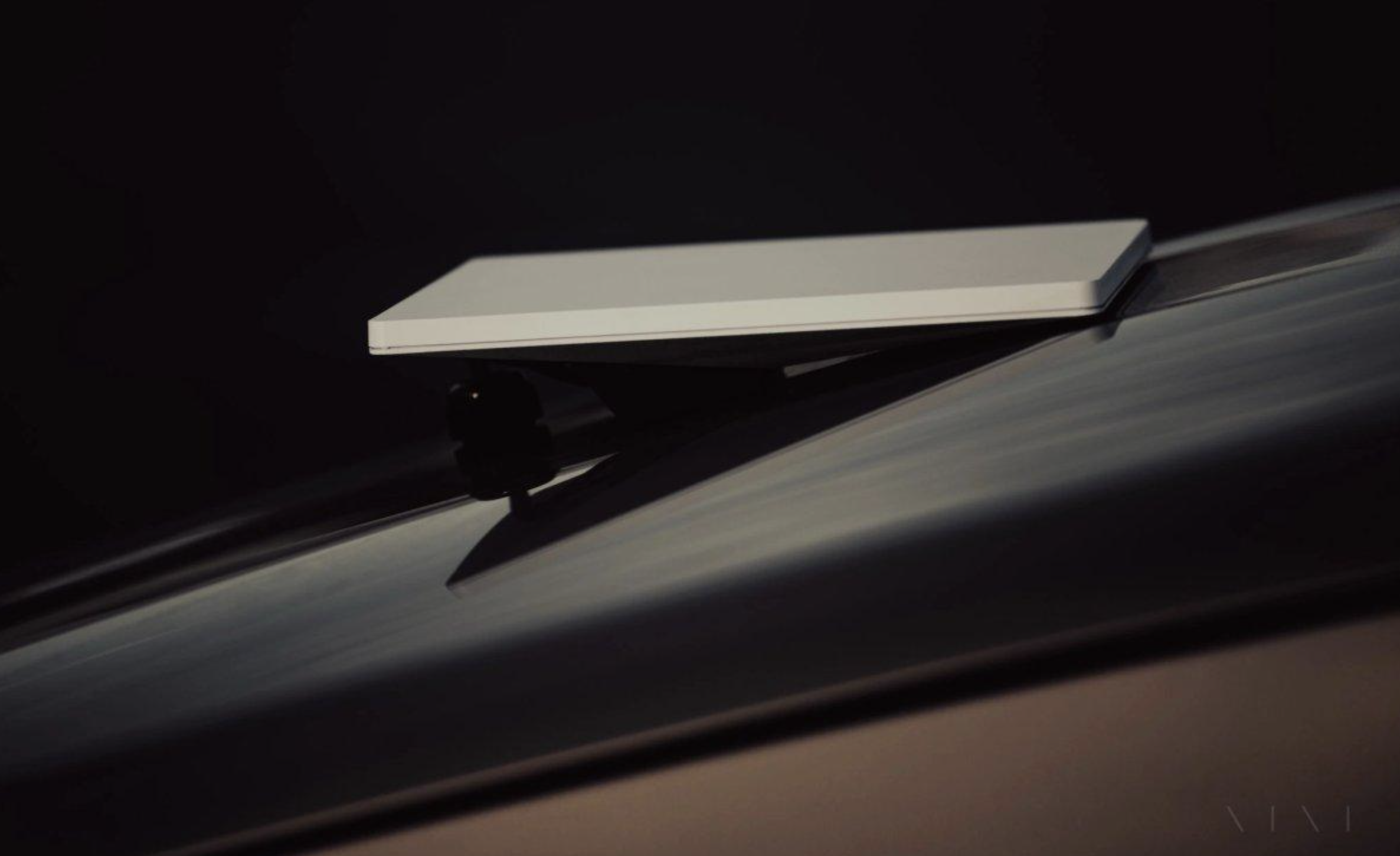
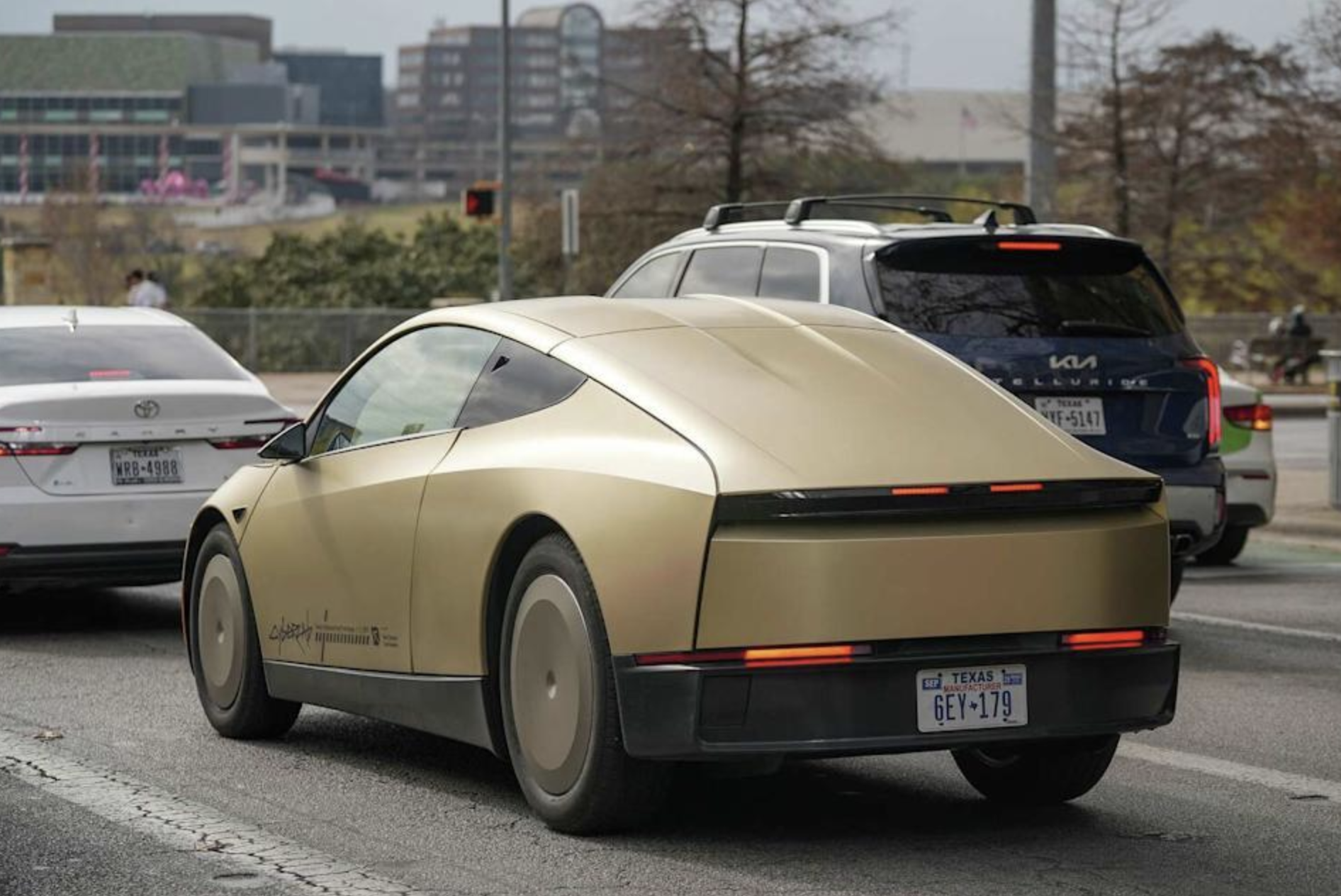
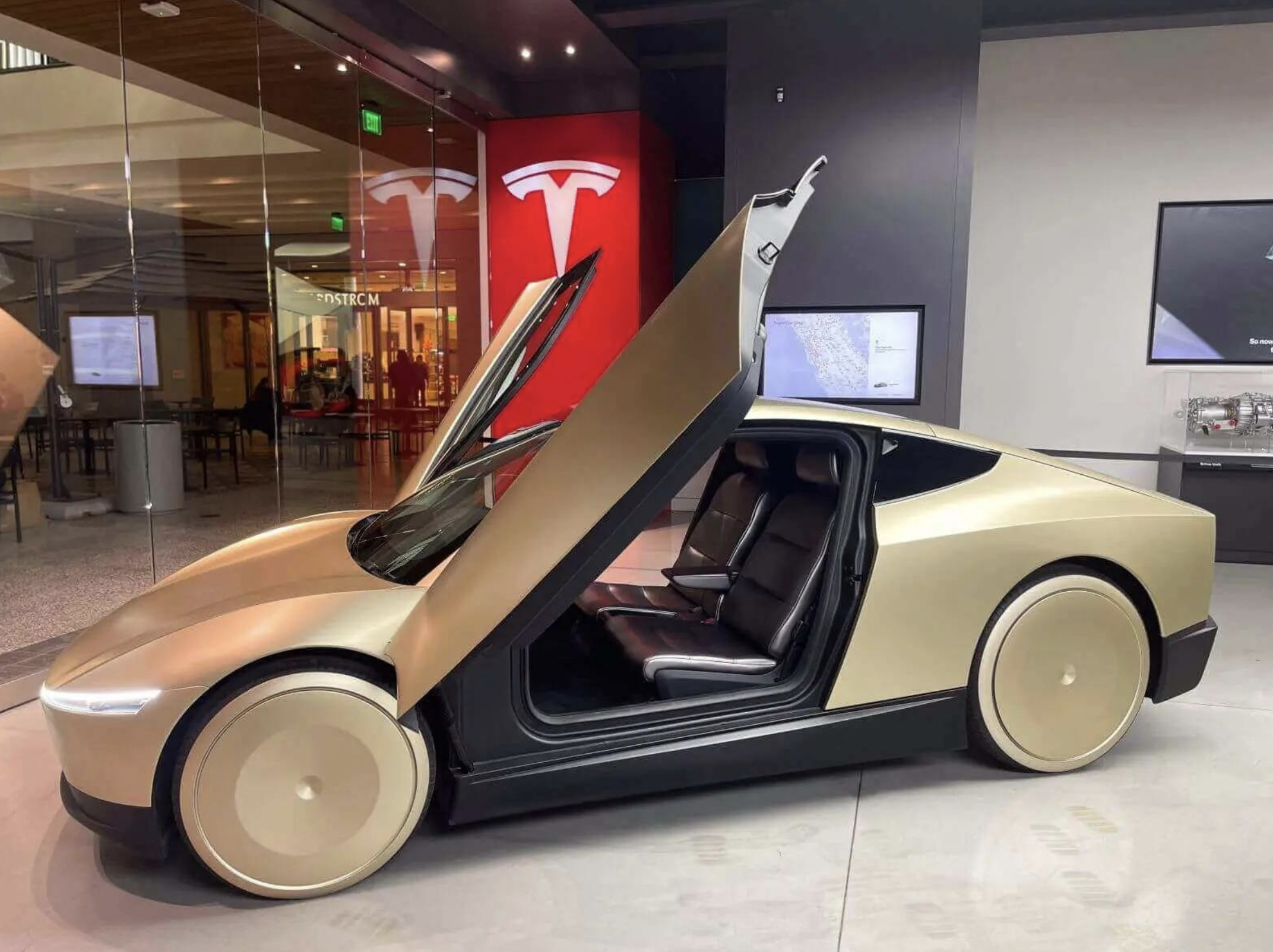
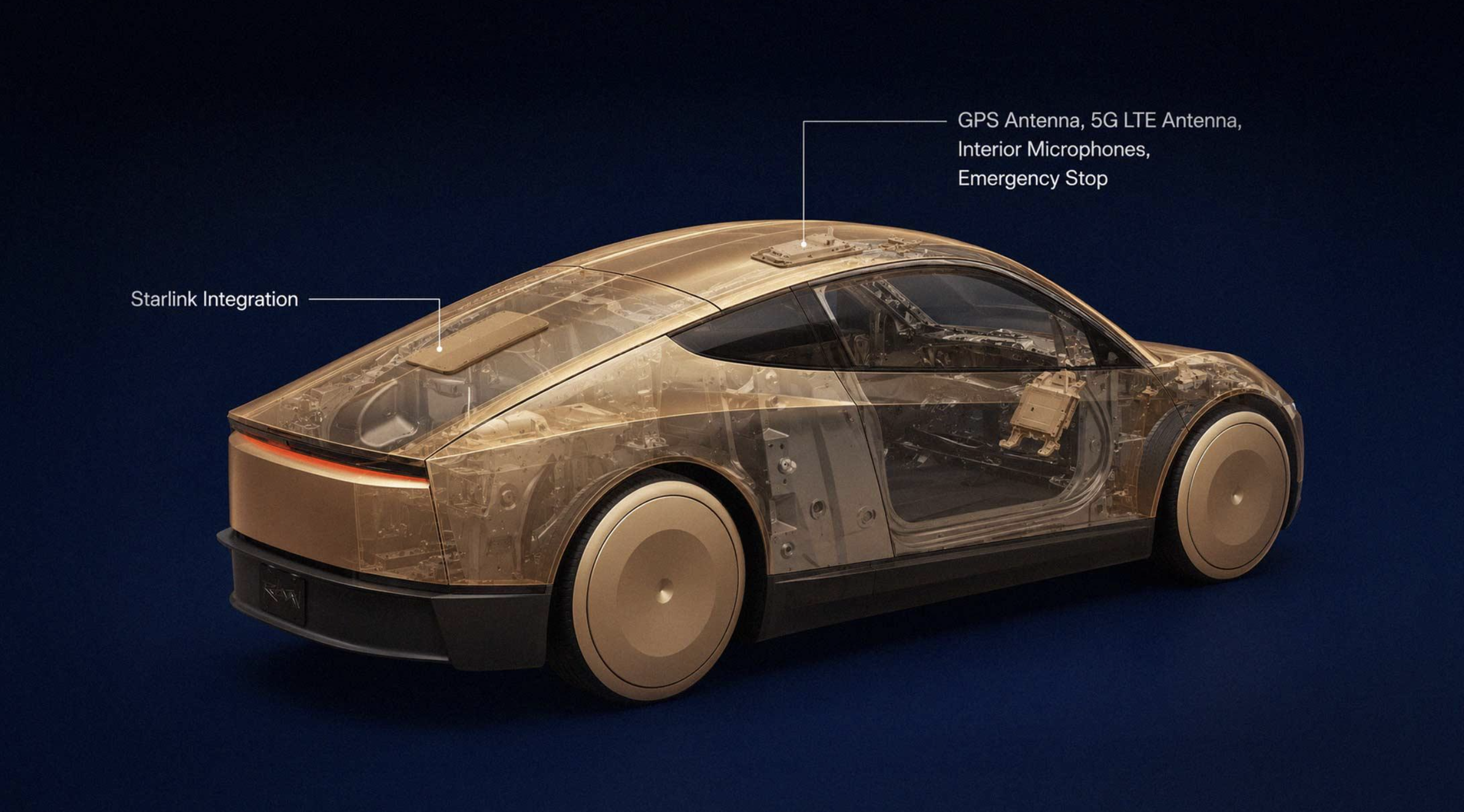
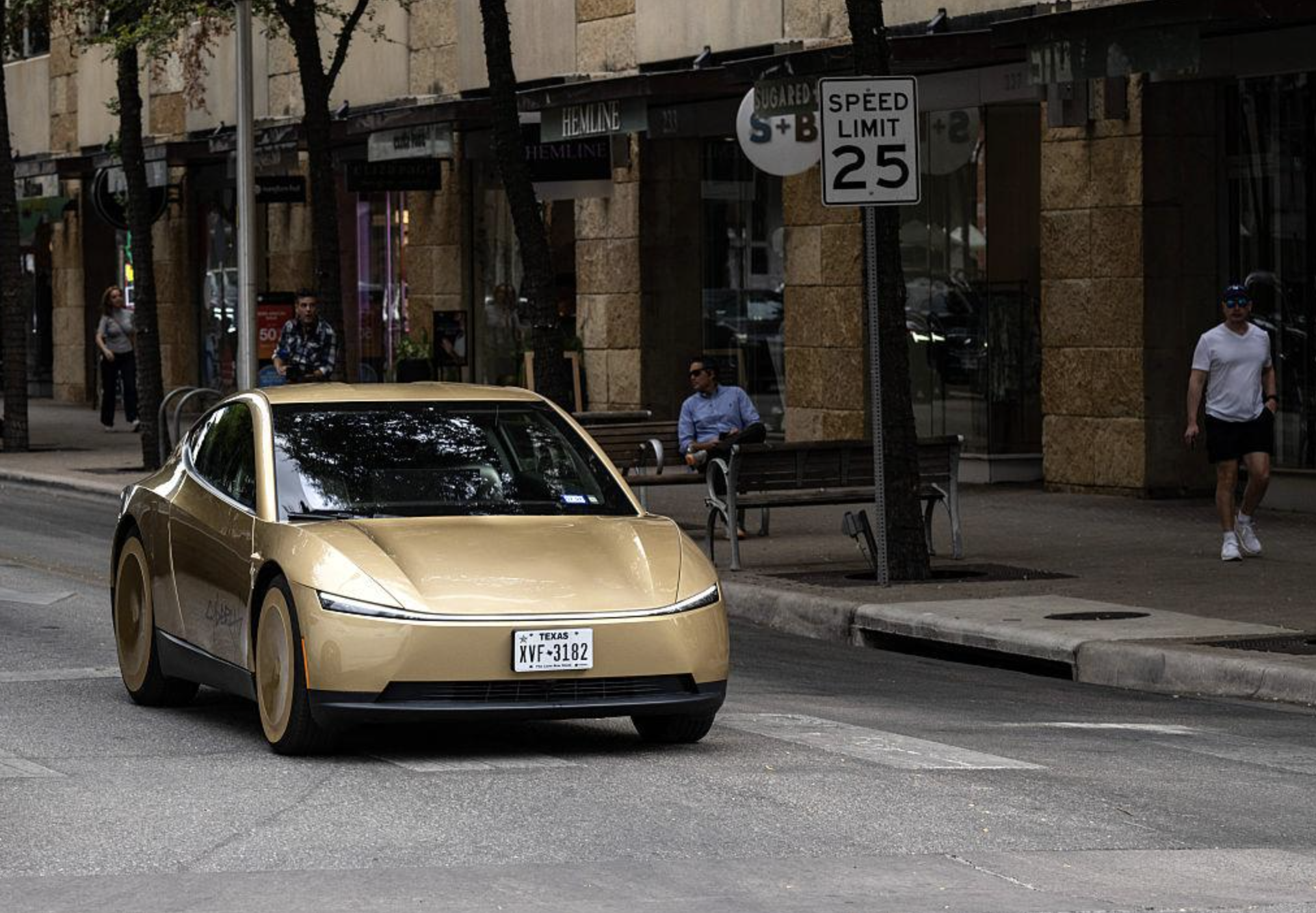
In August, Tesla showed the first physical Cybercab with Starlink integrated into the vehicle's roof. The gold-colored robotaxi features a low-profile satellite antenna built directly into its body rather than sitting on top like a traditional Starlink dish. Electrek
And that raises an obvious question.
Why does a car that is supposed to drive itself need satellite internet?
The answer isn't quite what you might expect.
The Cybercab Doesn't Actually Need Starlink to Drive
This is the most important distinction.
Tesla's autonomous driving computer is inside the vehicle. The Cybercab uses its onboard cameras, sensors and computing hardware to perceive its surroundings and make driving decisions.
Tesla AI chief Ashok Elluswamy has specifically said that Starlink is not required for safe operation.
Instead, the connection is primarily intended for things such as navigation, customer service and fleet management. Not a Tesla App
So if a Cybercab loses its internet connection, that doesn't automatically mean the vehicle suddenly forgets how to drive.
The Starlink system is more like an additional communication layer.
And that's where things get interesting.
So Why Does Elon Musk Want Satellite Internet?
Musk's argument is simple: a robotaxi can't afford to disappear from the network.
During Tesla's July 2026 earnings call, Musk pointed out that cellular coverage can still disappear in surprising places, including parts of major technology hubs.
His concern is that a driverless vehicle could enter one of these cellular dead zones and become difficult for Tesla to communicate with.
For a normal car, losing your phone signal for a few minutes isn't a huge problem.
For a completely autonomous taxi with nobody sitting behind the wheel, it is a much bigger issue.
Musk described these areas as “Bermuda triangles” of poor connectivity and argued that Starlink could help make sure Tesla's robotaxis don't become “missing in action.” Roic AI
That's the real reason behind the satellite dish.
The Cybercab Has More Than One Connection
Starlink isn't replacing every other communication system inside the Cybercab.
Tesla's hardware diagram also showed conventional GPS and 5G/LTE connectivity alongside the Starlink hardware. Not a Tesla App
That makes the setup more interesting.
Think of it like this:
5G/LTE → normal connectivity
GPS → positioning
Starlink → satellite connectivity when terrestrial networks aren't enough
The idea is to give a future robotaxi fleet multiple ways to stay connected.
That's particularly useful when Tesla starts moving beyond carefully selected urban areas.
The First Cybercab With Starlink Is Finally Real
Tesla initially teased the integration with a technical diagram in July.
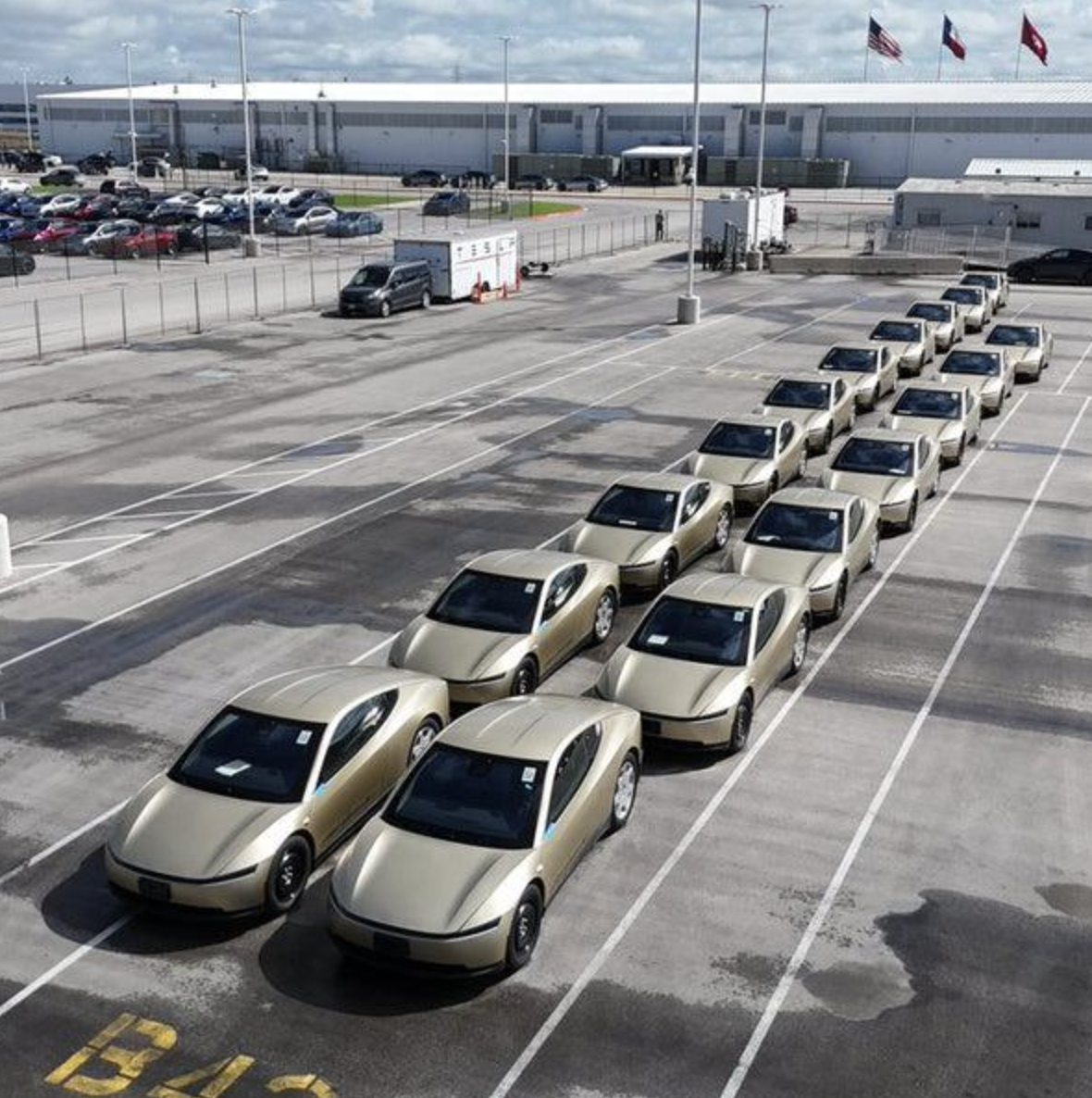
Then, on August 10, Tesla's Robotaxi account showed an actual Cybercab equipped with the hardware.
The vehicle was finished in Tesla's gold color and photographed outside Gigafactory Texas. The Starlink hardware is integrated into the roof, giving the car a much cleaner appearance than a traditional external satellite dish. Electrek
Tesla didn't initially provide a long technical explanation with the reveal.
Instead, the message was extremely simple:
The Cybercab now has Starlink.
That was enough to start the debate about why an autonomous car needs satellite internet in the first place.
And Yes, Passengers Can Use It Too
The connection isn't only about Tesla's robotaxi operations.
Musk has also talked about what passengers could do with the connection.
He said riders could potentially watch 4K live sports, movies, play games or get work done while travelling. Roic AI
That makes sense for Tesla's larger vision.
If you're not driving, the inside of the car becomes more like a private mobile room.
Instead of staring through the windshield for 40 minutes, you could theoretically watch something, work on a laptop or simply use the touchscreen.
For Tesla, Starlink therefore serves two audiences:
Tesla gets a more reliable communication layer.
Passengers get high-speed connectivity.
Why This Matters More for a Driverless Taxi
Here's where the Cybercab becomes different from a normal Tesla.
A conventional Tesla always has a human being sitting behind the wheel.
If the car loses connectivity, the driver can still make decisions.
The Cybercab is being designed specifically without that fallback.
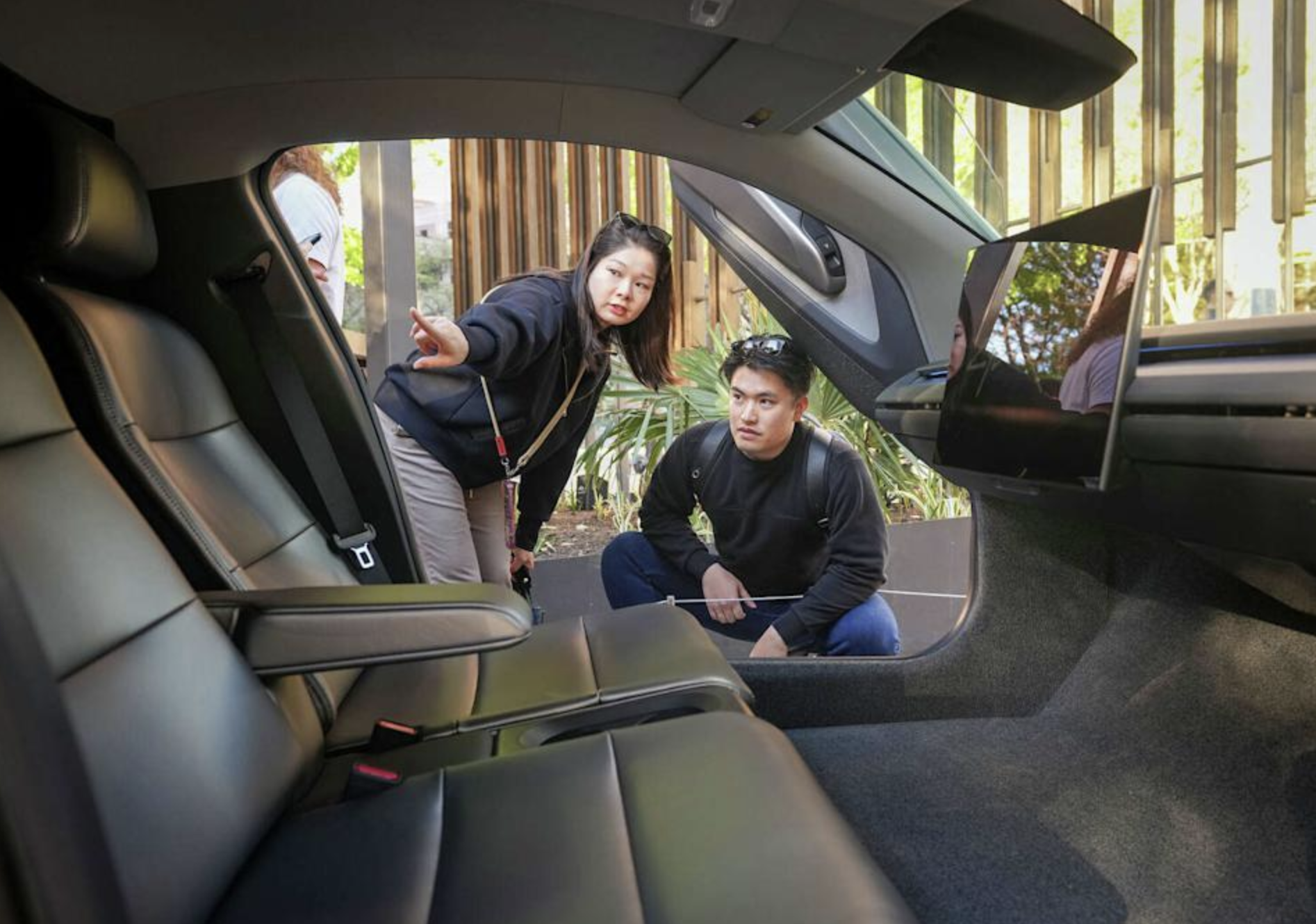
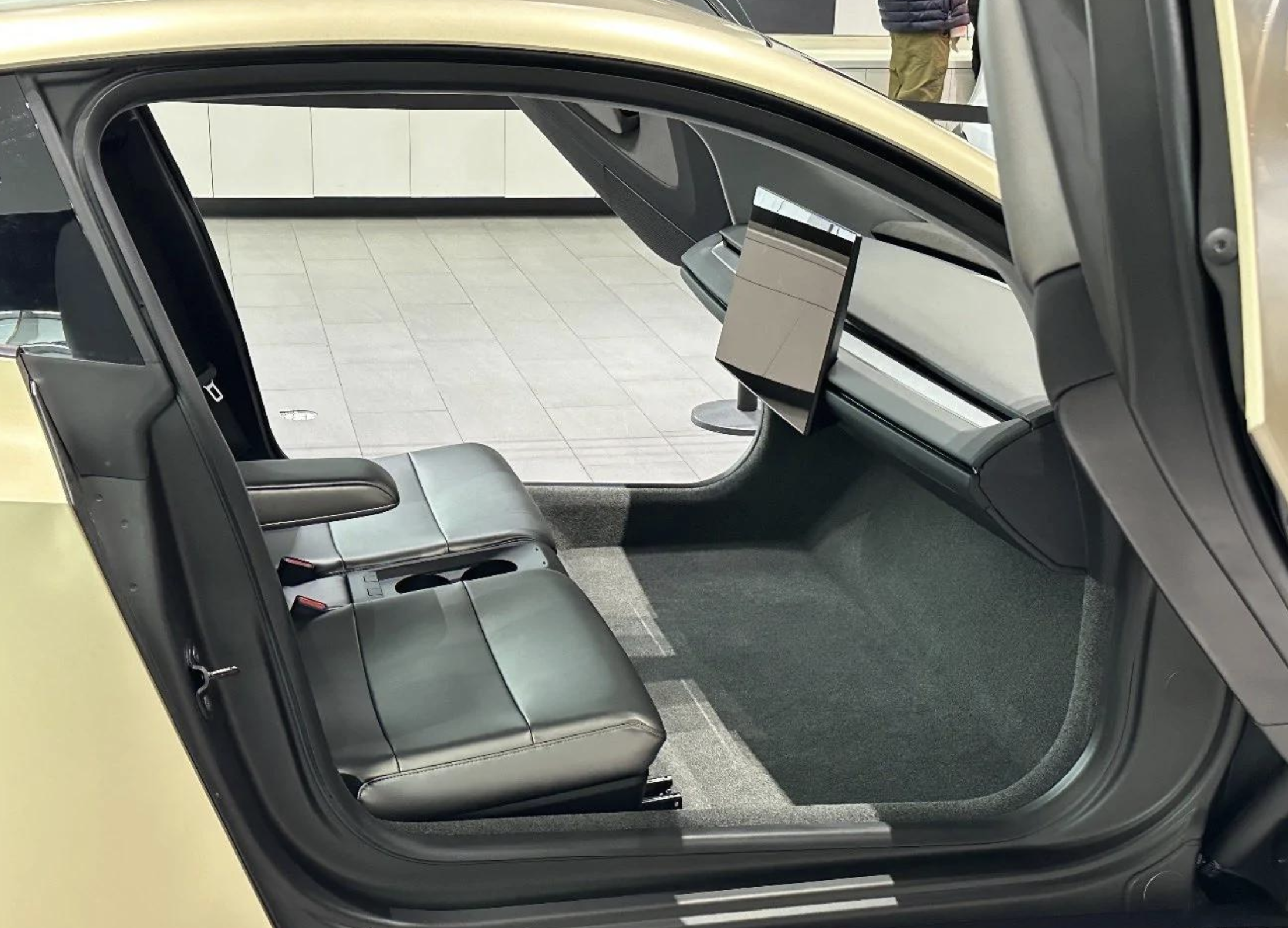
Tesla says the vehicle is fully autonomous and doesn't have a steering wheel or pedals. Its official support page describes the Cybercab as a two-seat autonomous vehicle using camera vision and sensors to navigate roads, intersections and parking areas. Tesla
That changes the importance of connectivity.
The vehicle may not need the internet to physically steer itself, but the company operating thousands of these vehicles needs to be able to communicate with them.
That could include fleet management, passenger support, navigation information, diagnostics and other services.
And when there's no human driver, maintaining that communication becomes much more valuable.
Tesla Is Already Moving Toward Real Cybercab Operations
This isn't just a concept anymore.
Tesla reported that Cybercab production had started and that engineering test drives of production vehicles on public roads had begun. The company also started employee rides at Gigafactory Texas. Tesla Investor Relations
By September, Tesla was also offering limited Cybercab rides in Austin.
The company is gradually moving from the original 2024 Cybercab reveal toward an actual robotaxi service, although the rollout remains limited and regulators are watching closely. Reuters reported that the National Highway Traffic Safety Administration was evaluating Tesla's activity in Austin. Investing.com
That makes the Starlink integration more significant.
Tesla isn't just designing a cool-looking autonomous car anymore.
It's trying to build an entire connected driverless fleet.
Starlink Is More of a Safety Net Than the Brain
This is probably the easiest way to understand Tesla's strategy.
The Cybercab's onboard computer is the brain.
Starlink is the communication line.
The car can make driving decisions locally, but Tesla wants the vehicle to remain reachable even when traditional networks aren't available.
That's an important difference because saying “the Cybercab needs Starlink to drive” would be misleading.
It doesn't.
But Tesla clearly believes that a large-scale autonomous fleet needs extremely reliable connectivity.
And satellite internet gives it another way to achieve that.
The Bigger Question: Can Starlink Scale With Robotaxis?
This is where Tesla's plan gets more ambitious.
One robotaxi with Starlink is relatively straightforward.
Thousands or eventually millions of autonomous vehicles constantly moving around cities, highways and remote areas is a completely different challenge.
Tesla will need to figure out:
- How Starlink switches with cellular networks
- How much data each Cybercab consumes
- How the system behaves during a complete connectivity failure
- How much the hardware costs
- How much power the satellite hardware uses
- How reliable the connection remains while the vehicle is moving
- Which countries and regions can support the service
Tesla has not publicly detailed all of those pieces yet.
So the Cybercab's Starlink integration is less about proving that autonomous driving requires satellite internet and more about showing how Tesla wants to build the communications infrastructure around autonomous driving.
What Happens Next?
Tesla's Cybercab rollout will tell us whether this strategy actually works outside controlled environments.
The company is already operating limited robotaxi services and expanding testing, while the Cybercab itself moves closer to broader deployment. Tesla
If Tesla eventually operates a huge driverless fleet, reliable connectivity could become just as important to the business as the autonomous driving system itself.
Starlink may not be what makes the Cybercab drive.
But it could be what makes Tesla comfortable sending that Cybercab out into the world without anyone behind the wheel.
🎮 The Bottom Line
Tesla didn't put Starlink inside the Cybercab because the car suddenly needs an internet connection to steer itself.
The bigger idea is constant communication.
The Cybercab can handle driving with its onboard computers, while Starlink gives Tesla another way to keep the vehicle connected when cellular networks aren't available.
And for a future where thousands of cars are driving around without anyone behind the wheel, being able to reach those cars could become just as important as teaching them how to drive.
The real test now isn't whether Cybercab can drive itself. It's whether Tesla can build the connected infrastructure needed to run an entire driverless fleet.
Would you trust a completely driverless Cybercab more if it had Starlink keeping it connected?
Comments
Sign in to join the conversation
Sign inNo comments yet
Be the first to share your thoughts!